
Maintaining the unique HVAC setup in your converted Crown Hill schoolhouse or church
Converting historic schoolhouses and churches in Crown Hill creates beautiful living spaces but brings unique HVAC challenges. Seattle’s marine climate, with its high humidity and mild temperatures, demands specialized maintenance approaches for these non-standard residential systems. This guide covers everything you need to know to keep your converted building comfortable, efficient, and healthy year-round. Seattle Energy Code.
Why converted Crown Hill buildings need specialized HVAC care
Historic schoolhouses and churches weren’t designed with modern HVAC in mind. These buildings often feature high ceilings, large open spaces, and unique architectural elements that create airflow challenges. The original structures typically have single-pane windows, minimal insulation, and construction methods that don’t meet current energy codes. Keeping your historic Queen Anne home cool with ductless AC options.
Crown Hill’s location near Puget Sound means your building experiences consistent moisture exposure. This creates ideal conditions for mold growth in ductwork, condensation on cooling coils, and accelerated wear on HVAC components. The area’s clay soil also affects foundation stability, which can shift equipment over time and cause misalignment in ductwork connections.. Read more about Heating and cooling challenges for floating homes in Portage Bay.
Common HVAC issues in converted Crown Hill schoolhouses
School buildings converted to residences face specific problems. The original HVAC systems were designed for intermittent use during school hours, not continuous residential operation. This means components may be oversized or undersized for current needs. Why your Ballard home needs professional furnace repair before the first freeze.
High ceilings common in school gymnasiums and auditoriums create stratification issues. Warm air rises and collects near the ceiling while cooler air stays at occupant level. Without proper air circulation, you’ll experience temperature variations of 8-10 degrees between floor and ceiling levels.. Read more about Deciding between a quick furnace repair or a full replacement in your Greenwood home.
Unique challenges of church conversions
Church conversions present different challenges. The original designs prioritized heating over cooling since services occurred during cooler months. Many churches feature large stained glass windows that leak air and create hot spots during sunny afternoons. Weekend HVAC Service.
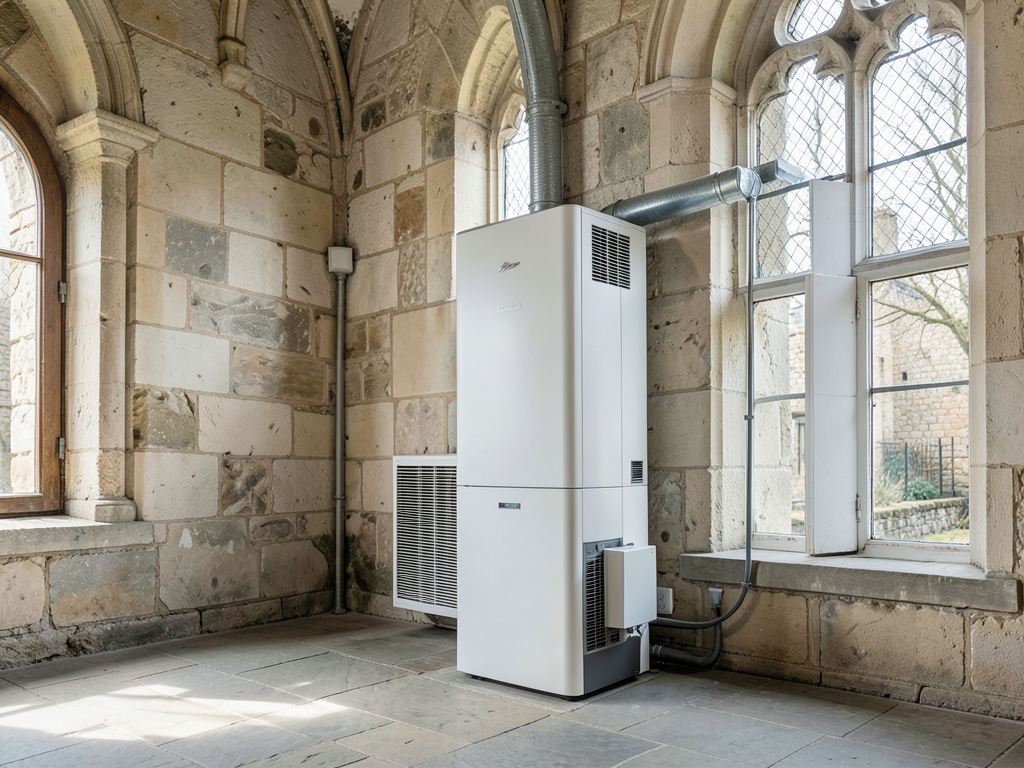
The sanctuary layout typically includes high vaulted ceilings and open floor plans that make zoning difficult. Without proper zoning controls, you’re heating or cooling the entire space when you only need comfort in specific areas like the kitchen or bedroom loft.
Seattle’s climate impact on converted building HVAC
Crown Hill’s marine climate creates year-round humidity levels between 70-85%. This constant moisture exposure accelerates corrosion on metal components and promotes biological growth in cooling systems. The damp environment also makes it harder for HVAC systems to maintain proper dehumidification.
During winter, Seattle’s mild but wet conditions mean your heating system runs less frequently but for longer cycles. This creates different wear patterns compared to colder climates where systems cycle on and off more rapidly. The consistent moisture also means condensate drains stay active for more months each year.. Read more about Managing different temperatures in multi-generational Atlantic neighborhood homes.
Essential maintenance for converted Crown Hill buildings
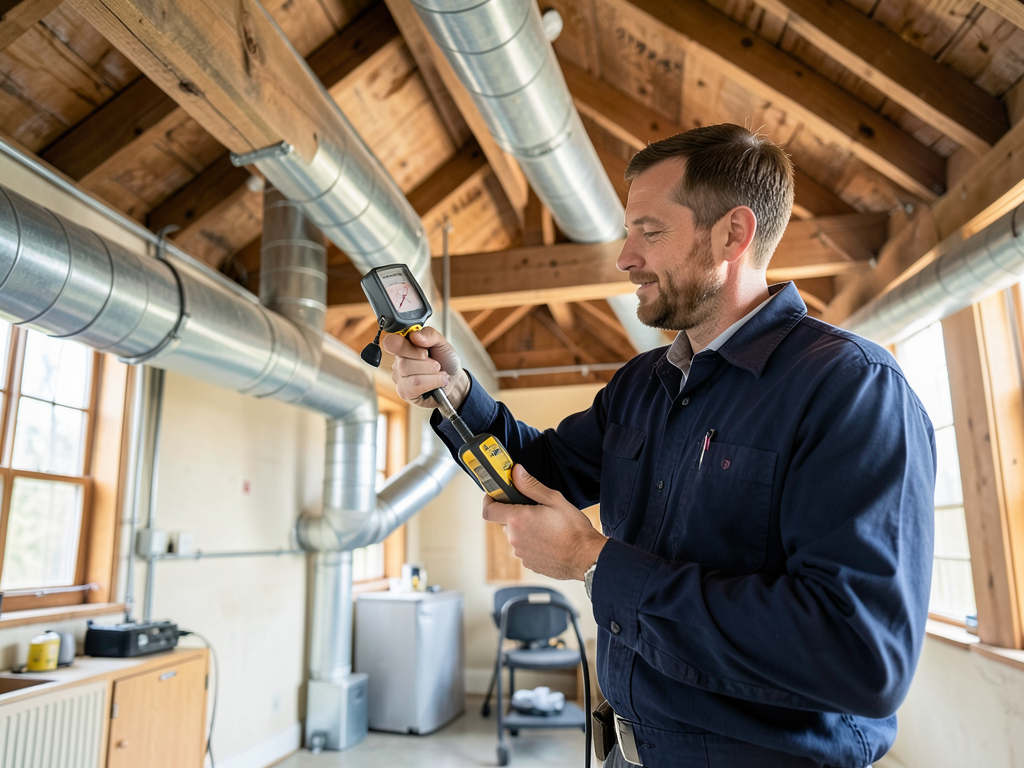
Start with a comprehensive system evaluation. Many converted buildings have patchwork HVAC additions that weren’t integrated properly. A professional assessment should check for proper sizing, ductwork integrity, and control system functionality.
Pay special attention to air distribution. High-ceiling spaces need ceiling fans or specialized air handlers to prevent stratification. Without proper circulation, your HVAC system works harder and your energy bills increase significantly.
Humidity control strategies for historic conversions
Managing humidity is critical in converted Crown Hill buildings. The constant moisture exposure can lead to mold growth, wood rot, and indoor air quality issues. Install a whole-house dehumidifier if your system struggles to maintain relative humidity below 60%.
Consider adding UV light systems to your ductwork. These kill mold spores and bacteria that thrive in Seattle’s damp conditions. Position them near cooling coils where moisture accumulates most heavily.. Read more about Adding modern air conditioning to a mid-century Arbor Heights home.
Energy efficiency upgrades for historic buildings
Improving energy efficiency in converted buildings requires balancing preservation with performance. Start with air sealing around windows, doors, and other penetrations. Many historic buildings have significant air leakage that makes HVAC systems work harder.
Consider upgrading to high-efficiency equipment designed for Seattle’s climate. Modern heat pumps perform exceptionally well in our mild temperatures and can provide both heating and cooling without separate systems. EPA Indoor Air Quality Guidelines.
Seasonal maintenance calendar for Crown Hill conversions
- Spring preparation
Clean cooling coils, check condensate drains, and test cooling capacity before summer heat arrives. Seattle’s mild spring is ideal for catching small issues before they become major problems.
- Summer optimization
Calibrate thermostats, clean outdoor units, and check refrigerant levels. The marine layer can cause unexpected cooling demands even on mild days.
- Fall inspection
Test heating systems, check heat exchangers, and inspect gas connections. Seattle’s wet fall means your system needs to be ready for continuous operation.
- Winter monitoring
Check for ice buildup on outdoor units, monitor humidity levels, and ensure proper ventilation. The damp conditions can cause unexpected system strain.
Indoor air quality considerations
Converted buildings often have unique air quality challenges. The original construction materials may contain asbestos or lead, and renovation dust can remain in ductwork for years. Install high-quality air filters with MERV ratings between 8-11 for residential conversions.
Consider adding fresh air ventilation if your building feels stuffy. Many historic structures were designed for natural ventilation that doesn’t work well with modern HVAC systems. Energy recovery ventilators can provide fresh air without significant energy loss.
Common conversion mistakes to avoid
Many homeowners make costly mistakes when converting historic buildings. Don’t assume your existing HVAC can handle the new load. School buildings often have oversized systems that short-cycle and waste energy in residential settings.
Avoid DIY ductwork modifications. Historic buildings have complex framing that makes proper duct installation challenging. Improperly installed ducts leak 20-30% of conditioned air, dramatically increasing energy costs.
Cost considerations for converted building maintenance
Maintaining HVAC in converted buildings typically costs 15-25% more than standard residential systems. The unique challenges require specialized knowledge and sometimes custom solutions. However, proper maintenance prevents costly emergency repairs that can run thousands of dollars. Who to call for 24 hour emergency furnace repair in West Seattle.
Budget for annual professional inspections. The complex nature of converted building HVAC means small issues can quickly escalate into major problems if not caught early.
When to call a professional
Call for professional help if you notice uneven heating or cooling, unusual noises, or increased energy bills. These symptoms often indicate problems specific to converted building HVAC systems, such as duct leaks, control issues, or equipment mismatch.
Don’t wait for complete system failure. The unique nature of converted building HVAC means problems often develop gradually and worsen over time.
Emergency preparedness for converted buildings
Have a backup plan for HVAC emergencies. Many converted buildings rely on a single system that serves the entire space. Consider portable heaters or fans as temporary solutions while waiting for repairs.
Know the location of your main HVAC shutoff and keep contact information for qualified technicians readily available. Emergency repairs in converted buildings often require specialized knowledge that general HVAC companies may not have.
Future-proofing your converted building HVAC
Consider smart thermostat systems that can learn your building’s unique patterns. Many converted buildings have irregular usage patterns that standard programmable thermostats can’t accommodate effectively.
Plan for eventual equipment replacement. The unique demands on converted building HVAC often mean systems need replacement sooner than in standard homes. Start budgeting for replacement when your system reaches 12-15 years of age.
Local building codes and permits
Seattle’s building codes have specific requirements for HVAC in historic buildings. Work with contractors familiar with local regulations and historic preservation guidelines. Some modifications may require special permits or approval from preservation boards.. Read more about The step by step guide to oil tank decommissioning in Haller Lake.
The Seattle Energy Code requires minimum efficiency standards that may necessitate equipment upgrades during major renovations. Plan for these costs in your conversion budget.
Insurance considerations for converted buildings
Notify your insurance company about HVAC modifications in your converted building. Some policies may not cover damage from improperly installed or maintained systems in historic structures.. Read more about How Douglas fir needles can damage your AC unit in Olympic Hills.
Consider additional coverage for specialty HVAC components unique to your building. Standard policies may not adequately cover custom ductwork or specialized equipment.
DIY maintenance you can safely perform
Change air filters monthly during peak usage seasons. This simple task prevents many common HVAC problems and maintains indoor air quality. Use the correct filter size and type for your specific system.
Keep outdoor units clear of debris, especially during fall when leaves accumulate. Ensure at least 2 feet of clearance around all sides of outdoor equipment for proper airflow.
Professional maintenance checklist
Professional maintenance should include coil cleaning, refrigerant level checks, electrical connection inspection, and thermostat calibration. For converted buildings, also check for proper zoning and air balance throughout the space. Preventative HVAC maintenance plans that actually save money for Redmond families.
Schedule maintenance twice yearly – once before cooling season and once before heating season. This prevents unexpected breakdowns during extreme weather.
Technology integration for converted buildings
Modern HVAC technology can solve many conversion challenges. Zoning systems allow different temperature control in various areas of your building. This is especially useful in church conversions where sanctuary and living spaces have different comfort needs.
Smart sensors can detect occupancy and adjust HVAC operation accordingly. This prevents wasted energy heating or cooling unoccupied spaces in your converted building.
Environmental considerations
Choose environmentally friendly refrigerants and energy-efficient equipment when upgrading your converted building HVAC. Many older systems use refrigerants being phased out due to environmental concerns.
Consider solar integration if your building has good sun exposure. The high ceilings and open spaces in many conversions make them ideal candidates for solar energy systems that can offset HVAC operating costs.
Community resources for converted building owners
Connect with other Crown Hill residents who have converted buildings. They can share experiences, recommend contractors, and provide advice specific to your neighborhood’s unique challenges.
Local historic preservation societies often have resources and workshops about maintaining historic buildings, including HVAC considerations specific to your area.
Final thoughts on converted building HVAC
Maintaining HVAC in converted Crown Hill schoolhouses and churches requires understanding the unique challenges these buildings present. The combination of historic construction, Seattle’s marine climate, and modern comfort expectations creates a complex maintenance environment.
With proper care and professional attention, your converted building can provide comfortable, efficient living space for decades to come. The key is recognizing that these aren’t standard residential HVAC systems and treating them accordingly.
Frequently Asked Questions
How often should I replace HVAC filters in my converted building?
Replace filters every 30-60 days in converted buildings. The high ceilings and large volumes of air create more dust circulation than standard homes. During peak seasons, monthly replacement ensures optimal system performance and air quality.
Are heat pumps suitable for converted Crown Hill buildings?
Yes, heat pumps work excellently in converted buildings. Seattle’s mild climate makes them highly efficient, and modern units can handle the temperature variations common in historic structures. They also provide both heating and cooling without separate systems.
What’s the biggest HVAC mistake people make with converted buildings?
The most common mistake is assuming the existing system can handle the new load. School and church HVAC systems were designed for different usage patterns and occupancy levels. Professional evaluation is essential before relying on original equipment.
Ready to optimize your converted building’s HVAC?
Call (564) 220-5899 today to schedule your comprehensive HVAC evaluation. Our technicians specialize in the unique challenges of Crown Hill’s converted schoolhouses and churches. We’ll help you create a maintenance plan that keeps your historic building comfortable and efficient year-round.
You may also find this helpful. Deep cleaning your Eastlake mini split to remove hidden mold and dust.
You may also find this helpful. How to heat and cool your Broadview detached garage or workshop.
{
“@context”: “https://schema.org”,
“@type”: “BlogPosting”,
“headline”: “Maintaining the unique HVAC setup in your converted Crown Hill schoolhouse or church”,
“description”: “Learn how to maintain HVAC systems in converted Crown Hill schoolhouses and churches. Get Seattle-specific tips for historic buildings, humidity control, and energy efficiency.”,
“wordCount”: 1904,
“datePublished”: “2026-04-12T09:41:00.000Z”,
“dateModified”: “2026-04-12T09:41:00.000Z”,
“inLanguage”: “en-US”,
“mainEntityOfPage”: {
“@type”: “WebPage”,
“@id”: “https://peakhvacseattle.com”
},
“publisher”: {
“@type”: “LocalBusiness”,
“name”: “Peak HVAC Seattle”,
“url”: “https://peakhvacseattle.com”
},
“author”: {
“@type”: “Organization”,
“name”: “Peak HVAC Seattle”,
“url”: “https://peakhvacseattle.com”
},
“image”: {
“@type”: “ImageObject”,
“url”: “https://peakhvacseattle.com/wp-content/uploads/2026/03/maintaining-the-unique-hvac-setup-in-your-converte-1.png”
}
}
{
“@context”: “https://schema.org”,
“@type”: “HVACBusiness”,
“name”: “Peak HVAC Seattle”,
“url”: “https://peakhvacseattle.com”,
“address”: {
“@type”: “PostalAddress”,
“addressLocality”: “Seattle”
},
“areaServed”: {
“@type”: “City”,
“name”: “Seattle”
}
}
{
“@context”: “https://schema.org”,
“@type”: “FAQPage”,
“mainEntity”: [
{
“@type”: “Question”,
“name”: “How often should I replace HVAC filters in my converted building?”,
“acceptedAnswer”: {
“@type”: “Answer”,
“text”: “Replace filters every 30-60 days in converted buildings. The high ceilings and large volumes of air create more dust circulation than standard homes. During peak seasons, monthly replacement ensures optimal system performance and air quality.”
}
},
{
“@type”: “Question”,
“name”: “Are heat pumps suitable for converted Crown Hill buildings?”,
“acceptedAnswer”: {
“@type”: “Answer”,
“text”: “Yes, heat pumps work excellently in converted buildings. Seattle’s mild climate makes them highly efficient, and modern units can handle the temperature variations common in historic structures. They also provide both heating and cooling without separate systems.”
}
},
{
“@type”: “Question”,
“name”: “What’s the biggest HVAC mistake people make with converted buildings?”,
“acceptedAnswer”: {
“@type”: “Answer”,
“text”: “The most common mistake is assuming the existing system can handle the new load. School and church HVAC systems were designed for different usage patterns and occupancy levels. Professional evaluation is essential before relying on original equipment.”
}
},
{
“@type”: “Question”,
“name”: “Ready to optimize your converted building’s HVAC?”,
“acceptedAnswer”: {
“@type”: “Answer”,
“text”: “Call (564) 220-5899 today to schedule your comprehensive HVAC evaluation. Our technicians specialize in the unique challenges of Crown Hill’s converted schoolhouses and churches. We’ll help you create a maintenance plan that keeps your historic building comfortable and efficient year-round.”
}
}
]
}
{
“@context”: “https://schema.org”,
“@type”: “HowTo”,
“name”: “Seasonal HVAC Maintenance”,
“step”: [
{
“@type”: “HowToStep”,
“position”: 1,
“name”: “Spring preparation”,
“text”: “Clean cooling coils, check condensate drains, and test cooling capacity before summer heat arrives. Seattle’s mild spring is ideal for catching small issues before they become major problems.”
},
{
“@type”: “HowToStep”,
“position”: 2,
“name”: “Summer optimization”,
“text”: “Calibrate thermostats, clean outdoor units, and check refrigerant levels. The marine layer can cause unexpected cooling demands even on mild days.”
},
{
“@type”: “HowToStep”,
“position”: 3,
“name”: “Fall inspection”,
“text”: “Test heating systems, check heat exchangers, and inspect gas connections. Seattle’s wet fall means your system needs to be ready for continuous operation.”
},
{
“@type”: “HowToStep”,
“position”: 4,
“name”: “Winter monitoring”,
“text”: “Check for ice buildup on outdoor units, monitor humidity levels, and ensure proper ventilation. The damp conditions can cause unexpected system strain.”
}
],
“image”: “https://peakhvacseattle.com/wp-content/uploads/2026/03/maintaining-the-unique-hvac-setup-in-your-converte-1.png”
}
{
“@context”: “https://schema.org”,
“@type”: “BreadcrumbList”,
“itemListElement”: [
{
“@type”: “ListItem”,
“position”: 1,
“name”: “Home”,
“item”: “https://peakhvacseattle.com”
},
{
“@type”: “ListItem”,
“position”: 2,
“name”: “Blog”,
“item”: “https://peakhvacseattle.com/blog”
},
{
“@type”: “ListItem”,
“position”: 3,
“name”: “Maintaining the unique HVAC setup in your converted Crown Hill schoolhouse or church”
}
]
}
{
“@context”: “https://schema.org”,
“@type”: “Service”,
“serviceType”: “HVAC”,
“provider”: {
“@type”: “LocalBusiness”,
“name”: “Peak HVAC Seattle”,
“url”: “https://peakhvacseattle.com”
},
“areaServed”: {
“@type”: “City”,
“name”: “Seattle”
},
“description”: “Learn how to maintain HVAC systems in converted Crown Hill schoolhouses and churches. Get Seattle-specific tips for historic buildings, humidity control, and energy efficiency.”
}