




Menu

Smart Thermostat Benefits in Seattle – Cut Energy Bills While Navigating Pacific Northwest Climate Swings

Smart Thermostat Benefits include programmable heating schedules that adapt to Seattle's unpredictable rain, fog, and cold snaps, giving you precise climate control and measurable savings on your monthly utility bills.

Slider Image 1
Slider Image 2
Slider Image 3
Slider Image 4
Slider Image 5
Slider Image 7
Slider Image 8
Slider Image 9
Slider Image 10
Slider Image 11

Why Seattle Homeowners Are Switching to Connected Thermostats

Seattle's marine climate creates unique heating challenges. You wake up to 45-degree mornings in June, then face unexpected 90-degree spikes in August. Your furnace and heat pump cycle constantly, trying to keep up with these swings. Traditional thermostats cannot adjust to this variability, so you overheat during mild days and wake up cold when temperatures drop overnight.

The advantages of smart thermostats become obvious when you see how they adapt to Seattle's weather patterns. These devices use local weather data to anticipate temperature changes before they happen. When a cold front moves in from the Sound, your connected thermostat adjusts your heating schedule automatically. You stop wasting energy heating an empty house during your commute to Capitol Hill or Ballard.

The value of smart thermostats extends beyond convenience. Seattle City Light customers see measurable reductions in electricity consumption because these devices eliminate the guesswork. You program your system to match your actual schedule, not some generic factory setting. The pros of wifi thermostats include remote access from your phone, so you can adjust temperatures when plans change.

Older homes in neighborhoods like Queen Anne and Fremont were built before modern insulation standards. These structures lose heat faster, making inefficient thermostat control even more costly. Upgrading to a smart thermostat gives you granular control over when and how your HVAC system runs, compensating for these structural limitations.

The reasons to upgrade to a smart thermostat include diagnostic alerts that warn you about system problems before they become expensive repairs. When your heat pump struggles during a cold snap, you get a notification instead of discovering the issue when your system fails completely.

Why Seattle Homeowners Are Switching to Connected Thermostats
How Smart Thermostats Optimize Your HVAC System

How Smart Thermostats Optimize Your HVAC System

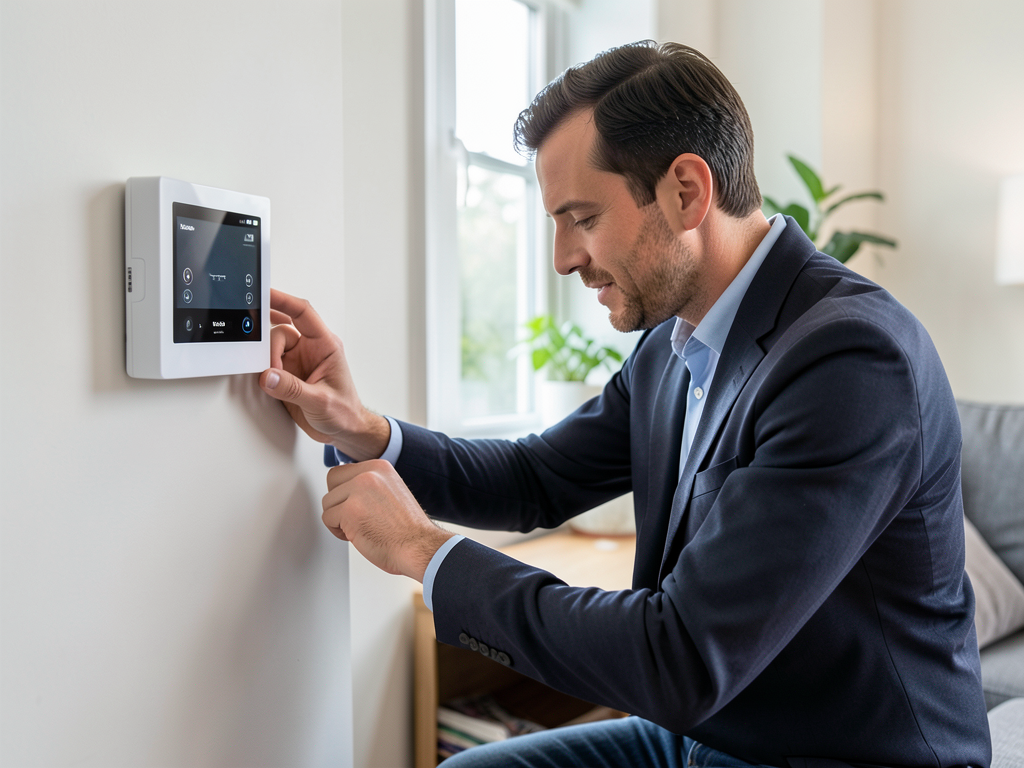
Peak HVAC Seattle installs smart thermostats as part of a system optimization process, not just a device swap. We start by evaluating your existing HVAC equipment to confirm compatibility. Some older furnaces and heat pumps require a common wire (C-wire) installation before a smart thermostat will function properly. We test voltage at your existing thermostat location and verify wiring configurations to prevent installation failures.

Next, we program the device based on your actual occupancy patterns. Generic factory settings assume you follow a 9-to-5 schedule, but Seattle residents work from home, commute at odd hours, or travel frequently. We configure geofencing parameters that detect when you leave your home near Green Lake or the University District, triggering energy-saving setbacks automatically. The system learns your preferences over time, adjusting temperature ramp rates to ensure comfort when you arrive.

Smart thermostats communicate with your HVAC equipment using sophisticated algorithms that prevent short cycling. Traditional thermostats turn systems on and off abruptly, causing wear on compressors and blower motors. Connected thermostats use variable speed control and staged heating to extend equipment life. This matters in Seattle because our mild winters mean your furnace cycles more frequently than systems in colder climates, increasing wear patterns.

We integrate humidity sensors that work with your existing ventilation system. Seattle's average 75% humidity levels create condensation problems in ductwork and can promote mold growth. Smart thermostats monitor indoor humidity and adjust fan speeds to maintain optimal levels, protecting your home and improving air quality.

The benefits of connected thermostats include usage reports that show exactly when and how your system consumes energy. You see spikes caused by inefficient settings or equipment problems, giving you actionable data instead of just higher bills.

What Happens During Your Smart Thermostat Installation

Smart Thermostat Benefits in Seattle – Cut Energy Bills While Navigating Pacific Northwest Climate Swings
01

System Compatibility Assessment

We inspect your current HVAC system to verify compatibility with smart thermostat technology. This includes testing electrical connections, identifying your heating and cooling stages, and determining if your system requires a common wire installation. We photograph your existing thermostat wiring and label each connection to ensure accurate installation. Many Seattle homes have heat pumps with auxiliary heat strips that require specific wiring configurations for smart thermostats to function correctly.
02

Custom Configuration Setup

After installing the physical device, we program your smart thermostat based on your household schedule and comfort preferences. We configure geofencing boundaries, set temperature thresholds for each schedule period, and enable energy-saving features that match Seattle's climate patterns. We connect the device to your home WiFi network and verify cloud connectivity for remote access. We test heating and cooling cycles to confirm proper communication between the thermostat and your HVAC equipment.
03

Training and Monitoring

We walk you through the mobile app interface and show you how to create custom schedules, read energy reports, and respond to system alerts. We explain how the learning algorithm adapts to your behavior over time and when to override automatic adjustments. We provide documentation on troubleshooting common issues and configure alert preferences so you receive notifications about maintenance needs or system problems. You leave with the knowledge to maximize energy savings and comfort control.

Why Peak HVAC Seattle Delivers Superior Smart Thermostat Installation

Generic smart thermostat installation creates problems. Technicians who do not understand HVAC systems treat these devices like simple electronics, ignoring the complex integration required for optimal performance. We see the results when homeowners call us to fix installations that never worked correctly. Improper wiring causes systems to run continuously or fail to heat during cold weather.

Peak HVAC Seattle brings HVAC expertise to every installation. We understand how heat pumps operate in Seattle's mild climate, where auxiliary heat strips should activate, and how to prevent short cycling that damages compressors. When we install a smart thermostat in a home near the Seattle waterfront, we account for the higher humidity levels that affect comfort perception. We configure humidity controls that prevent condensation problems common in Marine climate zones.

Seattle's older housing stock presents unique challenges. Many homes in Wallingford, Ravenna, and Madison Park have original heating systems installed 30 to 40 years ago. These systems lack the common wire that modern smart thermostats require. We install the necessary wiring without damaging vintage plaster walls or requiring extensive drywall repair. We know how to route wiring through crawl spaces typical of Seattle bungalows and Craftsman homes.

We stay current on local utility programs. Seattle City Light offers rebates for smart thermostat installations that meet specific efficiency criteria. We ensure your installation qualifies and help you navigate the rebate application process. Many homeowners leave money on the table because installers do not know these programs exist.

Our technicians understand the difference between heat pump configurations and forced air furnaces. Seattle homes use both, and smart thermostats require different programming for each system type. We test auxiliary heat activation points to prevent expensive electric resistance heating from running unnecessarily during mild weather.

What You Get with Professional Smart Thermostat Installation

Same-Day Installation Availability

We schedule most smart thermostat installations within 48 hours of your call. Installation typically takes 90 minutes to two hours, depending on whether we need to install a common wire or modify existing wiring. We arrive with the necessary tools and materials to complete the job in one visit, including wire fishing equipment for routing new connections through walls. You do not wait days for parts or return visits. We test all system functions before leaving to ensure your heating and cooling respond correctly to thermostat commands.

Comprehensive System Evaluation

Before installing your smart thermostat, we inspect your HVAC system for underlying problems that could affect performance. We check furnace ignition sequences, test heat pump defrost cycles, and measure airflow at supply registers. If your system shows signs of wear or malfunction, we explain the issues and how they will impact smart thermostat performance. We verify that your heating and cooling capacity matches your home size and insulation levels. This evaluation prevents situations where you blame the thermostat for problems caused by inadequate equipment or ductwork issues.

Optimized Energy Savings

Your smart thermostat installation includes custom programming that maximizes energy efficiency for Seattle's climate. We configure temperature setbacks that align with your actual schedule, not generic defaults. We enable adaptive recovery features that calculate how long your system needs to reach target temperatures, preventing unnecessary runtime. We set up energy usage alerts that notify you when consumption exceeds normal patterns, helping you identify problems early. Most customers see 15 to 20 percent reductions in heating and cooling costs within the first billing cycle after installation.

Ongoing Technical Support

We provide unlimited technical support for the smart thermostats we install. When you have questions about programming changes or system alerts, you call us directly instead of navigating manufacturer support lines. We monitor your system remotely when you grant access, allowing us to diagnose problems without an in-home visit. We send reminders for filter changes and seasonal maintenance based on your system's actual runtime data. If your thermostat detects a system problem, we receive the alert and contact you to schedule repairs before you experience comfort loss or equipment failure.

Frequently Asked Questions

You Have Questions,
We Have Answers

Which is the main benefit of the smart thermostat? +

The main benefit is energy savings. Smart thermostats learn your schedule and adjust heating and cooling automatically. In Seattle, where mild temperatures mean your HVAC runs less than extreme climates, you still save 10-15% on energy bills by eliminating waste. The thermostat detects when you leave for work and stops heating an empty house. It warms up before you return. You control it remotely from your phone, so you can adjust settings from anywhere. This precision means your system runs only when needed, cutting utility costs month after month.

What are the disadvantages of a smart thermostat? +

The main disadvantage is upfront cost. Smart thermostats run $120-250, plus installation if your wiring is incompatible. Some older HVAC systems in Seattle homes lack a C-wire, which powers the smart thermostat continuously. You may need an adapter or rewiring. Wi-Fi dependency is another issue. If your internet drops, remote features stop working. The learning curve frustrates some homeowners who prefer simple dials. Compatibility problems exist with certain furnace types, particularly older oil or electric baseboard systems common in Seattle's older neighborhoods.

Is it worth installing a smart thermostat? +

Yes, for most Seattle homeowners. You recoup the cost within two to three years through lower energy bills. Seattle's mild climate and high electricity rates make efficiency gains meaningful. Smart thermostats prevent wasteful heating when nobody is home, which happens often in commuter-heavy neighborhoods. Remote control means you adjust temperatures before arriving home, so you walk into comfort without wasting energy all day. The data insights show exactly when your system runs and why. If you plan to stay in your home long-term, the payback is clear.

Does a smart thermostat increase home value? +

Yes, modestly. Home buyers in Seattle value energy efficiency and modern technology. A smart thermostat signals that the home is updated and efficient. Appraisers do not assign significant dollar values to thermostats alone, but they contribute to overall appeal. In competitive Seattle neighborhoods, small upgrades differentiate listings. Buyers see smart thermostats as convenient and cost-saving. The device itself adds $50-100 in perceived value, but the real benefit is making your home more attractive to tech-savvy buyers who expect modern features. It is a small investment with broad appeal.

What happens to a smart thermostat if Wi-Fi goes down? +

The thermostat continues basic heating and cooling functions. You lose remote access, so you cannot adjust settings from your phone or receive alerts. Scheduling still works because the thermostat stores your programmed schedule locally. In Seattle, where internet outages are rare but do happen during winter storms, your HVAC keeps running on its last settings. You manually adjust temperature at the device itself, just like an old thermostat. Learning features pause since the device cannot analyze data or sync with weather forecasts. Once Wi-Fi returns, remote features resume immediately.

Can you just replace a thermostat with a smart thermostat? +

Sometimes, but not always. Many Seattle homes built before 2000 lack a C-wire, which provides constant power to smart thermostats. Without it, you need an adapter or a professional to rewire. Voltage matters too. Most systems use 24-volt wiring, but some older electric baseboards or line-voltage systems are incompatible. Check your existing wiring before buying. If you see four or more wires behind your current thermostat, replacement is usually straightforward. If you see only two wires, you need an HVAC technician to assess compatibility and install correctly.

Should I upgrade to a smart thermostat? +

Yes, if you want lower energy bills and remote control. Seattle homeowners benefit from automated scheduling that adjusts to rainy commutes and variable weather. If you travel often or work irregular hours, smart thermostats eliminate guesswork. They adapt to your routine and stop heating empty rooms. Older programmable thermostats require manual adjustments, which most people ignore. Smart models handle it automatically. If your current thermostat is over ten years old or you forget to adjust it seasonally, upgrading pays off. You gain convenience and savings without thinking about it daily.

Can a thermostat cause a high electric bill? +

Yes, if it malfunctions or is programmed incorrectly. A thermostat stuck in heating mode runs your furnace continuously, spiking bills. Incorrect temperature differentials cause short cycling, where your system turns on and off rapidly, wasting electricity. In Seattle, where heating costs dominate winter bills, a faulty thermostat that calls for heat too often or at wrong times adds $50-100 monthly. Dust buildup or bad wiring also causes false readings. If your bill jumps suddenly, check thermostat settings first. Replace batteries and confirm the schedule matches your actual routine.

Do smart thermostats still work without Wi-Fi? +

Yes, for basic functions. Smart thermostats store your heating and cooling schedule locally, so programmed temperature changes happen even offline. Manual adjustments work at the device itself. You lose remote access, mobile app control, and learning features that analyze usage patterns. Weather-based adjustments stop since the thermostat cannot pull forecast data. In Seattle, where microclimates vary by neighborhood, this means less precision. The system reverts to simple programmable thermostat behavior. Once Wi-Fi reconnects, smart features resume. Your home stays comfortable, but you lose optimization and convenience temporarily.

Why Seattle's Marine Climate Makes Smart Thermostat Benefits Essential

Seattle experiences 150 days of measurable precipitation annually, creating constant humidity fluctuations that traditional thermostats cannot manage effectively. Your HVAC system works harder during these wet periods, cycling more frequently to maintain comfort. Smart thermostats monitor outdoor weather conditions through internet connectivity and adjust indoor climate control proactively. When morning fog blankets neighborhoods near Puget Sound, the value of smart thermostats becomes clear as they prevent your system from overcorrecting for temporary temperature drops. The mild but variable climate means your heating system never truly goes dormant, making efficient control critical for managing energy costs year-round.

Peak HVAC Seattle understands how local building codes and Seattle's push toward energy efficiency affect your HVAC choices. The city's climate action plan encourages smart home technology adoption, and we stay current on available incentives through Seattle City Light and Puget Sound Energy. We install smart thermostats in homes throughout Capitol Hill, West Seattle, and Magnolia, giving us direct experience with the construction styles and heating systems common to each neighborhood. Our technicians know which thermostat models work best with the hydronic heating systems found in older Seattle buildings and which integrate seamlessly with modern heat pump installations.
HVAC Services in The Seattle Area

Conveniently located to serve the greater Seattle area, Peak HVAC Seattle is dedicated to providing reliable and prompt services to our community. Our local presence ensures we can respond quickly to your needs, delivering expert heating and cooling solutions right to your doorstep. Whether you’re a homeowner or business owner, we’re committed to being your trusted, neighborhood HVAC partner for a perfectly comfortable indoor environment.

Address:
Peak HVAC Seattle, 401 Broadway E, Seattle, WA, 98102

Additional Services We Offer

Our news updates

Latest Articles & News from The Blogs

How a modern HVAC system helps your Mercer Island home sell faster during a staging Buyers walking through your Mercer…

How a modern HVAC system helps your Mercer Island home sell faster during a staging

How a modern HVAC system helps your Mercer Island home sell faster during a staging Buyers walking through your Mercer…

Safe ventilation for woodworking and metal shops in Georgetown garages

Georgetown’s industrial heritage and maker culture mean many Seattle residents have converted their garages into woodworking or metal shops. But…

Integrating your security system with your HVAC for a safer Somerset home in 2026

Integrating your security system with your HVAC for a safer Somerset home in 2026 Smart home technology is evolving fast…

Contact Us

Stop wasting money on inefficient heating and cooling. Call Peak HVAC Seattle at (564) 220-5899 to schedule your smart thermostat installation. We will evaluate your system, recommend the right device for your home, and complete installation within days. Get precise climate control and lower energy bills starting this month.