




Menu

Commercial Duct Cleaning in Seattle – Minimize Downtime with Industrial-Grade HVAC Solutions

Peak HVAC Seattle delivers commercial duct cleaning, commercial air vent cleaning, and industrial ductwork cleaning designed to keep your operations running, your air quality compliant, and your energy costs predictable across the greater Seattle metro.

Slider Image 1
Slider Image 2
Slider Image 3
Slider Image 4
Slider Image 5
Slider Image 7
Slider Image 8
Slider Image 9
Slider Image 10
Slider Image 11

Why Seattle Commercial Buildings Require Specialized Ductwork Cleaning

Seattle's marine climate creates a unique challenge for commercial HVAC systems. The constant humidity from Puget Sound combined with mild, damp winters allows mold spores, bacteria, and airborne particulate to accumulate inside commercial ductwork faster than in arid climates. When you add the fine volcanic ash from Mount Rainier, pollen from Douglas fir forests, and urban diesel particulate from port traffic, your ventilation system becomes a collection point for contaminants that degrade indoor air quality and reduce system efficiency.

For commercial facilities in South Lake Union, Georgetown, and the Industrial District, contaminated ducts create three liability points. First, poor air quality triggers tenant complaints and potential OSHA scrutiny. Second, restricted airflow forces your HVAC system to work harder, increasing energy consumption by 15 to 30 percent. Third, accumulated debris becomes a fire hazard in restaurants, manufacturing spaces, and warehouses where grease, dust, or chemical residues enter the air stream.

Industrial air duct cleaning is not optional maintenance. It is risk mitigation. When your system moves contaminated air through a 50,000-square-foot office building or a multi-tenant retail complex, you are circulating allergens, pathogens, and particulate that impact productivity, increase sick days, and create legal exposure. Commercial air vent cleaning addresses the problem at the source, removing the biological and chemical load before it reaches occupied spaces.

Seattle's Building Code and ASHRAE Standard 62.1 require adequate ventilation rates for commercial occupancies. Clogged ductwork undermines compliance, reduces fresh air exchange, and creates negative pressure imbalances that pull in unconditioned outdoor air, spiking heating costs during winter months.

Why Seattle Commercial Buildings Require Specialized Ductwork Cleaning
How Peak HVAC Seattle Executes Commercial HVAC Duct Cleaning

How Peak HVAC Seattle Executes Commercial HVAC Duct Cleaning

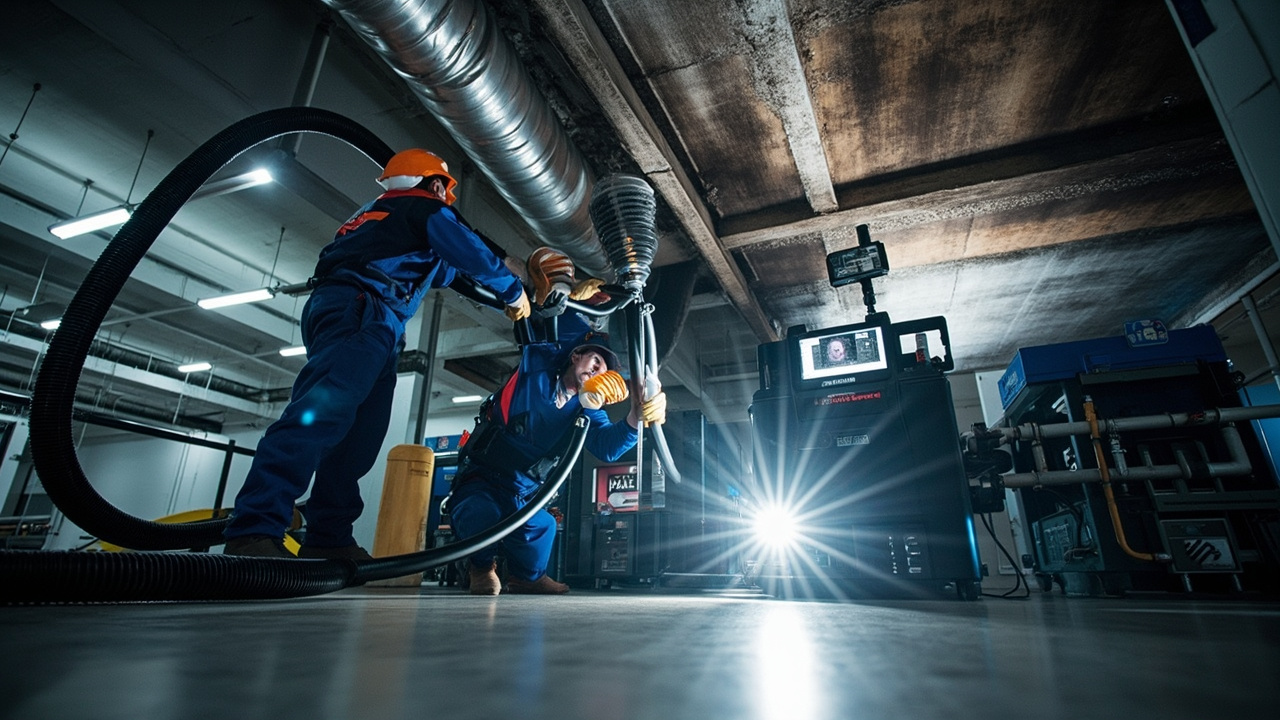
Peak HVAC Seattle uses source removal methodology, not masking agents or chemical fogging. We deploy truck-mounted negative air machines rated at 10,000 CFM or higher, creating controlled negative pressure inside your ductwork to prevent cross-contamination during cleaning. Our technicians insert rotating brush systems and compressed air whips into each branch of your supply and return plenums, dislodging embedded particulate, biofilm, and construction debris. The debris is captured in HEPA-filtered collection units before it enters your workspace.

We begin with a video inspection using push-camera systems to document pre-cleaning conditions and identify problem areas like collapsed flex duct, disconnected joints, or mold growth on interior insulation. This footage becomes part of your compliance documentation and helps you justify the expense to stakeholders or auditors.

For industrial ductwork cleaning in food processing plants, pharmaceutical facilities, or clean rooms, we follow NADCA ACR 2013 standards and use antimicrobial treatments only after mechanical cleaning is complete. We never apply biocides to dirty surfaces, which reduces effectiveness and creates chemical residue that off-gasses into occupied spaces.

Commercial ductwork cleaning requires coordination with your operations team. We schedule work during off-hours or in phases to avoid disrupting your business. For multi-story office buildings, we isolate floors using temporary barriers and sequence the work to maintain ventilation in occupied zones. Our crews arrive with containment equipment, floor protection, and confined space entry certifications for rooftop air handlers or below-grade mechanical rooms.

After cleaning, we reseal access panels with gaskets, verify airflow balance using digital manometers, and provide a written report with before-and-after images, waste disposal receipts, and recommended maintenance intervals based on your building use and occupancy density.

What Happens During Your Commercial HVAC Duct Cleaning Service

Commercial Duct Cleaning in Seattle – Minimize Downtime with Industrial-Grade HVAC Solutions
01

Pre-Cleaning System Assessment

Our technicians perform a walkthrough to map your HVAC zones, locate all access points, and identify any asbestos-containing materials or lead paint that requires abatement protocols. We test static pressure, measure airflow at diffusers, and document existing conditions with thermal imaging to detect hidden leaks or insulation failures. This data establishes a performance baseline and helps us tailor the cleaning scope to your system configuration.
02

Mechanical Debris Removal

We create access points in your main trunk lines and branch ducts, then use rotating brush systems, pneumatic agitation tools, and HEPA-filtered vacuum collection to remove accumulated dust, pollen, construction debris, and microbial growth. Our crews clean supply ducts, return air plenums, grilles, diffusers, coils, drain pans, and blower assemblies. We bag and dispose of all waste according to Seattle solid waste regulations and provide disposal documentation for your facility records.
03

System Verification and Reporting

After cleaning, we conduct a post-service video inspection to verify debris removal and check for any structural issues that require repair. We reseal all access points, replace filters with high-efficiency media, and rebalance airflow to meet design specifications. You receive a comprehensive report with photographic evidence, air quality improvement data, and a maintenance schedule tailored to your facility type and occupancy load. This documentation supports your ESG reporting and lease compliance obligations.

Why Seattle Facility Managers Choose Peak HVAC for Industrial Air Duct Cleaning

Peak HVAC Seattle understands the operational constraints of commercial buildings in King County. We work with property managers in Belltown, Capitol Hill, and the University District who cannot afford extended downtime or tenant disruptions. Our crews carry commercial general liability coverage, follow OSHA confined space protocols, and coordinate with building engineers to maintain life safety systems during cleaning operations.

Seattle's mix of historic buildings and modern high-rises creates unique challenges. Older structures in Pioneer Square or the International District often have galvanized steel ductwork with decades of accumulated rust, scale, and lead-based paint residue. We use non-abrasive cleaning methods that preserve the integrity of aging systems while removing hazardous materials. For newer LEED-certified buildings in South Lake Union, we protect low-emission finishes and maintain IAQ credits by using Green Seal-certified cleaning products and zero-VOC sealants.

We know Seattle's mechanical codes. The Seattle Department of Construction and Inspections requires mechanical permits for major duct modifications, and we coordinate inspections when access panel installation requires structural penetrations. Our technicians understand Washington State energy code requirements for duct sealing and insulation, which directly impact your building's energy performance and utility incentive eligibility.

Local expertise matters when you are cleaning a 100,000-square-foot warehouse in SoDo or a mixed-use tower in downtown Seattle. We account for seismic bracing requirements, coordinate with freight elevator schedules, and work around your loading dock operations. Our response time for emergency cleanings after water intrusion, fire damage, or construction contamination averages under four hours for Seattle-area facilities.

Peak HVAC Seattle is a locally owned business. We do not subcontract labor, and our technicians receive ongoing training in EPA Lead-Safe practices, NADCA certification standards, and ASHRAE ventilation guidelines. You work directly with our project managers from quote to completion, ensuring accountability and consistent quality.

What to Expect When You Schedule Commercial Ductwork Cleaning in Seattle

Scheduling and Project Timeline

Most commercial duct cleaning projects in Seattle take one to three days depending on system size and building occupancy. We schedule work during evenings, weekends, or planned shutdowns to avoid disrupting your operations. For phased projects, we clean one zone at a time while maintaining ventilation in occupied areas. You receive a detailed project schedule that outlines access requirements, power needs, and coordination points with your facilities team. Emergency cleanings after water damage or fire can begin within hours of your call.

On-Site Assessment and Scope Confirmation

Before we start cleaning, our technicians conduct a detailed walkthrough to confirm the scope of work, identify any safety hazards, and answer questions from your building engineer or property manager. We review access points, discuss containment strategies, and verify that our equipment will not overload your electrical panels or interfere with fire alarm systems. You receive a written scope document that outlines what will be cleaned, what materials will be used, and what results you can expect. This prevents scope creep and ensures you get exactly what you paid for.

Air Quality and System Performance Improvement

After commercial HVAC duct cleaning, you will notice immediate improvements in airflow, temperature consistency, and indoor air quality. Tenants report fewer respiratory complaints, and your HVAC system runs quieter and more efficiently. Energy consumption typically drops by 10 to 25 percent as your air handlers no longer strain against clogged filters and restricted ductwork. We provide before-and-after static pressure readings and airflow measurements to quantify the improvement. This data supports your energy audit documentation and helps you track ROI on the cleaning investment.

Maintenance Planning and Follow-Up Inspections

Peak HVAC Seattle provides a maintenance schedule based on your building type, occupancy load, and air quality goals. High-traffic retail spaces and restaurants may require annual cleaning, while office buildings with lower particulate loads can extend intervals to two or three years. We offer inspection services to monitor duct conditions between cleanings and catch problems early. Our maintenance contracts include priority scheduling, discounted rates, and automatic reminders when your next service is due. This proactive approach prevents emergency failures, extends equipment life, and keeps your facility compliant with lease requirements and tenant expectations.

Frequently Asked Questions

You Have Questions,
We Have Answers

How much does commercial duct cleaning cost? +

Commercial duct cleaning costs vary based on system size, building square footage, contamination level, and accessibility. Expect pricing factors to include linear footage of ductwork, number of air handlers, and whether your facility requires off-hours service to minimize downtime. Seattle buildings with older HVAC systems or multi-story configurations typically require more labor. Request an on-site assessment for accurate pricing. Most contractors calculate costs per square foot or per vent. Factor in potential energy savings and reduced liability from improved indoor air quality when evaluating ROI for your facility.

How often should commercial HVAC ducts be cleaned? +

NADCA recommends commercial duct cleaning every three to five years under normal conditions. High-traffic Seattle facilities like restaurants, medical offices, or manufacturing plants may require annual service due to accelerated contaminant buildup. Buildings near waterfront areas or heavy traffic corridors accumulate particulates faster. Schedule cleaning after renovations, water damage events, or if you notice decreased airflow. Facilities with sensitive operations or immune-compromised occupants should maintain stricter schedules. Document cleaning intervals to satisfy insurance requirements and maintain code compliance. Adjust frequency based on filter inspection results and occupancy changes.

What are the drawbacks of duct cleaning? +

Improper duct cleaning can damage flexible ductwork, dislodge mold spores, or spread contaminants if containment protocols fail. Unqualified contractors may miss critical areas or use excessive vacuum pressure that separates joints. The service disrupts building operations and requires HVAC system shutdown. Some Seattle buildings with asbestos-wrapped ducts need specialized abatement before cleaning. Costs can strain maintenance budgets without documented IAQ improvements. If underlying moisture problems or poor filtration remain unaddressed, ducts recontaminate quickly. Choose NADCA-certified contractors who follow source removal methods and provide pre- and post-cleaning documentation to mitigate these risks.

How much does Stanley Steemer charge to clean air ducts? +

Stanley Steemer pricing varies by location and project scope. For Seattle commercial properties, request a site-specific quote directly from their local franchise. National residential pricing does not translate to commercial applications due to system complexity differences. Commercial duct cleaning requires specialized equipment, NADCA certification, and often off-hours scheduling that affects labor costs. Compare multiple licensed contractors familiar with Washington State commercial building codes. Evaluate proposals based on scope of work, not just price. Verify insurance coverage, certifications, and references from similar Seattle commercial properties before selecting a vendor.

What is the 2 foot rule for ducts? +

The two-foot rule states that supply and return grilles should maintain minimum two-foot clearance from obstructions to ensure proper airflow and system efficiency. In commercial settings, this applies to furniture placement, storage, and equipment positioning near vents. Seattle office buildings often violate this guideline during space reconfigurations, creating pressure imbalances and dead zones. Blocked returns force HVAC systems to work harder, increasing energy costs and reducing lifespan. During duct cleaning, technicians identify clearance violations that compromise system performance. Maintain this clearance to optimize the cleaning investment and prevent rapid recontamination.

What time of year is best for duct cleaning? +

Late spring or early fall offers ideal timing for commercial duct cleaning in Seattle. Schedule service before peak cooling or heating seasons to maximize system efficiency when demand increases. Mild weather allows building operation with reduced HVAC reliance during service disruptions. Avoid winter months when heating system downtime affects tenant comfort and pipes risk freezing. Spring cleaning removes winter dust accumulation and pollen before summer ventilation needs increase. Seattle's marine climate means moisture control matters year-round. Coordinate with planned maintenance shutdowns or low-occupancy periods to minimize business interruption and capitalize on existing downtime.

What are the signs air ducts need cleaning? +

Visible dust discharge from vents signals contaminated ductwork needing attention. Musty odors when the system starts indicate mold growth, common in Seattle's humid climate. Increased respiratory complaints from occupants or uneven heating and cooling across zones suggest blockages. Check registers for dust buildup, rodent droppings, or debris accumulation. Rising energy costs without usage changes often trace to restricted airflow from dirty ducts. Post-construction or renovation projects leave drywall dust and debris requiring immediate cleaning. Black streaking around vents indicates particulate blowback. Schedule inspection if filters clog faster than normal intervals.

How Seattle's Port Traffic and Marine Climate Accelerate Commercial Duct Contamination

Seattle's proximity to the Port of Seattle and the Duwamish Waterway exposes commercial buildings to diesel particulate, salt spray, and industrial emissions that infiltrate HVAC systems through rooftop air intakes. Buildings in Georgetown, SoDo, and the Industrial District experience higher contamination rates due to freight traffic, rail yards, and marine vessel emissions. The marine climate keeps relative humidity above 70 percent for much of the year, creating ideal conditions for mold growth inside ductwork insulation and drain pans. Commercial ductwork cleaning in Seattle must address both particulate contamination and biological growth to maintain IAQ standards and protect tenant health.

Peak HVAC Seattle understands the unique mechanical systems common in Seattle's commercial building stock. We work with property managers who maintain the city's mix of pre-war brick buildings, mid-century office towers, and modern glass high-rises. Our technicians know how to navigate tight mechanical rooms in historic structures and coordinate with union building engineers in Class A office towers. We carry the insurance coverage and safety certifications required by major property management firms and comply with Seattle's stringent environmental regulations for waste disposal and chemical use. Local expertise matters when you are cleaning ductwork in a building with shared ventilation systems, seismic upgrades, or historic preservation restrictions.
HVAC Services in The Seattle Area

Conveniently located to serve the greater Seattle area, Peak HVAC Seattle is dedicated to providing reliable and prompt services to our community. Our local presence ensures we can respond quickly to your needs, delivering expert heating and cooling solutions right to your doorstep. Whether you’re a homeowner or business owner, we’re committed to being your trusted, neighborhood HVAC partner for a perfectly comfortable indoor environment.

Address:
Peak HVAC Seattle, 401 Broadway E, Seattle, WA, 98102

Additional Services We Offer

Our news updates

Latest Articles & News from The Blogs

How a modern HVAC system helps your Mercer Island home sell faster during a staging Buyers walking through your Mercer…

How a modern HVAC system helps your Mercer Island home sell faster during a staging

How a modern HVAC system helps your Mercer Island home sell faster during a staging Buyers walking through your Mercer…

Safe ventilation for woodworking and metal shops in Georgetown garages

Georgetown’s industrial heritage and maker culture mean many Seattle residents have converted their garages into woodworking or metal shops. But…

Integrating your security system with your HVAC for a safer Somerset home in 2026

Integrating your security system with your HVAC for a safer Somerset home in 2026 Smart home technology is evolving fast…

Contact Us

Call Peak HVAC Seattle at (564) 220-5899 to schedule your commercial air vent cleaning, industrial ductwork cleaning, or emergency contamination response. We provide detailed quotes, flexible scheduling, and compliance documentation for Seattle-area facility managers.