





Menu

AC Blowing Warm Air in Seattle – Expert Diagnosis and Same-Day Repair

Peak HVAC Seattle technicians identify the root cause of your air conditioner blowing hot air and restore cold airflow fast, using precision diagnostics and Seattle-specific climate expertise to fix the problem right the first time.

Slider Image 1
Slider Image 2
Slider Image 3
Slider Image 4
Slider Image 5
Slider Image 7
Slider Image 8
Slider Image 9
Slider Image 10
Slider Image 11

Why Your AC Is Blowing Warm Air in Seattle's Summer Heat

You flip the thermostat down. The system hums. The vents push air. But instead of cold relief, you get a blast of lukewarm disappointment.

This is not normal.

When your air conditioner is blowing hot air, the problem is rarely simple. Seattle summers may be mild compared to other regions, but when temperatures climb into the 80s and 90s, homes without proper cooling become uncomfortable fast. The issue gets worse when your ac is running but not cooling because indoor heat builds with no escape.

Common culprits include refrigerant leaks, failed compressors, clogged condensers, and thermostat malfunctions. Each one presents differently. A refrigerant leak means your system has lost the chemical needed to absorb heat. A bad compressor means the refrigerant never gets pressurized. A clogged condenser means heat cannot dissipate outside.

Seattle's marine climate adds another layer. High humidity during summer months makes warm indoor air feel heavier and more oppressive. When your central air is blowing warm air instead of dehumidified cold air, the discomfort multiplies. You sweat more. Sleep suffers. Productivity drops.

Ignoring the problem does not make it cheaper. Running an air conditioning system that is not blowing cold air wastes energy and accelerates wear on the compressor. The longer you wait, the more expensive the repair becomes. What starts as a refrigerant top-off can escalate into a full compressor replacement if the system runs dry for too long.

You need a diagnosis. You need it done correctly. You need someone who understands how Seattle's climate impacts HVAC performance.

Why Your AC Is Blowing Warm Air in Seattle's Summer Heat
How Peak HVAC Seattle Diagnoses and Fixes Warm Air Problems

How Peak HVAC Seattle Diagnoses and Fixes Warm Air Problems

We do not guess. We measure.

When your ac vents are blowing hot air, the problem could be in the refrigerant circuit, the compressor, the expansion valve, the condenser coil, the evaporator coil, or the thermostat. Each component requires a different repair. Throwing parts at the problem wastes your money.

Our technicians start with a full system pressure test. We connect manifold gauges to the service ports and measure subcooling and superheat. These numbers tell us whether the refrigerant charge is correct, whether the compressor is functioning, and whether the metering device is restricting flow properly.

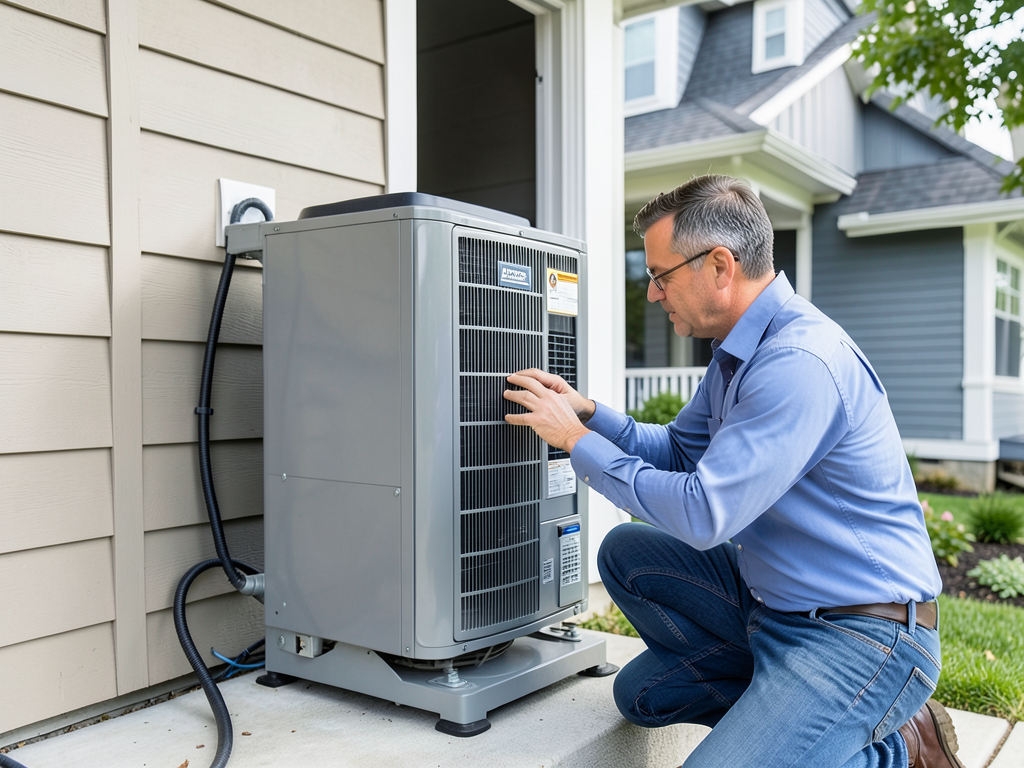
Next, we inspect the condenser unit outside. Dirt, pollen, and cottonwood seeds accumulate on the coil fins in Seattle. A clogged condenser cannot reject heat, which causes high head pressure and warm air at the vents. We check airflow, clean the coils, and verify the condenser fan motor is spinning at the correct RPM.

Inside, we test the evaporator coil for ice buildup. A frozen evaporator blocks airflow and prevents heat absorption. This happens when refrigerant flow is restricted or when airflow across the coil is too low. We measure static pressure in the ductwork to rule out airflow restrictions caused by dirty filters or closed dampers.

We also verify thermostat calibration. A miscalibrated thermostat can cause the compressor to short-cycle or fail to engage. We check wiring, test voltage at the contactor, and confirm the reversing valve is not stuck in heating mode.

Once we identify the root cause, we explain the repair in plain terms. You get a clear diagnosis, a fair price, and a fix that lasts.

What Happens During Your Warm Air Repair

AC Blowing Warm Air in Seattle – Expert Diagnosis and Same-Day Repair
01

System Pressure Testing

Our technician connects manifold gauges to your system and measures refrigerant pressures on both the high and low sides. These readings reveal whether your system is undercharged, overcharged, or experiencing a mechanical failure. We compare the data against manufacturer specifications for your exact model and Seattle's ambient temperature conditions. This step eliminates guesswork and pinpoints the problem in minutes.
02

Component Inspection and Testing

We inspect the condenser coil, evaporator coil, compressor, expansion valve, and thermostat wiring. We test the condenser fan motor for proper rotation and amperage draw. We check for refrigerant leaks using electronic leak detectors and UV dye. We verify the evaporator coil is not frozen and that airflow is unrestricted. Each component gets tested individually to isolate the failure point and determine the correct repair path.
03

Repair and Airflow Verification

Once we complete the repair, we recharge the system to the precise refrigerant weight specified by the manufacturer. We run the system and measure supply air temperature at the vents, verifying it reaches 55 to 60 degrees. We confirm subcooling and superheat fall within acceptable ranges. Before we leave, you feel cold air flowing from every vent, and we give you a clear explanation of what we fixed.

Why Seattle Homeowners Trust Peak HVAC for AC Repairs

Seattle is not Phoenix. You do not need an oversized system designed for 120-degree heat. You need a technician who understands how Seattle's mild but humid summers stress HVAC equipment in unique ways.

Our team has repaired thousands of systems across Capitol Hill, Ballard, Fremont, Queen Anne, and West Seattle. We know how older homes with minimal insulation struggle to maintain temperature. We know how newer construction with tight building envelopes can trap humidity when the AC fails. We know how cottonwood pollen clogs condenser coils every June.

This local knowledge matters because cookie-cutter repairs fail. A technician trained in a different climate might overcharge your system or misdiagnose a compressor failure as a refrigerant leak. We test every variable specific to your equipment and your environment.

We also respect your time. When your air conditioner is blowing hot air, you do not want to wait three days for a diagnosis. We prioritize same-day service during peak season. Our trucks carry the most common repair parts, so we fix the problem on the first visit whenever possible.

You also get transparent pricing. We give you the cost before we start the repair. No surprises. No upselling. If your system is beyond economical repair, we tell you. If a simple fix solves the problem, we do not push you toward replacement.

Peak HVAC Seattle is not a national franchise. We are a local company. We live in the neighborhoods we serve. Our reputation depends on doing the job right, not upselling unnecessary equipment. That is why customers call us first when their central air is blowing warm air.

What to Expect When You Call Peak HVAC Seattle

Fast Response Times

We prioritize warm air complaints during summer months because we know discomfort escalates quickly. Most customers get a same-day appointment. Our dispatch team provides a two-hour arrival window, and our technicians call 20 minutes before arrival. We do not make you wait all day. We show up when we say we will, with a fully stocked truck ready to diagnose and repair your system on the first visit.

Thorough System Diagnostics

Our technicians perform a complete refrigerant circuit analysis, including subcooling and superheat measurements. We test compressor amperage, verify condenser fan operation, inspect coils for dirt and damage, and check thermostat calibration. We use electronic leak detectors and UV dye to locate refrigerant leaks. You get a written diagnosis that explains the problem in clear terms, along with a fixed-price repair quote before any work begins.

Cold Air Guaranteed

We do not leave until your system is blowing cold air. After completing the repair, we measure supply air temperature at the vents to confirm it falls between 55 and 60 degrees. We verify airflow is balanced across all registers and that the thermostat cycles the compressor correctly. You feel the difference immediately. If the problem returns within the warranty period, we come back and fix it at no additional charge.

Maintenance Plans Available

Most warm air problems are preventable with annual maintenance. Our maintenance plans include refrigerant level checks, coil cleaning, filter replacement, and electrical testing. Plan members get priority scheduling, discounted repairs, and extended warranties on parts and labor. Regular maintenance extends the life of your equipment and prevents the sudden failures that leave you sweating through a Seattle heatwave. Ask about enrollment options when we complete your repair.

Frequently Asked Questions

You Have Questions,
We Have Answers

Why is my AC just blowing warm air? +

Your AC blows warm air when something disrupts the cooling cycle. The most common culprits are a dirty air filter restricting airflow, low refrigerant from a leak, a frozen evaporator coil, or a failed compressor. In Seattle's mild summers, homeowners often neglect filter changes because the system runs less than in hotter climates. This causes dust buildup that chokes airflow. Thermostat settings can also fool you. If the fan is set to ON instead of AUTO, it blows air even when not cooling. Check your filter first. If it's clogged, replace it and wait 30 minutes to see if cooling resumes.

How to reset AC not blowing cold air? +

Start by turning off your AC at the thermostat for five minutes. This lets the system power down completely. Next, locate your electrical panel and flip the breaker for your air conditioner off, then back on after 30 seconds. This hard reset clears minor electronic glitches. Go back to your thermostat and set it to COOL mode, at least five degrees below the current room temperature. Wait 15 minutes. If air from the vents stays warm, the issue goes deeper than a simple reset. You likely have low refrigerant, a frozen coil, or compressor failure that needs a technician to diagnose and repair properly.

Why is my AC blowing but not cooling? +

When your AC blows air but produces zero cooling, the compressor or refrigerant system has failed. The blower fan still pushes air through your ducts, but without the compressor circulating refrigerant, no heat exchange happens. This differs from reduced cooling. Totally warm air means the cooling cycle stopped completely. In Seattle, this often happens after a wet winter when outdoor units sit idle for months and internal seals dry out, causing refrigerant leaks. A frozen evaporator coil can also block cooling while the fan runs. Turn off the system to prevent compressor damage and call a technician to test refrigerant levels and inspect components.

How do I know if my AC is low on freon? +

Low refrigerant shows five clear signs. First, your AC runs constantly but never reaches the set temperature. Second, you see ice buildup on the refrigerant lines or evaporator coil inside the air handler. Third, hissing or bubbling sounds near the outdoor unit signal an active leak. Fourth, your energy bills spike because the system works harder for less cooling. Fifth, vents blow cool but not cold air. Refrigerant does not get used up like gas. If levels drop, you have a leak. In Seattle's older homes with original AC installs from the 1990s, corroded line sets often leak. A technician must find the leak, repair it, and recharge the system.

Should I turn off the AC if it blows hot air? +

Yes. Turn it off immediately. Running an AC that blows hot air can destroy the compressor, which costs $1,500 to $2,500 to replace. When refrigerant runs too low or the compressor overheats, the unit keeps trying to cool but only circulates stress through the system. This burns out motors and damages seals. In Seattle's moderate climate, you can tolerate a day or two without AC while waiting for repairs. Open windows at night when temperatures drop into the 50s and use fans during the day. Protect your investment by shutting down the system until a technician identifies whether you need refrigerant, a new compressor, or another repair.

What are signs of a failing AC compressor? +

A failing compressor makes loud grinding, clicking, or rattling noises when the AC tries to start. You might hear the outdoor fan spin but no compressor hum. The unit struggles to turn on, causing lights to flicker as it draws excessive power. Breakers trip repeatedly because the compressor pulls too many amps. Warm air blows from vents because the compressor cannot circulate refrigerant. In Seattle, compressors fail from lack of use during mild winters when moisture corrodes internal components. Age matters too. Most compressors last 12 to 15 years. If yours is older and showing these signs, replacement makes more financial sense than repeated repairs on a dying component.

Can I fix warm AC myself? +

You can handle three fixes yourself. Replace a dirty air filter, clear debris from around the outdoor condenser unit, and reset the breaker. These solve simple airflow and power issues. Beyond that, stop. Refrigerant work requires EPA certification because improper handling releases harmful chemicals and violates federal law. Diagnosing compressor failure, electrical faults, or refrigerant leaks needs specialized gauges and training. Seattle's HVAC systems often use heat pumps for both heating and cooling, adding complexity. Attempting DIY repairs on refrigerant lines or electrical components voids warranties and creates safety hazards. Call a licensed technician for anything beyond basic maintenance. The service call fee beats the cost of damaging your system.

What is the $5000 rule for AC? +

The $5,000 rule helps you decide between repair and replacement. Multiply the cost of the repair by the age of your AC unit. If the result exceeds $5,000, replace the system instead of repairing it. For example, if your 12-year-old AC needs a $1,200 compressor, that is $14,400, so replace the entire system. If your 6-year-old unit needs the same repair, that equals $7,200, borderline but still suggests replacement given Seattle's mild climate extends AC lifespan beyond the national average. This rule accounts for throwing money at an aging system that will need more repairs soon. A new AC includes warranties and efficiency gains that cut monthly energy costs.

How to manually reset an AC? +

Find your thermostat and switch it to OFF. Wait five full minutes for capacitors to discharge. Walk outside to your electrical panel and locate the breaker labeled AC, Air Conditioner, or Condenser. Flip it off, count to 30, and flip it back on. Return inside and set your thermostat to COOL mode, dropping the temperature at least five degrees below current room temperature. The system should click on within three minutes. Listen for the outdoor compressor to hum and feel the vents for cool air after 10 minutes. This manual reset clears software glitches and power surges. If cooling does not return, the problem is mechanical, not electrical.

Should I turn off AC if it's not cooling? +

Yes. Turn off your AC if it runs but produces no cooling. Continuing to operate a malfunctioning system damages the compressor, which accounts for 60% of repair costs. When refrigerant levels drop too low or the evaporator coil freezes, the compressor works against resistance that overheats and destroys internal components. Seattle's mild summer nights mean you can survive comfortably with windows open and fans running while you wait for repairs. Shutting down the AC also prevents frozen coils from worsening. Give the system at least four hours off before a technician arrives so any ice melts and they can accurately diagnose the root cause of the cooling failure.

How Seattle's Marine Climate Causes AC Warm Air Issues

Seattle sits in a marine climate zone where humidity spikes during summer months. When outdoor dew points climb above 60 degrees, air conditioners work harder to remove moisture. This increased load stresses the compressor and evaporator coil. A system running at maximum capacity is more likely to develop refrigerant leaks or compressor failures. Seattle's cottonwood trees release seeds every June that clog condenser coils, reducing heat rejection and causing warm air at the vents. These local factors make proper maintenance and timely repairs critical.

Peak HVAC Seattle has served the greater Seattle metro for years. We understand how Queen Anne's older homes need upgraded ductwork to support modern HVAC systems. We know how Ballard's proximity to Puget Sound increases humidity-related strain. We know how Capitol Hill's tight lot layouts limit condenser airflow. This local expertise means we diagnose problems faster and recommend solutions that work for Seattle's unique building stock and climate conditions. National chains send technicians trained for generic climates. We send technicians who live and work in your neighborhood.
HVAC Services in The Seattle Area

Conveniently located to serve the greater Seattle area, Peak HVAC Seattle is dedicated to providing reliable and prompt services to our community. Our local presence ensures we can respond quickly to your needs, delivering expert heating and cooling solutions right to your doorstep. Whether you’re a homeowner or business owner, we’re committed to being your trusted, neighborhood HVAC partner for a perfectly comfortable indoor environment.

Address:
Peak HVAC Seattle, 401 Broadway E, Seattle, WA, 98102

Additional Services We Offer

Our news updates

Latest Articles & News from The Blogs

How a modern HVAC system helps your Mercer Island home sell faster during a staging Buyers walking through your Mercer…

How a modern HVAC system helps your Mercer Island home sell faster during a staging

How a modern HVAC system helps your Mercer Island home sell faster during a staging Buyers walking through your Mercer…

Safe ventilation for woodworking and metal shops in Georgetown garages

Georgetown’s industrial heritage and maker culture mean many Seattle residents have converted their garages into woodworking or metal shops. But…

Integrating your security system with your HVAC for a safer Somerset home in 2026

Integrating your security system with your HVAC for a safer Somerset home in 2026 Smart home technology is evolving fast…

Contact Us

Your air conditioner should blow cold air. If it does not, call Peak HVAC Seattle at (564) 220-5899. We offer same-day diagnostics and repairs. Do not wait. The problem will not fix itself, and delaying repair only increases the cost.