
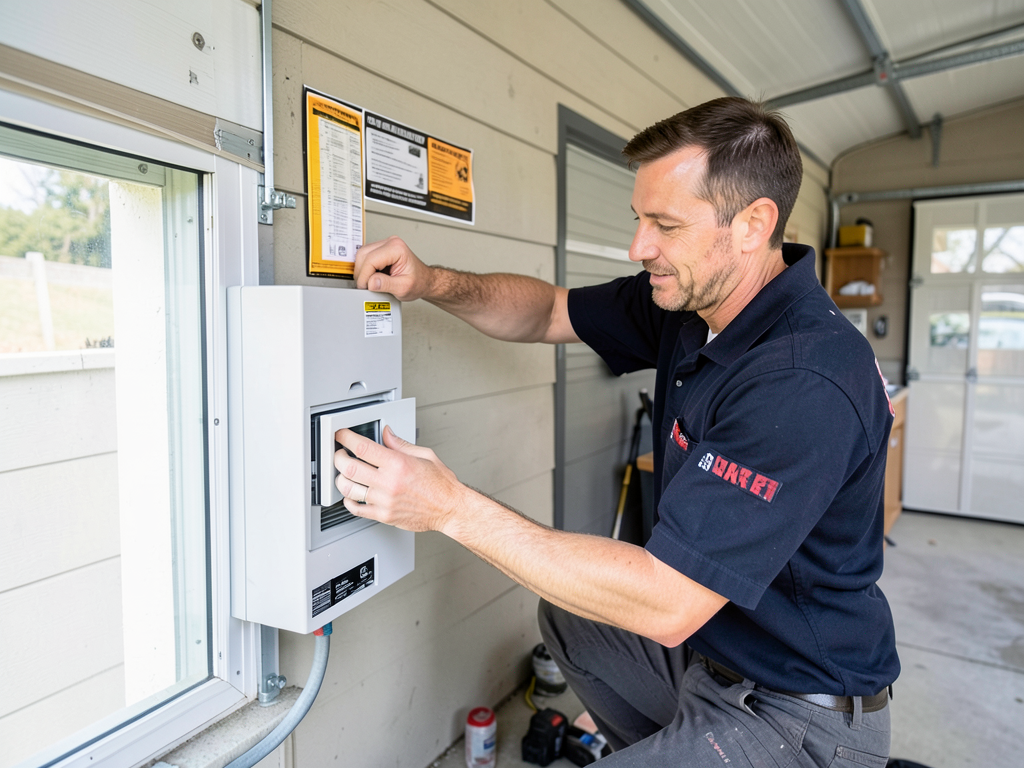
How to heat and cool your Broadview detached garage or workshop
Heating and cooling a detached garage in Broadview requires understanding Seattle’s unique climate and building requirements. The damp Pacific Northwest winters and increasingly warm summers make proper HVAC installation essential for protecting tools, vehicles, and creating comfortable workshop spaces. This guide covers everything from system selection to local permitting requirements. Seattle Department of Construction and Inspections.
Understanding Broadview’s climate impact on garage HVAC
Broadview’s location near Puget Sound means garages face high humidity levels year-round. The average relative humidity in Seattle ranges from 70-85%, creating conditions where condensation forms on cold surfaces. This moisture can damage tools, promote rust on vehicles, and create ideal conditions for mold growth in enclosed spaces.
During winter months, temperatures frequently drop below freezing, while summer heat domes have become more common. A properly sized HVAC system must handle both extremes while managing moisture levels specific to the Broadview area’s proximity to water bodies.
Best HVAC systems for Seattle garage workshops
Choosing the right heating and cooling system depends on your garage’s size, insulation quality, and intended use. Here are the most effective options for Broadview properties: The best air conditioning options for bungalows and cottages around Green Lake.
| System Type | Efficiency Rating | Installation Cost Range | Best For |
|---|---|---|---|
| Ductless Mini-Split | SEER2 18-24 | $3,500 – $7,000 | Year-round climate control |
| Electric Wall Heater | N/A | $500 – $1,500 | Supplemental heating only |
| Gas Unit Heater | 80-95% AFUE | $2,000 – $4,500 | Large workshops, quick heating |
| Heat Pump System | HSPF2 8.5+ | $4,000 – $8,500 | Energy-efficient year-round use |
Ductless mini-split systems have become the gold standard for garage HVAC in Seattle. These units provide both heating and cooling without requiring ductwork, making them ideal for detached structures. The inverter technology allows for precise temperature control and energy efficiency that can reduce operating costs by 30-40% compared to traditional systems.
Seattle-specific permitting requirements for garage HVAC
Installing HVAC in a detached garage in Broadview requires permits from the Seattle Department of Construction and Inspections (SDCI). The Washington State Mechanical Code (WAC 51-11) governs all installations, with specific requirements for detached structures. Washington State Mechanical Code.
Key permitting considerations include:
- Electrical circuit requirements: Most garage HVAC systems need a dedicated 240V circuit with proper amperage based on unit size
- Condensate drainage: Seattle code requires proper condensate disposal to prevent water damage and comply with local drainage regulations
- Ventilation standards: Mechanical ventilation must meet ASHRAE 62.2 requirements for acceptable indoor air quality
Before installation, you’ll need to submit mechanical plans showing equipment locations, electrical loads, and compliance with Seattle Energy Code requirements. The permitting process typically takes 2-4 weeks, and inspections are required at rough-in and final stages.
Insulation requirements for efficient garage heating and cooling
Proper insulation is critical for garage HVAC efficiency in Broadview’s climate. Without adequate insulation, even the best heating and cooling systems will struggle to maintain comfortable temperatures.
Recommended insulation levels for Seattle garages:
- Wall cavities: R-13 to R-21 fiberglass or spray foam insulation
- Garage door: R-8 to R-12 insulated panels
- Attic/ceiling: R-38 to R-49 depending on ceiling height
- Floor (if applicable): R-19 to R-30 for concrete slabs
Many Broadview garages built before 2000 have minimal insulation. Upgrading insulation before HVAC installation can reduce energy consumption by 25-40% and improve system performance significantly.
Moisture control and condensation prevention
Seattle’s high humidity creates unique challenges for garage HVAC systems. Without proper moisture management, condensation can form on HVAC components, windows, and stored items.
Effective moisture control strategies include:
- Installing a vapor barrier on warm-side walls to prevent moisture migration
- Using dehumidification mode on mini-split systems during shoulder seasons
- Ensuring proper condensate pump installation with dedicated drainage lines
- Maintaining indoor humidity between 40-60% using built-in humidity sensors
Many Broadview homeowners find that adding a small dedicated dehumidifier alongside their HVAC system provides the best moisture control, especially for woodworking shops or spaces with moisture-sensitive equipment.
Cost considerations and energy efficiency
The total cost of garage HVAC installation in Broadview varies based on several factors:
Equipment costs: Mini-split systems range from $1,500 to $4,000 for the equipment alone, while gas unit heaters typically cost $800 to $2,500. Heat pumps offer the best long-term value but have higher upfront costs.
Installation labor: Professional installation in the Seattle area typically costs $1,500 to $3,000, depending on complexity and whether electrical upgrades are needed.
Energy savings: High-efficiency systems with SEER2 ratings above 18 can reduce monthly energy costs by 30-50% compared to older or less efficient units. Puget Sound Energy offers rebates for qualifying high-efficiency equipment.
Safety considerations for garage HVAC installation
Safety is paramount when installing heating and cooling systems in enclosed garage spaces. Carbon monoxide detectors are required by Washington State law for any fuel-burning appliances, including gas unit heaters.
Additional safety measures include:
- Proper venting for gas appliances to prevent carbon monoxide buildup
- Electrical grounding and GFCI protection for all HVAC circuits
- Clearance requirements around heating equipment to prevent fire hazards
- Emergency shut-off switches located near entry points
Professional installation ensures compliance with all safety codes and provides peace of mind for Broadview homeowners using their garages for workshops or home gyms.
Frequently Asked Questions
What size HVAC system do I need for my garage?
Garage HVAC sizing depends on square footage, insulation quality, and climate. A general rule is 20-30 BTU per square foot for well-insulated garages in Seattle. For a 400-square-foot garage, you’d need approximately 8,000-12,000 BTU capacity. Professional load calculations account for windows, doors, and local climate factors.. Read more about Improving air quality for home-based daycares in Licton Springs.
Can I install HVAC in my garage without permits?
No. Seattle requires permits for all mechanical HVAC installations, including detached garages. Unpermitted work can result in fines, insurance issues, and problems when selling your home. The permitting process ensures proper installation and compliance with local codes.
How long does garage HVAC installation take?
Most garage HVAC installations take 1-2 days for the actual work, plus permitting time. Simple mini-split installations can be completed in a single day, while systems requiring electrical upgrades or complex condensate drainage may take longer. The entire process from consultation to completion typically takes 2-4 weeks.
Are there rebates available for garage HVAC in Seattle?
Yes. Puget Sound Energy and Seattle City Light offer rebates for high-efficiency heating and cooling equipment. Mini-split systems with SEER2 ratings of 18 or higher often qualify for $200-$500 rebates. Additional federal tax credits may be available for qualifying heat pump installations.
Should I heat my garage if I only use it occasionally?
Even occasional use benefits from basic temperature control in Seattle’s climate. Keeping your garage above 50°F prevents condensation, protects tools and vehicles from moisture damage, and makes the space usable when needed. A programmable thermostat can reduce energy costs when the space is unoccupied. Keeping your historic Queen Anne home cool with ductless AC options.
Ready to upgrade your Broadview garage?
Proper garage HVAC installation transforms your Broadview property into a year-round usable space. Whether you’re creating a workshop, home gym, or simply want to protect your vehicles from Seattle’s damp climate, professional installation ensures comfort, efficiency, and safety.
Call (564) 220-5899 today to schedule your free consultation and learn which HVAC solution is right for your garage. Our experienced technicians understand Broadview’s unique climate challenges and can recommend the perfect system for your needs and budget. Why your Ballard home needs professional furnace repair before the first freeze.
Don’t wait until the next cold snap or heat wave. Contact us now to get your garage comfortable and efficient before the weather changes. We serve all of Broadview and surrounding Seattle neighborhoods with expert HVAC installation and service. Weekend HVAC Service.
You may also find this helpful. What to do when your heat pump starts icing over in Victory Heights.
{
“@context”: “https://schema.org”,
“@type”: “BlogPosting”,
“headline”: “How to heat and cool your Broadview detached garage or workshop”,
“description”: “Expert guide to garage HVAC installation in Broadview, Seattle. Learn about mini-splits, permits, and energy-efficient heating for workshops and home gyms.”,
“wordCount”: 1268,
“datePublished”: “2026-04-14T06:58:00.000Z”,
“dateModified”: “2026-04-14T06:58:00.000Z”,
“inLanguage”: “en-US”,
“mainEntityOfPage”: {
“@type”: “WebPage”,
“@id”: “https://peakhvacseattle.com”
},
“publisher”: {
“@type”: “LocalBusiness”,
“name”: “Peak HVAC Seattle”,
“url”: “https://peakhvacseattle.com”
},
“author”: {
“@type”: “Organization”,
“name”: “Peak HVAC Seattle”,
“url”: “https://peakhvacseattle.com”
},
“image”: {
“@type”: “ImageObject”,
“url”: “https://peakhvacseattle.com/wp-content/uploads/2026/03/how-to-heat-and-cool-your-broadview-detached-garag-1.png”
}
}
{
“@context”: “https://schema.org”,
“@type”: “HVACBusiness”,
“name”: “Peak HVAC Seattle”,
“url”: “https://peakhvacseattle.com”,
“address”: {
“@type”: “PostalAddress”,
“addressLocality”: “Seattle”
},
“areaServed”: {
“@type”: “City”,
“name”: “Seattle”
}
}
{
“@context”: “https://schema.org”,
“@type”: “FAQPage”,
“mainEntity”: [
{
“@type”: “Question”,
“name”: “What size HVAC system do I need for my garage?”,
“acceptedAnswer”: {
“@type”: “Answer”,
“text”: “Garage HVAC sizing depends on square footage, insulation quality, and climate. A general rule is 20-30 BTU per square foot for well-insulated garages in Seattle. For a 400-square-foot garage, you’d need approximately 8,000-12,000 BTU capacity. Professional load calculations account for windows, doors, and local climate factors.”
}
},
{
“@type”: “Question”,
“name”: “Can I install HVAC in my garage without permits?”,
“acceptedAnswer”: {
“@type”: “Answer”,
“text”: “No. Seattle requires permits for all mechanical HVAC installations, including detached garages. Unpermitted work can result in fines, insurance issues, and problems when selling your home. The permitting process ensures proper installation and compliance with local codes.”
}
},
{
“@type”: “Question”,
“name”: “How long does garage HVAC installation take?”,
“acceptedAnswer”: {
“@type”: “Answer”,
“text”: “Most garage HVAC installations take 1-2 days for the actual work, plus permitting time. Simple mini-split installations can be completed in a single day, while systems requiring electrical upgrades or complex condensate drainage may take longer. The entire process from consultation to completion typically takes 2-4 weeks.”
}
},
{
“@type”: “Question”,
“name”: “Are there rebates available for garage HVAC in Seattle?”,
“acceptedAnswer”: {
“@type”: “Answer”,
“text”: “Yes. Puget Sound Energy and Seattle City Light offer rebates for high-efficiency heating and cooling equipment. Mini-split systems with SEER2 ratings of 18 or higher often qualify for $200-$500 rebates. Additional federal tax credits may be available for qualifying heat pump installations.”
}
},
{
“@type”: “Question”,
“name”: “Ready to upgrade your Broadview garage?”,
“acceptedAnswer”: {
“@type”: “Answer”,
“text”: “Proper garage HVAC installation transforms your Broadview property into a year-round usable space. Whether you’re creating a workshop, home gym, or simply want to protect your vehicles from Seattle’s damp climate, professional installation ensures comfort, efficiency, and safety.”
}
}
]
}
{
“@context”: “https://schema.org”,
“@type”: “BreadcrumbList”,
“itemListElement”: [
{
“@type”: “ListItem”,
“position”: 1,
“name”: “Home”,
“item”: “https://peakhvacseattle.com”
},
{
“@type”: “ListItem”,
“position”: 2,
“name”: “Blog”,
“item”: “https://peakhvacseattle.com/blog”
},
{
“@type”: “ListItem”,
“position”: 3,
“name”: “How to heat and cool your Broadview detached garage or workshop”
}
]
}
{
“@context”: “https://schema.org”,
“@type”: “Service”,
“serviceType”: “HVAC”,
“provider”: {
“@type”: “LocalBusiness”,
“name”: “Peak HVAC Seattle”,
“url”: “https://peakhvacseattle.com”
},
“areaServed”: {
“@type”: “City”,
“name”: “Seattle”
},
“description”: “Expert guide to garage HVAC installation in Broadview, Seattle. Learn about mini-splits, permits, and energy-efficient heating for workshops and home gyms.”
}