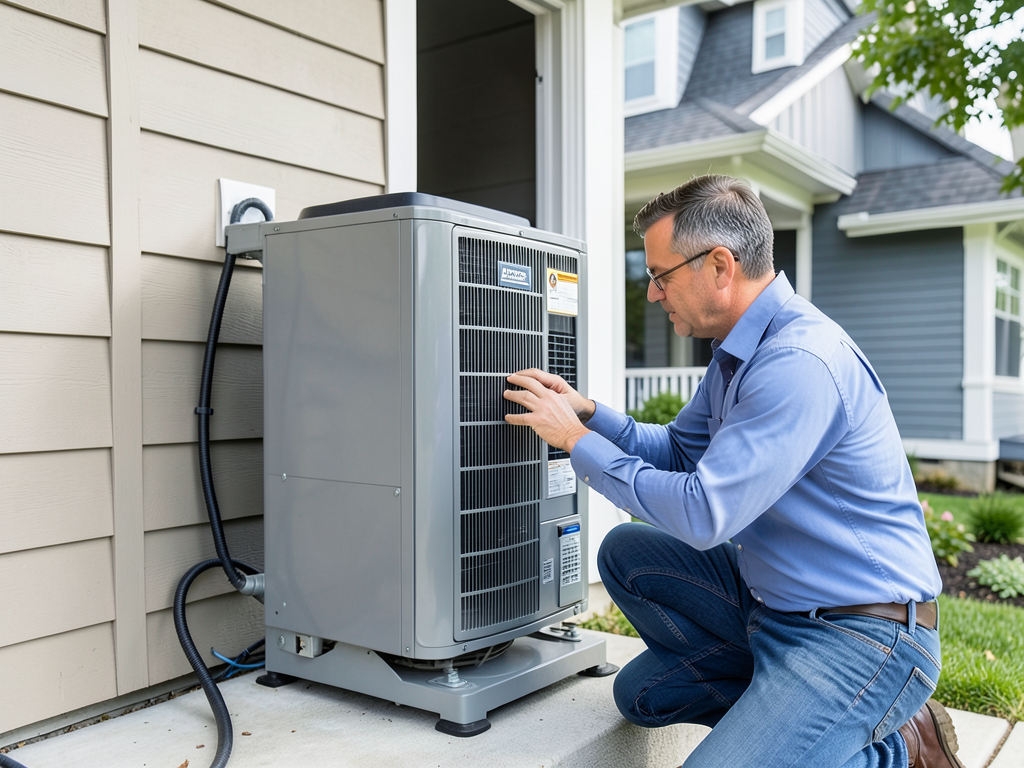







Seattle's cooling season averages only 600 to 800 hours per year, compared to 2,000-plus hours in sunbelt cities. This light duty cycle means AC systems age differently. Compressors see fewer start cycles. Refrigerant leaks develop slowly. Components degrade from disuse and corrosion more than from overwork. A 20-year-old system might still cool adequately, but inefficiency and reliability issues creep in without obvious failure. Homeowners struggle to justify replacement when the unit still runs, yet repair costs start stacking up. The decision requires analyzing lifecycle economics, not just whether the system works today.
Peak HVAC Seattle has worked on HVAC systems across Seattle's diverse housing types, from Capitol Hill's pre-war apartments to West Seattle's mid-century splits to new construction in South Lake Union. We understand how Seattle's marine air accelerates corrosion on outdoor units and how our moderate summer temps mask declining efficiency. Local codes around refrigerant handling and disposal are strict, and we stay current on EPA and Washington State Department of Ecology requirements. When you work with a local company that knows Seattle's climate and building stock, you get a recommendation tailored to your reality, not a generic script.