
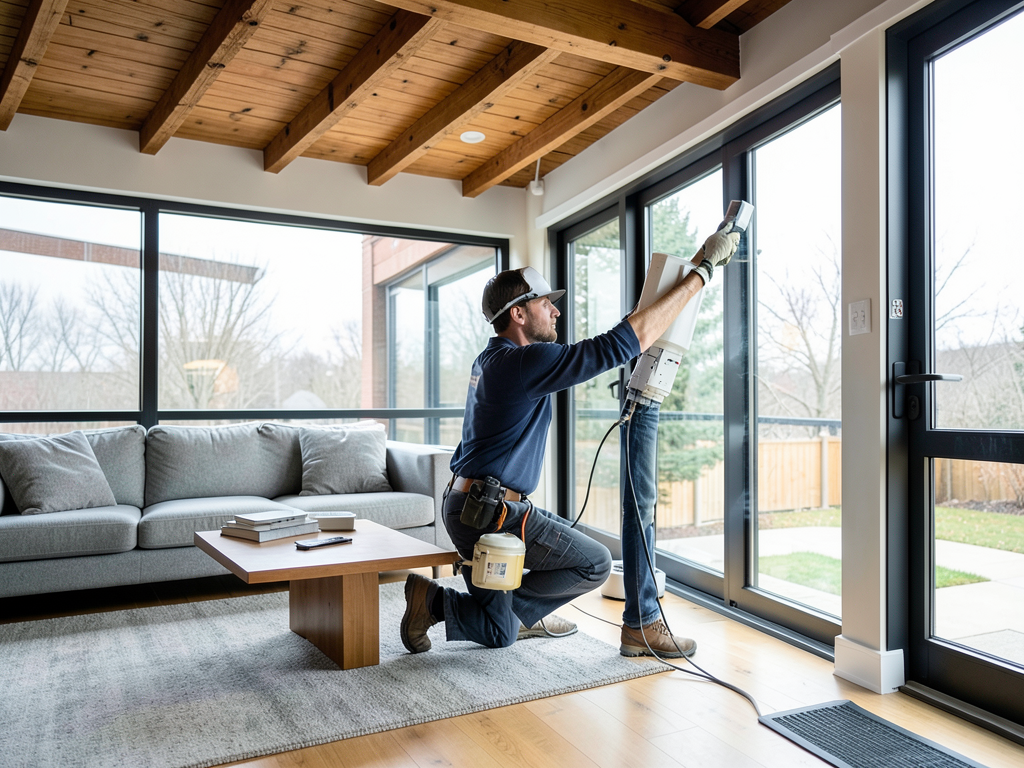
The challenge of cooling mid-century modern homes in Seattle
Adding modern air conditioning to a mid-century Arbor Heights home requires specialized knowledge of both HVAC technology and architectural preservation. These iconic homes built between 1945 and 1970 feature open floor plans, floor-to-ceiling glass, and minimal attic space that make traditional ductwork installation nearly impossible. The best air conditioning options for bungalows and cottages around Green Lake.
Seattle’s climate creates unique cooling challenges. While we don’t experience the extreme heat of Phoenix or Las Vegas, our summer “heat domes” and high humidity levels make air conditioning increasingly necessary. The marine air influence from Puget Sound means we need systems that can handle both cooling and dehumidification effectively. Seattle City Light Rebates.
Many Arbor Heights homeowners face a dilemma: how to add modern comfort without destroying the architectural integrity that makes these homes special. The post-and-beam construction that defines mid-century modern design leaves no room for conventional duct chases. Flat roofs common in this era complicate outdoor unit placement. And those beautiful tongue-and-groove ceilings that homeowners want to preserve can’t be cut apart for vents.. Read more about Shielding your outdoor HVAC unit from the high winds and storms in North Admiral.
The solution lies in understanding the specific constraints of mid-century construction and selecting HVAC systems designed for these challenges. This guide explores the three main approaches that work for Seattle’s mid-century homes, with specific attention to local building codes, energy efficiency requirements, and aesthetic considerations.. Read more about Choosing a high-efficiency HVAC system for an Olympic Manor mid-century layout.
Understanding mid-century construction limitations
Mid-century modern homes in Arbor Heights present unique HVAC challenges that require specialized solutions. The construction methods used during the 1950s and 1960s create physical constraints that make traditional central air conditioning difficult or impossible to install.. Read more about Does your Whittier Heights home need an electrical panel upgrade before you get a heat pump?.
Post-and-beam construction eliminates the wall cavities typically used for ductwork. Unlike conventional stick framing with 16-inch on-center studs, post-and-beam uses large structural members spaced several feet apart. This creates open, airy interiors but leaves no space for hiding ducts. The exposed beams and clean lines that define the style become obstacles for conventional HVAC installation.
Flat or low-slope roofs common in mid-century design create another challenge. Traditional HVAC systems rely on attic space for air handling units and ductwork. Without an attic, where do you put the equipment? Many Arbor Heights homes have vaulted ceilings or exposed roof structures that eliminate any hidden spaces for mechanical equipment.. Read more about Where to place your outdoor AC unit without ruining your Sunset Hill view.
Floor-to-ceiling glass windows, while beautiful, create significant cooling loads. These expansive windows allow solar heat gain that can raise indoor temperatures by 10-15 degrees on sunny days. The lack of wall space between windows and the desire to maintain unobstructed views means traditional window AC units are not an option for preserving the architectural aesthetic.. Read more about Affordable cooling options for first-time buyers in Roxhill.
The Seattle Energy Code (SEC) Section 1305.1 requires all new HVAC installations to meet specific efficiency standards. For mid-century homes, this means any retrofit must achieve a minimum SEER rating of 14.0 for cooling equipment. The Washington State Mechanical Code also mandates proper refrigerant handling and disposal procedures that affect installation methods. Washington State Mechanical Code.
Three HVAC solutions for mid-century homes
Modern HVAC technology offers three main approaches for adding air conditioning to mid-century homes without compromising their architectural integrity. Each solution addresses different aspects of the construction limitations while meeting Seattle’s climate and code requirements.
Ductless mini-split systems represent the most popular solution for mid-century homes. These systems consist of an outdoor compressor unit connected to one or more indoor air handlers via small refrigerant lines. The indoor units mount on walls or ceilings and require only a three-inch hole for the refrigerant line, making them ideal for homes without attic space.
High-velocity HVAC systems offer another option for homes that want cooling throughout the entire space. These systems use small, flexible ducts only two to three inches in diameter that can be routed through walls and between floor joists. The Unico System and SpacePak are two manufacturers that specialize in this technology for retrofit applications.
Low-profile heat pumps provide whole-home cooling with minimal visual impact. These systems use horizontal air handlers that mount in crawl spaces or utility closets, with ducts that run through existing floor cavities. The outdoor units are designed to be compact and can be hidden behind landscaping or on flat roof areas.
Each system has different advantages depending on your home’s specific layout and your cooling needs. The choice depends on factors like the number of rooms to cool, existing electrical capacity, and how visible you want the equipment to be. Why your Ballard home needs professional furnace repair before the first freeze.
Ductless mini-split systems: The art-piece approach
Ductless mini-split systems have become the go-to solution for mid-century modern homes in Seattle. These systems offer the best combination of efficiency, flexibility, and minimal visual impact for homes with post-and-beam construction.
The indoor units can be mounted in various ways to complement your home’s aesthetic. Ceiling cassette models recess into the ceiling for a flush appearance, while wall-mounted units can be positioned to minimize visual impact. Some manufacturers offer custom color finishes to match your interior design.
Modern mini-splits use inverter technology that adjusts compressor speed based on cooling demand. This provides several benefits for Seattle’s climate: better humidity control, quieter operation, and improved energy efficiency. The inverter technology allows the system to maintain consistent temperatures without the temperature swings common in older AC units.
Installation requires careful planning to route refrigerant lines from the outdoor unit to indoor air handlers. In mid-century homes, these lines often run along exterior walls or through crawl spaces. Professional installers use techniques to conceal lines and protect the home’s exterior appearance.
The outdoor units for mini-splits are much smaller than traditional central AC condensers. This makes them easier to hide behind landscaping or on roof areas. Some homeowners in Arbor Heights mount the outdoor unit on a flat roof section, keeping it completely out of sight from street level. Keeping your historic Queen Anne home cool with ductless AC options.
Energy efficiency is a major advantage of mini-splits. Most systems achieve SEER ratings of 20-25, exceeding Seattle Energy Code requirements. The ability to zone different areas of the home also reduces energy waste by only cooling occupied spaces.
High-velocity systems: Small-duct solutions
High-velocity HVAC systems provide whole-home cooling through small, flexible ducts that can navigate the tight spaces in mid-century construction. These systems use 2-3 inch diameter ducts that can be routed through wall cavities, floor joists, and other small spaces.
The Unico System and SpacePak are the two main manufacturers of high-velocity equipment for residential applications. These systems use aspiration technology that creates gentle air circulation throughout the room, eliminating hot and cold spots common in conventional duct systems.
Installation of high-velocity systems requires removing sections of drywall to run the small ducts. However, the repair work is minimal compared to conventional duct installation. The small duct size means fewer and smaller holes in walls and ceilings, preserving the home’s architectural integrity.
The air handlers for high-velocity systems are compact and can fit in utility closets or crawl spaces. This is ideal for mid-century homes that lack attic space. The outdoor units are similar in size to mini-split compressors but connect to the entire home rather than individual zones.
Noise levels are a consideration with high-velocity systems. The high air velocity through small ducts can create more noise than conventional systems. However, modern units include sound attenuators and insulated ducts to minimize operational noise.
Energy efficiency ratings for high-velocity systems typically range from SEER 14-18, meeting Seattle Energy Code requirements while providing whole-home comfort. The systems include advanced filtration that can improve indoor air quality, an important consideration for Seattle’s damp climate.
Low-profile heat pumps: Hidden whole-home solutions
Low-profile heat pumps offer a middle ground between mini-splits and high-velocity systems. These units use horizontal air handlers that mount in crawl spaces or utility closets, with ducts that run through existing floor cavities to deliver air through low-profile vents.. Read more about Using smart vents to fix airflow issues in your Hawthorne Hills home.
The outdoor units for low-profile systems are designed to be compact and can be mounted on flat roof areas or hidden behind landscaping. This is particularly useful for Arbor Heights homes with limited yard space or where outdoor aesthetics are a priority.
Installation involves running ducts through floor cavities and installing low-profile vents that sit nearly flush with the floor. These vents can be finished to match your flooring, making them nearly invisible in mid-century interiors. The horizontal air handler design eliminates the need for vertical space that conventional systems require.
Modern low-profile heat pumps use inverter technology similar to mini-splits, providing excellent energy efficiency and humidity control. SEER ratings typically range from 18-22, exceeding Seattle Energy Code requirements while providing reliable cooling for Seattle’s climate.
The ability to provide both heating and cooling makes these systems particularly valuable for Seattle’s variable climate. During our increasingly common summer heat waves, the cooling function provides relief. In winter, the heat pump efficiently heats the home, often reducing energy costs compared to electric resistance heating common in older mid-century homes.
Noise levels are generally lower than high-velocity systems since the air moves through larger ducts at lower velocities. The indoor components are hidden in crawl spaces or utility areas, eliminating any visual impact inside the living space.
Preserving architectural integrity during installation
Maintaining the architectural integrity of your mid-century home during HVAC installation requires careful planning and experienced contractors who understand preservation principles. The goal is to add modern comfort without compromising the design elements that make these homes special.
Discreet vent placement is crucial for maintaining clean lines. In mid-century homes, vents should be positioned to minimize visual impact while ensuring proper air distribution. Floor vents can be nearly invisible when finished to match flooring materials. Ceiling cassette units for mini-splits can be positioned in less prominent areas.
Custom grille finishes help the HVAC components blend with your interior design. Many manufacturers offer grilles in various colors and finishes, including wood tones that complement mid-century wood ceilings and beams. Some companies even offer paintable grilles that can be matched to your exact wall color.
Hiding outdoor condensers requires creative solutions. In Arbor Heights, where homes often sit on sloped lots, the outdoor unit can be positioned below grade or behind retaining walls. Flat roof mounting keeps units completely out of sight from street level. Strategic landscaping with appropriate plants can screen units while maintaining the home’s modern aesthetic.
Electrical upgrades may be necessary for modern HVAC systems. Many mid-century homes have 60-80 amp electrical service that needs upgrading to 100-200 amps to handle new cooling equipment. This work should be coordinated with the HVAC installation to minimize disruption and ensure proper electrical capacity.
Permitting through the Seattle Department of Construction and Inspections requires specific documentation for mid-century homes. The permitting process includes energy calculations to demonstrate compliance with Seattle Energy Code, refrigerant handling plans, and sometimes historical preservation reviews for homes in designated areas.
Seattle climate considerations for cooling
Seattle’s unique climate creates specific requirements for air conditioning systems in mid-century homes. Our marine environment, with its high humidity and moderate temperatures, demands equipment that can handle both cooling and dehumidification effectively.
High humidity levels in Seattle (often 70-80% during summer months) make dehumidification a critical function of any cooling system. Systems without proper humidity control can leave your home feeling clammy and uncomfortable, even when the temperature is cool. Inverter technology in modern systems provides superior humidity control by running at lower speeds for longer periods.
Seattle’s “heat dome” events, where temperatures can exceed 100 degrees for several days, create peak cooling demands that older systems cannot handle. Modern HVAC equipment must be sized to handle these extreme events while remaining efficient during normal summer conditions. This often means slightly oversizing equipment compared to traditional load calculations.
The marine air influence affects system longevity. Salt content in the air can accelerate corrosion of outdoor components. Quality installation includes proper corrosion protection and positioning of outdoor units to minimize salt exposure. Regular maintenance becomes even more important in our coastal environment. Preventative HVAC maintenance plans that actually save money for Redmond families.
Seasonal usage patterns in Seattle differ from other regions. Most homeowners need cooling for only 2-3 months per year, making system efficiency during partial load conditions critical. Inverter technology excels in these conditions by adjusting output to match actual cooling needs rather than cycling on and off.
Energy costs in Seattle, while lower than many parts of the country, still make efficiency important. Puget Sound Energy and Seattle City Light offer rebates for high-efficiency equipment that can offset installation costs. These rebates often require specific efficiency ratings and professional installation by certified contractors.
Cost factors and available rebates
Installing air conditioning in a mid-century Arbor Heights home involves several cost factors that differ from conventional installations. Understanding these costs and available rebates can help you budget for your project effectively.
Equipment costs vary significantly by system type. Ductless mini-splits typically range from $3,500 to $8,000 for a whole-home system, depending on the number of indoor units and efficiency ratings. High-velocity systems generally cost $10,000 to $15,000 due to the specialized equipment and installation requirements. Low-profile heat pumps fall in the middle, typically $6,000 to $12,000.
Installation complexity adds to the overall cost. Mid-century homes often require electrical upgrades ($1,500 to $3,000), structural modifications for mounting equipment, and custom solutions for routing refrigerant lines or ducts. Homes with difficult access or those requiring historical preservation reviews may see additional costs.
Seattle City Light offers rebates for high-efficiency cooling equipment through their Energy Smart Services program. Current rebates include $300 for systems with SEER ratings of 18 or higher and $500 for systems with SEER ratings of 20 or higher. These rebates require installation by a participating contractor and submission of efficiency documentation.
Puget Sound Energy provides similar rebates for customers in their service area. The specific rebate amounts and requirements change annually, so checking current programs before installation is important. Some rebates are tied to specific equipment manufacturers or efficiency tiers.
Federal tax credits for high-efficiency HVAC equipment may be available through the Energy Efficient Home Improvement Credit. This credit can provide up to $300 for qualifying central air conditioning systems with SEER ratings of 16 or higher and appropriate energy efficiency ratios.
Maintenance costs for modern systems are generally lower than older equipment, but regular service is essential for longevity. Annual maintenance typically costs $150 to $300 and includes cleaning, refrigerant level checks, and system performance testing. This is particularly important in Seattle’s humid climate where mold and mildew can affect system performance.
Maintenance and longevity in Seattle’s climate
Proper maintenance of your new air conditioning system is crucial for longevity and performance, especially in Seattle’s unique climate. The combination of high humidity, marine air, and seasonal usage patterns creates specific maintenance requirements that differ from other regions.
Regular filter changes are the most important maintenance task. In Seattle’s environment, filters should be checked monthly and replaced every 1-3 months depending on usage and indoor air quality. The high humidity can cause filters to trap more particles and potentially support mold growth if not changed regularly.
Coil cleaning becomes essential in our marine environment. The salt content in the air can cause corrosion and reduce heat transfer efficiency. Professional coil cleaning should be performed annually, typically in spring before the cooling season begins. This cleaning removes salt deposits, pollen, and other contaminants that accumulate on the coils.
Drain line maintenance prevents water damage and mold growth. Seattle’s high humidity means cooling systems remove significant moisture from the air. The condensate drain lines can become clogged with algae or mold growth, causing water to back up into the system. Annual cleaning of drain lines with a mild bleach solution prevents these issues.
Refrigerant level checks ensure optimal system performance. Modern systems use environmentally friendly refrigerants, but they still require proper charging for efficient operation. Low refrigerant levels reduce cooling capacity and increase energy consumption. Professional technicians use electronic leak detectors to check for small leaks that might not be visible.
Outdoor unit maintenance includes clearing debris from around the unit and checking the concrete pad for level. Seattle’s seasonal leaf fall and pollen can restrict airflow if not removed. The outdoor unit should have at least two feet of clearance on all sides for proper airflow and maintenance access.
Thermostat programming optimizes system efficiency for Seattle’s climate. Modern smart thermostats can learn your schedule and adjust temperatures automatically. Setting higher temperatures when the home is unoccupied and lowering them before return can significantly reduce energy consumption while maintaining comfort.
Professional maintenance agreements with certified HVAC contractors provide peace of mind and ensure your system receives proper care. These agreements typically include two annual visits, priority service during peak seasons, and discounts on repairs. Given Seattle’s climate demands, professional maintenance is a worthwhile investment.
Case studies: Successful mid-century retrofits
Several Arbor Heights homeowners have successfully added air conditioning to their mid-century homes while preserving architectural integrity. These case studies demonstrate different approaches and solutions for various home layouts and owner preferences.
A 1958 post-and-beam home in the north end of Arbor Heights faced the classic challenge of no attic space and extensive floor-to-ceiling windows. The homeowners chose a ductless mini-split system with three indoor units strategically placed to maintain clean lines. The outdoor unit mounts on a low concrete pad hidden behind a new landscaping feature. Post-installation energy analysis showed 30% reduction in summer electrical usage compared to window units previously used.
A 1962 flat-roof home with tongue-and-groove ceilings required a different approach. The homeowners selected a high-velocity system that could route small ducts through wall cavities without disturbing the ceiling finish. The Unico System’s aspiration technology provided even cooling throughout the open floor plan. Custom wood-finished grilles blend perfectly with the existing interior woodwork.
A 1955 home with a partial basement and crawl space benefited from a low-profile heat pump system. The horizontal air handler fits in the crawl space, with ducts running through existing floor cavities to low-profile vents. The outdoor unit mounts on the flat roof section, completely hidden from street view. The system provides both heating and cooling, replacing an inefficient electric furnace. Who to call for 24 hour emergency furnace repair in West Seattle.
A 1949 home undergoing complete renovation incorporated HVAC planning from the start. The design included a small mechanical closet for a compact air handler, with ducts routed through interior walls during construction. This approach allowed for a more conventional duct system while maintaining the home’s mid-century aesthetic. The project achieved LEED Gold certification partly due to the high-efficiency HVAC system.
These examples demonstrate that successful air conditioning installation in mid-century homes requires matching the system to the home’s specific characteristics and the owner’s priorities. Whether the goal is minimal visual impact, whole-home comfort, or energy efficiency, modern HVAC technology offers solutions that work in these challenging spaces.
Making the right choice for your home
Choosing the right air conditioning solution for your mid-century Arbor Heights home depends on several factors. Understanding these factors will help you make an informed decision that balances comfort, efficiency, and architectural preservation.
Your home’s specific layout plays a crucial role. Open floor plans may benefit from high-velocity systems that provide whole-home comfort. Homes with distinct rooms might work better with zoned mini-split systems. The presence of a crawl space or utility closet can make low-profile heat pumps a viable option.
Your cooling needs should match the system capacity. Seattle’s climate means most homes need less cooling capacity than homes in hotter regions. However, the extensive glass common in mid-century design can create significant solar heat gain. Professional load calculations ensure proper sizing for both efficiency and comfort.
Budget considerations include both initial costs and long-term operating expenses. While high-velocity systems have higher upfront costs, they may provide better whole-home comfort. Mini-splits offer lower initial costs but may require multiple indoor units for complete coverage. Consider energy efficiency ratings and available rebates in your decision.
Aesthetic priorities vary among homeowners. Some prioritize completely hidden systems, while others accept visible indoor units for better performance. The visibility of outdoor units from street view may influence your choice of system and mounting location. Discuss these priorities with your HVAC contractor to find the best solution.
Future plans for your home should influence your choice. If you’re planning renovations, incorporating HVAC planning early can provide more options. If you plan to sell in the near future, consider which systems add the most value in the Arbor Heights market. Energy-efficient systems often provide good return on investment.
Professional consultation is essential for making the right choice. Experienced HVAC contractors familiar with mid-century homes can assess your specific situation and recommend appropriate solutions. They can explain the trade-offs between different approaches and help you understand the installation process and timeline.
Call (564) 220-5899 today to schedule your inspection. Our experienced technicians understand the unique challenges of mid-century modern homes in Arbor Heights. We’ll assess your home’s specific needs and recommend the best air conditioning solution for your situation. Don’t wait until the next heat wave to discover your home lacks adequate cooling.
Frequently Asked Questions
How much does it cost to add air conditioning to a mid-century home?
Costs typically range from $3,500 to $15,000 depending on the system type and home complexity. Mini-splits cost less but may need multiple units. High-velocity systems cost more but provide whole-home comfort through small ducts that preserve architectural integrity.
Will adding AC damage my mid-century home’s architectural features?
Professional installation by experienced contractors can add AC without damaging architectural features. Modern systems use minimal invasive installation methods. Ductless mini-splits require only small holes for refrigerant lines. High-velocity systems use tiny ducts that fit in existing wall cavities.
Are there rebates available for AC installation in Seattle?
Yes. Seattle City Light offers rebates of $300 to $500 for high-efficiency cooling systems. Puget Sound Energy provides similar rebates. Federal tax credits may also be available. These rebates often require specific efficiency ratings and professional installation by certified contractors.
How long does installation take for a mid-century home?
Most installations take 2-5 days depending on system complexity. Mini-split installations typically take 1-2 days. High-velocity systems require 3-5 days due to more extensive ductwork. Additional time may be needed for electrical upgrades or if historical preservation reviews are required.
Can I install AC myself in my mid-century home?
No. Washington State law requires licensed HVAC contractors for air conditioning installation. The work involves refrigerant handling, electrical connections, and compliance with Seattle Energy Code. Improper installation can damage your home, void warranties, and create safety hazards. Professional installation ensures proper operation and maintains manufacturer warranties.
Ready to add modern comfort to your mid-century home? Call (564) 220-5899 now to schedule your consultation. Our team specializes in HVAC solutions for Seattle’s unique mid-century architecture. We’ll help you stay cool while preserving the design elements that make your home special.
You may also find this helpful. Neutralizing ferry exhaust and traffic odors in your Fauntleroy house.
You may also find this helpful. Comparing Lennox and Trane for the damp Seattle climate.
{
“@context”: “https://schema.org”,
“@type”: “BlogPosting”,
“headline”: “Adding modern air conditioning to a mid-century Arbor Heights home”,
“description”: “Discover HVAC solutions for Seattle’s mid-century homes. Learn how to add AC without compromising post-and-beam architecture or flat roofs in Arbor Heights.”,
“wordCount”: 3808,
“datePublished”: “2026-05-04T11:32:00.000Z”,
“dateModified”: “2026-05-04T11:32:00.000Z”,
“inLanguage”: “en-US”,
“mainEntityOfPage”: {
“@type”: “WebPage”,
“@id”: “https://peakhvacseattle.com”
},
“publisher”: {
“@type”: “LocalBusiness”,
“name”: “Peak HVAC Seattle”,
“url”: “https://peakhvacseattle.com”
},
“author”: {
“@type”: “Organization”,
“name”: “Peak HVAC Seattle”,
“url”: “https://peakhvacseattle.com”
},
“image”: {
“@type”: “ImageObject”,
“url”: “https://peakhvacseattle.com/wp-content/uploads/2026/03/adding-modern-air-conditioning-to-a-mid-century-ar-1.png”
}
}
{
“@context”: “https://schema.org”,
“@type”: “HVACBusiness”,
“name”: “Peak HVAC Seattle”,
“url”: “https://peakhvacseattle.com”,
“address”: {
“@type”: “PostalAddress”,
“addressLocality”: “Seattle”
},
“areaServed”: {
“@type”: “City”,
“name”: “Seattle”
}
}
{
“@context”: “https://schema.org”,
“@type”: “FAQPage”,
“mainEntity”: [
{
“@type”: “Question”,
“name”: “How much does it cost to add air conditioning to a mid-century home?”,
“acceptedAnswer”: {
“@type”: “Answer”,
“text”: “Costs typically range from $3,500 to $15,000 depending on the system type and home complexity. Mini-splits cost less but may need multiple units. High-velocity systems cost more but provide whole-home comfort through small ducts that preserve architectural integrity.”
}
},
{
“@type”: “Question”,
“name”: “Will adding AC damage my mid-century home’s architectural features?”,
“acceptedAnswer”: {
“@type”: “Answer”,
“text”: “Professional installation by experienced contractors can add AC without damaging architectural features. Modern systems use minimal invasive installation methods. Ductless mini-splits require only small holes for refrigerant lines. High-velocity systems use tiny ducts that fit in existing wall cavities.”
}
},
{
“@type”: “Question”,
“name”: “Are there rebates available for AC installation in Seattle?”,
“acceptedAnswer”: {
“@type”: “Answer”,
“text”: “Yes. Seattle City Light offers rebates of $300 to $500 for high-efficiency cooling systems. Puget Sound Energy provides similar rebates. Federal tax credits may also be available. These rebates often require specific efficiency ratings and professional installation by certified contractors.”
}
},
{
“@type”: “Question”,
“name”: “How long does installation take for a mid-century home?”,
“acceptedAnswer”: {
“@type”: “Answer”,
“text”: “Most installations take 2-5 days depending on system complexity. Mini-split installations typically take 1-2 days. High-velocity systems require 3-5 days due to more extensive ductwork. Additional time may be needed for electrical upgrades or if historical preservation reviews are required.”
}
},
{
“@type”: “Question”,
“name”: “Can I install AC myself in my mid-century home?”,
“acceptedAnswer”: {
“@type”: “Answer”,
“text”: “No. Washington State law requires licensed HVAC contractors for air conditioning installation. The work involves refrigerant handling, electrical connections, and compliance with Seattle Energy Code. Improper installation can damage your home, void warranties, and create safety hazards. Professional installation ensures proper operation and maintains manufacturer warranties.”
}
}
]
}
{
“@context”: “https://schema.org”,
“@type”: “BreadcrumbList”,
“itemListElement”: [
{
“@type”: “ListItem”,
“position”: 1,
“name”: “Home”,
“item”: “https://peakhvacseattle.com”
},
{
“@type”: “ListItem”,
“position”: 2,
“name”: “Blog”,
“item”: “https://peakhvacseattle.com/blog”
},
{
“@type”: “ListItem”,
“position”: 3,
“name”: “Adding modern air conditioning to a mid-century Arbor Heights home”
}
]
}
{
“@context”: “https://schema.org”,
“@type”: “Service”,
“serviceType”: “HVAC”,
“provider”: {
“@type”: “LocalBusiness”,
“name”: “Peak HVAC Seattle”,
“url”: “https://peakhvacseattle.com”
},
“areaServed”: {
“@type”: “City”,
“name”: “Seattle”
},
“description”: “Discover HVAC solutions for Seattle’s mid-century homes. Learn how to add AC without compromising post-and-beam architecture or flat roofs in Arbor Heights.”
}