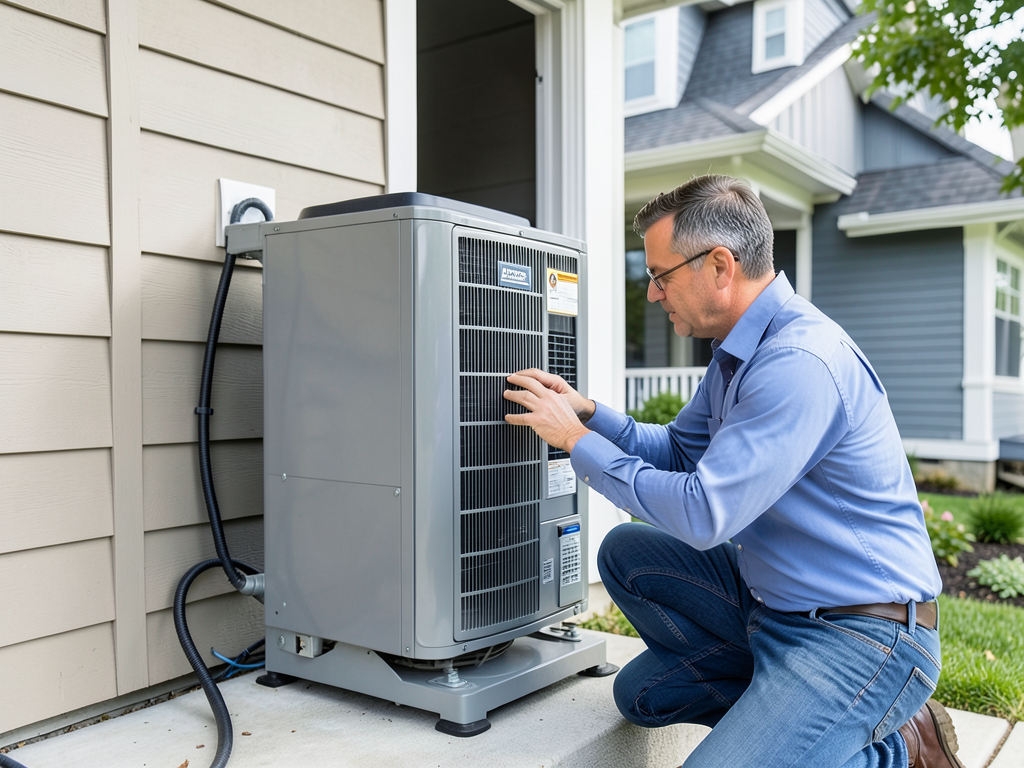





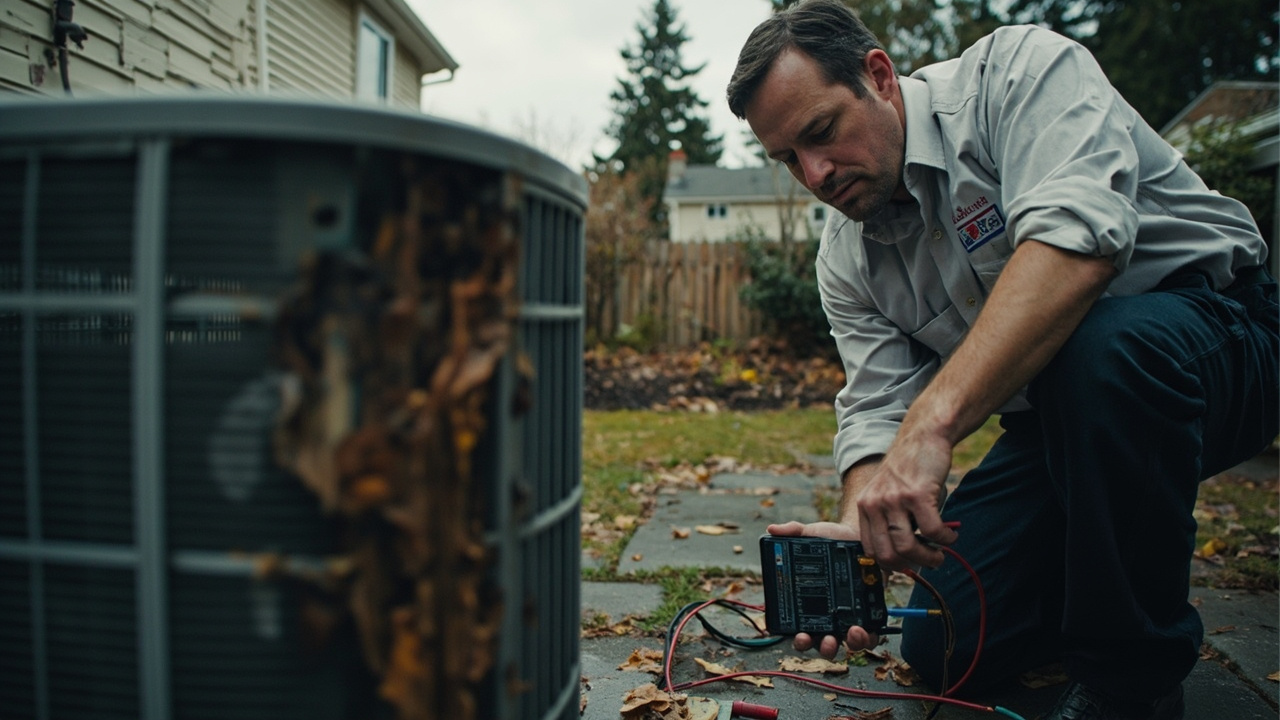
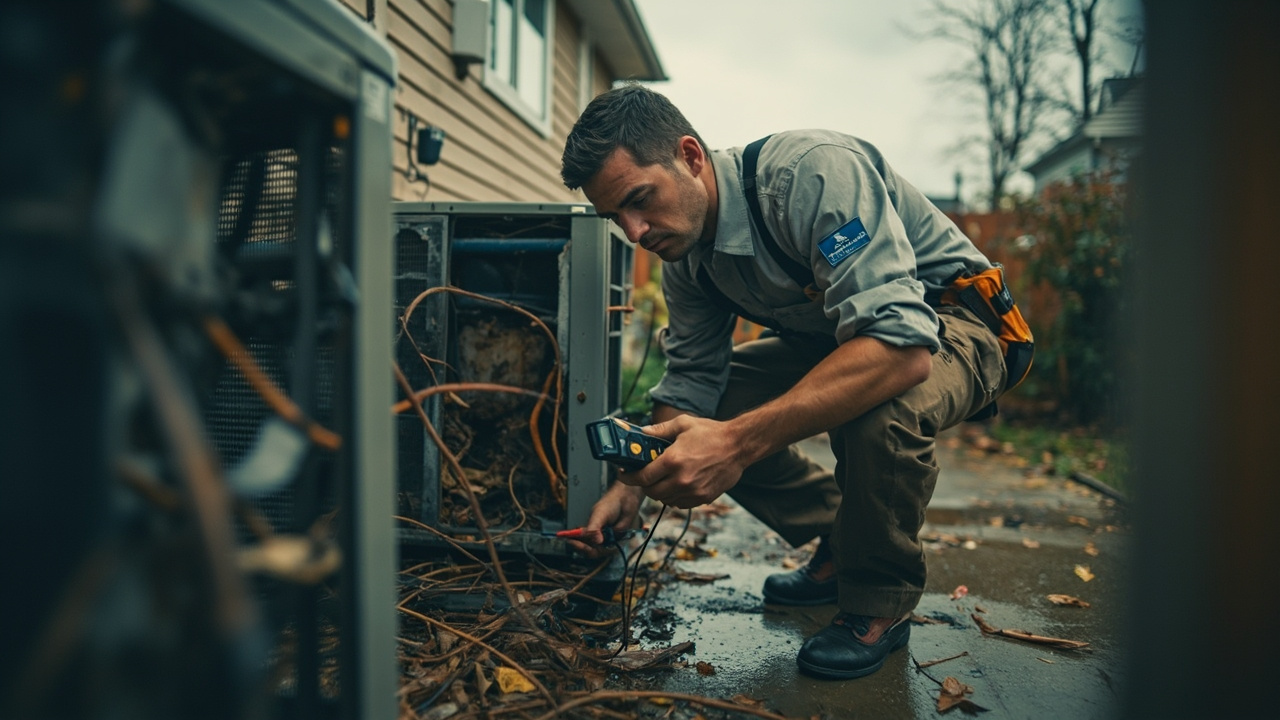
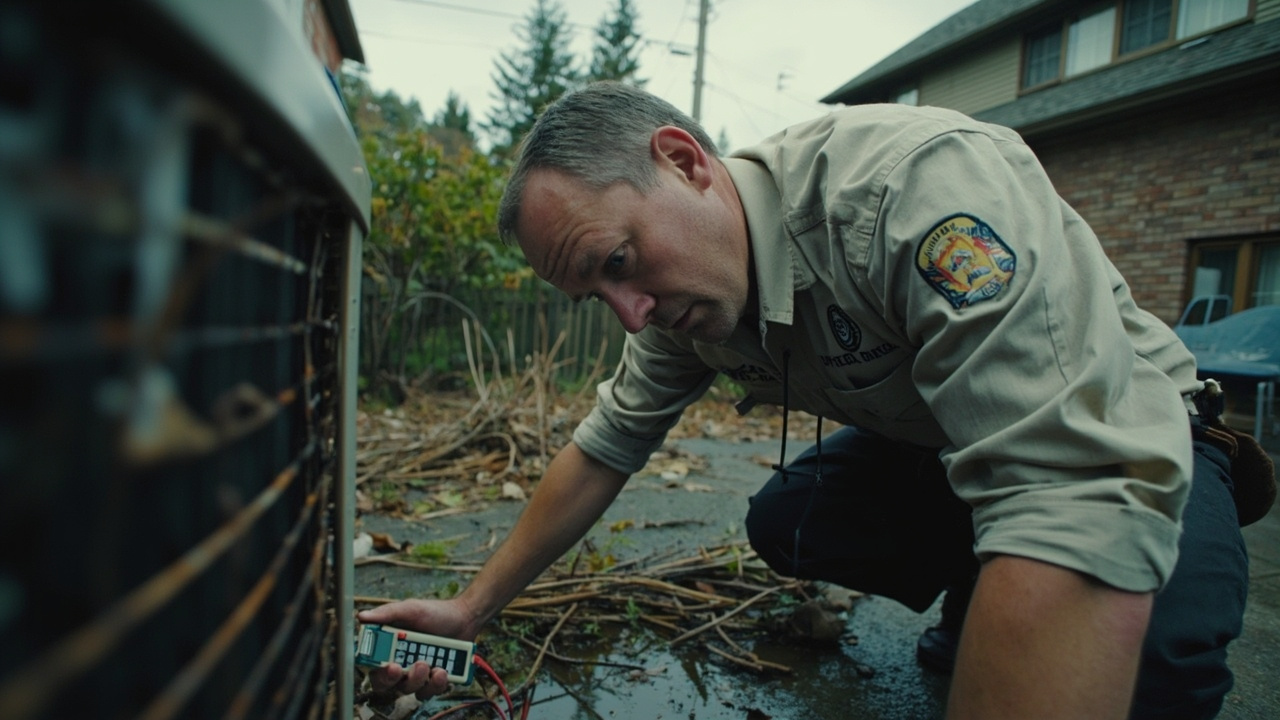
Seattle averages 150 days of measurable precipitation annually, with November through February delivering Pacific storm systems that combine high winds, freezing rain, and rapid temperature swings. This weather pattern creates a compression effect where outdoor HVAC units experience freeze-thaw cycles multiple times per day. Water enters damaged cabinets during morning rain, freezes by evening when temperatures drop into the 30s, then thaws overnight as marine air pushes back in. This expansion and contraction cycle turns a small crack in your heat exchanger into a catastrophic failure within 48 hours. Emergency HVAC storm repair stops this progression before secondary damage multiplies your costs.
Peak HVAC Seattle maintains service records on over 12,000 Seattle-area properties, giving us historical data on how local microclimates affect system longevity. We know that waterfront properties in Alki Beach see salt air corrosion rates three times higher than units five blocks inland. We understand that the temperature inversion layer in the Cedar River valley creates frost conditions that require different defrost control settings than units installed in downtown high-rises. This local knowledge matters when you need heating and cooling storm damage repair that accounts for neighborhood-specific failure patterns and environmental stressors.