




Menu

Smart Thermostat Installation in Seattle – Precision Wiring and Setup for Pacific Northwest Homes

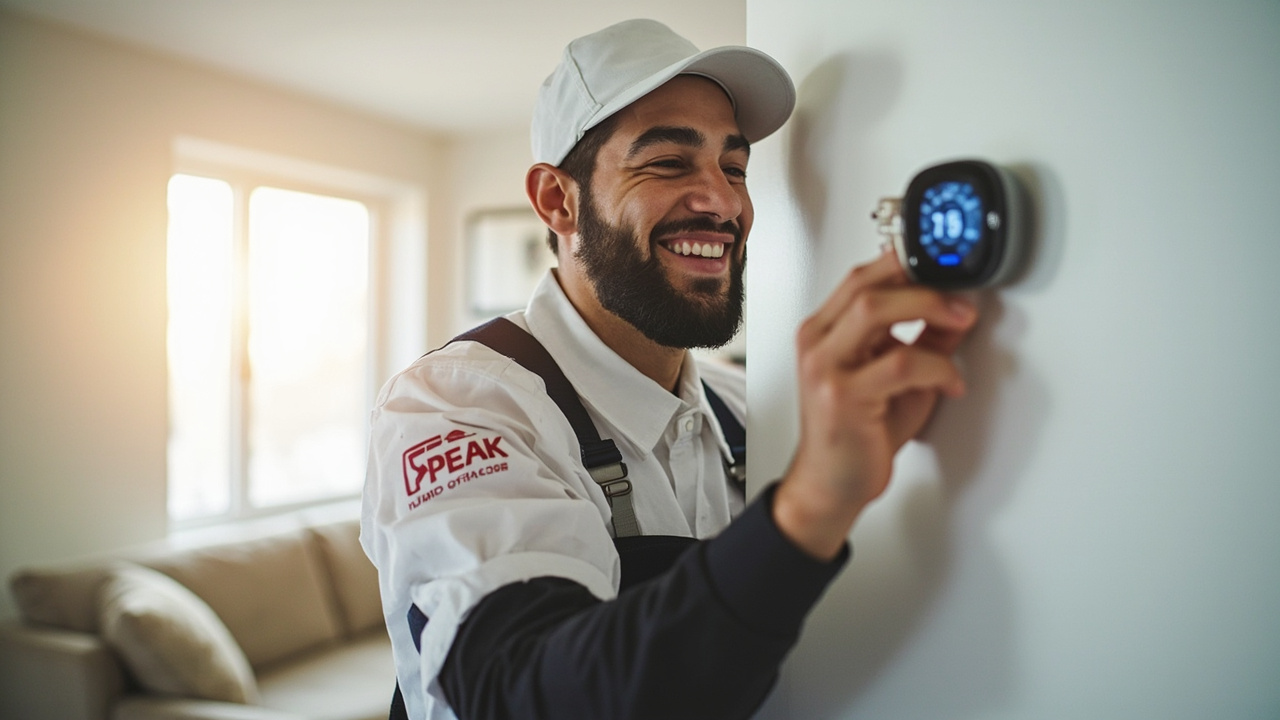
Peak HVAC Seattle delivers smart thermostat installation tailored to the region's variable heating demands, rain-prone climate, and the unique electrical configurations found in Seattle's mix of Craftsman, mid-century, and modern construction.

Slider Image 1
Slider Image 2
Slider Image 3
Slider Image 4
Slider Image 5
Slider Image 7
Slider Image 8
Slider Image 9
Slider Image 10
Slider Image 11

Why Seattle Homes Need Smarter Climate Control

Seattle's marine climate creates a heating puzzle. You run your furnace through damp, cool mornings in May, then shut it off by noon when sun breaks through. Traditional thermostats can't adapt. They cycle your system inefficiently, wasting energy and wearing out components.

The problem gets worse in older neighborhoods like Queen Anne, Wallingford, and Greenwood. Homes built between 1920 and 1970 often have outdated wiring configurations. Knob-and-tube systems were common. Adding a Wi-Fi thermostat installation to these homes requires knowledge of legacy electrical work and HVAC compatibility that generic handyman services lack.

Smart thermostat setup solves this. Modern programmable devices learn your schedule, adjust for outdoor humidity, and optimize runtime based on real-time weather data from the Puget Sound basin. When marine air rolls in overnight and temperatures drop, your system anticipates the load. When spring sun heats your south-facing windows, it scales back before you waste gas.

Installing a smart thermostat also gives you control when you're away. Seattle residents spend time in the San Juans or hiking the Cascades. You can adjust heating remotely, preventing frozen pipes during surprise cold snaps while avoiding the cost of heating an empty house for days.

The difference shows up in your utility bill. Seattle City Light rates are among the highest in the region. A smart thermostat can cut heating costs by 15 to 23 percent through better load management and reduced runtime waste. That's real money over a wet, six-month heating season.

Why Seattle Homes Need Smarter Climate Control
How Professional Smart Thermostat Installation Works

How Professional Smart Thermostat Installation Works

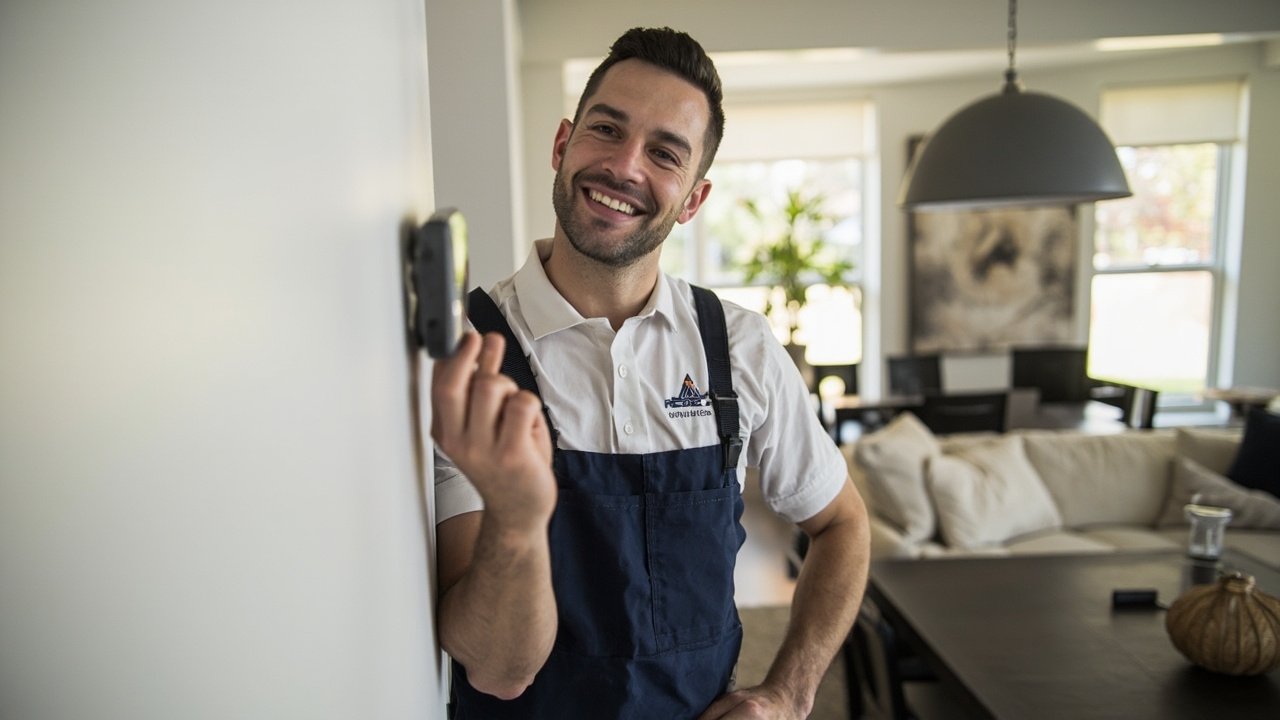
Smart thermostat replacement is not plug-and-play. You need to match the device to your HVAC system's voltage, staging, and control wiring. Seattle homes vary wildly. A 1950s bungalow in Ballard runs a single-stage gas furnace with a mercury bulb thermostat. A 2015 townhome in South Lake Union has a multi-stage heat pump with auxiliary electric resistance backup.

We start with system compatibility assessment. That means identifying your furnace or heat pump model, checking the control board, and mapping existing thermostat wiring. Most smart thermostats need a C-wire for continuous power. Older systems don't have one. We either install a common wire adapter or run new 18-gauge thermostat cable from the air handler to the wall.

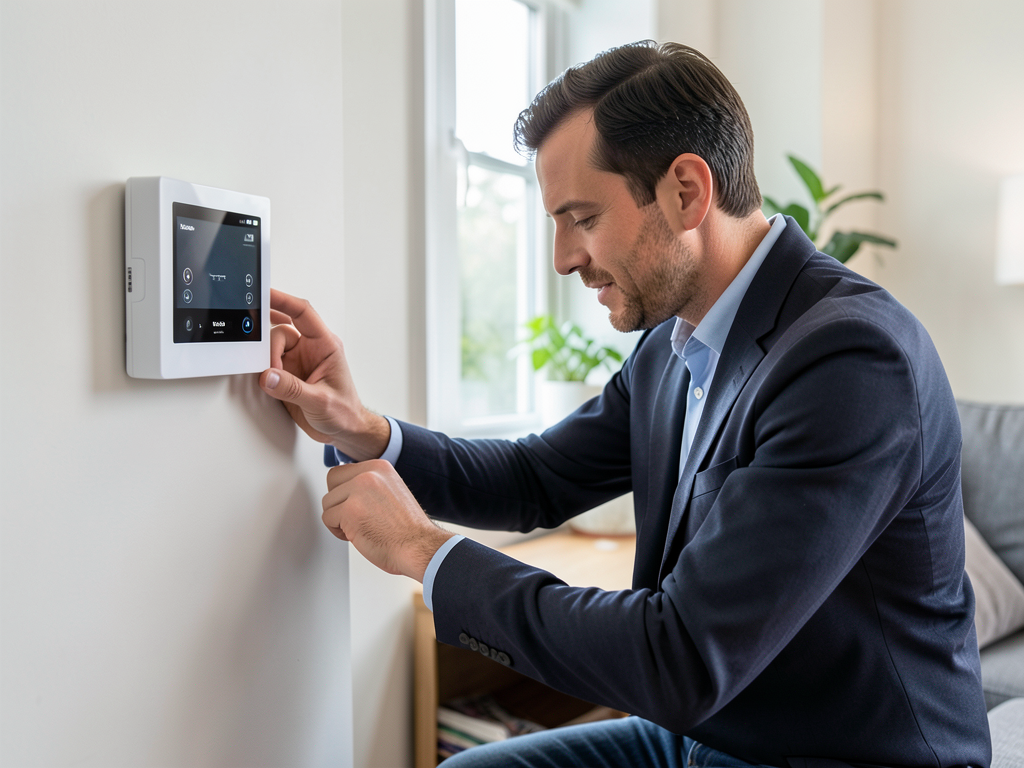
Next comes smart thermostat wiring. We label every wire, disconnect power at the breaker, and remove the old thermostat base. If your wallboard shows damage from the old mounting plate, we patch and prep the surface. The new thermostat base gets leveled with a digital gauge. Crooked mounting causes display issues and looks unprofessional.

Once wired, we configure the system settings. Heat pump homes need the auxiliary heat lockout temperature set correctly to avoid expensive electric resistance runtime. Multi-zone systems require zone damper integration. We walk through the app setup, connect your thermostat to your home's Wi-Fi network, and test every mode: heating, cooling, fan-only, and emergency heat if applicable.

The final step is calibration. We compare the thermostat's temperature reading to a standalone digital thermometer. If the reading is off by more than one degree, we adjust the offset in the settings. This ensures accurate control and prevents short-cycling.

What Happens During Your Thermostat Upgrade

Smart Thermostat Installation in Seattle – Precision Wiring and Setup for Pacific Northwest Homes
01

System Compatibility Check

We examine your existing HVAC system to confirm voltage, control wiring, and staging compatibility with your chosen smart thermostat model. Seattle homes often have unique configurations, especially in older neighborhoods. We verify your furnace or heat pump can communicate properly with the new device and identify any wiring modifications needed before starting installation work.
02

Wiring and Mounting

We disconnect power at the breaker, label and remove old thermostat wiring, and install any necessary C-wire adapters or run new cable if required. The new thermostat base is mounted level and secure. Each wire connects to the correct terminal based on your HVAC system configuration. We double-check polarity and staging to prevent control board damage or system malfunction.
03

Configuration and Testing

We power up the system, configure heating and cooling stages, set auxiliary heat lockout temperatures for heat pumps, and connect the thermostat to your home Wi-Fi network. We test every mode to confirm proper operation, calibrate temperature accuracy, and walk you through the app interface so you can control your system remotely with confidence.

Why Seattle Homeowners Choose Peak HVAC for Thermostat Upgrades

Seattle has a peculiar mix of housing stock and climate demands that requires local HVAC knowledge. We've worked in Capitol Hill Victorians with radiator heat and wall-mounted ductless mini-splits. We've upgraded thermostats in Magnolia homes with zoned forced-air systems controlled by multiple dampers. We know which smart thermostats integrate with Mitsubishi and Fujitsu heat pumps, and which ones cause compatibility headaches.

Local building codes matter. Seattle requires HVAC work to meet energy efficiency standards under the Seattle Energy Code. When we install a smart thermostat as part of a system upgrade or addition, we ensure compliance with Title 24 equivalent standards and document the work properly for permit records if needed.

We also understand the local climate's impact on system performance. Marine air means high indoor humidity in fall and winter. Your smart thermostat's humidity sensor can trigger ventilation or adjust fan runtime to prevent mold growth in crawl spaces and attics, a common issue in Seattle homes built on pier-and-beam foundations.

Peak HVAC Seattle prioritizes proper installation over speed. We've seen too many Wi-Fi thermostat installations done by unlicensed technicians who don't check system compatibility, leading to short-cycling, blown control boards, or devices that lose Wi-Fi connection because they were installed near interference sources like metal ductwork or thick plaster walls.

You also get access to a local team that understands your equipment. When you call with a question about scheduling settings or auxiliary heat behavior during a cold snap, you talk to the same technicians who installed your device. No offshore call centers. No generic troubleshooting scripts. Just direct answers from people who know your system.

What You Get with Professional Installation

Same-Day and Next-Day Availability

We schedule smart thermostat installation around your availability, with same-day service possible for most Seattle neighborhoods during regular business hours. Installation typically takes 60 to 90 minutes depending on your home's wiring configuration and whether we need to install a C-wire adapter or run new cable. We arrive on time, complete the work efficiently, and test every system function before leaving. You'll have remote control of your heating and cooling the same day we install the device.

Thorough Compatibility Assessment

Before installation, we evaluate your HVAC system's control board, voltage, and wiring to confirm compatibility with your chosen smart thermostat model. We check for common issues like missing C-wires, mercury bulb thermostats, or multi-stage heat pumps that require specific configuration. If your system needs modifications, we explain the options clearly and provide solutions that work with your existing equipment. You won't discover compatibility problems after the device is on your wall.

Calibrated and Tested Performance

We don't just mount the thermostat and leave. We test heating, cooling, and fan modes to confirm proper system response. We calibrate the temperature sensor against an independent thermometer to ensure accurate readings. We verify Wi-Fi connectivity and app functionality so you can control your system remotely without frustration. You receive a walkthrough of the interface, including scheduling, geofencing, and energy reports. Your system operates correctly from the moment we finish installation.

Ongoing Support and Service

After installation, you have direct access to our team for questions about settings, app features, or system behavior. If you experience connectivity issues, scheduling problems, or need to adjust advanced settings like auxiliary heat lockout temperatures, we provide phone support or return for a service visit. We also offer annual HVAC maintenance plans that include thermostat performance checks, software updates, and recalibration to keep your system running efficiently through Seattle's long heating season.

Frequently Asked Questions

You Have Questions,
We Have Answers

Can you install smart thermostats yourself? +

You can install some smart thermostats yourself if you have basic electrical knowledge and your system uses standard low-voltage wiring. Most models come with step-by-step instructions. However, Seattle homes with older heating systems, heat pumps, or multi-stage HVAC setups often require professional assessment. Incorrect wiring can damage your equipment or create safety hazards. If you lack a C-wire (common wire) for continuous power, installation gets complicated. Many Seattle homeowners discover compatibility issues mid-install. Professional installation ensures proper configuration, prevents equipment damage, and maintains manufacturer warranties.

Do you need an electrician to install a smart thermostat? +

You need an HVAC technician, not a standard electrician. Smart thermostats connect to low-voltage HVAC wiring, which requires specialized knowledge of heating and cooling systems. A licensed HVAC professional understands zone controls, heat pump configurations, and the specific requirements of Seattle's climate-responsive systems. They verify compatibility, install C-wire adapters if needed, and calibrate settings for your equipment. Electricians work with high-voltage house wiring. HVAC techs work with system controls. Using the wrong trade can void warranties and create performance issues.

Can I replace my old thermostat with a smart thermostat? +

Yes, most old thermostats can be replaced with smart models if your HVAC system is compatible. The key factor is wiring. You need at least four wires for basic systems, though many Seattle homes with heat pumps or multi-stage furnaces require more. Check for a C-wire, which provides continuous power to smart thermostats. Older mercury thermostats typically lack this wire. Your HVAC system must also support digital controls. Systems older than 20 years may need electrical upgrades before smart thermostat installation works reliably.

What are the disadvantages of a smart thermostat? +

Smart thermostats require reliable WiFi, which fails during Seattle's occasional power outages. They cost more upfront than basic models. Some homeowners find the learning curve frustrating, especially older adults unfamiliar with app-based controls. Privacy concerns exist because these devices collect usage data. Complex HVAC systems may not be fully compatible, limiting features. Software glitches can disrupt heating schedules during cold snaps. Battery-powered models need replacements. If your internet drops, remote control features disappear. Not all household members adapt well to automated temperature changes.

How much does an electrician charge to install a smart thermostat? +

Professional HVAC technicians in Seattle typically charge between two to four hours of labor for smart thermostat installation. Rates vary based on system complexity. Basic replacements with existing compatible wiring take less time. Jobs requiring C-wire installation, system testing, or multi-zone configuration cost more. Older Seattle homes with outdated wiring or unusual HVAC setups increase labor time. The investment includes proper calibration, WiFi setup, and testing all heating and cooling stages. Get itemized quotes from licensed contractors before committing.

Do smart thermostats need special wiring? +

Smart thermostats need low-voltage wiring, typically 18 to 24 volts. Most require a C-wire (common wire) for continuous power, which many older Seattle homes lack. You will see color-coded wires: R (power), G (fan), Y (cooling), W (heating), and ideally C (common). Heat pump systems add auxiliary wires. If your existing setup lacks a C-wire, technicians can install an adapter or run new wiring from your furnace. Check your current thermostat's wire configuration before purchasing a smart model.

Does Home Depot install smart thermostats? +

Home Depot offers installation services through third-party contractors in the Seattle area. You purchase the thermostat in-store or online, then schedule installation separately. Quality varies because Home Depot subcontracts to local providers who may lack specialized HVAC expertise. You get basic installation, but complex systems requiring zone control setup or C-wire troubleshooting may exceed their scope. For Seattle homes with heat pumps or older furnaces, dedicated HVAC companies provide better diagnostics and long-term support. Verify contractor licensing before scheduling.

How many wires do you need to run a smart thermostat? +

Most smart thermostats need four to eight wires depending on your system. Basic furnaces use four: R (power), W (heat), G (fan), Y (cooling). Heat pumps common in Seattle require additional wires for reversing valves and auxiliary heat. Two-stage systems need extra connections for high and low settings. The C-wire provides continuous power for WiFi and display functions. Count your existing wires before buying. If you lack sufficient wiring, technicians can run new cables from your air handler or install adapter kits.

What is a common problem with Nest thermostats? +

Nest thermostats frequently experience C-wire power issues in Seattle homes lacking dedicated common wires. The device tries to power-steal from other wires, causing short cycling where your furnace turns on and off rapidly. This damages equipment and wastes energy. WiFi disconnections frustrate users during firmware updates. Some models struggle with heat pump configurations common in Pacific Northwest homes. Battery drain occurs in older installations. Compatibility errors appear with multi-stage systems. Always verify your specific HVAC setup supports Nest features before purchasing.

How do I know if my HVAC is compatible with a smart thermostat? +

Check your current thermostat's wire count and HVAC system type. Remove the faceplate and photograph the wiring. Most smart thermostats list compatible systems on their packaging or websites. Look for voltage ratings on your furnace or air handler. Seattle homes with heat pumps, zone controls, or high-voltage baseboard heat may have compatibility limits. Consult your HVAC equipment manuals or call a licensed technician for assessment. Incompatible pairings cause equipment damage and void warranties. Professional evaluation prevents costly mistakes.

Seattle's Heating Season Demands and Smart Thermostat Benefits

Seattle's marine climate creates a heating season that stretches from October through May, with unpredictable temperature swings. Morning fog and rain keep temperatures in the low 40s, then afternoon sun pushes indoor temps into the mid-60s. Traditional thermostats can't adapt to this variability. They overheat your home in the morning, then leave you cold by evening. Smart thermostat setup solves this by using local weather data and learning algorithms to anticipate load changes, reducing runtime waste and improving comfort during the region's long, damp heating season.

Seattle homeowners benefit from working with HVAC professionals who understand local building styles and system configurations. Homes in neighborhoods like Fremont, Ravenna, and Green Lake often have unique electrical setups, especially properties built before 1960. Peak HVAC Seattle has installed smart thermostats in hundreds of local homes, from bungalows with original knob-and-tube wiring to modern LEED-certified builds with zoned heat pump systems. We know which devices integrate smoothly with local utility rebate programs through Seattle City Light and Puget Sound Energy, saving you money on both installation and long-term energy costs.
HVAC Services in The Seattle Area

Conveniently located to serve the greater Seattle area, Peak HVAC Seattle is dedicated to providing reliable and prompt services to our community. Our local presence ensures we can respond quickly to your needs, delivering expert heating and cooling solutions right to your doorstep. Whether you’re a homeowner or business owner, we’re committed to being your trusted, neighborhood HVAC partner for a perfectly comfortable indoor environment.

Address:
Peak HVAC Seattle, 401 Broadway E, Seattle, WA, 98102

Additional Services We Offer

Our news updates

Latest Articles & News from The Blogs

How a modern HVAC system helps your Mercer Island home sell faster during a staging Buyers walking through your Mercer…

How a modern HVAC system helps your Mercer Island home sell faster during a staging

How a modern HVAC system helps your Mercer Island home sell faster during a staging Buyers walking through your Mercer…

Safe ventilation for woodworking and metal shops in Georgetown garages

Georgetown’s industrial heritage and maker culture mean many Seattle residents have converted their garages into woodworking or metal shops. But…

Integrating your security system with your HVAC for a safer Somerset home in 2026

Integrating your security system with your HVAC for a safer Somerset home in 2026 Smart home technology is evolving fast…

Contact Us

Take control of your heating costs and comfort. Call Peak HVAC Seattle at (564) 220-5899 to schedule professional smart thermostat installation. We serve all Seattle neighborhoods with same-day and next-day availability. Get a system that adapts to your schedule and Seattle's unpredictable weather.