




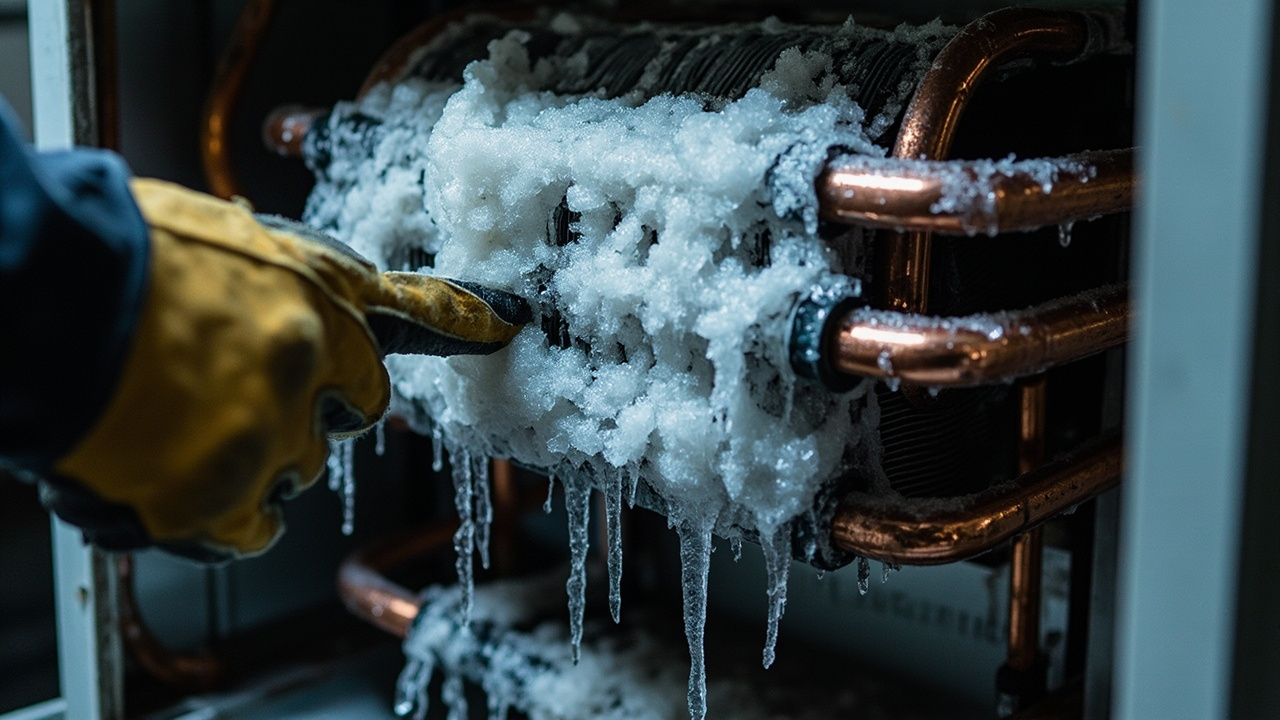
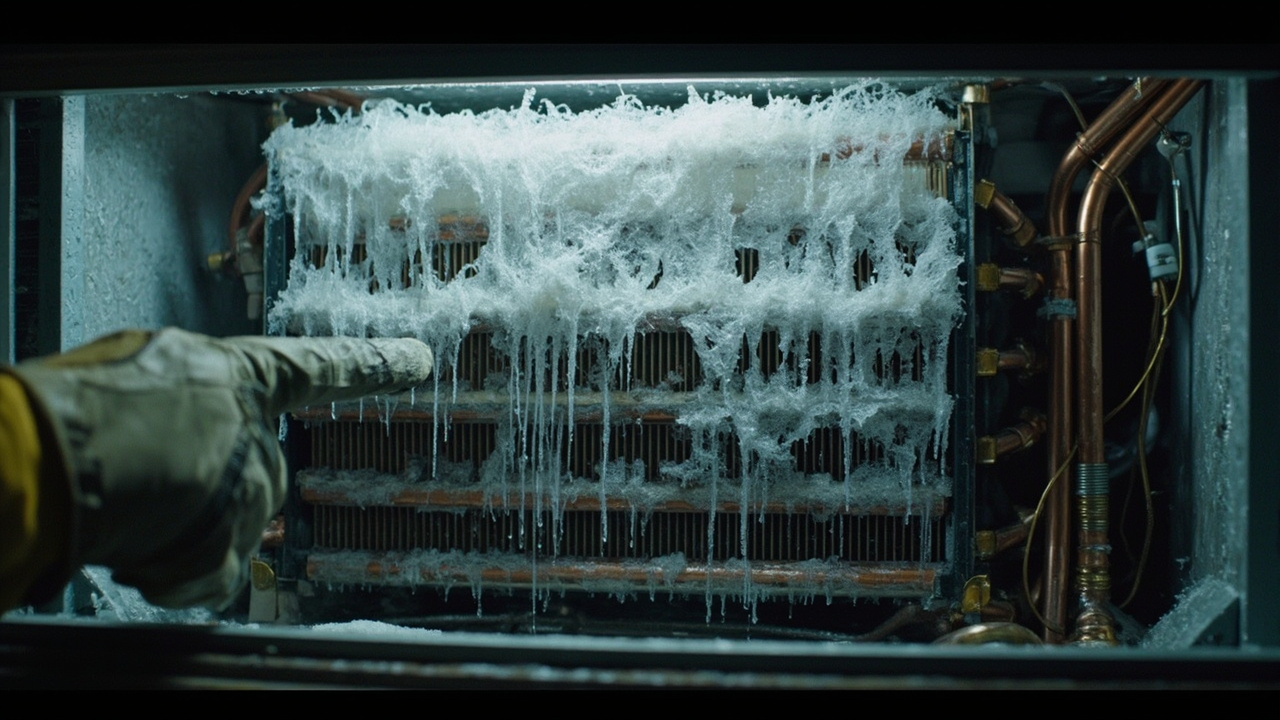
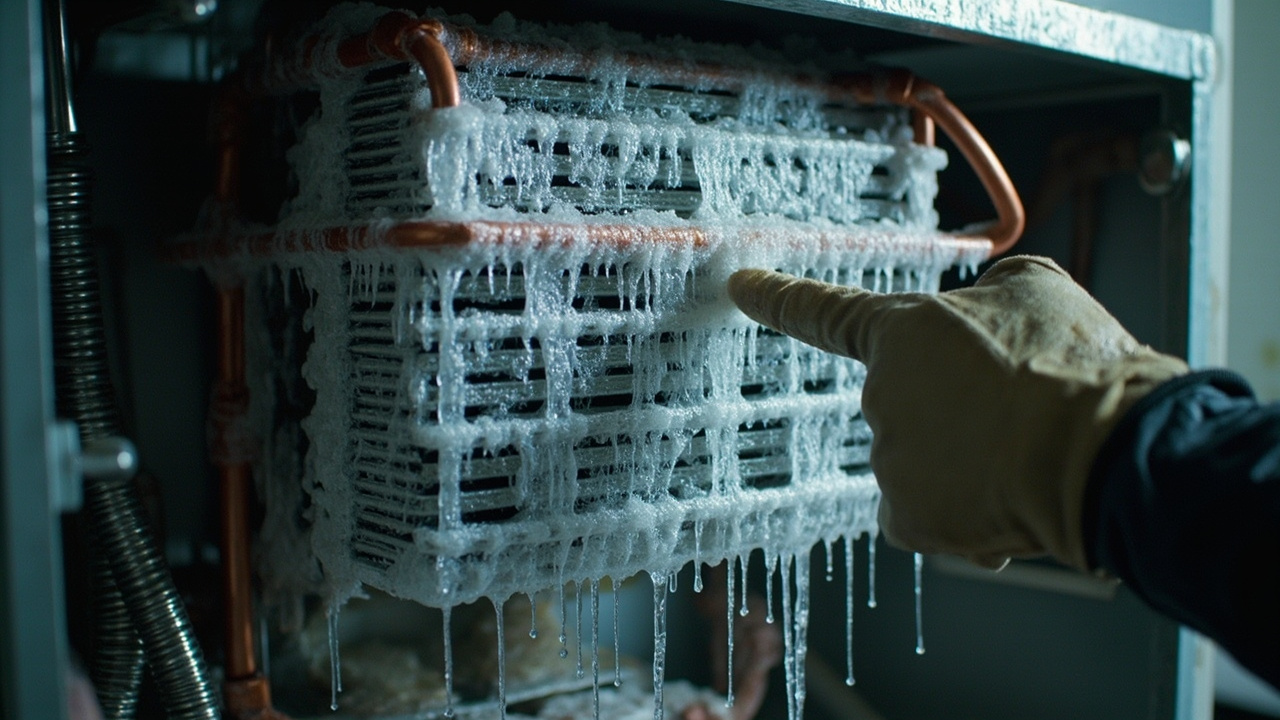
Seattle's proximity to Puget Sound creates high relative humidity levels throughout the cooling season. When outdoor air reaches 65 to 75 degrees with 70 percent humidity, air conditioners run intermittently rather than continuously. This short cycling prevents the evaporator coil from reaching stable operating temperature. Each time the compressor shuts off, residual moisture on the coil refreezes during the next cooling cycle. Homes in neighborhoods near the waterfront, including Alki, Magnolia, and Seward Park, experience this problem more frequently due to marine air intrusion. The constant temperature swings also stress refrigerant metering devices and cause erratic expansion valve operation.
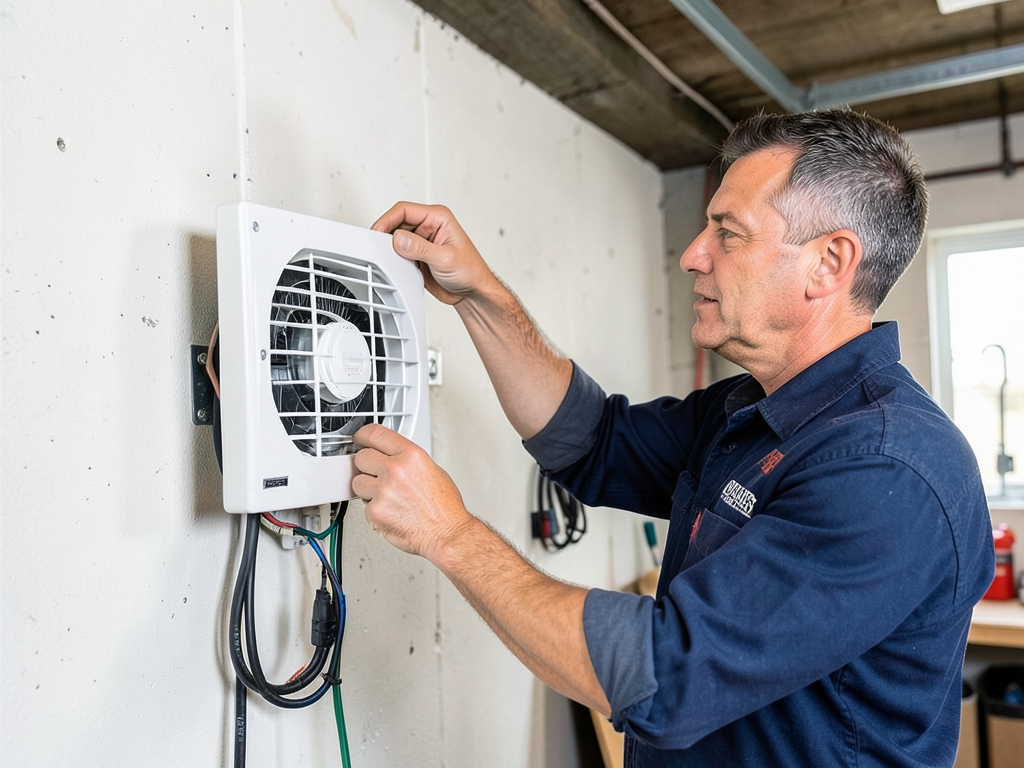
Local building codes in Seattle emphasize energy efficiency and ventilation. Many newer homes use heat recovery ventilators and continuous exhaust fans that alter indoor pressure balance. When these systems are not properly integrated with the HVAC system, they create negative pressure that pulls unconditioned air through building envelope gaps. This added moisture load forces the evaporator coil to work harder and increases the risk of freezing. Peak HVAC Seattle understands how these mechanical ventilation systems interact with air conditioning equipment. We verify proper pressure balance and recommend adjustments that prevent coil icing without compromising indoor air quality or code compliance.