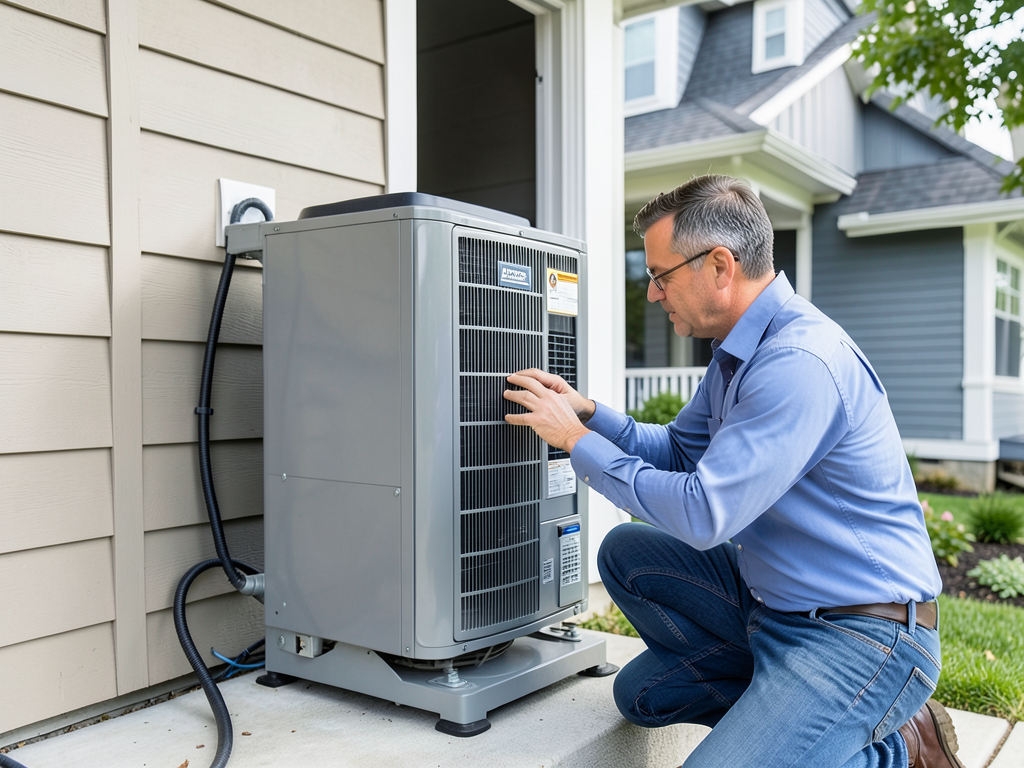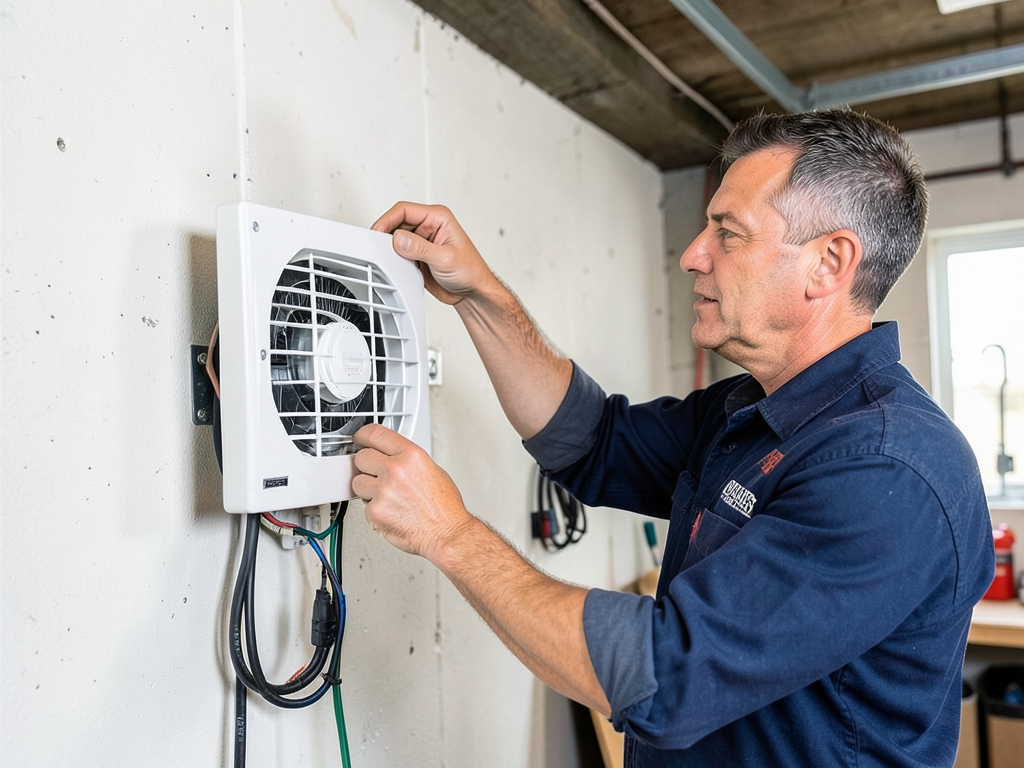






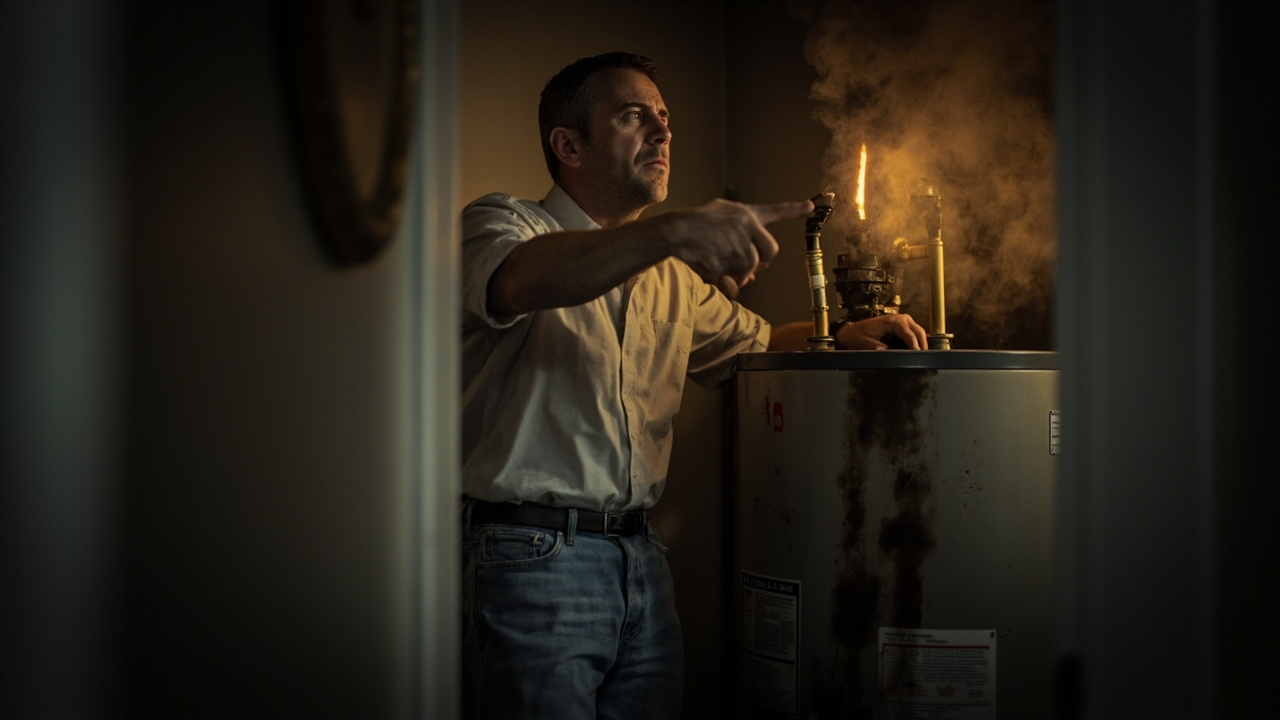
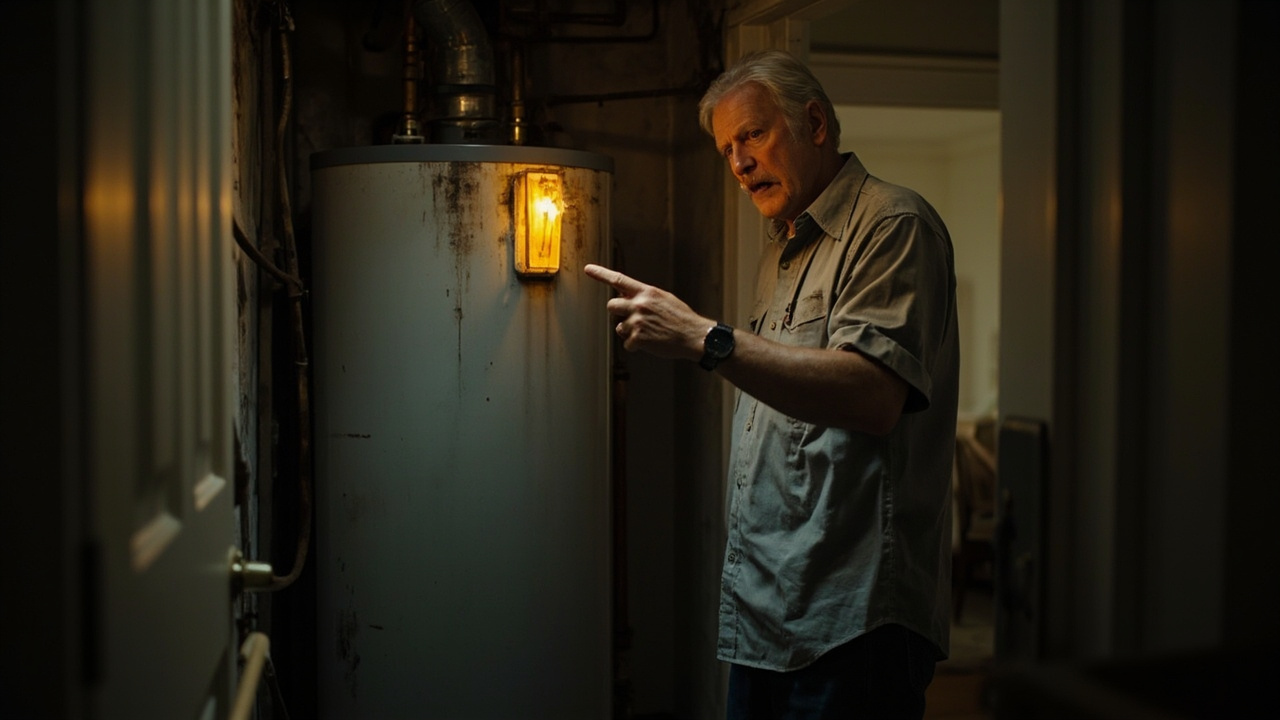
Seattle homes are built to keep rain out and heat in. This energy efficiency creates a problem when fuel-burning appliances need fresh air for combustion and exhaust. Modern weatherization practices seal homes so tight that furnaces and water heaters compete for oxygen with kitchen exhaust fans, bathroom vents, and dryer vents. When your home goes into negative pressure, exhaust gases get pulled back down the chimney or vent pipe instead of rising naturally to the outside. This backdrafting condition fills your home with carbon monoxide even when the appliances themselves are functioning correctly. The rain compounds the problem by causing rust and corrosion in vent pipes and chimney liners, creating holes that leak exhaust gases into wall cavities and living spaces. Seattle's older homes built before ventilation codes are especially vulnerable.
Peak HVAC Seattle understands the specific building practices and housing stock throughout King County. We know which neighborhoods have older homes with unlined chimneys, which areas have clay soil that causes foundation settling and separates vent pipes at the joints, and how Seattle's marine air accelerates metal corrosion compared to inland areas. This local knowledge lets us predict problems before testing confirms them. When we inspect a 1950s home in Ballard, we know to check for specific issues that would not exist in a new construction home in Redmond. Choosing a local HVAC company means working with technicians who have seen your specific type of home hundreds of times and know exactly where carbon monoxide problems hide.