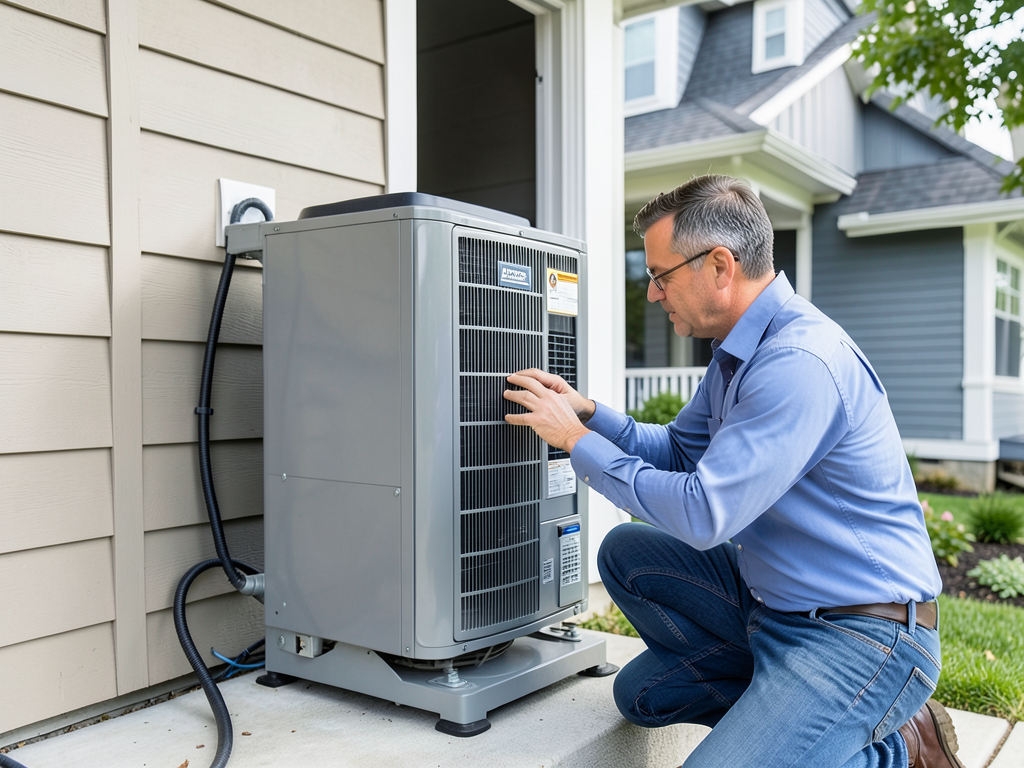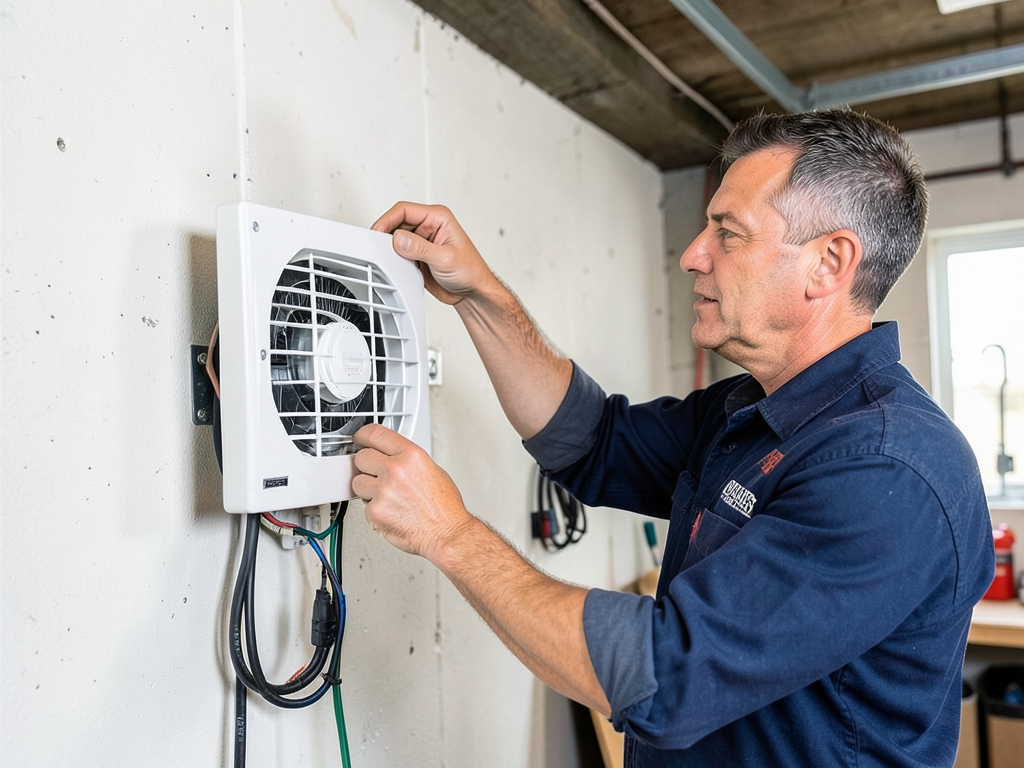







The moisture from Puget Sound and Lake Washington creates corrosion problems that accelerate component wear. Seattle averages 150 days of measurable precipitation annually. Your furnace sits idle during mild weather, then fires up when temperatures drop. This intermittent operation combined with high humidity promotes rust formation on heat exchangers and burners. The condensate produced by high-efficiency furnaces increases in Seattle's damp climate, putting extra stress on drainage systems. Salt particles carried in marine air settle on outdoor HVAC components. This salt accelerates metal corrosion faster than normal environmental exposure. Your furnace needs more frequent inspection than systems in drier climates because the failure modes differ from national patterns.
Peak HVAC Seattle maintains service records from thousands of local homes spanning decades. We track which furnace models perform best in marine climates. We document failure patterns specific to Seattle neighborhoods. This local knowledge base helps us identify potential problems before they cause breakdowns. We understand Seattle mechanical codes and the permitting requirements for furnace replacement. Our technicians train specifically on moisture-related failures and corrosion prevention. When you choose local expertise, you get maintenance protocols designed for your climate, not generic checklists from national HVAC chains. We stock parts for the equipment common in Seattle homes. We understand the seasonal demand patterns and staff accordingly.