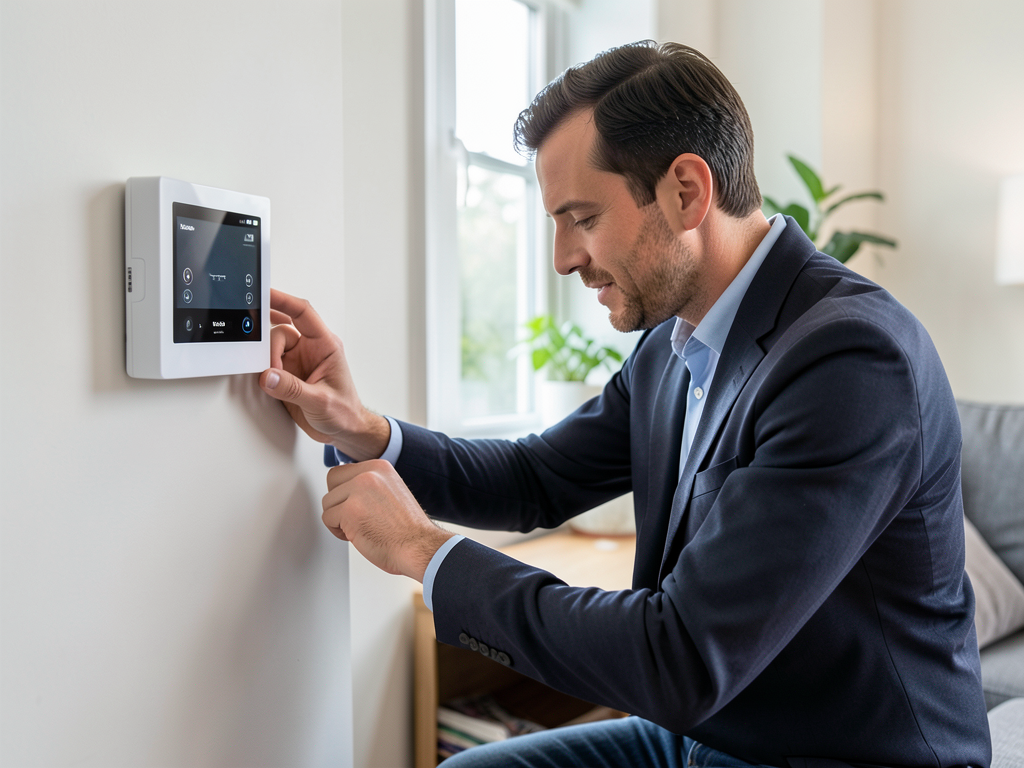





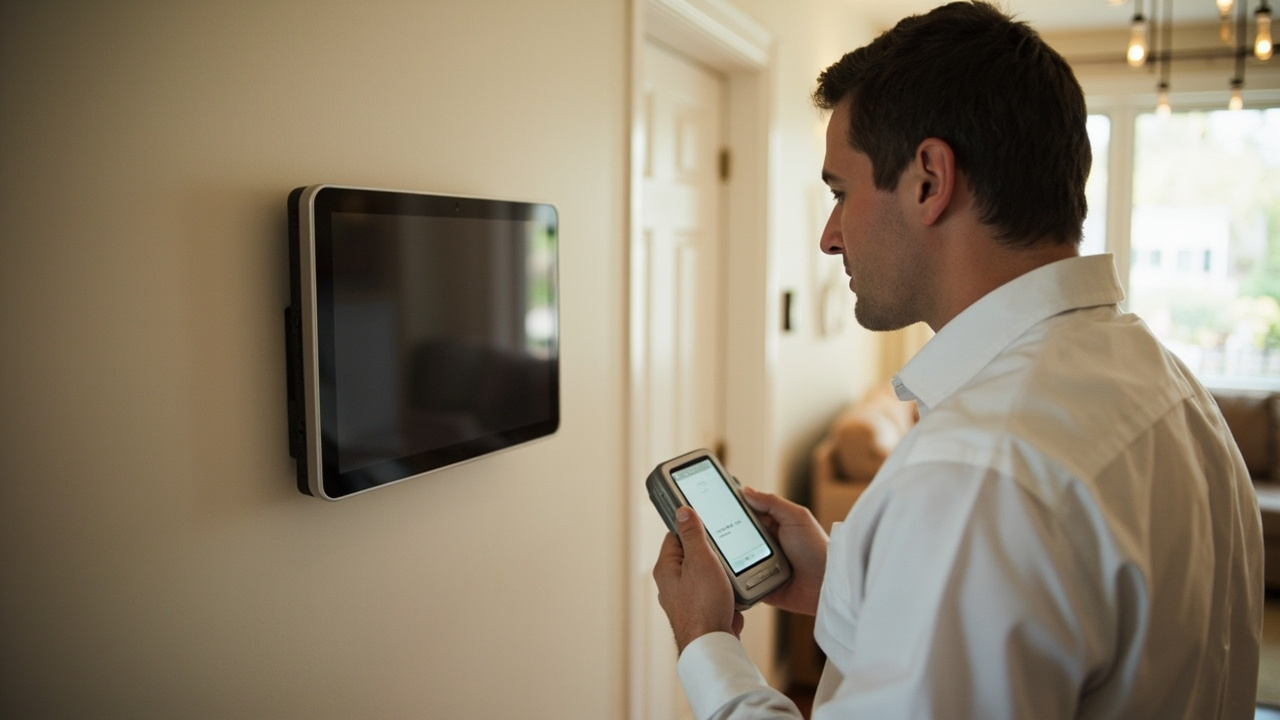
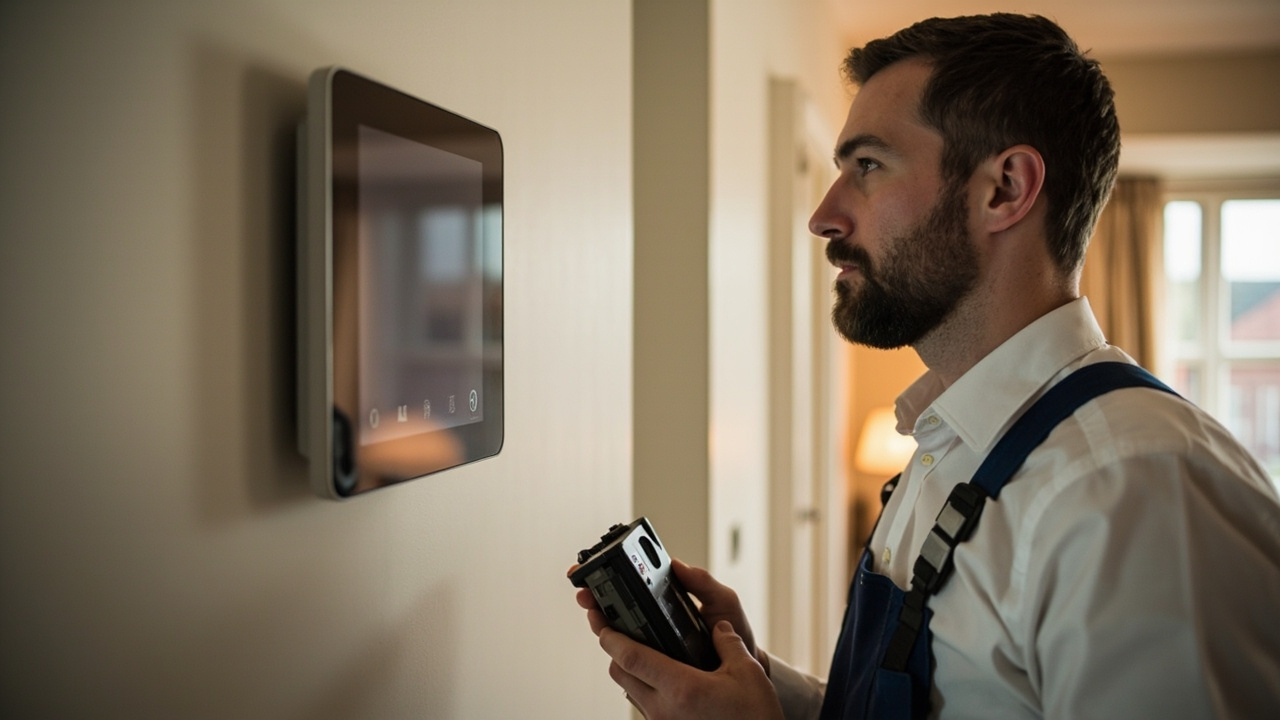
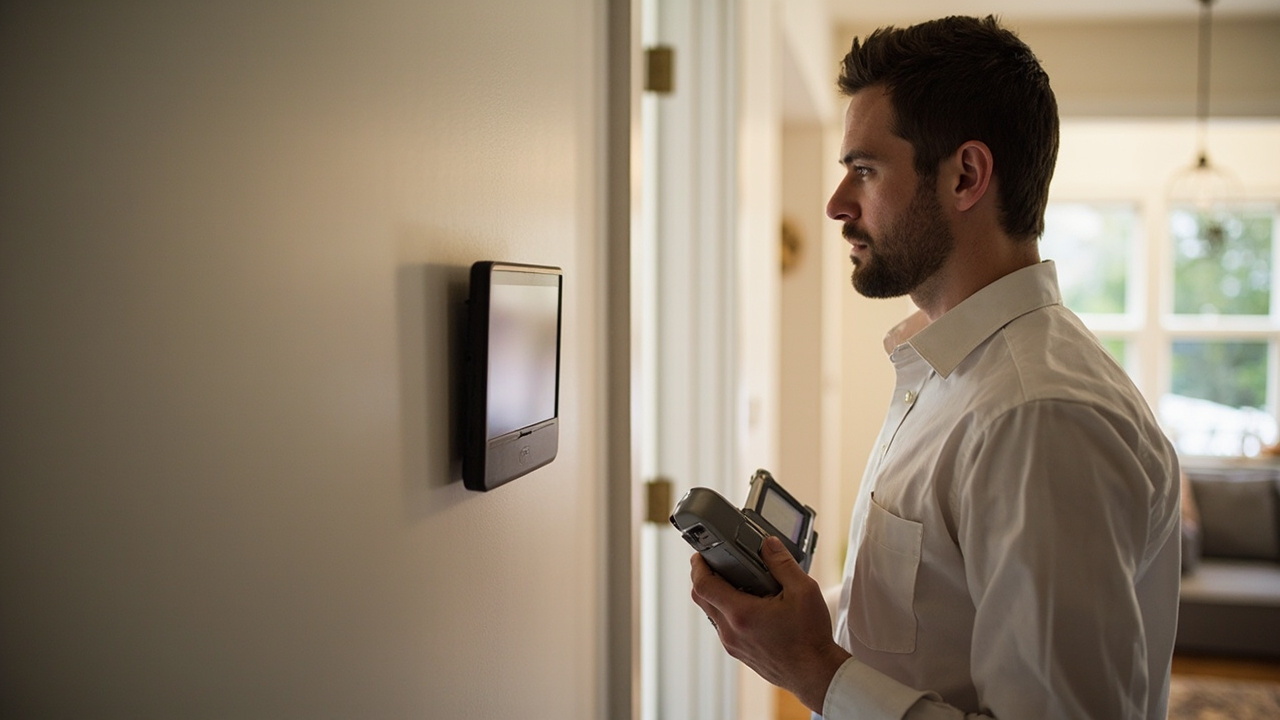
Seattle's marine climate brings constant moisture exposure that affects HVAC electrical components differently than drier regions. When your thermostat screen goes black, corrosion in low-voltage wiring is a likely culprit. The problem starts in crawl spaces and attics where humidity condenses on cool surfaces during temperature swings. This moisture creeps into wire insulation and corrodes copper conductors at connection points. Homes near Puget Sound, Lake Washington, or Lake Union face accelerated corrosion due to salt-laden air. Over years, this degradation causes intermittent connection loss that eventually leaves your thermostat display not working. Peak HVAC Seattle technicians inspect for moisture damage during every thermostat call because we understand how our local environment attacks electrical systems.
Seattle's building practices also contribute to thermostat issues. Many homes built before 1980 used junction boxes to splice thermostat wire runs through walls. These hidden connection points corrode over time, especially when located in exterior walls exposed to rain penetration. Modern Seattle building codes require continuous wire runs without splices, but older homes still have these vulnerable points. Peak HVAC Seattle maintains detailed knowledge of local construction methods across different eras and neighborhoods. We know where previous contractors likely installed junction boxes and how to access them without damaging plaster or drywall. This local expertise means faster diagnosis and cleaner repairs when your thermostat not lighting up stems from wiring issues hidden inside your walls.