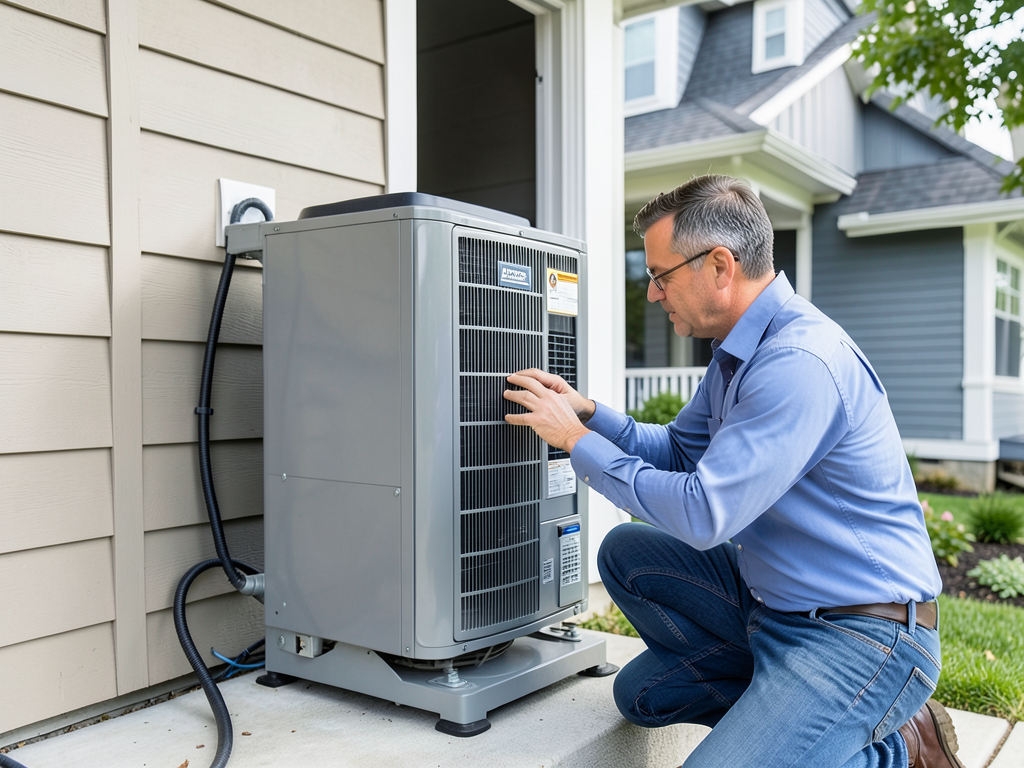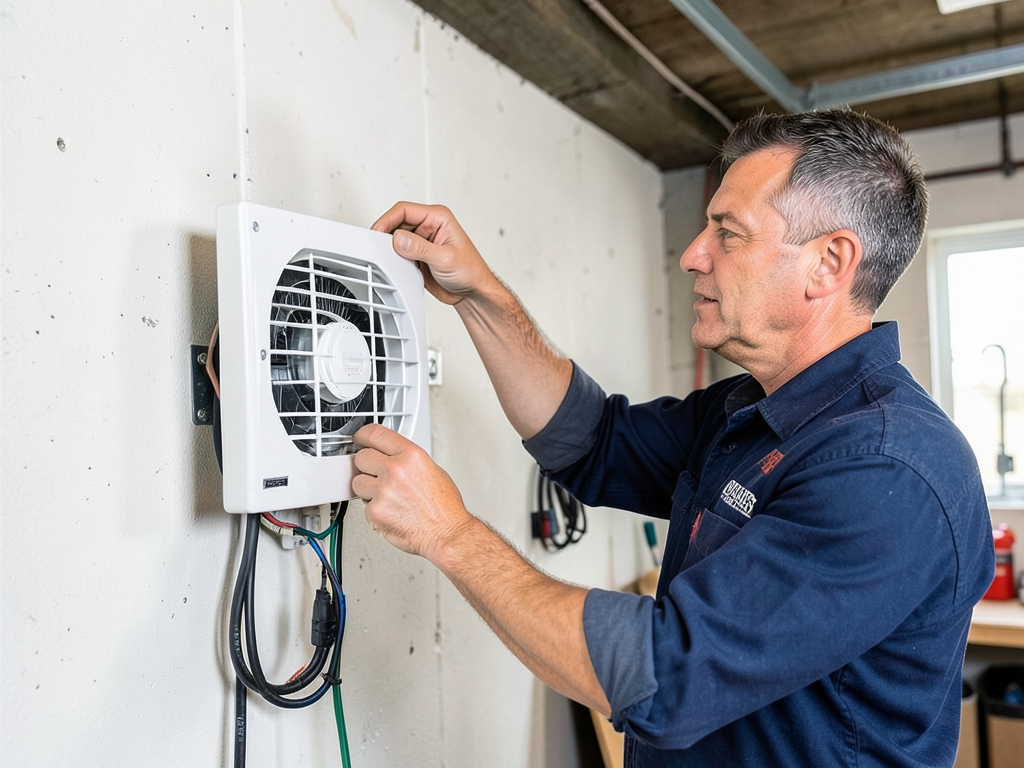







Seattle's mild, damp winters and dry summers create humidity shifts that affect HVAC performance. In winter, moist air infiltrates through leaky ductwork and makes cold spots feel even colder. In summer, dry air exacerbates hot spots and makes airflow imbalances more noticeable. Homes near the Puget Sound or Lake Washington experience even more humidity variation. When your ductwork leaks, these seasonal moisture changes worsen temperature inconsistencies and create condensation problems in unconditioned spaces like crawl spaces and attics.
Peak HVAC Seattle has worked in every Seattle neighborhood, from the steep hillside homes in Queen Anne to the split-level ramblers in Maple Leaf. We understand that older Seattle homes often have ductwork running through vented crawl spaces, which is a recipe for energy loss and uneven airflow distribution. We know which local building inspectors require permits for ductwork modifications and how to navigate Seattle's energy code requirements. When you hire a local team with years of experience in this specific climate, you get solutions that work for Pacific Northwest conditions, not generic fixes imported from drier climates.