




Menu

Benefits of Inverter Technology in Seattle – Cut Your Energy Bills by Up to 40% Year-Round

Discover how variable speed compressor technology delivers unmatched energy efficiency in Seattle's mild, damp climate while maintaining consistent comfort through every season.

Slider Image 1
Slider Image 2
Slider Image 3
Slider Image 4
Slider Image 5
Slider Image 7
Slider Image 8
Slider Image 9
Slider Image 10
Slider Image 11

Why Seattle's Climate Makes Inverter Technology a Smart Investment

Seattle's mild, damp climate creates a unique challenge for traditional HVAC systems. You rarely need full heating or cooling capacity, but conventional single-stage systems only know how to run at 100% power or shut off completely. This constant cycling wastes energy and creates temperature swings that leave rooms feeling stuffy or drafty.

The advantages of inverter air conditioners shine in this environment. Unlike older systems that blast cold air and shut down, inverter technology uses a variable speed compressor that adjusts output to match your exact needs. When it is 55 degrees and cloudy (which happens often here), your system runs at 30% capacity instead of cycling on and off repeatedly. This continuous, low-power operation is where inverter HVAC energy efficiency really matters.

Seattle homes built before 1990 often lack modern insulation standards, which means your HVAC works harder to maintain comfort. Add the moisture from Puget Sound and the Cascade foothills, and you create conditions where humidity control becomes just as important as temperature. Traditional systems cannot manage both efficiently because they only operate in on/off modes.

The pros of inverter heat pumps become clear when you factor in Seattle's heating season. From October through May, you need consistent warmth without the energy spikes that come from electric resistance heating or gas furnaces cycling on and off. Inverter technology power savings compound over time because the system never wastes energy ramping up from zero to full blast dozens of times per day.

You pay for every kilowatt-hour, and Seattle's energy rates are not dropping. The question is not whether inverter technology saves money, but how much you will save over the 15 to 20 year lifespan of your system.

Why Seattle's Climate Makes Inverter Technology a Smart Investment
How Variable Speed Compressor Benefits Transform Your Comfort and Costs

How Variable Speed Compressor Benefits Transform Your Comfort and Costs

The core difference between inverter and conventional systems is in the compressor operation. A standard compressor is binary. It runs at 100% or sits idle. An inverter-driven compressor operates on a spectrum from roughly 20% to 100% capacity, adjusting in real time based on indoor temperature, humidity, and outdoor conditions.

This variable speed operation delivers three measurable benefits. First, energy consumption drops because the system avoids the startup surge that happens every time a conventional compressor kicks on. Starting a motor requires three to five times more power than running it steadily. By staying on at low speed instead of cycling, inverter systems eliminate most of these power spikes.

Second, temperature stability improves. Seattle homes often have rooms that feel too warm or too cool depending on sun exposure through those large northwest-facing windows. Inverter systems adjust output room by room when paired with zoned ductwork, maintaining even temperatures without the two to three degree swings you get from on/off cycling.

Third, dehumidification works better. Moisture control requires airflow over the evaporator coil. Conventional systems remove humidity only when running at full blast, which happens less often in mild climates. Inverter systems run longer at lower speeds, which means more air passes over the coil and more moisture gets removed. This matters in Seattle, where indoor humidity can creep above 60% during fall and winter.

Peak HVAC Seattle installs inverter systems with attention to refrigerant line sizing, airflow balancing, and control logic programming. These details determine whether you get the full variable speed compressor benefits or just a more expensive system that performs like a conventional unit. The technology only works when the installation is done correctly.

What Happens When You Upgrade to Inverter Technology

Benefits of Inverter Technology in Seattle – Cut Your Energy Bills by Up to 40% Year-Round
01

System Assessment and Load Calculation

We measure your home's actual heating and cooling requirements using Manual J load calculations, not guesswork. This involves analyzing insulation levels, window placement, air leakage, and occupancy patterns. Seattle homes vary widely in construction quality, so accurate load calculations prevent oversizing, which kills efficiency even with inverter technology. We also test your existing ductwork for leaks and airflow restrictions that would undermine the new system's performance.
02

Equipment Selection and Design

We select inverter units based on your load calculation, not the size of your old system. Many Seattle homes have oversized equipment because contractors used rule-of-thumb sizing. We match the inverter system's modulation range to your actual needs, which ensures it operates in the most efficient part of its capacity curve. We also design refrigerant line sets and condensate drainage to handle Seattle's year-round moisture without freeze risk or water damage.
03

Installation and Commissioning

Installation takes one to two days depending on your home's configuration. We pressure test refrigerant lines, verify airflow at each register, and program the control board for your climate zone. The commissioning process includes running the system through multiple operating modes to confirm it modulates correctly and hits target temperatures without short cycling. You receive documentation of refrigerant charge, airflow measurements, and efficiency ratings so you know the system performs as designed.

Why Local Expertise Matters for Inverter System Performance

Inverter technology requires installation precision that generic HVAC contractors often miss. The difference between a system that saves 40% on energy costs and one that saves 15% comes down to refrigerant charge accuracy, airflow balancing, and control logic setup. These variables change based on altitude, ambient humidity, and local building practices.

Seattle's building codes require specific ventilation rates and combustion air provisions that affect how inverter systems integrate with your home. Older homes in neighborhoods like Queen Anne, Capitol Hill, and Ballard often have radiator heating or undersized ductwork. Converting these homes to inverter heat pumps means addressing air distribution challenges that do not exist in newer construction.

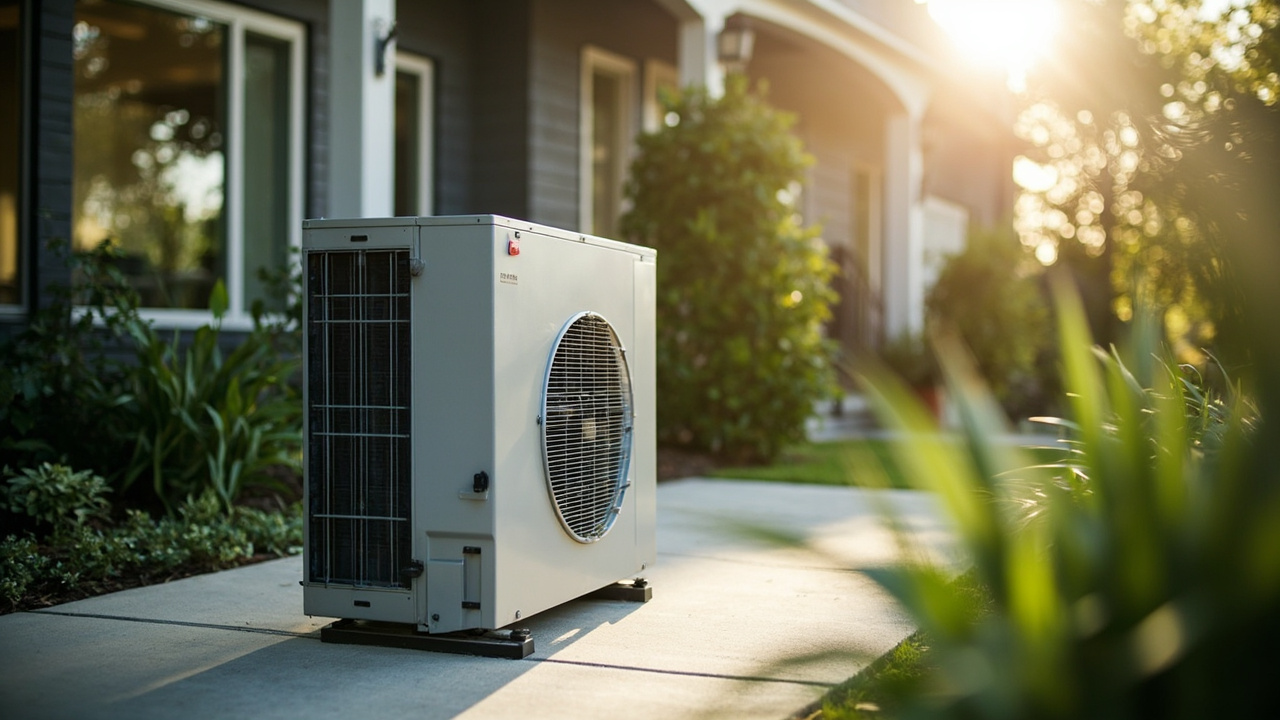
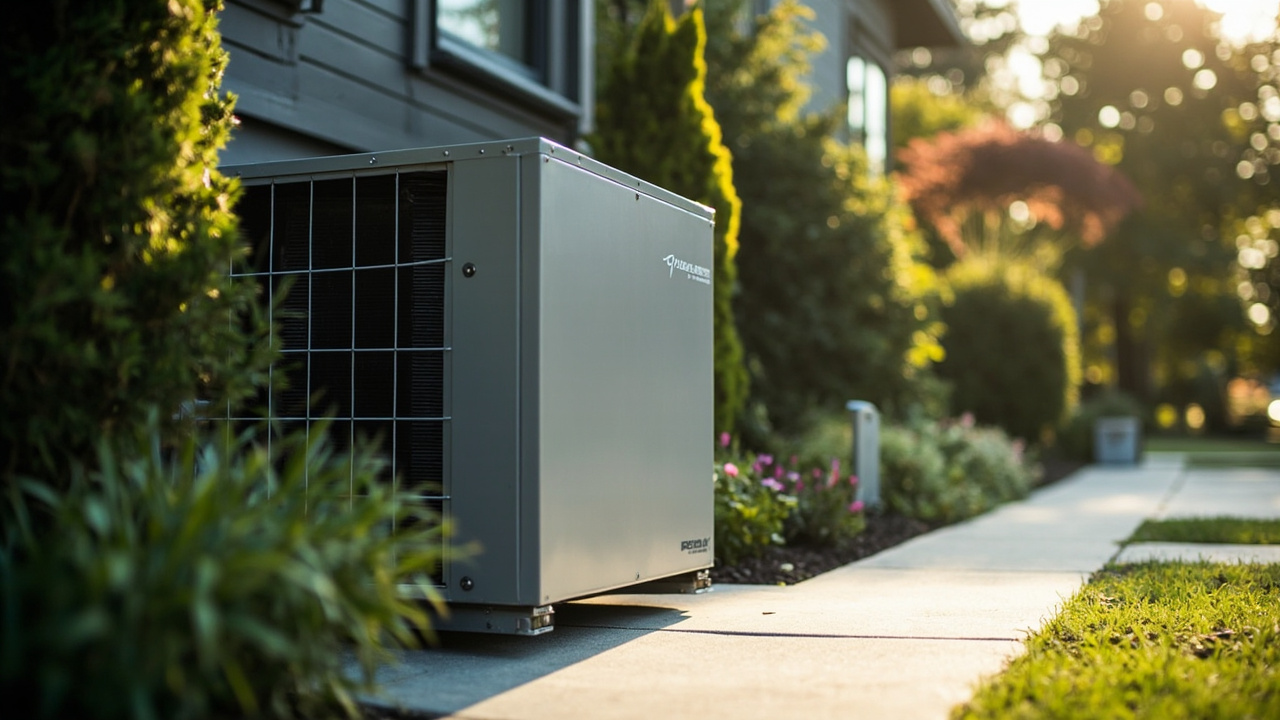
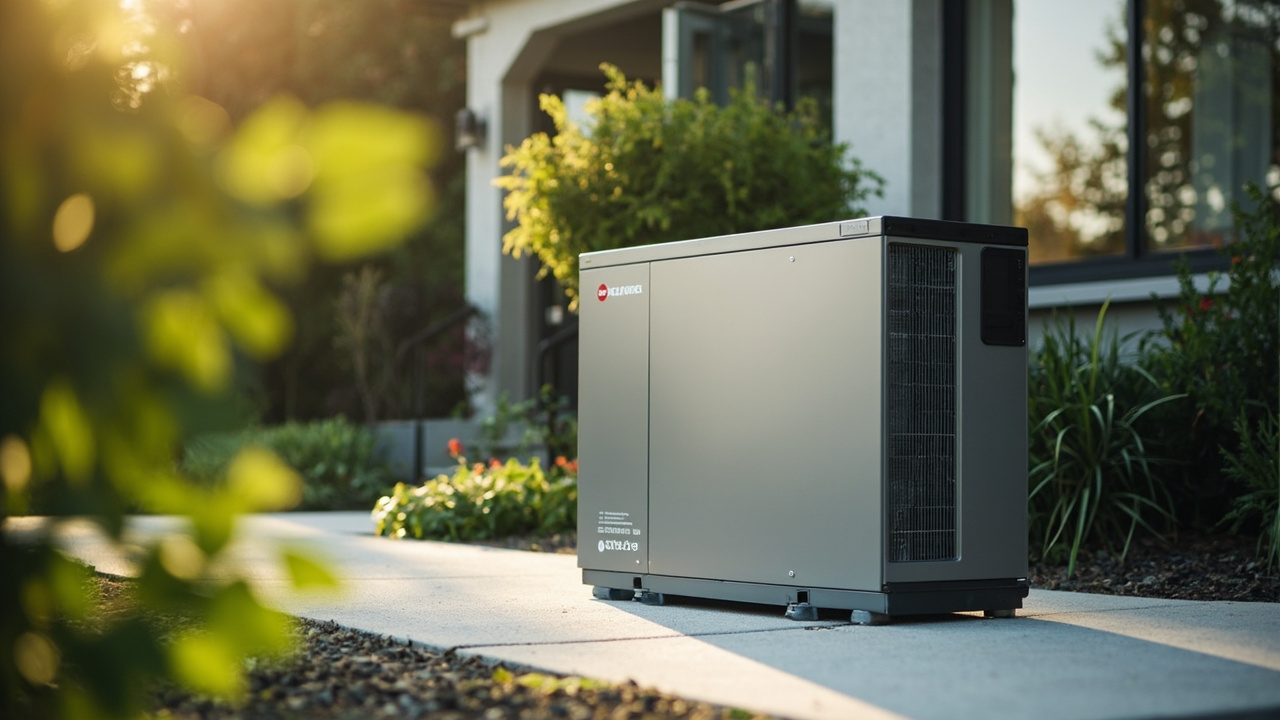
Peak HVAC Seattle works with Seattle's permitting requirements and understands how local inspectors evaluate inverter installations. We know which duct modifications pass inspection and which ones get red-tagged. We also understand how Seattle's marine climate affects outdoor unit placement. Condensing units placed on north-facing walls or in shaded courtyards experience different operating conditions than units in direct sun, and inverter systems need proper clearances and drainage to handle Seattle's rainfall.

Local experience also means we stock the right equipment for this market. Not every inverter system handles moisture well, and some brands perform better in mild climates than others. We install units proven to work in the Pacific Northwest, and we maintain parts inventory for fast repairs. When your inverter system needs service, you do not wait two weeks for a specialty part to ship from another region.

You also get support from technicians who understand how these systems behave in real Seattle conditions, not theoretical lab settings. We know what normal sounds like, how the system should respond during a cold snap, and what performance metrics indicate trouble before you notice comfort problems.

What to Expect from Your Inverter System Installation

Installation Timeline and Scheduling

Most inverter system installations take one to two days from start to finish. We schedule around your availability and provide a specific arrival window, not an all-day block. Day one involves removing your old equipment, installing the new indoor and outdoor units, and running refrigerant lines. Day two covers electrical connections, system startup, and performance verification. If your home needs duct modifications or electrical panel upgrades, we complete those before the main installation. You get a clear timeline during your consultation so you can plan accordingly without surprise delays.

Pre-Installation Consultation and Planning

Your consultation includes a room-by-room assessment of your current system's performance. We document hot spots, cold rooms, and humidity issues so we can address them in the new design. We also review your utility bills to establish a baseline for measuring future savings. You receive a written proposal detailing equipment specifications, projected energy savings, and installation scope. We explain how inverter technology works in plain language and answer questions about operation, maintenance, and expected lifespan. This conversation ensures you understand what you are getting and why it costs what it does.

System Performance and Efficiency Gains

You should notice immediate improvements in temperature consistency and reduced noise levels. Inverter systems operate quieter than conventional units because the compressor rarely runs at full speed. Energy savings show up over your first full billing cycle, with the largest reductions appearing during shoulder seasons when the system operates in its most efficient range. We provide performance benchmarks based on your home's characteristics so you can track actual savings against projections. Most Seattle homeowners see energy reductions between 30% and 45% compared to their old single-stage systems, with the highest savings in spring and fall.

Ongoing Maintenance and System Support

Inverter systems require annual maintenance to maintain efficiency and catch small issues before they become expensive repairs. We check refrigerant levels, clean coils, inspect electrical connections, and verify the system still modulates correctly across its operating range. Seattle's moisture and pollen require more frequent filter changes than drier climates, and we set up reminders so you do not forget. You also get access to priority service if something goes wrong. Most inverter components last 15 to 20 years with proper care, but compressors and control boards occasionally fail. We stock common parts and can usually complete repairs within 24 hours.

Frequently Asked Questions

You Have Questions,
We Have Answers

What are the benefits of inverter technology? +

Inverter technology adjusts compressor speed to match your exact heating or cooling demand. This means lower energy bills, quieter operation, and faster temperature recovery. In Seattle, where mild springs and falls require minimal heating, inverters excel by running at low speeds instead of cycling on and off. You avoid energy waste from constant startups. Inverters also handle our damp winters better by maintaining consistent humidity control. Expect 30-40% energy savings compared to single-stage systems. The technology extends equipment lifespan by reducing mechanical stress. For Seattle's variable climate, inverters deliver comfort without the temperature swings.

What is the disadvantage of an inverter? +

Inverter systems cost more upfront than traditional single-stage units. You may pay 20-30% extra for equipment and installation. The complex electronics can be harder to repair if components fail outside warranty. Not every HVAC technician in Seattle has deep inverter training, so choose your contractor carefully. In extremely cold weather below 5 degrees Fahrenheit, some inverter heat pumps lose efficiency, though Seattle rarely hits those temperatures. The control boards are sensitive to power surges. If you plan to move within three years, you may not recoup the higher investment through energy savings.

What are inverters good for? +

Inverters shine in variable climate conditions like Seattle experiences. They modulate output to match real-time demand, running at 40% capacity on mild days instead of full blast. This prevents the short cycling that wears out equipment and spikes energy use. Inverters maintain tighter temperature control, keeping your home within one degree of setpoint. They dehumidify better during spring and fall by running longer at lower speeds. The variable speed operation cuts noise dramatically. For homes with zoning systems or ductless mini-splits, inverters enable true room-by-room comfort. They also pair well with heat pumps for efficient heating during Seattle's moderate winters.

What should you not plug into an inverter? +

Avoid plugging motor-heavy appliances with high startup surge into small inverters. This includes older refrigerators, sump pumps, and power tools without soft-start features. Laser printers draw massive spikes that can overload inverters. Space heaters and hair dryers pull constant high wattage that drains batteries fast. Medical equipment like CPAP machines needs pure sine wave inverters, not modified sine wave models. Sensitive electronics such as gaming computers may suffer from power quality issues with cheap inverters. Always check the inverter's continuous wattage rating and surge capacity before connecting devices. Match your load to inverter specs carefully.

Can an inverter run a fridge? +

Yes, but size the inverter correctly. Modern Energy Star refrigerators draw 100-200 watts running but need 600-800 watts at startup when the compressor kicks in. Choose an inverter rated for at least three times your fridge's running wattage to handle surge. Pure sine wave inverters work best to protect the compressor electronics. In Seattle, where power outages from windstorms occur, a 1500-2000 watt inverter with adequate battery capacity keeps your fridge running for hours. Inverter refrigerators with variable speed compressors are easier to power than older models. Calculate your runtime needs based on battery amp hours available.

Is it worth getting an inverter? +

For Seattle homeowners planning to stay five years or longer, inverters pay off through energy savings and comfort. If your current system is 12-plus years old and needs replacement anyway, the incremental cost is justified. Homes with poor insulation or large temperature swings between rooms benefit most. If you work from home and value quiet operation, inverters deliver. However, if you are budget-constrained or moving soon, a high-efficiency single-stage system may suffice. Consider utility rebates and tax credits that reduce net cost. Run the numbers based on your actual energy bills and usage patterns before deciding.

What are the problems with inverters? +

Control board failures are the most common inverter issue. Power surges from Seattle's grid fluctuations can damage sensitive electronics. Some inverter compressors develop refrigerant leaks at connection points due to vibration from variable speed operation. Software glitches occasionally cause erratic behavior or failure to start. Repair costs run higher because you need specialized parts and trained technicians. Inverters are less forgiving of improper installation, incorrect refrigerant charge, or dirty coils. Cold weather performance drops faster than single-stage systems when outdoor temps fall below 20 degrees Fahrenheit. Regular maintenance is critical to prevent expensive breakdowns.

What is the 3 minute rule for AC? +

The three-minute rule prevents compressor damage by stopping short cycling. After your AC shuts off, refrigerant pressure must equalize between the high and low sides before restarting. Starting with unequal pressure forces the compressor to work against resistance, causing mechanical stress and potential failure. Most modern thermostats enforce this delay automatically. Inverter systems handle this differently because they ramp speed gradually rather than hard starting. In Seattle's mild climate, short cycling happens more often with oversized single-stage units during spring and fall. The delay protects your investment. Never override this safety feature manually.

Which one is better, AC or inverter? +

This question compares apples to oranges. All air conditioners use AC power. The real question is inverter-driven variable speed versus single-stage fixed speed. Inverter systems cost more but save 30-40% on energy by matching output to demand. They run quieter and maintain tighter temperature control. Single-stage units are cheaper upfront but cycle on and off, wasting energy and wearing components faster. For Seattle's moderate climate with long shoulder seasons, inverters excel by running efficiently at partial load. If budget allows, inverter technology delivers better long-term value through comfort and lower operating costs.

Can I run a TV off an inverter? +

Yes, TVs are ideal for inverter power. Modern LED TVs draw only 50-150 watts, well within most inverter capacities. Use a pure sine wave inverter to protect sensitive electronics and prevent screen flickering or audio buzz. Calculate runtime by dividing your battery amp hours by TV wattage. A 100-amp-hour battery runs a 100-watt TV for roughly 10 hours, accounting for inverter efficiency losses. During Seattle power outages from winter storms, this setup keeps you informed. Avoid plugging sound systems or game consoles into cheap modified sine wave inverters. Always leave headroom in your inverter capacity for startup surges.

How Seattle's Mild, Damp Climate Makes Inverter Technology Essential

Seattle's average temperature fluctuates between 45 and 75 degrees for most of the year, which means you rarely need full heating or cooling capacity. Traditional systems sized for the coldest winter days and hottest summer afternoons spend most of their operating time cycling on and off because the load is too light. This creates comfort problems and wastes energy. Inverter technology solves this by running continuously at low output, which matches Seattle's moderate climate better than any conventional system. The marine air from Puget Sound also carries moisture that conventional systems cannot manage efficiently because they only dehumidify during full-speed operation.

Seattle's energy codes have evolved to prioritize efficiency, and inverter systems help you stay ahead of future requirements. The city has committed to aggressive carbon reduction targets, and older HVAC systems represent one of the largest sources of residential energy waste. By upgrading now, you avoid future compliance issues and potential retrofit mandates. Peak HVAC Seattle stays current with local code changes and utility rebate programs, which means we can help you maximize available incentives while ensuring your installation meets all permit requirements. Local expertise matters because Seattle's permitting process differs from surrounding counties, and mistakes delay projects and cost money.
HVAC Services in The Seattle Area

Conveniently located to serve the greater Seattle area, Peak HVAC Seattle is dedicated to providing reliable and prompt services to our community. Our local presence ensures we can respond quickly to your needs, delivering expert heating and cooling solutions right to your doorstep. Whether you’re a homeowner or business owner, we’re committed to being your trusted, neighborhood HVAC partner for a perfectly comfortable indoor environment.

Address:
Peak HVAC Seattle, 401 Broadway E, Seattle, WA, 98102

Additional Services We Offer

Our news updates

Latest Articles & News from The Blogs

How a modern HVAC system helps your Mercer Island home sell faster during a staging Buyers walking through your Mercer…

How a modern HVAC system helps your Mercer Island home sell faster during a staging

How a modern HVAC system helps your Mercer Island home sell faster during a staging Buyers walking through your Mercer…

Safe ventilation for woodworking and metal shops in Georgetown garages

Georgetown’s industrial heritage and maker culture mean many Seattle residents have converted their garages into woodworking or metal shops. But…

Integrating your security system with your HVAC for a safer Somerset home in 2026

Integrating your security system with your HVAC for a safer Somerset home in 2026 Smart home technology is evolving fast…

Contact Us

Call Peak HVAC Seattle at (564) 220-5899 to schedule your free consultation. We will assess your home, calculate your potential savings, and explain how inverter technology works for your specific situation.