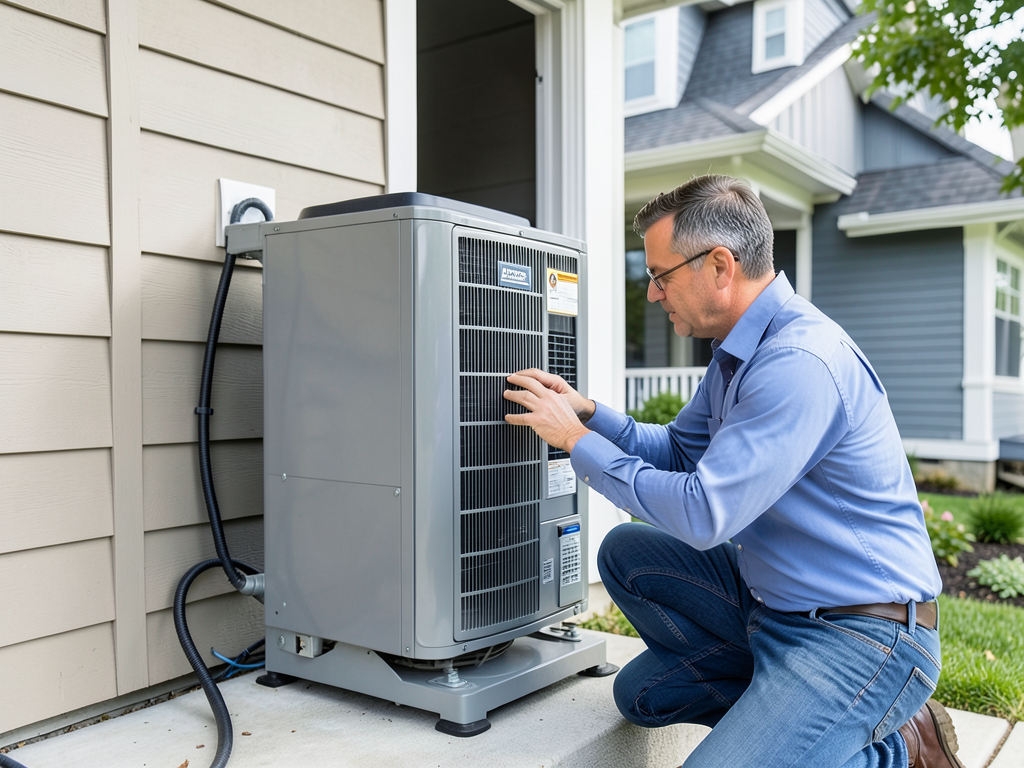







Seattle's moderate temperatures create the ideal operating range for heat pump technology. Unlike harsh winter climates where temperatures plunge below 10 degrees and compromise heat pump efficiency, Seattle's average winter low of 37 degrees allows ductless heat pumps to extract ambient heat efficiently without backup resistance heating. The city's summer cooling season is short and mild, with average highs in the mid-70s and only occasional peaks into the 90s. This climate profile means ductless mini-split systems operate in their optimal efficiency range year-round, delivering heating and cooling at a fraction of the energy cost of baseboard electric heat or window air conditioners, both common in older Seattle homes.
Seattle's building stock and environmental priorities align perfectly with ductless technology. The city actively incentivizes electrification and heat pump adoption through Seattle City Light rebate programs. Local energy codes increasingly favor high-efficiency electric heating over natural gas, particularly in new construction and major renovations. Homeowners in neighborhoods like Fremont, Greenwood, and West Seattle are upgrading from inefficient oil furnaces and electric baseboards to ductless systems that cut heating costs while reducing carbon emissions. Peak HVAC Seattle helps you navigate available rebates and utility incentives, maximizing your return on investment while supporting Seattle's climate action goals.