




Menu

Heat Pump Repair & Installation in Seattle – Year-Round Comfort for Homes and Businesses

Whether you need emergency heat pump repair on a freezing December night or a full heat pump system installation for new construction, Peak HVAC Seattle delivers expert service that keeps Seattle homes and businesses comfortable through every season.

Slider Image 1
Slider Image 2
Slider Image 3
Slider Image 4
Slider Image 5
Slider Image 7
Slider Image 8
Slider Image 9
Slider Image 10
Slider Image 11

Why Seattle's Marine Climate Demands Expert Heat Pump Service

Seattle's marine climate creates unique demands on heat pump systems. You face wet winters that hover just above freezing, mild summers with surprise heat waves, and humidity levels that fluctuate wildly between seasons. This combination puts constant stress on heat pump components.

When temperatures drop to the low 30s during winter, your heat pump works overtime to extract heat from cold, damp air. The defrost cycles run more frequently here than in drier climates. If your heat pump struggles to keep up or freezes solid during these cycles, you need heat pump service from technicians who understand Pacific Northwest weather patterns.

Summer brings different challenges. When temperatures spike to 85 or 90 degrees in July and August, many older heat pump systems lack the cooling capacity for these heat waves. You might notice reduced airflow, warm spots in upper floors, or the system running continuously without reaching your set temperature.

The moisture-heavy air also accelerates corrosion on outdoor units, particularly in neighborhoods near Puget Sound like Ballard, West Seattle, or Magnolia. Salt air eats away at coils and electrical connections faster than you'd expect. Regular heat pump installers from other regions miss these coastal degradation patterns.

Emergency heat pump repair becomes critical when your system fails during temperature extremes. A broken heat pump in January means your backup electric resistance heat kicks in, and your power bill triples overnight. In older Seattle homes with inadequate insulation, you can lose 5 to 10 degrees in just a few hours.

Heat pump replacement often makes more financial sense than repeated repairs on systems over 12 years old, especially given the efficiency gains in modern variable-speed compressors designed specifically for our moderate climate zone.

Why Seattle's Marine Climate Demands Expert Heat Pump Service
How We Diagnose and Fix Heat Pump Problems Right the First Time

How We Diagnose and Fix Heat Pump Problems Right the First Time

Our diagnostic approach goes beyond surface symptoms. When you call for heat pump repair, we start with compressor amperage draw, suction and discharge pressures, and subcooling measurements. These data points tell us whether you have a refrigerant leak, a failing reversing valve, or a compressor on its last legs.

We check your defrost control board operation because faulty defrost cycles cause 60 percent of winter heat pump failures in Seattle. If your outdoor coil stays frozen, the system cannot absorb heat from the outside air. We test the defrost thermostat, timer, and relay separately rather than swapping parts randomly.

For heat pump system installation, we perform Manual J load calculations specific to your home's envelope, orientation, and window quality. Seattle's temperate climate means you need right-sized equipment. Oversized units short-cycle and fail to dehumidify properly during our damp springs and falls. Undersized units run constantly during heat waves and cold snaps, wearing out components prematurely.

We evaluate your existing ductwork for leaks and sizing issues. Many Seattle homes built before 1990 have undersized return ducts that starve the heat pump of airflow. Low airflow causes the indoor coil to freeze in cooling mode and triggers high head pressure that damages the compressor.

Our heat pump installers pressure-test refrigerant lines, pull a deep vacuum to remove moisture, and verify charge by superheat and subcooling rather than just topping off refrigerant. Incorrect refrigerant charge reduces efficiency by 20 percent and shortens compressor life.

We also assess your electrical service. Heat pump replacement often requires upgrading to a 200-amp service panel, especially in older Seattle neighborhoods like Wallingford or Queen Anne where homes still run on 100-amp services.

What Happens During Your Heat Pump Service Appointment

Heat Pump Repair & Installation in Seattle – Year-Round Comfort for Homes and Businesses
01

System Performance Testing

We arrive with diagnostic equipment to measure real-time performance data. You get temperature splits across the indoor coil, refrigerant pressures, airflow measurements, and electrical readings. This baseline tells us whether your system operates within manufacturer specifications or needs immediate attention. We check both heating and cooling modes even if you only called about one issue, because problems often hide in the mode you are not currently using.
02

Component Inspection and Recommendations

After testing, we inspect every major component. You see photos of corroded contactors, worn fan motors, or damaged reversing valves. We explain what each part does and why it matters for your comfort. If you need heat pump replacement rather than repair, we show you the math on repair costs versus new equipment efficiency. You get transparent information to make informed decisions about emergency heat pump repair versus planned heat pump system installation.
03

Repair or Installation Completion

For repairs, we complete the work and retest all performance metrics to confirm the fix solved your problem. For heat pump installers doing new installations, we walk you through thermostat programming, filter locations, and maintenance requirements. You receive documentation of all work performed, warranty information, and a maintenance schedule customized to Seattle's climate. We verify you understand how to optimize your new system for both heating and cooling seasons.

Why Seattle Property Owners Choose Peak HVAC Seattle

Peak HVAC Seattle understands the specific challenges Seattle's climate creates for heat pump systems. We have worked in neighborhoods from Capitol Hill to Greenwood, from Fremont to Columbia City. Each area has different microclimates and housing stock that affect heat pump performance.

In Queen Anne and Capitol Hill, we regularly service heat pumps in homes built between 1900 and 1940. These older homes have plaster walls, minimal insulation, and single-pane windows. Your heat pump system installation must account for higher heat loss than newer construction. We size equipment based on your actual building envelope, not just square footage.

West Seattle and Ballard properties near the water face accelerated corrosion from salt air. We recommend specific coil coatings and more frequent maintenance intervals for these locations. Our heat pump service includes checking for early corrosion signs that other technicians miss.

We stay current on Seattle energy codes and utility rebate programs. When you need heat pump replacement, we help you navigate Puget Sound Energy and Seattle City Light incentive programs that can offset installation costs. Many property owners qualify for rebates but never claim them because their contractor does not handle the paperwork.

Our commercial heat pump service covers everything from small retail spaces in the University District to multi-family buildings in South Lake Union. We understand commercial building codes, tenant improvement requirements, and the documentation you need for property management companies.

We also recognize that emergency heat pump repair cannot wait. When your system fails at 10 PM on a Sunday in January, you need someone who answers the phone and shows up prepared. We stock common parts for major heat pump brands on our service vehicles because Seattle supply houses close early and do not open weekends.

You work with the same technicians on repeat visits. They remember your system quirks, your property layout, and your comfort preferences. This continuity prevents the frustration of explaining your situation to a new person every time you call for heat pump installers or service technicians.

What You Can Expect When You Work With Us

Response Time and Availability

We answer calls seven days a week and dispatch emergency heat pump repair technicians within two hours for urgent situations. Non-emergency heat pump service appointments typically happen within 24 to 48 hours of your call. For heat pump system installation, we provide firm start dates and complete most residential installations in one to two days depending on ductwork modifications. Commercial projects get detailed schedules with milestone dates. You receive text updates when our technician is en route, so you are never left waiting and wondering when we will arrive.

Thorough System Assessment

Every service call includes comprehensive diagnostics, not just a quick look at obvious problems. We test refrigerant charge, measure airflow, check electrical connections, inspect ductwork at accessible points, and evaluate your thermostat programming. You receive a written report with photos of any problem areas. For heat pump replacement consultations, we calculate actual heating and cooling loads for your space, evaluate your existing electrical service capacity, and provide multiple equipment options at different efficiency levels. You get the information you need to make decisions that fit your budget and comfort requirements.

Quality Results That Last

Our heat pump installers follow manufacturer specifications exactly to protect your equipment warranty. We pressure-test all refrigerant connections, verify correct charge by multiple methods, seal and insulate all ductwork penetrations, and confirm proper condensate drainage. After heat pump repair work, we retest system performance to verify the fix actually solved your problem. You will not experience the frustration of paying for repairs that do not work or having the same problem return two weeks later. Our work gets your system back to factory performance standards or we keep working until it does.

Ongoing Support and Maintenance

After heat pump system installation or major repairs, we provide clear maintenance guidelines specific to your equipment and Seattle's climate. We recommend inspection timing based on your actual usage patterns and whether you face salt air exposure or other environmental factors. Our maintenance visits catch small problems before they become emergency heat pump repair situations. We keep detailed service records in our system, so every technician who visits your property knows your equipment history. You also get priority scheduling and preferred rates when you maintain regular service intervals with us.

Frequently Asked Questions

You Have Questions,
We Have Answers

What is the average cost of a heat pump installation? +

Heat pump installation costs in Seattle vary based on system size, brand, and your home's specific requirements. A complete system for a typical Seattle home ranges from several thousand to over ten thousand dollars. Factors include ductwork modifications, electrical upgrades, and whether you choose a ducted or ductless mini-split system. Seattle's mild climate makes heat pumps highly efficient here, which can offset higher upfront costs through lower monthly energy bills. Your installer will assess your home's square footage, insulation quality, and existing infrastructure to provide an accurate estimate tailored to your property.

What is the $5000 rule for HVAC? +

The $5000 rule is a simple calculation to help homeowners decide between repair and replacement. Multiply your HVAC system's age by the repair cost estimate. If the result exceeds $5000, replacement makes more financial sense than repair. For example, if your 12-year-old heat pump needs a $500 repair, that equals $6000, suggesting replacement is smarter. This guideline helps Seattle homeowners avoid throwing money at aging equipment that will likely fail again soon. The rule accounts for diminishing returns on older systems that lack modern efficiency standards.

How expensive is it to fix a heat pump? +

Heat pump repair costs in Seattle depend on what component failed. Simple fixes like thermostat replacements or refrigerant top-offs cost a few hundred dollars. More serious issues like compressor failure, reversing valve replacement, or refrigerant leaks run significantly higher. Emergency repairs outside normal business hours increase costs. Seattle's moderate climate means heat pumps work year-round, so addressing problems quickly prevents further damage. A qualified technician will diagnose the issue and explain whether repair makes sense or if your system's age and condition warrant replacement instead.

How much does it typically cost to install a heat pump? +

Installing a heat pump in Seattle typically costs between mid-range to premium pricing based on system type and home size. Ductless mini-split installations often cost less than whole-home ducted systems. Your final price depends on equipment brand, efficiency rating, labor complexity, and necessary electrical work. Seattle's energy-conscious homeowners often choose higher-efficiency models that cost more upfront but deliver better performance and lower utility bills. Many installations qualify for utility rebates through Seattle City Light or Puget Sound Energy, which can offset initial costs. Get multiple quotes from licensed contractors for accurate pricing.

What is the average lifespan of a heat pump? +

Heat pumps typically last 15 to 20 years with proper maintenance. Seattle's mild, damp climate can actually extend heat pump lifespan compared to regions with temperature extremes. Your system works less hard here because it rarely faces brutal cold or scorching heat. Regular maintenance, including annual tune-ups, filter changes, and keeping outdoor units clear of debris, maximizes longevity. Coastal moisture and occasional freezing temperatures require attention to drainage and defrost cycles. A well-maintained heat pump in Seattle often reaches the upper end of its expected lifespan.

How much does a heat pump cost for a 2000 square foot home? +

A 2000 square foot home in Seattle typically requires a heat pump system in the mid-range capacity, translating to costs from several thousand to over ten thousand dollars installed. Your actual needs depend on insulation quality, window efficiency, ceiling height, and home layout. Seattle's temperate climate means you need less heating and cooling capacity than homes in extreme climates, potentially lowering equipment costs. Ductless multi-zone systems offer flexibility for Seattle's many older homes with limited ductwork. Energy-efficient models cost more upfront but reduce monthly bills significantly.

Is a new HVAC system tax deductible in 2025? +

Heat pump installations may qualify for federal tax credits through the Energy Efficient Home Improvement Credit in 2025. This credit covers qualifying energy-efficient HVAC equipment up to certain dollar limits and percentage thresholds. Heat pumps meeting specific efficiency standards qualify. Seattle homeowners should verify current IRS guidelines and equipment eligibility before purchase. Additionally, local utility rebates from Seattle City Light or Puget Sound Energy can provide further savings. Consult a tax professional to understand how credits apply to your situation, and keep all documentation and manufacturer certifications for filing.

What is the 2 foot rule for HVAC? +

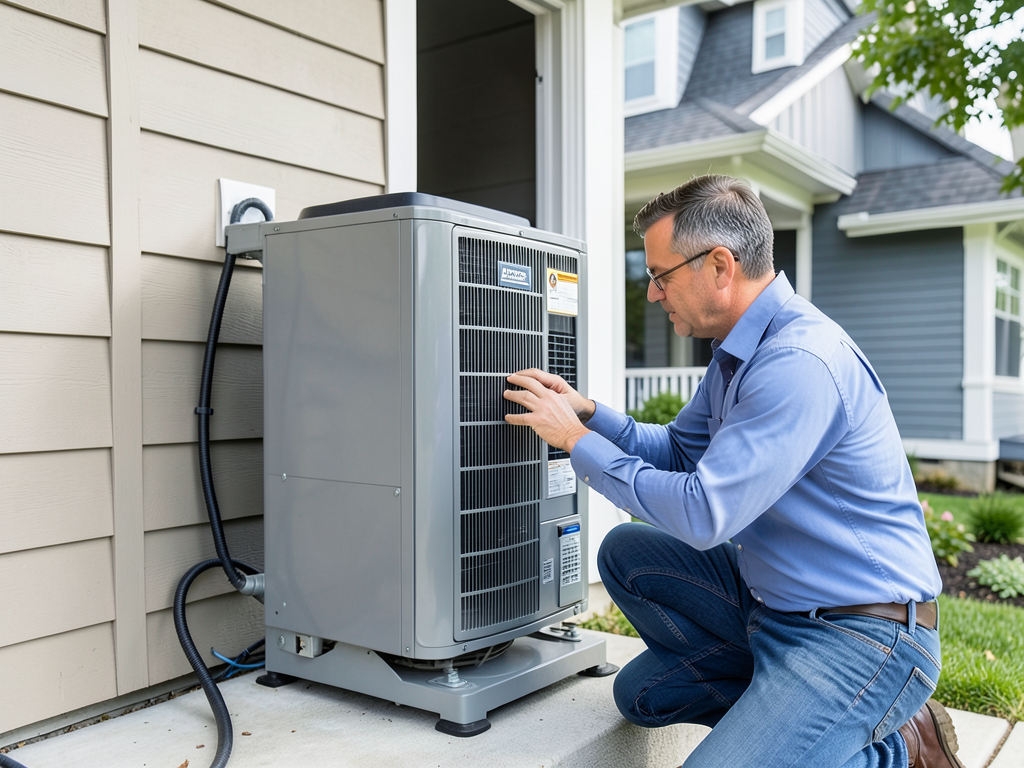
The 2-foot rule states you must maintain at least two feet of clearance around outdoor HVAC units for proper airflow and service access. This applies to heat pump outdoor condensers common in Seattle installations. Encroaching vegetation, fences, lawn equipment, or debris restricts airflow, forcing your system to work harder and reducing efficiency. Seattle's lush greenery grows quickly, so trim back shrubs and plants regularly. Adequate clearance also allows technicians to perform maintenance and repairs safely. Snow accumulation in Seattle's occasional winter weather should be cleared from around units to maintain proper operation.

What is the best month to buy an HVAC system? +

The best time to buy an HVAC system in Seattle is during shoulder seasons, typically late fall or early spring. Demand drops after summer cooling and before winter heating, giving you better pricing and scheduling flexibility. Contractors offer promotions during slower periods to maintain steady business. Seattle's mild climate means you face less urgency compared to extreme-weather regions, allowing strategic timing. Avoid emergency replacements during peak summer or rare cold snaps when prices spike and availability shrinks. Plan ahead if your system shows age or declining performance to capitalize on off-season advantages.

What is the most common problem with heat pumps? +

The most common heat pump problem is refrigerant leaks, which reduce heating and cooling capacity. Seattle homeowners also face frozen coils during damp winter conditions when defrost cycles malfunction. Dirty filters restrict airflow and force systems to work harder, increasing wear on components. Electrical issues, failed capacitors, and reversing valve problems prevent proper heating or cooling mode switching. Seattle's year-round operation means heat pumps accumulate wear faster than systems used seasonally. Regular maintenance catches minor issues before they become expensive failures. Strange noises, weak airflow, or inconsistent temperatures signal you need professional diagnosis.

How Seattle's Freeze-Thaw Cycles and Marine Air Impact Heat Pump Longevity

Seattle's winter temperatures hover between 35 and 45 degrees for weeks at a time. This range forces your heat pump into constant defrost cycling. Every time frost builds on the outdoor coil, the system must reverse operation to melt it. These frequent reversals wear out the reversing valve faster than in colder climates where the valve stays in heating mode all winter. The moisture-saturated air also promotes galvanic corrosion on aluminum coils and copper refrigerant lines, particularly in coastal neighborhoods. Heat pump service becomes critical every two to three years rather than the five-year intervals common in drier regions. When salt-laden wind comes off Puget Sound during winter storms, you accelerate this corrosion dramatically. Heat pump replacement often becomes necessary by year 10 to 12 instead of the 15 to 20 years you might expect elsewhere.

Seattle energy codes have evolved significantly since 2015, with stricter efficiency requirements for heat pump system installation. The 2021 Washington State Energy Code requires HSPF ratings of at least 9.0 for new installations in our climate zone. Many older systems operate at HSPF 7.5 or lower, meaning you consume 20 percent more electricity for the same heating output. Peak HVAC Seattle stays current on these code changes and utility rebate programs through Seattle City Light and Puget Sound Energy. We also understand the permit requirements for different Seattle neighborhoods, including historic district restrictions in areas like Pike-Pine or Harvard-Belmont. When you work with heat pump installers familiar with local building departments, your project moves faster and passes inspection the first time.
HVAC Services in The Seattle Area

Conveniently located to serve the greater Seattle area, Peak HVAC Seattle is dedicated to providing reliable and prompt services to our community. Our local presence ensures we can respond quickly to your needs, delivering expert heating and cooling solutions right to your doorstep. Whether you’re a homeowner or business owner, we’re committed to being your trusted, neighborhood HVAC partner for a perfectly comfortable indoor environment.

Address:
Peak HVAC Seattle, 401 Broadway E, Seattle, WA, 98102

Additional Services We Offer

Our news updates

Latest Articles & News from The Blogs

How a modern HVAC system helps your Mercer Island home sell faster during a staging Buyers walking through your Mercer…

How a modern HVAC system helps your Mercer Island home sell faster during a staging

How a modern HVAC system helps your Mercer Island home sell faster during a staging Buyers walking through your Mercer…

Safe ventilation for woodworking and metal shops in Georgetown garages

Georgetown’s industrial heritage and maker culture mean many Seattle residents have converted their garages into woodworking or metal shops. But…

Integrating your security system with your HVAC for a safer Somerset home in 2026

Integrating your security system with your HVAC for a safer Somerset home in 2026 Smart home technology is evolving fast…

Contact Us

Your comfort matters. Whether you need emergency heat pump repair tonight or want to discuss heat pump replacement options, call Peak HVAC Seattle at (564) 220-5899. We answer every call, provide upfront pricing, and get your system running right.