





Mercer Island sits in a marine climate zone where the Puget Sound moderates temperatures but creates high humidity year-round. This constant moisture infiltrates ductwork and causes condensation issues that degrade indoor air quality and promote mold growth. Winter temperatures rarely drop below freezing, but the dampness makes homes feel colder than the thermostat suggests, forcing furnaces and heat pumps to run longer cycles.
Summer brings mild temperatures but high humidity levels that challenge air conditioners to remove moisture effectively. Many older homes in the First Hill and East Seattle Hill neighborhoods were built with minimal insulation and single-pane windows, creating thermal bridging that forces HVAC systems to work harder. The island's elevation changes from shoreline to interior create microclimates where homes near the water experience different heating and cooling loads than properties at higher elevations.
Salt air from Lake Washington accelerates corrosion on outdoor condenser units, particularly in shoreline properties. This marine environment requires more frequent maintenance cycles and component inspections. Washington State energy codes also mandate specific SEER ratings and ventilation requirements that affect system design and performance across the island.
Peak HVAC Seattle has served Mercer Island homeowners for years, building a reputation for fast response and honest diagnostics. We understand how the island's unique position between Lake Washington and the Cascade foothills affects your heating and cooling needs. Our technicians live and work in the greater Seattle metro, so we reach your property quickly when your system fails.
We stock parts for the major brands installed across Mercer Island homes, from Carrier and Trane to Lennox and Rheem. This means we complete most repairs in one visit instead of ordering parts and coming back days later. When we diagnose a problem, we explain what failed, why it happened, and what it costs to fix before we start work. No surprise charges, no upselling unnecessary services.
Our approach focuses on getting your system running reliably again, not replacing equipment unless it truly makes financial sense. We've seen too many homeowners pressured into new systems when a $400 repair would have bought them another three years of service. If your equipment is at the end of its useful life, we'll tell you straight and explain the options. If it's worth fixing, we fix it right the first time.
We guarantee our repair work and stand behind the parts we install. Our technicians are trained on both traditional forced-air systems and the ductless mini-splits that many island homeowners have added for zone control. We handle everything from basic thermostat troubleshooting to complex multi-zone heat pump systems.

We dispatch technicians quickly across Mercer Island when your heating or cooling fails. Most emergency calls get same-day service because we understand that a broken furnace in January or a failed air conditioner in August creates real discomfort and risk. We answer our phones, give you straight information, and arrive when we say we will.

Our technicians diagnose the actual problem instead of guessing or replacing parts until something works. We use proper testing equipment to identify failed components, then explain what we found in plain language. You get a clear price before we start any repair work, and we never pad the bill with unnecessary services or phantom problems.
We stock common replacement parts for the major HVAC brands installed across Mercer Island. This means we complete most repairs during the first visit instead of ordering parts and scheduling a return trip. When your system is down, you want it fixed today, not next week when the part finally arrives.
We understand how Mercer Island's marine climate and elevation changes affect HVAC performance. Our technicians recognize the moisture issues common in shoreline homes and the thermal load differences between properties at different elevations. This local knowledge helps us diagnose problems faster and recommend solutions that actually work in your specific location.
Peak HVAC Seattle handles every type of heating, cooling, and air quality issue that affects Mercer Island homes. We repair and maintain forced-air furnaces, central air conditioners, heat pumps, ductless mini-splits, and combination systems. Our service range covers emergency breakdowns, seasonal maintenance, system diagnostics, and component replacements.
We work on gas furnaces, electric heat pumps, oil furnaces in older homes, and the hybrid systems that many island residents have installed for efficiency. Our air conditioning service includes refrigerant leak detection, compressor replacement, evaporator coil repair, and condenser unit service. We also handle ductwork issues, thermostat problems, and air quality concerns like inadequate ventilation or humidity control.
Our technicians are trained on both residential comfort systems and the specialized equipment needed for Mercer Island's climate challenges. We understand how to size and configure systems for the moisture loads common near Lake Washington, and we know which equipment performs best in marine environments where salt air accelerates corrosion. Whether you need a quick repair to restore heating on a cold night or a comprehensive system evaluation, we provide the service that fits your situation.
System failures happen at the worst times. Your furnace quits on the coldest night. Your air conditioner stops working during a heat wave. We respond fast to emergency calls across Mercer Island, dispatching technicians who arrive prepared to diagnose and fix the problem. We stock common parts and carry the tools needed to restore your comfort quickly. Most emergency repairs get completed the same day, so you're not left waiting in an uncomfortable home.
Regular maintenance catches small problems before they become expensive failures. We inspect, clean, and test your HVAC system to ensure it runs efficiently and reliably. Our maintenance service includes filter replacement, electrical connection inspection, refrigerant level checks, combustion analysis on gas furnaces, and condensate drain cleaning. This preventive approach extends equipment life and reduces the likelihood of breakdowns during peak heating or cooling season when you need the system most.
Sometimes repair costs approach or exceed the value of aging equipment. When your furnace or air conditioner reaches the end of its useful life, we provide honest guidance about replacement options. We help you select equipment sized correctly for your home's heating and cooling loads, not oversized units that cycle inefficiently. Our installation work meets Washington State energy codes and manufacturer specifications. We explain warranty coverage, expected performance, and realistic timelines before starting any replacement project.
Mercer Island's marine climate creates specific problems that stress heating and cooling equipment. High humidity levels throughout the year promote condensation in ductwork and on evaporator coils, leading to mold growth and musty odors. Salt air from Lake Washington corrodes outdoor condenser units faster than in inland locations, particularly on homes near the shoreline. The constant moisture also degrades air filters more quickly, reducing airflow and forcing systems to work harder.
Many island homes were built before modern insulation standards took effect, creating thermal bridging that increases heating and cooling loads. Single-pane windows and minimal wall insulation force HVAC systems to run longer cycles to maintain comfort. The elevation changes across the island create microclimates where homes at higher elevations experience different temperature swings than shoreline properties, affecting equipment sizing and performance. These local factors combine to create maintenance needs and failure patterns that differ from homes in drier inland areas.
High humidity causes condensation inside duct systems, creating conditions where mold grows and spreads through your home. This affects indoor air quality and creates musty odors that indicate biological growth. We inspect ductwork for moisture accumulation, seal leaks that allow humid air infiltration, and recommend dehumidification solutions when needed to control moisture levels.
Salt air accelerates corrosion on condenser coils and cabinet panels, particularly in homes near Lake Washington. This corrosion creates refrigerant leaks, electrical connection failures, and cabinet deterioration that shortens equipment life. We inspect outdoor units for early corrosion signs and recommend protective measures or component replacement before small issues become complete system failures.
Air conditioners remove humidity while cooling, but Mercer Island's marine climate often exceeds the moisture removal capacity of standard equipment. Homes feel clammy even when the temperature is comfortable. We evaluate dehumidification performance and recommend solutions ranging from longer cooling cycles to dedicated dehumidification equipment that controls moisture independently from temperature.
Heat pumps installed in poorly insulated homes cycle on and off too frequently, never reaching efficient operating temperatures. This short cycling wastes energy and accelerates wear on compressors and reversing valves. We diagnose the root cause, whether it's improper equipment sizing, thermostat issues, or thermal loads from inadequate insulation, then recommend the most cost-effective solution.
When your HVAC system fails or performs poorly, you need straight answers and fast service. Peak HVAC Seattle delivers both. We answer your call promptly and ask the right questions to understand your situation. If it's an emergency, we dispatch a technician quickly. If it's a maintenance concern, we schedule a convenient time and show up when we say we will.
Our technicians arrive prepared to diagnose and repair your system. They carry common parts and proper testing equipment, not just a screwdriver and a guess. They introduce themselves, protect your floors with boot covers, and get to work identifying the problem. Once they understand what failed, they explain it in plain language and give you a clear price before starting any repair. You decide whether to proceed, and we respect your choice either way.
We complete the work efficiently and test the system to ensure it operates correctly before we leave. Our technicians answer your questions about what happened, how to prevent future problems, and when you should schedule maintenance. They clean up the work area and remove any debris or old parts. You get a detailed invoice that explains exactly what we did and what you paid for.
We answer your call and ask questions that help us understand your problem and your urgency level. If your furnace failed on a January night, we treat it like the emergency it is. If your air conditioner is making a strange noise but still cooling, we schedule a diagnostic visit at a time that works for you. We give you a realistic arrival window and call if we're running late.
Our technicians use proper testing equipment to identify what actually failed instead of guessing or replacing parts randomly. They test electrical connections, measure refrigerant pressures, analyze combustion efficiency, and check airflow across coils. Once they identify the problem, they explain what happened and why. You get a clear price quote before any repair work starts, with no surprise charges or hidden fees.
We guarantee our repairs and stand behind the parts we install. If something doesn't work right after we leave, we come back and make it right. You get a detailed invoice that documents the work performed and the parts installed. We're available to answer questions about system operation, maintenance recommendations, or anything else related to the service we provided.
Peak HVAC Seattle keeps the process simple because you have better things to worry about than complicated service procedures. Call us, we show up, we fix the problem, you get back to your life.
Call Peak HVAC Seattle at (564) 220-5899 and describe your heating or cooling problem. We ask questions to understand the situation and determine urgency. For emergencies, we dispatch a technician immediately. For scheduled service, we book a convenient time and confirm the appointment. You receive a call when the technician is on the way, so you know when to expect them.
The technician arrives and inspects your HVAC system to identify the problem. They use testing equipment to measure performance and pinpoint the failed component. Once they understand what's wrong, they explain the issue in clear language and provide a firm price quote for the repair. You approve the work and the price before they start fixing anything.
The technician completes the repair using quality parts and proper procedures. They test the system to verify it operates correctly and meets performance specifications. You get a detailed invoice explaining the work performed and the parts installed. The technician answers any questions about operation, maintenance, or prevention, then cleans up and removes any debris before leaving your home.
Washington State enforces strict energy codes that affect HVAC installation and repair across Mercer Island. The Washington State Energy Code requires minimum SEER ratings for air conditioners and AFUE ratings for furnaces that exceed federal minimums. All HVAC work must comply with International Mechanical Code provisions adopted by Washington, including combustion air requirements, venting specifications, and refrigerant handling procedures.
Mercer Island falls under King County jurisdiction for building permits and inspections. Any system replacement or substantial modification requires a mechanical permit and final inspection to verify code compliance. This includes proper equipment sizing calculations using Manual J load analysis, ductwork design that meets Manual D specifications, and refrigerant line installation following EPA Section 608 guidelines.
Gas furnace installations must pass combustion efficiency testing and carbon monoxide level verification before receiving final approval. Heat pump installations require proper refrigerant charge verification using subcooling or superheat measurements, not just static pressure readings. Condensate drain systems must include proper trap configuration and adequate slope to prevent water backup and microbial growth.
Our technicians hold current HVAC certifications and EPA 608 Universal certification for refrigerant handling. We follow manufacturer installation specifications and warranty requirements for all equipment we service. When repairs involve refrigerant systems, we recover, recycle, and properly document all refrigerant handling to maintain EPA compliance. We maintain proper insurance coverage and licensing required for HVAC contractors operating in King County.
Mercer Island's marine environment requires additional attention to corrosion protection and moisture management. We recommend coil coatings on outdoor units in shoreline locations and ensure proper condensate management to prevent the moisture issues common in high-humidity climates. Our maintenance protocols include specific checks for corrosion, rust, and biological growth that standard inland procedures might overlook.
Washington State mandates minimum efficiency standards that exceed federal requirements. New air conditioners must meet 15 SEER minimum ratings. Gas furnaces must achieve 95 AFUE or higher for forced-air systems. These standards affect equipment selection and installation procedures across Mercer Island. Our installations meet or exceed these efficiency thresholds to ensure code compliance and warranty protection.
HVAC repair costs depend on the failed component, equipment accessibility, and refrigerant type. Compressor replacement costs more than capacitor replacement. Systems using R-22 refrigerant cost more to service than those using newer R-410A refrigerant. Equipment installed in tight attics or crawlspaces requires more labor than easily accessible units. We provide clear pricing before starting work so you can make informed decisions.
Most emergency repairs take two to four hours once the technician arrives and diagnoses the problem. Simple fixes like thermostat replacement or capacitor swap happen faster. Complex repairs involving refrigerant system work or control board replacement take longer. System replacements typically require one to two days depending on equipment complexity and installation requirements. We provide accurate time estimates before starting work.
King County requires mechanical permits for HVAC system replacements and substantial modifications. Simple repairs like component replacement don't require permits. New installations must pass final inspection verifying proper installation, code compliance, and safety system operation. We handle permit applications and coordinate inspections for all work requiring regulatory approval on Mercer Island properties.
This video explains HVAC repair, maintenance, and replacement for Mercer Island homeowners. Topics include common system failures, climate-specific challenges from Lake Washington's marine environment, and how to evaluate repair versus replacement decisions. Peak HVAC Seattle demonstrates diagnostic procedures, explains cost factors, and shows what homeowners should expect during service calls. The video covers furnace repair, air conditioner service, heat pump maintenance, and ductwork issues specific to Mercer Island's humidity and salt air conditions.
Peak HVAC Seattle serves the entire Mercer Island community, from the shoreline properties along Lake Washington to the interior neighborhoods at higher elevations. We respond quickly to calls from homes in the First Hill area where older construction and larger properties create unique climate control challenges. The East Seattle Hill neighborhood sees frequent service calls for heat pump repairs and air conditioning maintenance in homes built during the mid-century building boom.
Properties in the South End near Mercer Island High School often require ductwork inspection due to additions and renovations that altered original HVAC system design. The Town Center area includes a mix of older homes and newer construction, each with different equipment types and maintenance needs. Shoreline homes along East Mercer Way and West Mercer Way face accelerated corrosion from salt air exposure, requiring more frequent condenser unit inspection and coil cleaning.
The North End properties near Luther Burbank Park often include ductless mini-split systems added to supplement original forced-air equipment, creating zone control complexity that requires experienced diagnostics. Homes in the interior neighborhoods around Island Crest Way benefit from slightly more protection from marine conditions but still experience the high humidity that affects all of Mercer Island.
We know the street layout and can reach any address on the island quickly, whether you're near Interstate 90 access points or in the quieter residential areas away from main arterials. Our familiarity with local architecture helps us anticipate equipment access issues and come prepared with the right tools. We've worked on everything from original 1950s ranch homes to modern custom builds, so we understand the range of HVAC systems installed across the island. Peak HVAC Seattle treats every Mercer Island neighborhood as part of our core service area, not an afterthought or a long drive from our main coverage zone.
Schedule HVAC maintenance twice yearly in Mercer Island. Get heating system service each fall before temperatures drop. Have your cooling system checked each spring before summer arrives. This schedule prevents breakdowns during peak seasons. Professional technicians clean components, check refrigerant levels, test airflow, and identify worn parts. Regular service extends equipment life by 5-10 years. Mercer Island's mild climate still creates dust and pollen buildup. Salt air from Puget Sound affects outdoor units. Biannual service keeps your system running efficiently and maintains manufacturer warranty requirements.
This information varies widely based on your home size, equipment type, and efficiency level. Single-stage furnaces and air conditioners fall on the lower end. High-efficiency heat pumps with advanced features sit at the upper range. Your ductwork condition affects total investment. Homes with damaged or undersized ducts need additional work. Labor expenses reflect Mercer Island's higher service rates compared to surrounding areas. Get three written quotes from licensed contractors. Compare equipment specs, efficiency ratings, and included services before choosing.
You need both heating and cooling in Mercer Island. Summer temperatures regularly reach 80-90 degrees. Homes without air conditioning become uncomfortable during July and August heat waves. Modern windows and insulation trap heat inside. Air conditioning improves indoor air quality by filtering pollen and wildfire smoke. Cooling also controls humidity during warm months. Winters require reliable heating when temperatures drop to 30-40 degrees. Rain and dampness make homes feel colder. A complete HVAC system maintains comfort year-round in Mercer Island's varied climate.
Schedule HVAC maintenance twice yearly in Mercer Island. Get heating system service each fall before temperatures drop. Have your cooling system checked each spring before summer arrives. This schedule prevents breakdowns during peak seasons. Professional technicians clean components, check refrigerant levels, test airflow, and identify worn parts. Regular service extends equipment life by 5-10 years. Mercer Island's mild climate still creates dust and pollen buildup. Salt air from Puget Sound affects outdoor units. Biannual service keeps your system running efficiently and maintains manufacturer warranty requirements.
This information varies widely based on your home size, equipment type, and efficiency level. Single-stage furnaces and air conditioners fall on the lower end. High-efficiency heat pumps with advanced features sit at the upper range. Your ductwork condition affects total investment. Homes with damaged or undersized ducts need additional work. Labor expenses reflect Mercer Island's higher service rates compared to surrounding areas. Get three written quotes from licensed contractors. Compare equipment specs, efficiency ratings, and included services before choosing.
You need both heating and cooling in Mercer Island. Summer temperatures regularly reach 80-90 degrees. Homes without air conditioning become uncomfortable during July and August heat waves. Modern windows and insulation trap heat inside. Air conditioning improves indoor air quality by filtering pollen and wildfire smoke. Cooling also controls humidity during warm months. Winters require reliable heating when temperatures drop to 30-40 degrees. Rain and dampness make homes feel colder. A complete HVAC system maintains comfort year-round in Mercer Island's varied climate.
Furnace installation takes 6-12 hours for straightforward replacements. Your technician removes the old unit, installs the new furnace, connects ductwork, and tests operation. Simple swaps finish in one day. Complex installations requiring ductwork modifications, electrical upgrades, or gas line work take 1-2 days. Your home age affects timeline. Older Mercer Island homes often need additional adjustments. Permit inspections add time in some cases. Most homeowners regain heating the same day work begins. Schedule installation during mild weather when you need heating least.
Carrier, Trane, Lennox, and Rheem perform well in Mercer Island's Pacific Northwest climate. These brands handle moisture from marine air and temperature swings between seasons. Look for units with humidity control features. Variable-speed systems adjust output for mild weather, saving energy during moderate months. Choose equipment with strong warranties and local service availability. Mercer Island has several authorized dealers for major brands. Matching your indoor and outdoor units from the same manufacturer optimizes performance. Higher SEER ratings improve efficiency during summer cooling needs.
Heat pumps work well in Mercer Island's mild winters where temperatures rarely drop below 25 degrees. They provide both heating and cooling in one system, reducing equipment needs. Modern cold-climate heat pumps maintain efficiency down to 5 degrees. Gas furnaces heat faster during cold snaps and work better if you have existing gas service. They pair with separate air conditioners for cooling. Heat pumps cost less to operate with electricity rates in Washington. Gas furnaces offer lower upfront expenses and familiar technology.
Your air conditioner freezes when airflow drops or refrigerant runs low. Dirty air filters block airflow, causing the evaporator coil to ice over. Change filters every 1-3 months during cooling season. Closed vents in unused rooms reduce system airflow and create freezing. Low refrigerant from leaks drops coil temperature below freezing. Blower fan problems prevent warm air circulation. Running your AC below 60 degrees outside causes freezing. Turn off the system when ice appears. Let ice melt completely before restarting. Call a technician for diagnosis.
Mercer Island homes rarely need dehumidifiers. Summer humidity stays low, averaging 50-60 percent. Winter humidity drops to 30-40 percent indoors when heating runs. Most homes benefit from humidifiers during heating season. Dry air causes static electricity, dry skin, and respiratory irritation. Whole-house humidifiers attach to your furnace and add moisture automatically. They protect wood floors and furniture from cracking. Monitor indoor humidity with a hygrometer. Keep levels between 35-45 percent in winter. Higher levels cause condensation on windows.
Replace air filters monthly to maintain airflow and efficiency. Program your thermostat 7-10 degrees lower when sleeping or away. Seal air leaks around windows, doors, and outlets. Add attic insulation to R-49 recommended for Washington State. Clean outdoor unit fins and remove debris blocking airflow. Close blinds during hot afternoons to reduce cooling load. Schedule annual maintenance to keep equipment running efficiently. Upgrade to a programmable or smart thermostat for automated savings. Consider heat pump installation for lower operating expenses compared to resistance heating.
A 2000 square foot Mercer Island home typically needs a 2.5-3 ton air conditioner or heat pump. Heating requires 50,000-80,000 BTU depending on insulation quality and window efficiency. Your specific needs depend on ceiling height, insulation levels, window count, and sun exposure. Homes with vaulted ceilings or large windows need more capacity. Well-insulated newer homes require less. Oversized systems short-cycle and waste energy. Undersized units run constantly and fail prematurely. Professional load calculations determine exact requirements using Manual J methodology.
Furnace installation takes 6-12 hours for straightforward replacements. Your technician removes the old unit, installs the new furnace, connects ductwork, and tests operation. Simple swaps finish in one day. Complex installations requiring ductwork modifications, electrical upgrades, or gas line work take 1-2 days. Your home age affects timeline. Older Mercer Island homes often need additional adjustments. Permit inspections add time in some cases. Most homeowners regain heating the same day work begins. Schedule installation during mild weather when you need heating least.
Carrier, Trane, Lennox, and Rheem perform well in Mercer Island's Pacific Northwest climate. These brands handle moisture from marine air and temperature swings between seasons. Look for units with humidity control features. Variable-speed systems adjust output for mild weather, saving energy during moderate months. Choose equipment with strong warranties and local service availability. Mercer Island has several authorized dealers for major brands. Matching your indoor and outdoor units from the same manufacturer optimizes performance. Higher SEER ratings improve efficiency during summer cooling needs.
Heat pumps work well in Mercer Island's mild winters where temperatures rarely drop below 25 degrees. They provide both heating and cooling in one system, reducing equipment needs. Modern cold-climate heat pumps maintain efficiency down to 5 degrees. Gas furnaces heat faster during cold snaps and work better if you have existing gas service. They pair with separate air conditioners for cooling. Heat pumps cost less to operate with electricity rates in Washington. Gas furnaces offer lower upfront expenses and familiar technology.
Your air conditioner freezes when airflow drops or refrigerant runs low. Dirty air filters block airflow, causing the evaporator coil to ice over. Change filters every 1-3 months during cooling season. Closed vents in unused rooms reduce system airflow and create freezing. Low refrigerant from leaks drops coil temperature below freezing. Blower fan problems prevent warm air circulation. Running your AC below 60 degrees outside causes freezing. Turn off the system when ice appears. Let ice melt completely before restarting. Call a technician for diagnosis.
Mercer Island homes rarely need dehumidifiers. Summer humidity stays low, averaging 50-60 percent. Winter humidity drops to 30-40 percent indoors when heating runs. Most homes benefit from humidifiers during heating season. Dry air causes static electricity, dry skin, and respiratory irritation. Whole-house humidifiers attach to your furnace and add moisture automatically. They protect wood floors and furniture from cracking. Monitor indoor humidity with a hygrometer. Keep levels between 35-45 percent in winter. Higher levels cause condensation on windows.
Replace air filters monthly to maintain airflow and efficiency. Program your thermostat 7-10 degrees lower when sleeping or away. Seal air leaks around windows, doors, and outlets. Add attic insulation to R-49 recommended for Washington State. Clean outdoor unit fins and remove debris blocking airflow. Close blinds during hot afternoons to reduce cooling load. Schedule annual maintenance to keep equipment running efficiently. Upgrade to a programmable or smart thermostat for automated savings. Consider heat pump installation for lower operating expenses compared to resistance heating.
A 2000 square foot Mercer Island home typically needs a 2.5-3 ton air conditioner or heat pump. Heating requires 50,000-80,000 BTU depending on insulation quality and window efficiency. Your specific needs depend on ceiling height, insulation levels, window count, and sun exposure. Homes with vaulted ceilings or large windows need more capacity. Well-insulated newer homes require less. Oversized systems short-cycle and waste energy. Undersized units run constantly and fail prematurely. Professional load calculations determine exact requirements using Manual J methodology.
Conveniently located to serve the greater Seattle area, Peak HVAC Seattle is dedicated to providing reliable and prompt services to our community. Our local presence ensures we can respond quickly to your needs, delivering expert heating and cooling solutions right to your doorstep. Whether you’re a homeowner or business owner, we’re committed to being your trusted, neighborhood HVAC partner for a perfectly comfortable indoor environment.
Address:
Mercer Island, WA, 98040
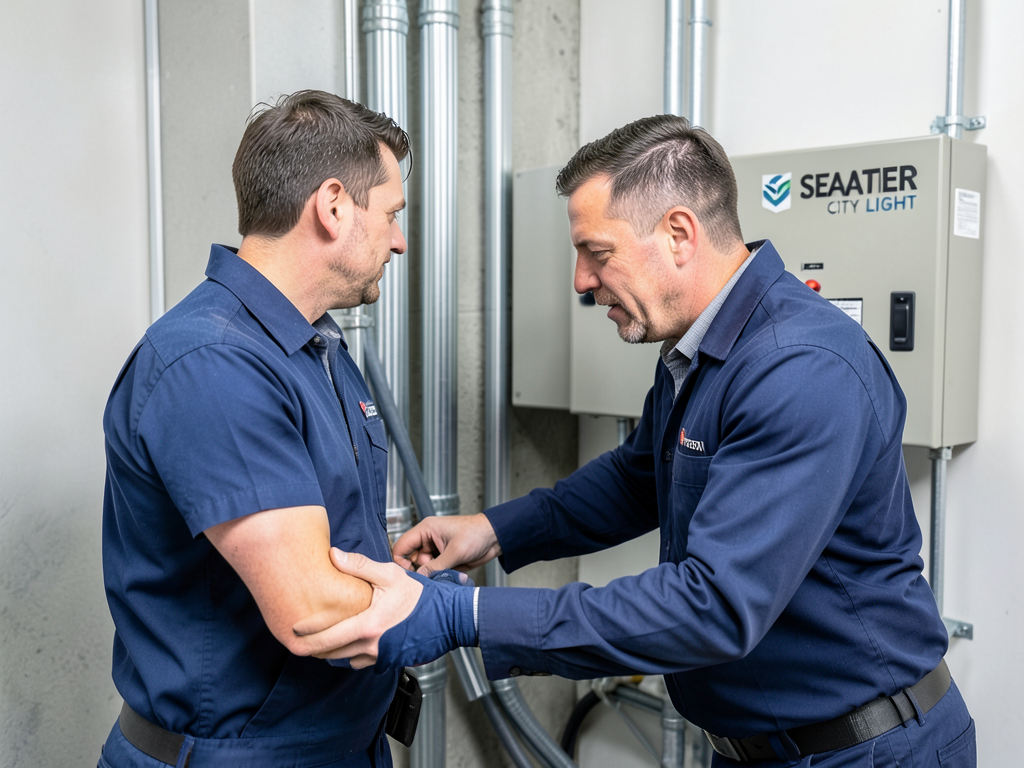
Every Phinney Ridge home releases carbon every time the furnace kicks on or the AC runs. The good news is you can track and reduce those emissions without sacrificing comfort. Seattle's carbon-free hydroelectric grid makes…
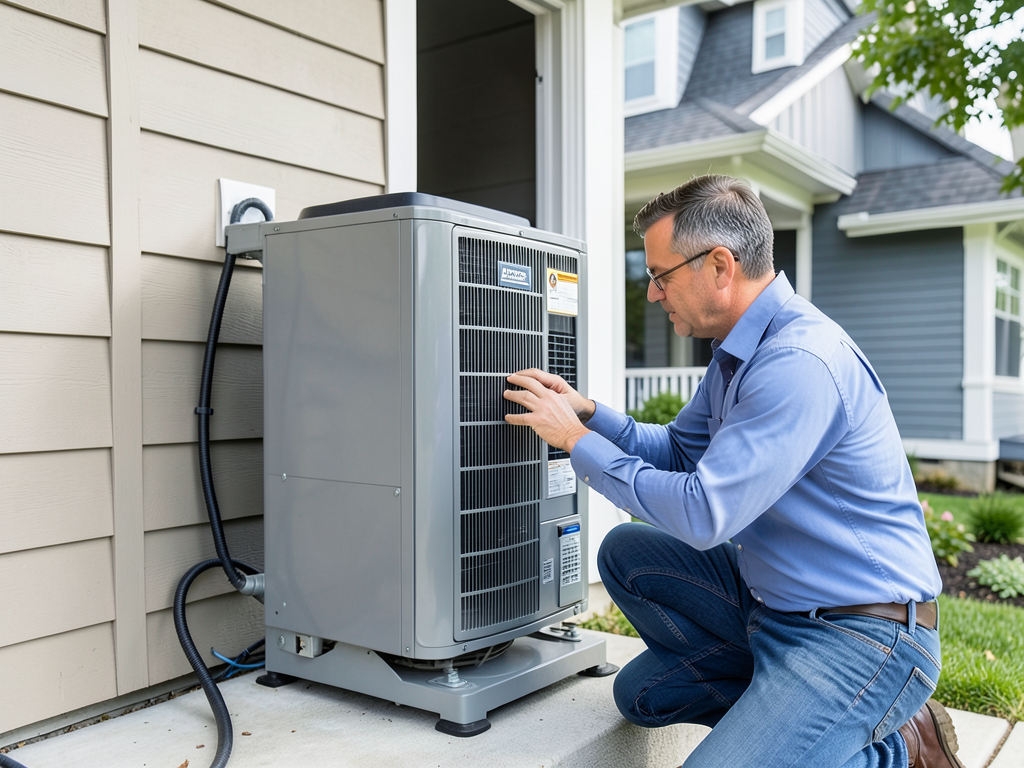
How a modern HVAC system helps your Mercer Island home sell faster during a staging…
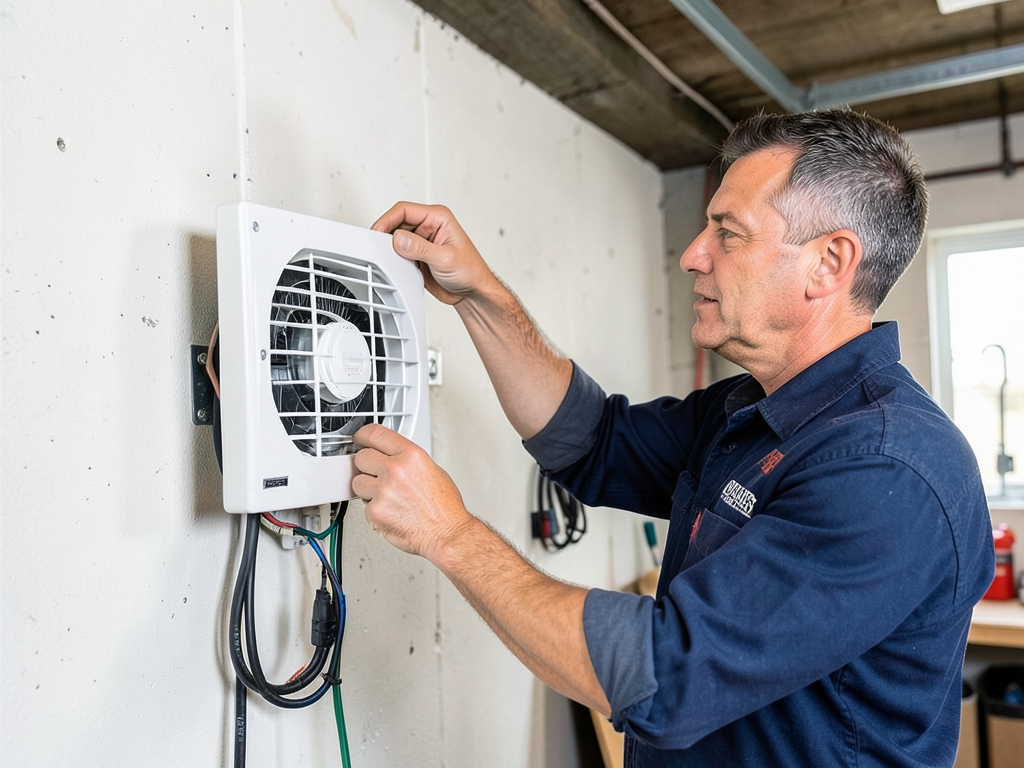
Georgetown’s industrial heritage and maker culture mean many Seattle residents have converted their garages into…
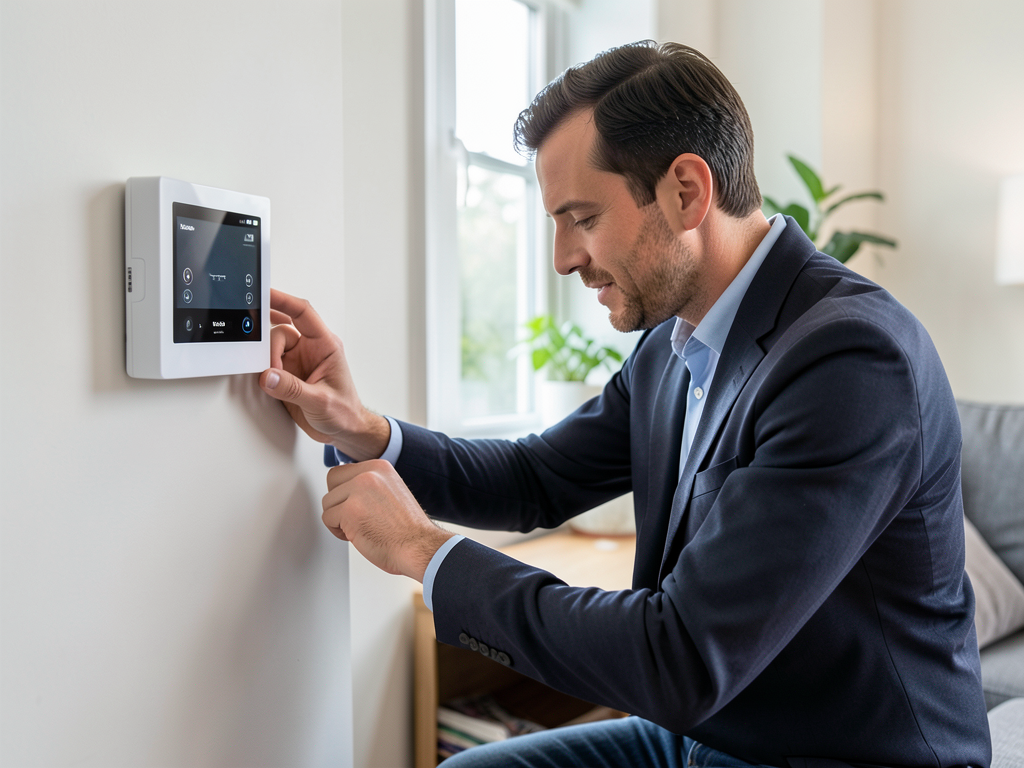
Integrating your security system with your HVAC for a safer Somerset home in 2026 Smart…
Don't wait for a small problem to become an expensive failure. Call Peak HVAC Seattle at (564) 220-5899 right now. We'll dispatch a technician to diagnose your heating or cooling issue and get your system back to reliable operation fast.