



Renton sits in a climate zone that tests heating and cooling equipment year-round. The Puget Sound marine influence brings persistent moisture throughout fall and winter, causing condensation issues in ductwork and corrosion on outdoor units. Humidity levels hover between 70-85% during the rainy season, which promotes mold growth in air handlers and deteriorates insulation in attics across neighborhoods from Kennydale to the Highlands.
Summer temperatures in Renton climb into the 80s and occasionally breach 90 degrees, creating sudden demand on air conditioning systems that sit dormant most of the year. This intermittent use pattern causes capacitors to fail and refrigerant leaks to develop in units serving homes near May Creek and along the Cedar River watershed. The temperature swings between seasons stress heat pumps, which many Renton residents rely on for both heating and cooling.
The proximity to I-405 and the industrial areas near Boeing Renton creates air quality challenges that clog filters faster than in rural areas. Homes in the Sunset neighborhood and near The Landing see particulate buildup that reduces system efficiency and strains blower motors. Understanding these local conditions means knowing which components fail first and keeping those parts on every service truck.
Peak HVAC Seattle has built its reputation in Renton by showing up when systems fail and fixing problems right the first time. We maintain a service radius that puts us within 20 minutes of most Renton addresses, which matters when your heat goes out at 9 PM or your air conditioner quits during your kid's birthday party. Our dispatch system prioritizes emergency calls, and our technicians carry diagnostic equipment that identifies problems fast instead of making multiple trips.
We stock our trucks based on what actually fails in Renton homes. That means capacitors for older Carrier units common in East Renton, ignitors for Lennox furnaces popular in newer Fairwood construction, and reversing valves for the Trane heat pumps installed throughout Cascade neighborhoods. This parts strategy eliminates the waiting game where you sit without heat or cooling while technicians order components.
Our pricing model stays transparent because nobody wants surprise bills during an emergency. We provide the repair cost before starting work, explain what failed and why, and give you options when multiple approaches exist. If your system has reached the point where repairs no longer make financial sense, we tell you straight instead of milking a dying unit for service calls.
Every technician on our team holds current certifications for refrigerant handling and understands Washington energy codes that affect system installations and modifications. We pull permits when code requires it, coordinate inspections, and document work properly because shortcuts create problems down the road. When we say a job is done correctly, it means meeting the standards that protect your home and your investment.

Peak HVAC Seattle maintains service vehicles positioned throughout Renton for fast response when your system fails. We answer emergency calls 24/7 and dispatch technicians who arrive ready to work, not just diagnose. Most repair calls from Fairwood to downtown Renton get same-day service because we know comfort cannot wait.

Our service vehicles carry the parts that actually fail in Renton homes based on years of local service data. We stock components for the major brands installed throughout the area, which means completing most repairs on the first visit instead of ordering parts while you wait without heat or air conditioning.
We provide clear repair costs before starting work so you make informed decisions without pressure. Our technicians explain what failed, why it happened, and what options exist for fixing it. No hidden fees or surprise charges appear on your bill because we believe emergency service should not include emergency pricing games.
Years of service across Renton neighborhoods means understanding how local climate and construction patterns affect HVAC systems. We know which issues plague older homes in Kennydale versus newer builds in Fairwood, and we bring that knowledge to every service call to solve problems efficiently instead of guessing.
Peak HVAC Seattle handles the full range of heating and cooling needs across Renton, from emergency repairs on failed systems to planned installations and seasonal maintenance. Our service structure separates into three main categories based on urgency and scope. Emergency repair work gets immediate dispatch for systems that have stopped working completely, leaving homes without heat or air conditioning. Installation and replacement services address systems that have reached end of life or homes adding new equipment. Maintenance and tune-up work keeps systems running efficiently and catches small problems before they become expensive failures.
This service structure ensures you get the right response for your situation. A furnace that quit heating in January needs different handling than planning a new heat pump installation for spring. We match technician skills and truck inventory to the job type, which improves outcomes and reduces wasted time. Whether you need a blower motor replaced today or want to discuss upgrading to a more efficient system, we have the capability and capacity to handle it correctly.
When your heating or cooling system fails completely, emergency repair service gets dispatched immediately. We handle furnaces that will not ignite, air conditioners blowing warm air, heat pumps stuck in one mode, and complete system breakdowns that leave homes uncomfortable. Our technicians arrive with diagnostic tools and common repair parts to fix most problems on the first visit. Emergency calls get priority scheduling because we know system failures create genuine hardship, especially during temperature extremes common in Renton winters and summer heat spikes.
Complete system installations cover new construction, whole-house replacements, and equipment upgrades for aging units. We handle load calculations to size equipment correctly for your square footage and insulation levels, recommend systems appropriate for Renton climate patterns, and coordinate permit requirements with city inspection schedules. Installation work includes removing old equipment, modifying ductwork when necessary, installing new thermostats, and testing complete system operation. We explain efficiency ratings and help select equipment that balances upfront cost with long-term operating expenses for your specific usage patterns.
Scheduled maintenance extends equipment life and prevents unexpected failures during peak heating and cooling seasons. Our tune-up service includes cleaning coils that accumulate Renton area dust and pollen, checking refrigerant levels, testing electrical connections, inspecting heat exchangers for cracks, and replacing filters. We catch worn components before they fail, adjust systems for optimal efficiency, and provide honest assessments of remaining equipment life. Regular maintenance pays for itself through lower energy bills and avoiding emergency repair costs when systems fail at the worst possible times.
Renton homes experience specific HVAC problems driven by local climate patterns and construction methods common to the area. The marine moisture from Puget Sound creates condensation issues that promote rust and mold, while temperature swings between seasons stress components designed for steady operation. Older neighborhoods have undersized ductwork from eras with different building codes, and newer developments sometimes feature minimum-spec installations that struggle with efficiency.
Understanding these patterns helps identify problems quickly and fix them correctly. A furnace short-cycling in a Kennydale rambler likely has different root causes than the same symptom in a two-story Fairwood home. Air quality issues near industrial zones create filter problems that homes near May Creek never see. These local factors shape diagnostic approaches and repair strategies that work specifically for Renton conditions.
Persistent humidity in Renton air causes condensation on cold surfaces inside air handlers and ductwork. This moisture corrodes electrical connections, promotes mold growth on evaporator coils, and deteriorates insulation. Outdoor units develop rust on cabinets and mounting hardware. Regular service catches these problems before moisture causes complete component failure or creates air quality issues inside your home.
Heat pumps switching between heating and cooling modes multiple times per year experience reversing valve stress that single-mode systems avoid. These valves stick or fail, leaving systems trapped in one mode when you need the other. The problem appears suddenly when seasons change and you discover your heat pump will not switch to cooling or heating mode when temperatures shift.
Older Renton homes often have ductwork sized for less powerful systems, creating airflow problems when upgraded equipment gets installed. Ducts in unconditioned attics develop leaks where joints separate during seasonal temperature changes. These issues cause uneven heating and cooling, high energy bills, and strain on equipment working harder to compensate for lost conditioned air.
Air conditioning and high-efficiency furnaces produce condensate that drains through small pipes. These drains clog with algae and debris, causing water backup that triggers safety shutoffs. The problem appears as a system that runs briefly then shuts down, leaving homeowners without cooling or heat. Regular maintenance clears these drains before clogs cause emergency service calls during temperature extremes.
Peak HVAC Seattle operates with clear communication and realistic expectations from your first phone call through job completion. When you contact us about a heating or cooling problem, we ask specific questions to understand the symptoms and dispatch the right technician with appropriate equipment and parts. Emergency calls get immediate priority, while non-urgent service requests receive scheduling options that work with your availability.
Our technicians arrive in marked vehicles with identification and explain what they need to inspect before starting diagnostic work. We respect your home by using floor protection and cleaning up completely after repairs. Communication continues throughout the process because you deserve to understand what failed, why it happened, and what we recommend to fix it. This approach eliminates surprises and ensures you stay informed about your HVAC system and the work being performed.
When you call Peak HVAC Seattle, you speak with someone who understands HVAC systems and asks relevant questions about your problem. We gather information about symptoms, system age, and recent performance to send the right technician with appropriate parts. You receive a realistic arrival window for service calls and text notification when the technician is en route. Emergency situations get immediate dispatch, while scheduled appointments receive confirmation the day before to ensure someone is home.
Our technicians inspect your complete system to identify the actual problem rather than replacing parts randomly. Diagnostic equipment measures refrigerant pressures, electrical voltages, and airflow rates to pinpoint failures accurately. We explain findings in plain language, show you failed components when possible, and provide repair cost before starting work. If multiple options exist to solve the problem, we present them with honest pros and cons so you make informed decisions about your equipment and budget.
Completed repairs receive testing to confirm proper system operation before we consider the job finished. We verify temperature output, check for unusual sounds or vibrations, and ensure safety controls function correctly. You receive explanation of work performed and recommendations for preventing future problems. Our repairs carry a service guarantee because we stand behind the quality of parts installed and workmanship performed. If problems related to our repair work occur, we return to make it right without additional charges.
Peak HVAC Seattle follows a three-step process designed to fix your heating or cooling problem efficiently while keeping you informed throughout the service call.
Your service call begins with dispatch sending a qualified technician to your Renton home with tools and common parts for your system type. The technician inspects your equipment systematically, testing components to identify the actual failure rather than guessing. Diagnostic equipment measures performance parameters against manufacturer specifications. You receive a clear explanation of what failed, why it happened, and what repair options exist with transparent pricing before any work begins.
Once you approve the repair approach and pricing, the technician completes the work using proper tools and quality replacement parts. We follow manufacturer specifications for installation procedures and test points. Work includes proper brazing for refrigerant connections, secure electrical terminations, and correct belt tensions. The technician cleans the work area and removes all old parts and packaging materials from your property.
After completing repairs, the technician runs your system through complete heating or cooling cycles to verify proper operation. Temperature output gets measured, safety controls receive testing, and the system runs long enough to confirm the problem is actually fixed. You receive explanation of the work performed, recommendations for maintenance or monitoring, and documentation of service for your records. The job ends only when your heating or cooling system operates correctly.
Quality HVAC service in Renton requires understanding both Washington State energy codes and manufacturer specifications that govern proper installation and repair work. The Washington State Energy Code establishes minimum efficiency standards for new equipment and replacement systems, requiring SEER ratings of at least 14 for air conditioners and HSPF ratings of 8.2 for heat pumps in our climate zone. These standards protect homeowners from inefficient equipment that costs more to operate over its lifetime.
Refrigerant handling follows EPA Section 608 certification requirements that mandate proper recovery procedures when servicing systems. Technicians must capture refrigerants rather than venting them to atmosphere, use certified recovery equipment, and document refrigerant quantities added or removed. These regulations protect environmental quality while ensuring systems receive correct refrigerant charges for efficient operation.
Ductwork modifications and new installations in Renton must comply with International Mechanical Code standards for sizing, support, and sealing. Undersized ducts restrict airflow and reduce system efficiency, while poorly sealed joints waste conditioned air in attics and crawlspaces. Proper duct design accounts for static pressure limitations of equipment and ensures adequate air delivery to every room.
Combustion safety standards require specific clearances around furnaces and water heaters, proper venting to exterior, and carbon monoxide detection in homes with fuel-burning appliances. Heat exchanger inspections identify cracks that allow combustion gases to mix with household air, creating dangerous conditions. These safety protocols protect Renton families from carbon monoxide poisoning and fire hazards.
Load calculations using Manual J methodology determine correct equipment sizing for home heating and cooling needs. Oversized systems short-cycle and fail to dehumidify properly, while undersized units run constantly and never achieve comfort. Proper sizing accounts for insulation levels, window area and orientation, air infiltration rates, and local climate data specific to Renton weather patterns.
Washington State Energy Code mandates minimum efficiency ratings for HVAC equipment installed in Renton homes. New systems must meet SEER 14 for cooling and HSPF 8.2 for heating in our climate zone. These standards ensure equipment operates efficiently and reduces long-term energy costs. Compliance affects equipment selection and requires documentation for permit inspections when replacing whole systems.
EPA Section 608 certification governs refrigerant handling during service and repair work. Technicians must properly recover refrigerants using certified equipment, prevent atmospheric venting, and document quantities handled. These requirements protect environmental quality and ensure systems receive correct refrigerant charges for efficient operation. Only certified technicians should service systems containing refrigerants.
Manual J load calculations determine correct equipment capacity for home heating and cooling needs based on square footage, insulation, windows, and local climate. Oversized systems waste energy through short-cycling, while undersized units run constantly without achieving comfort. Proper sizing requires measuring your actual home rather than estimating from square footage alone, ensuring equipment matches your specific requirements.
Furnaces and fuel-burning appliances require proper venting, clearances, and carbon monoxide detection to operate safely. Heat exchanger inspections identify cracks that allow combustion gases into living spaces. Draft testing confirms proper venting function. These safety checks protect families from carbon monoxide poisoning and fire hazards. Any combustion appliance showing signs of improper operation needs immediate professional attention.
This video explains HVAC service for Renton homeowners, covering emergency repair response, system installation procedures, and maintenance programs that prevent breakdowns. Topics include how local climate affects heating and cooling equipment, common failure patterns in area homes, refrigerant handling standards, energy code requirements, and combustion safety protocols. Viewers learn what to expect from professional service calls and how to identify quality HVAC contractors.
Peak HVAC Seattle provides heating and cooling service throughout Renton and neighboring communities in South King County. Our service area extends from downtown Renton near The Landing retail district to the Fairwood neighborhood along the eastern boundary with unincorporated King County. We regularly service homes in Kennydale along the southern shore of Lake Washington, where lakefront properties face unique humidity challenges from water proximity.
The Highlands neighborhood sees our trucks frequently addressing HVAC needs in hillside homes that experience different temperature patterns than valley floor properties. East Renton and Cascade neighborhoods contain a mix of housing ages from 1960s ramblers to recent construction, each with distinct system types and maintenance requirements. Our technicians understand how these architectural differences affect heating and cooling performance.
We serve homes near the Cedar River watershed and May Creek drainage areas, where moisture management becomes critical for HVAC equipment longevity. Properties in these locations experience higher humidity levels that accelerate corrosion on outdoor units and promote mold growth in ductwork. Proximity to I-405 and the Boeing Renton facility creates air quality factors that affect filter life and system cleanliness in homes throughout the valley floor.
Our service territory includes Benson Hill and Sunset neighborhoods where homes built in different decades require familiarity with evolving HVAC technology from older forced air systems to modern heat pumps. We maintain response times under 30 minutes for most Renton addresses because our service vehicles stage strategically throughout the area rather than operating from a single distant location.
The West Hill neighborhood and areas near Valley Medical Center receive the same rapid response and quality service as properties throughout Renton proper. We know the streets, understand the housing stock, and carry parts appropriate for equipment commonly installed in each area. This local knowledge translates to faster diagnosis and higher first-visit completion rates when systems fail.
The $5000 rule helps you decide between repair or replacement. If your system is over 10 years old and the repair cost multiplied by the age exceeds $5000, replace it. Example: A $400 repair on a 15-year-old unit equals $6000, so replacement makes financial sense. In Renton, our wet winters and fluctuating temperatures put extra strain on aging equipment. Older systems lose efficiency, driving up your energy bills. If your unit fails repeatedly or struggles to maintain comfort, replacement prevents future headaches and saves money long-term. Get a diagnostic evaluation before committing to expensive repairs.
Most HVAC jobs in Renton range widely based on scope. Simple repairs like thermostat replacement or capacitor fixes run lower, while compressor replacement or refrigerant leak repairs cost more. Full system installations depend on tonnage, efficiency rating, ductwork condition, and home size. Renton homes built before 1980 often need duct sealing or modifications due to settling foundations and moisture intrusion. Variables include existing electrical capacity, zoning requirements, and whether you choose single-stage or variable-speed equipment. Always get multiple quotes and verify the contractor checks ductwork integrity, not just swap equipment.
Home Depot contracts with local HVAC installers for system replacement, but you lose direct control over who performs the work. The big-box model prioritizes volume over personalized service. In Renton, where condensation issues and mold prevention require local expertise, you need a contractor who understands our climate. Home Depot handles coordination, but installation quality varies by subcontractor. You may face longer wait times and limited customization. For complex jobs involving ductwork modifications, zoning, or older homes common in Renton neighborhoods, a dedicated local contractor provides better accountability and warranty support.
The $5000 rule helps you decide between repair or replacement. If your system is over 10 years old and the repair cost multiplied by the age exceeds $5000, replace it. Example: A $400 repair on a 15-year-old unit equals $6000, so replacement makes financial sense. In Renton, our wet winters and fluctuating temperatures put extra strain on aging equipment. Older systems lose efficiency, driving up your energy bills. If your unit fails repeatedly or struggles to maintain comfort, replacement prevents future headaches and saves money long-term. Get a diagnostic evaluation before committing to expensive repairs.
Most HVAC jobs in Renton range widely based on scope. Simple repairs like thermostat replacement or capacitor fixes run lower, while compressor replacement or refrigerant leak repairs cost more. Full system installations depend on tonnage, efficiency rating, ductwork condition, and home size. Renton homes built before 1980 often need duct sealing or modifications due to settling foundations and moisture intrusion. Variables include existing electrical capacity, zoning requirements, and whether you choose single-stage or variable-speed equipment. Always get multiple quotes and verify the contractor checks ductwork integrity, not just swap equipment.
Home Depot contracts with local HVAC installers for system replacement, but you lose direct control over who performs the work. The big-box model prioritizes volume over personalized service. In Renton, where condensation issues and mold prevention require local expertise, you need a contractor who understands our climate. Home Depot handles coordination, but installation quality varies by subcontractor. You may face longer wait times and limited customization. For complex jobs involving ductwork modifications, zoning, or older homes common in Renton neighborhoods, a dedicated local contractor provides better accountability and warranty support.
Complete system replacement in Renton depends on your home size, existing ductwork condition, and equipment efficiency level. A full changeout includes outdoor condenser, indoor air handler or furnace, refrigerant lines, thermostat, and labor. Homes with crawl spaces common in Renton often need additional vapor barriers and insulation. Upgrading to high-efficiency heat pumps costs more upfront but reduces heating bills during our damp winters. Ductwork repair or replacement adds expense but improves performance. Permits and inspection fees apply. Request itemized quotes that include refrigerant line flushing, condensate drain installation, and startup diagnostics.
The 3-minute rule prevents compressor damage. After your AC shuts off, wait at least three minutes before restarting. This lets refrigerant pressures equalize inside the compressor. Starting too soon forces the motor to work against high head pressure, causing electrical stress and shortening lifespan. In Renton, power flickers during storms can trigger rapid cycling. If your breaker trips or you adjust the thermostat repeatedly, pause before restarting. Short cycling also signals deeper problems like refrigerant leaks, oversized equipment, or failed capacitors. If your system cycles constantly, call for diagnostics before compressor failure occurs.
A 1200-square-foot house in Renton needs a 2 to 2.5-ton system, depending on insulation, window quality, and ceiling height. Renton's mild summers and wet winters favor heat pumps over traditional air conditioners. Older homes with single-pane windows or poor attic insulation require higher capacity. Installation costs include equipment, refrigerant lines, thermostat, electrical work, and permits. Crawl space access affects labor difficulty. If your ductwork leaks or lacks proper sealing, efficiency drops and comfort suffers. Insist on Manual J load calculations, not guesswork. Oversized units short cycle and fail prematurely. Right-sizing equipment saves money.
Homeowners insurance covers HVAC damage from covered perils like fire, vandalism, or lightning strikes. Gradual wear, poor maintenance, and age-related failures are excluded. If a tree falls on your condenser during a Renton windstorm, insurance applies. Frozen pipes causing water damage to your furnace may qualify. Neglect or deferred maintenance voids coverage. Flood damage requires separate flood insurance. Review your policy declarations and call your adjuster immediately after sudden damage. Document everything with photos. Most carriers require proof of annual maintenance. If denied, appeal with contractor documentation showing the failure was sudden, not gradual deterioration.
HVAC systems last 15 to 20 years with proper maintenance. Renton's humidity accelerates corrosion on outdoor units and promotes mold in ductwork, reducing lifespan. Furnaces last longer than air conditioners because they run seasonally. Heat pumps work year-round, wearing faster. Poor installation shortens longevity. Skipping annual tune-ups clogs coils, strains motors, and causes premature failure. Oversized equipment short cycles and dies early. Undersized units run constantly and burn out. Replace filters monthly during heating season. Schedule spring and fall maintenance to catch problems early. If your system exceeds 15 years and needs major repairs, replacement makes financial sense.
Costco partners with local HVAC installers through their home services program. You get Costco's extended warranty and satisfaction guarantee, but installation quality depends on the subcontractor. In Renton, where crawl space moisture and duct sealing require local knowledge, verify the assigned contractor has strong regional references. Costco coordinates quotes and scheduling, simplifying the process. Prices are competitive but not always the lowest. You sacrifice direct contractor relationships and customization options. For straightforward replacements, Costco works. For complex jobs involving ductwork modifications, zoning, or older homes, a dedicated Renton contractor offers better expertise and long-term accountability.
Common problems include refrigerant leaks, dirty coils, failed capacitors, thermostat malfunctions, and clogged condensate drains. In Renton, high humidity causes mold in ducts and standing water in drain pans. Corroded electrical connections from moisture intrusion trip breakers. Frozen evaporator coils result from low refrigerant or restricted airflow. Blower motor failures stem from dirty filters or worn bearings. Ductwork leaks waste energy and reduce comfort. Short cycling signals oversized equipment or thermostat issues. Strange noises indicate loose components or failing motors. Annual maintenance catches these problems early. Replace filters monthly and clear debris from outdoor units after storms.
Complete system replacement in Renton depends on your home size, existing ductwork condition, and equipment efficiency level. A full changeout includes outdoor condenser, indoor air handler or furnace, refrigerant lines, thermostat, and labor. Homes with crawl spaces common in Renton often need additional vapor barriers and insulation. Upgrading to high-efficiency heat pumps costs more upfront but reduces heating bills during our damp winters. Ductwork repair or replacement adds expense but improves performance. Permits and inspection fees apply. Request itemized quotes that include refrigerant line flushing, condensate drain installation, and startup diagnostics.
The 3-minute rule prevents compressor damage. After your AC shuts off, wait at least three minutes before restarting. This lets refrigerant pressures equalize inside the compressor. Starting too soon forces the motor to work against high head pressure, causing electrical stress and shortening lifespan. In Renton, power flickers during storms can trigger rapid cycling. If your breaker trips or you adjust the thermostat repeatedly, pause before restarting. Short cycling also signals deeper problems like refrigerant leaks, oversized equipment, or failed capacitors. If your system cycles constantly, call for diagnostics before compressor failure occurs.
A 1200-square-foot house in Renton needs a 2 to 2.5-ton system, depending on insulation, window quality, and ceiling height. Renton's mild summers and wet winters favor heat pumps over traditional air conditioners. Older homes with single-pane windows or poor attic insulation require higher capacity. Installation costs include equipment, refrigerant lines, thermostat, electrical work, and permits. Crawl space access affects labor difficulty. If your ductwork leaks or lacks proper sealing, efficiency drops and comfort suffers. Insist on Manual J load calculations, not guesswork. Oversized units short cycle and fail prematurely. Right-sizing equipment saves money.
Homeowners insurance covers HVAC damage from covered perils like fire, vandalism, or lightning strikes. Gradual wear, poor maintenance, and age-related failures are excluded. If a tree falls on your condenser during a Renton windstorm, insurance applies. Frozen pipes causing water damage to your furnace may qualify. Neglect or deferred maintenance voids coverage. Flood damage requires separate flood insurance. Review your policy declarations and call your adjuster immediately after sudden damage. Document everything with photos. Most carriers require proof of annual maintenance. If denied, appeal with contractor documentation showing the failure was sudden, not gradual deterioration.
HVAC systems last 15 to 20 years with proper maintenance. Renton's humidity accelerates corrosion on outdoor units and promotes mold in ductwork, reducing lifespan. Furnaces last longer than air conditioners because they run seasonally. Heat pumps work year-round, wearing faster. Poor installation shortens longevity. Skipping annual tune-ups clogs coils, strains motors, and causes premature failure. Oversized equipment short cycles and dies early. Undersized units run constantly and burn out. Replace filters monthly during heating season. Schedule spring and fall maintenance to catch problems early. If your system exceeds 15 years and needs major repairs, replacement makes financial sense.
Costco partners with local HVAC installers through their home services program. You get Costco's extended warranty and satisfaction guarantee, but installation quality depends on the subcontractor. In Renton, where crawl space moisture and duct sealing require local knowledge, verify the assigned contractor has strong regional references. Costco coordinates quotes and scheduling, simplifying the process. Prices are competitive but not always the lowest. You sacrifice direct contractor relationships and customization options. For straightforward replacements, Costco works. For complex jobs involving ductwork modifications, zoning, or older homes, a dedicated Renton contractor offers better expertise and long-term accountability.
Common problems include refrigerant leaks, dirty coils, failed capacitors, thermostat malfunctions, and clogged condensate drains. In Renton, high humidity causes mold in ducts and standing water in drain pans. Corroded electrical connections from moisture intrusion trip breakers. Frozen evaporator coils result from low refrigerant or restricted airflow. Blower motor failures stem from dirty filters or worn bearings. Ductwork leaks waste energy and reduce comfort. Short cycling signals oversized equipment or thermostat issues. Strange noises indicate loose components or failing motors. Annual maintenance catches these problems early. Replace filters monthly and clear debris from outdoor units after storms.
Conveniently located to serve the greater Seattle area, Peak HVAC Seattle is dedicated to providing reliable and prompt services to our community. Our local presence ensures we can respond quickly to your needs, delivering expert heating and cooling solutions right to your doorstep. Whether you’re a homeowner or business owner, we’re committed to being your trusted, neighborhood HVAC partner for a perfectly comfortable indoor environment.
Address:
Renton, WA, 98057
Every Phinney Ridge home releases carbon every time the furnace kicks on or the AC runs. The good news is you can track and reduce those emissions without sacrificing comfort. Seattle's carbon-free hydroelectric grid makes…
How a modern HVAC system helps your Mercer Island home sell faster during a staging…
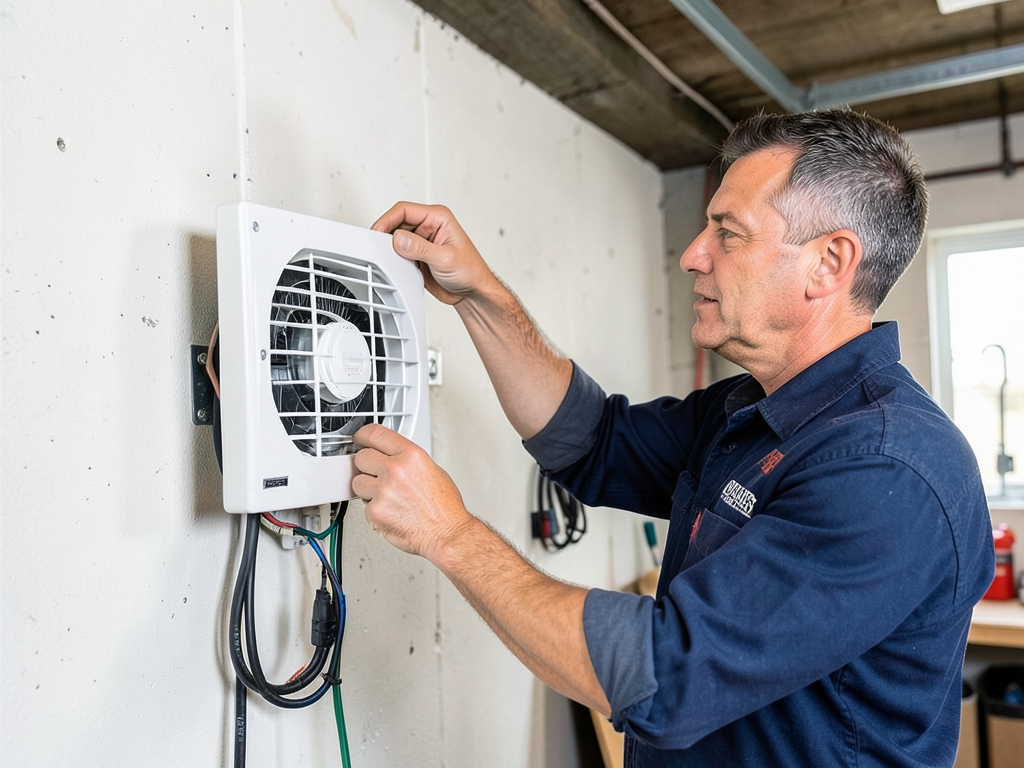
Georgetown’s industrial heritage and maker culture mean many Seattle residents have converted their garages into…
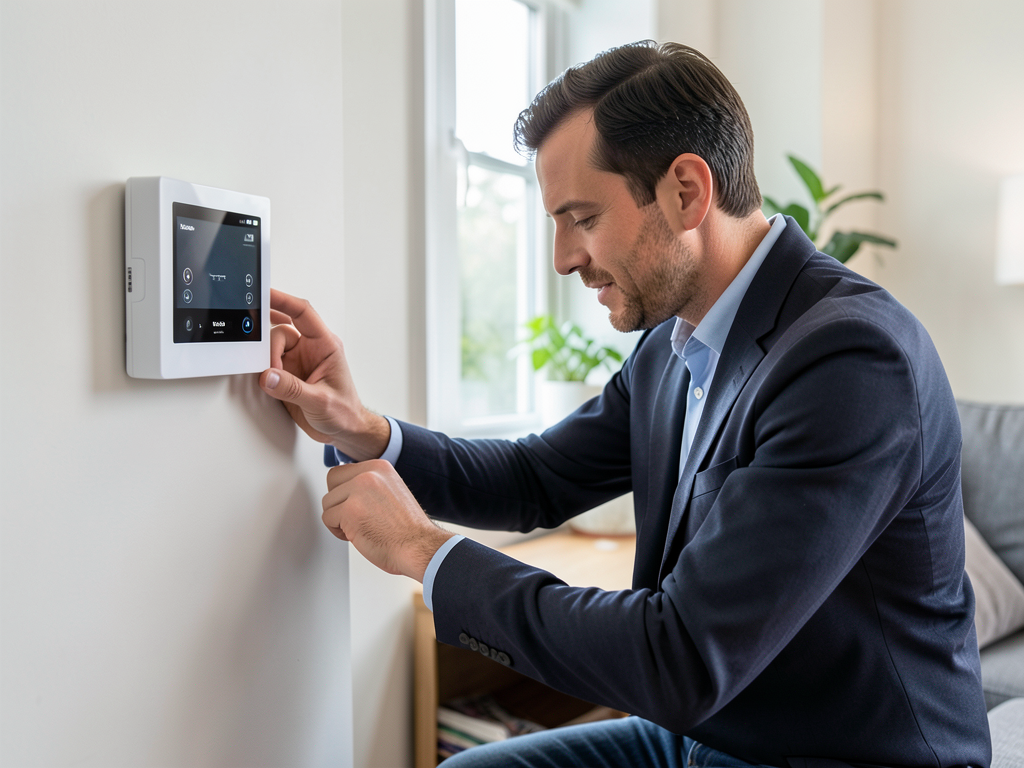
Integrating your security system with your HVAC for a safer Somerset home in 2026 Smart…
Your comfort should not wait. Call Peak HVAC Seattle now at (564) 220-5899 for fast response to heating and cooling problems throughout Renton. We answer emergency calls 24/7 and dispatch technicians who arrive ready to diagnose and repair your system today.