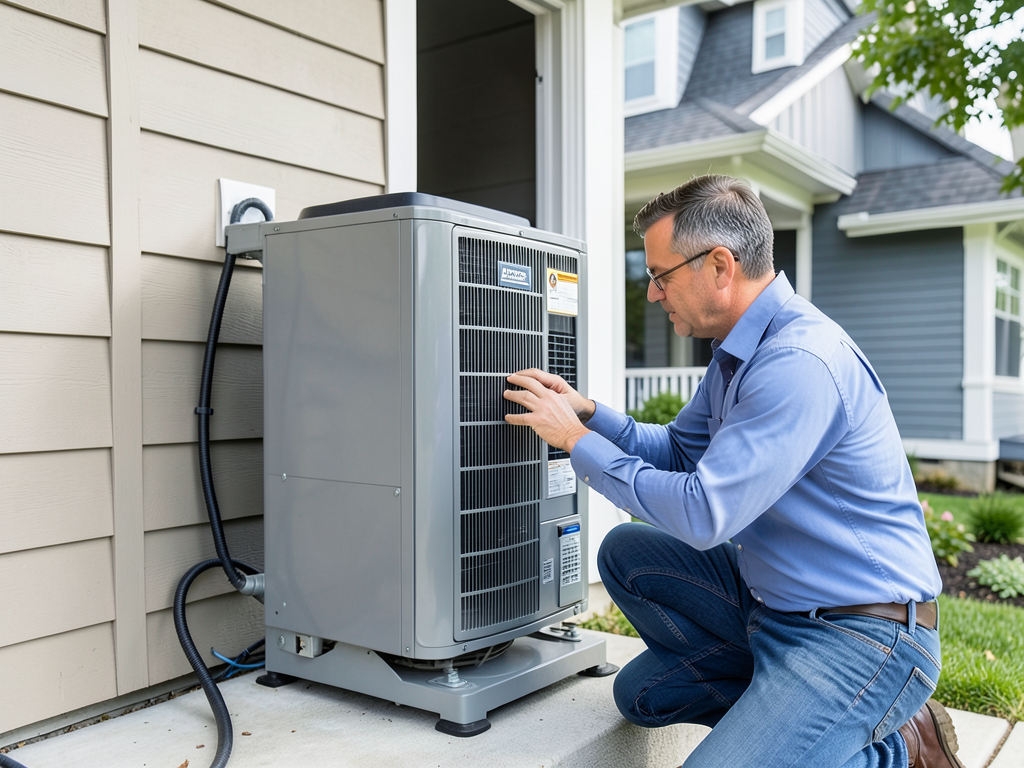







Puget Sound's saltwater environment creates airborne chloride particles that accelerate corrosion on rooftop units and condensing units. Equipment located within five miles of the waterfront, including most of downtown Seattle, Ballard, and West Seattle, experiences corrosion rates three times higher than inland locations. Copper refrigerant lines develop pinhole leaks, aluminum coil fins deteriorate, and galvanized ductwork rusts through in half the expected service life. Commercial HVAC service providers must specify corrosion-resistant coatings and stainless steel fasteners for coastal installations. Ignoring this factor leads to premature equipment failure and costly emergency replacements during peak heating or cooling season.
Seattle's commercial building stock includes structures built before the city adopted modern energy codes in the 1990s. Many warehouses in Georgetown and office buildings in First Hill still operate with original HVAC systems from the 1970s and 1980s. These systems lack the efficiency and control capabilities required by today's commercial tenants. Industrial HVAC contractors who understand Seattle's building history can identify retrofit opportunities that improve comfort and reduce operating costs without full system replacement. Choosing a contractor with decades of local project experience means you get solutions tailored to your building's age, construction type, and occupancy pattern, not generic recommendations copied from a national playbook.