




Menu

HVAC Maintenance & Tune-Ups in Seattle – Protect Your System from Pacific Northwest Weather Damage

Regular HVAC preventative maintenance safeguards your heating and cooling equipment from Seattle's persistent moisture, temperature swings, and air quality challenges that accelerate wear and drive up energy costs.

Slider Image 1
Slider Image 2
Slider Image 3
Slider Image 4
Slider Image 5
Slider Image 7
Slider Image 8
Slider Image 9
Slider Image 10
Slider Image 11

Why Seattle HVAC Systems Fail Without Regular Maintenance

Seattle's marine climate creates specific threats to heating and cooling systems that most homeowners underestimate. The constant moisture from Puget Sound air combines with eight months of heating demand to create a harsh operating environment. Your furnace runs harder during our long, damp winters while your AC works overtime during increasingly warm summers.

This pattern accelerates component wear. Heat exchangers develop microfractures from thermal cycling. Condensate drains clog with algae growth fed by high humidity. Evaporator coils corrode faster in salt air carried inland from Elliott Bay. Blower motors accumulate dust mixed with moisture, creating a grinding paste on bearings.

Without seasonal HVAC check ups, these issues compound silently. A dirty air filter reduces airflow by 30 percent, forcing your system to work harder. Refrigerant levels drop through microscopic leaks, cutting cooling efficiency while raising power bills. Ignition components fail suddenly on the coldest January morning because no one tested them in October.

The problem accelerates in neighborhoods near Green Lake, Lake Washington, or along the Ship Canal where humidity stays higher year-round. Clay soil common throughout Seattle also affects outdoor units. Poor drainage around condensers traps moisture against electrical components, shortening their lifespan.

AC and furnace maintenance is not optional maintenance in this climate. It is damage prevention. The question is whether you address small issues during a planned heating and cooling tune up or face emergency repairs when systems fail during extreme weather.

Why Seattle HVAC Systems Fail Without Regular Maintenance
How Professional HVAC System Inspection Prevents Breakdowns

How Professional HVAC System Inspection Prevents Breakdowns

Peak HVAC Seattle approaches HVAC preventative maintenance as diagnostic engineering, not a checklist. We measure actual system performance against manufacturer specifications, then identify the specific factors degrading efficiency in your home.

Our technicians start with airflow analysis using manometers to measure static pressure across your ductwork. Most Seattle homes have undersized return ducts or kinked flex duct in crawl spaces, creating back pressure that strains blower motors. We document these deficiencies and explain the performance impact.

We test heat exchanger integrity with combustion analysis, measuring carbon monoxide levels and flame rollout patterns. This catches dangerous cracks before they become health hazards. On cooling systems, we check refrigerant charge with subcooling and superheat calculations, not just gauge readings. Seattle's moderate summers mean most systems are overcharged, which reduces efficiency and damages compressors.

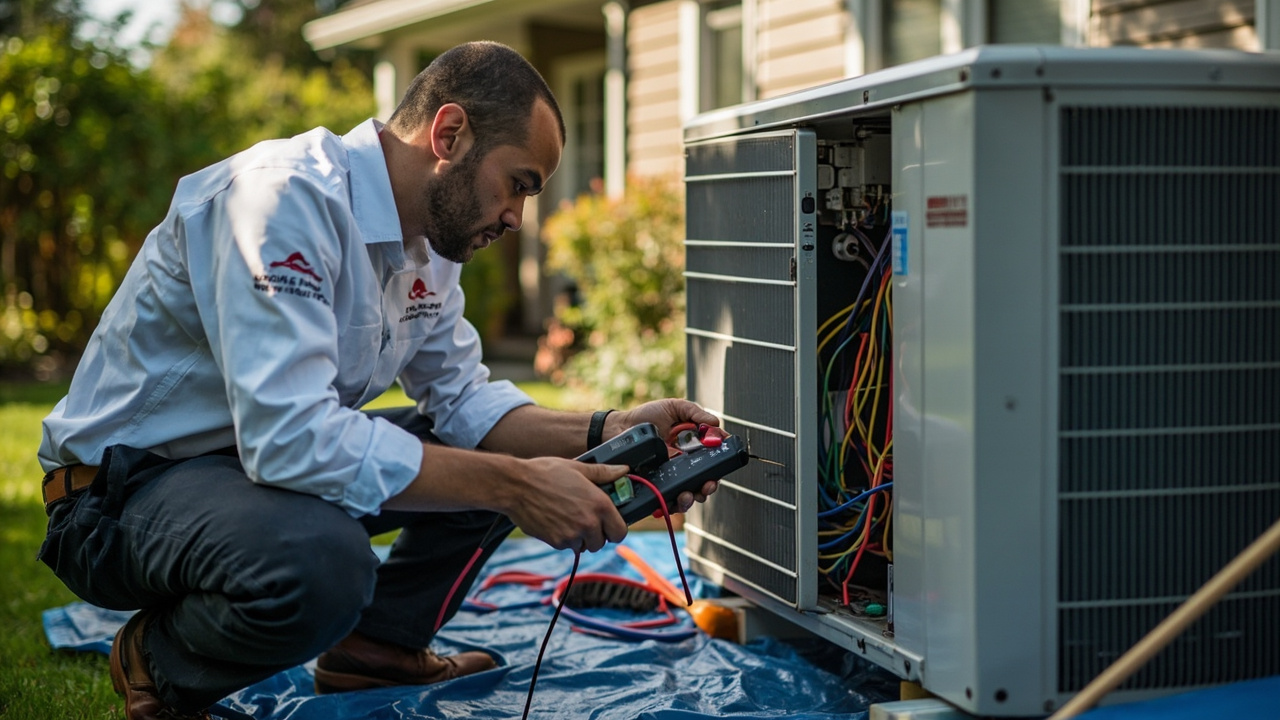
Electrical testing reveals hidden problems. We measure voltage and amperage at the contactor, checking for voltage drop that indicates failing connections. Capacitors get tested under load because they often pass static tests but fail when the compressor starts. We inspect condensate systems closely since Seattle humidity keeps them running constantly, looking for biofilm buildup that blocks drains.

The difference in our seasonal HVAC check up is specificity. We do not just change filters and leave. We calibrate thermostats, adjust gas valve pressures, clean flame sensors, lubricate motors, and verify safety controls. You receive a written report showing measured performance data before and after service, plus photographs of any components approaching end of life.

This level of AC and furnace maintenance catches problems months before they cause breakdowns, letting you budget for repairs instead of facing emergency replacement costs.

What Happens During Your Maintenance Visit

HVAC Maintenance & Tune-Ups in Seattle – Protect Your System from Pacific Northwest Weather Damage
01

System Performance Testing

We measure your system against baseline performance standards using diagnostic equipment. Temperature split across the evaporator coil, airflow at registers, combustion efficiency, and electrical draw all get documented. This data reveals whether your equipment operates within manufacturer specifications or shows signs of developing problems. Most Seattle homes show efficiency losses from dust accumulation, refrigerant drift, or burner fouling that went unnoticed but cost money every month.
02

Component Inspection and Cleaning

Every functional component gets inspected, tested, and cleaned. We remove blower assemblies to clean squirrel cage fans caked with dust. Condensers get washed to remove cottonwood seeds, pollen, and salt residue from marine air. Heat exchangers are inspected with fiber optic cameras for cracks. Electrical connections are tightened, contactors checked for pitting, and capacitors tested under load. This hands-on work prevents the gradual degradation that leads to complete system failure.
03

Calibration and Optimization

Final adjustments optimize your system for Seattle conditions. We calibrate thermostat sensors, adjust blower speeds for proper airflow, set gas valve pressures for clean combustion, and charge refrigerant to exact specifications. You receive a detailed service report showing all measurements, work performed, and recommendations for future attention. This documentation creates a maintenance history that helps diagnose problems quickly if issues develop and proves valuable if you sell your home.

Why Seattle Homes Need Local HVAC Expertise

HVAC systems in Seattle face challenges that differ significantly from other regions, and generic maintenance approaches miss critical issues. Our marine climate creates year-round humidity that accelerates corrosion on electrical components and promotes mold growth in ductwork. The mild but extended heating season means furnaces cycle frequently rather than running continuously, which causes more wear on ignition systems and heat exchangers than extreme cold climates.

Peak HVAC Seattle technicians understand how Seattle's specific conditions affect equipment longevity. We know that homes in Ballard, Fremont, and West Seattle near the water need more frequent condensate system maintenance. We recognize that homes in Capitol Hill and Queen Anne with older ductwork often have airflow restrictions that standard maintenance overlooks. We account for the fact that most Seattle homes lack central air conditioning, meaning ductless systems and heat pumps require different maintenance protocols than traditional split systems.

Our familiarity with local building practices matters during inspections. Many Seattle homes have crawl space furnaces with limited clearance, requiring specific techniques for thorough cleaning. Older homes in neighborhoods like Wallingford and Ravenna often have gravity furnaces converted to forced air with undersized ductwork. We identify these issues and explain their impact on system performance.

We also understand Seattle energy costs and how proper maintenance reduces them. Our climate means you run heating equipment eight months yearly, making efficiency improvements highly valuable. A properly maintained system in Seattle saves more money than the same maintenance in Phoenix because our equipment runs longer seasonal cycles.

Choosing local expertise means working with technicians who have serviced thousands of systems in conditions identical to yours, who understand the specific failure patterns Seattle climate creates, and who stock parts for equipment common in this region.

What to Expect from Professional Maintenance Service

Scheduling and Availability

We recommend scheduling heating system tune ups in September before heating season begins and cooling system service in April before temperatures rise. This timing ensures your equipment operates reliably when you need it most. Appointments typically last 90 minutes to two hours depending on system complexity and accessibility. We offer morning and afternoon time windows and arrive within that window. Emergency service appointments are available for systems showing warning signs like strange noises, weak airflow, or cycling problems. Most maintenance visits can be scheduled within three to five business days, with priority given to customers who have not had service in over a year.

Comprehensive Diagnostic Process

Your technician starts by discussing any concerns you have noticed, such as uneven temperatures, increased noise, or higher utility bills. We then perform systematic testing of all system components, measuring actual performance against specifications. You receive explanations of what we find during the inspection, not just at the end. If we discover issues requiring repair, we explain the problem, show you the failed component when possible, discuss repair options, and provide clear pricing before performing any additional work. The goal is informed decisions, not surprise charges. Our diagnostic approach identifies problems at early stages when repairs cost less than waiting for complete failure.

Performance Documentation

Every maintenance visit concludes with a detailed written report showing measured performance data, work completed, and recommendations for future attention. You receive photographs of any components showing wear or damage. Temperature differentials, electrical readings, and combustion efficiency numbers are recorded, creating a baseline for future service visits. This documentation shows exactly what condition your system is in, which components may need replacement in coming years, and how current performance compares to previous visits. These records prove valuable for home sales, insurance claims, and planning major repairs. You leave each visit knowing precisely what was done and why it matters.

Ongoing System Support

Proper HVAC maintenance is not a single event but an ongoing relationship with your equipment. We maintain service records for all customers, tracking maintenance history, parts replaced, and performance trends over time. This history helps diagnose intermittent problems and reveals patterns that predict future issues. We send service reminders twice yearly so you do not forget seasonal tune ups. Maintenance customers receive priority scheduling for repairs and service calls. If your system develops problems between maintenance visits, our technicians have complete records of previous work, making diagnosis faster and more accurate. This continuity of care extends equipment life significantly compared to using different contractors for each service call.

Frequently Asked Questions

You Have Questions,
We Have Answers

What does HVAC tune up consist of? +

A standard HVAC tune up includes a thorough inspection of your heating and cooling system. The technician will clean or replace air filters, check refrigerant levels, inspect electrical connections, lubricate moving parts, and test thermostat accuracy. You will also see a full examination of the blower motor, condensate drain, and heat exchanger. In Seattle, technicians pay close attention to moisture buildup due to the region's high humidity. They will calibrate controls, measure airflow, and verify that your system meets manufacturer specifications. This proactive approach catches small issues before they become expensive repairs during cold winter months or humid summer days.

What does an HVAC tune up cost? +

HVAC tune up costs vary based on system type, age, and service scope. Most Seattle homeowners pay between a lower range and a higher range for a single visit. Factors that affect price include system accessibility, whether you need heating or cooling service, and if repairs are required beyond routine maintenance. Some companies bundle tune ups into annual maintenance plans, which can reduce per-visit costs. Older systems or those with deferred maintenance may require more labor time. Commercial properties typically pay more due to larger equipment and complexity. Always ask for a detailed breakdown of what the service includes before scheduling.

What is the $5000 rule for HVAC? +

The $5000 rule helps you decide whether to repair or replace an HVAC system. Multiply the age of your unit by the estimated repair cost. If the result exceeds $5000, replacement makes more financial sense than repair. For example, a 12-year-old system needing a $500 repair equals $6000, which suggests replacement. In Seattle, the mild maritime climate can extend system life, but high humidity accelerates corrosion. This rule works best as a guideline, not an absolute. You should also factor in energy efficiency gains from newer models, frequent repair history, and whether your system uses outdated refrigerant.

What is the difference between HVAC tune up and maintenance? +

HVAC tune up and maintenance are often used interchangeably, but there is a technical difference. A tune up is a specific service event focused on optimizing performance and efficiency. It includes adjustments, calibrations, and testing. Maintenance is broader and includes tune ups plus ongoing tasks like filter changes, seasonal checks, and minor repairs. Think of a tune up as a deep inspection and adjustment, while maintenance covers the full spectrum of care throughout the year. In Seattle, maintenance plans typically include two tune ups annually, one before heating season and one before cooling season, to address the region's seasonal temperature swings.

How Seattle's Eight-Month Heating Season Demands Rigorous Maintenance

Seattle homes run heating equipment from October through May, creating wear patterns dramatically different from regions with shorter heating seasons. Your furnace or heat pump cycles on and off hundreds of times monthly during our mild but persistent cold, stressing ignition systems, heat exchangers, and blower motors. This extended moderate use creates different failure modes than extreme cold climates where equipment runs continuously. Flame sensors accumulate deposits from constant cycling. Heat exchangers develop stress cracks from repeated thermal expansion. Blower bearings wear from prolonged operation at partial capacity. Combined with humidity from Puget Sound air, these factors make Seattle HVAC systems particularly vulnerable to maintenance neglect.

Seattle's HVAC service requirements also reflect our building stock and energy costs. Many homes have aging equipment installed during construction booms in the 1950s, 1970s, and 1990s. These systems were often sized incorrectly for our climate or paired with inadequate ductwork. Peak HVAC Seattle has serviced thousands of these installations throughout neighborhoods from Northgate to Georgetown, understanding the specific quirks and common failures of equipment popular in each building era. This local knowledge lets us spot problems that technicians from other regions might miss and recommend solutions proven effective in Seattle homes specifically.
HVAC Services in The Seattle Area

Conveniently located to serve the greater Seattle area, Peak HVAC Seattle is dedicated to providing reliable and prompt services to our community. Our local presence ensures we can respond quickly to your needs, delivering expert heating and cooling solutions right to your doorstep. Whether you’re a homeowner or business owner, we’re committed to being your trusted, neighborhood HVAC partner for a perfectly comfortable indoor environment.

Address:
Peak HVAC Seattle, 401 Broadway E, Seattle, WA, 98102

Additional Services We Offer

Our news updates

Latest Articles & News from The Blogs

How a modern HVAC system helps your Mercer Island home sell faster during a staging Buyers walking through your Mercer…

How a modern HVAC system helps your Mercer Island home sell faster during a staging

How a modern HVAC system helps your Mercer Island home sell faster during a staging Buyers walking through your Mercer…

Safe ventilation for woodworking and metal shops in Georgetown garages

Georgetown’s industrial heritage and maker culture mean many Seattle residents have converted their garages into woodworking or metal shops. But…

Integrating your security system with your HVAC for a safer Somerset home in 2026

Integrating your security system with your HVAC for a safer Somerset home in 2026 Smart home technology is evolving fast…

Contact Us

Do not wait for breakdowns during Seattle's coldest or warmest days. Call Peak HVAC Seattle at (564) 220-5899 to schedule your heating and cooling tune up. We will inspect, clean, and optimize your system for reliable performance year-round.