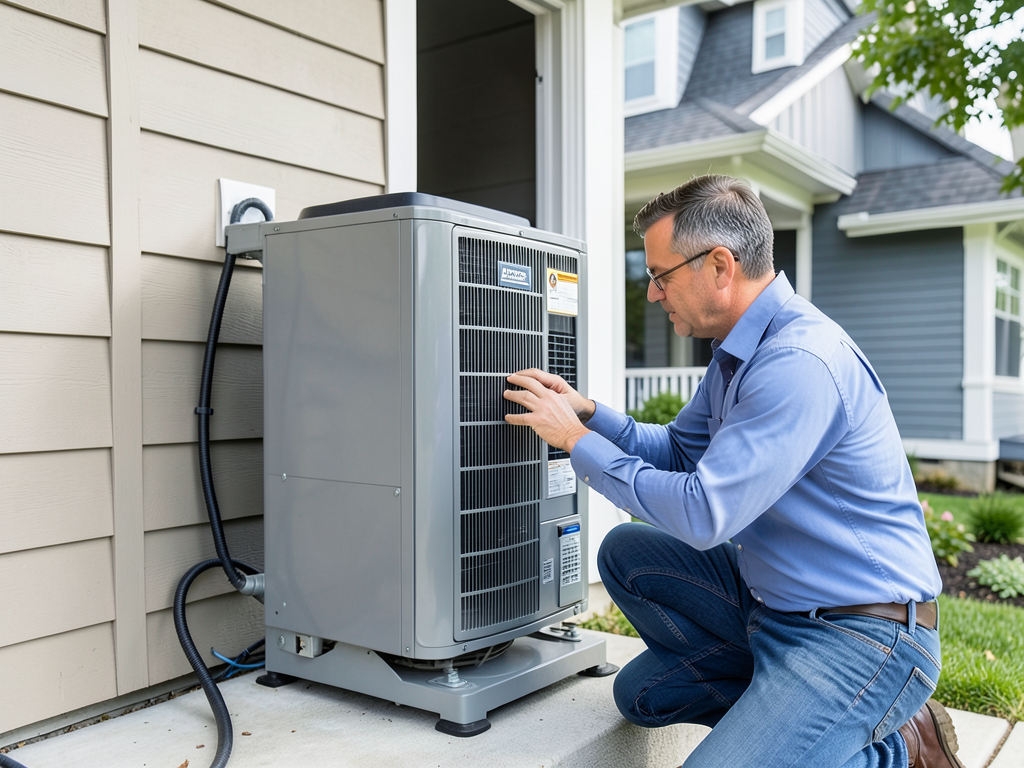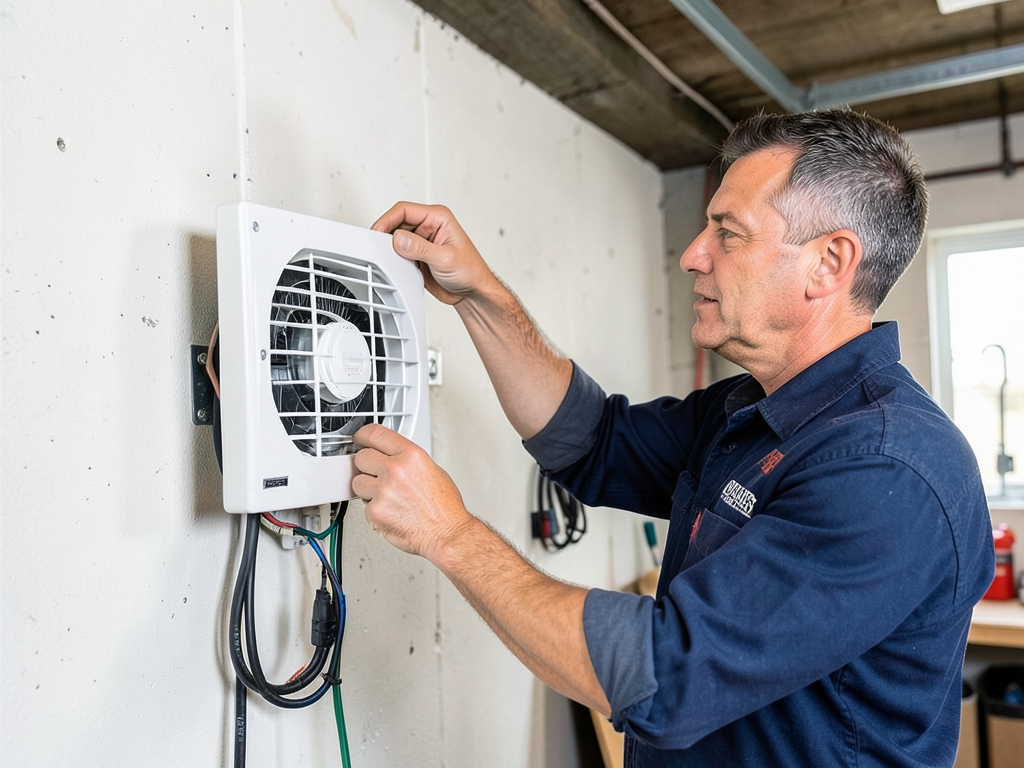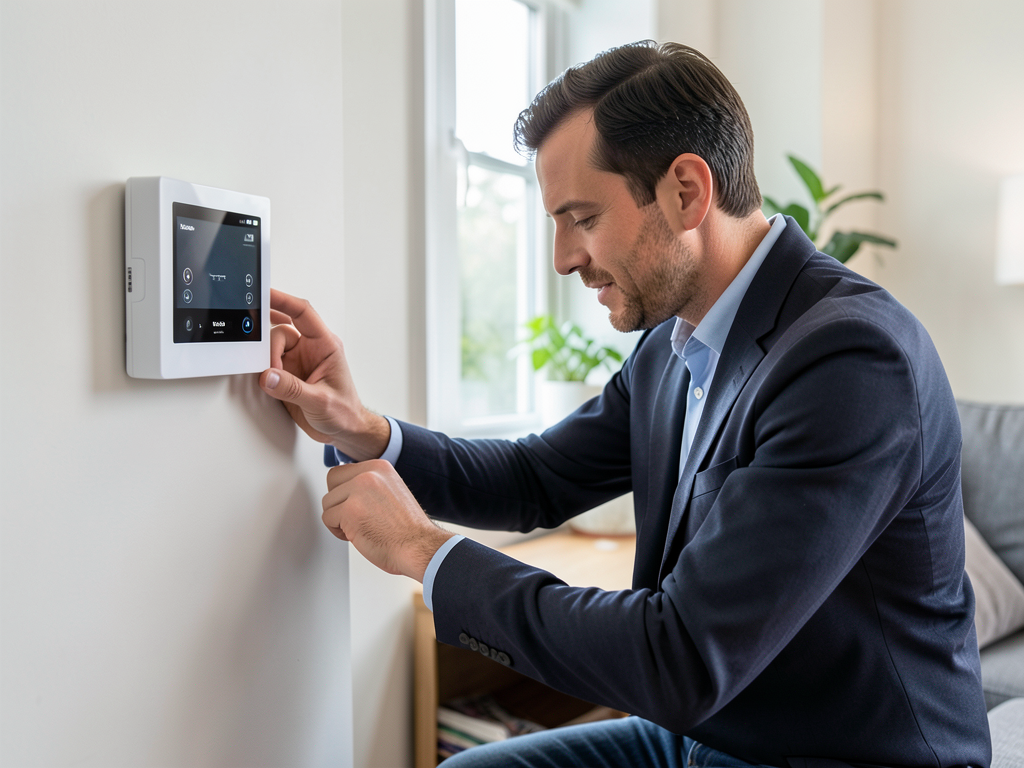







Seattle's constant humidity and mild temperatures create the perfect environment for HVAC inefficiency. The moisture in the air corrodes evaporator coils and electrical connections faster than in drier climates. Mold and algae grow in drain pans and on coil fins, which restricts airflow and forces your system to work harder. Seattle's moderate temperatures also mean most systems run in shoulder seasons when efficiency losses are hardest to detect. A failing component might not cause a complete breakdown, but it will silently double your electric bill over six months. Homes near Puget Sound or Lake Washington face even higher humidity levels, which accelerates corrosion and biological growth inside HVAC systems.
Peak HVAC Seattle has worked on thousands of systems across King County. We know which neighborhoods have older ductwork in vented crawlspaces and which have newer construction with sealed attics. We know how Seattle's clay soil causes foundation settling that damages ductwork. We also stay current with Seattle's energy efficiency codes and rebate programs so we can help you access available incentives. When you choose a local HVAC company that understands Seattle's unique climate challenges, you get faster diagnostics, better recommendations, and repairs that actually solve the problem instead of masking it.