
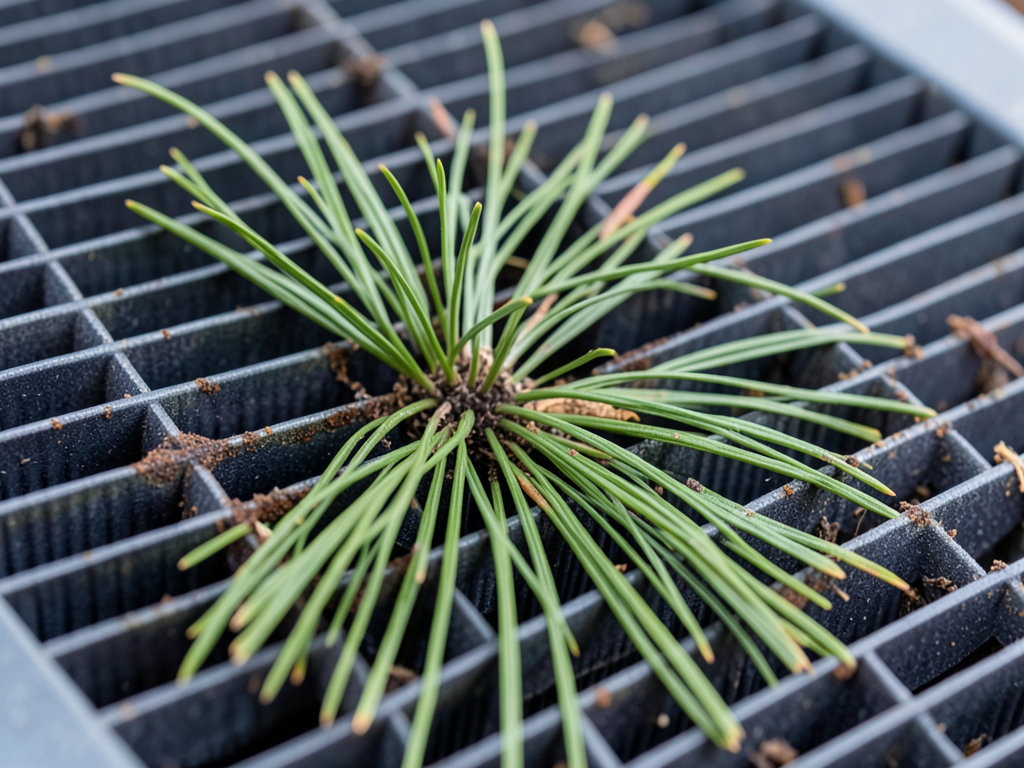
How Douglas fir needles can damage your AC unit in Olympic Hills
Your air conditioner sits outside battling Olympic Hills’ dense Douglas fir trees every day. Those soft green needles that look harmless actually pack a serious punch to your HVAC system. They clog condenser coils restrict airflow and force your unit to work twice as hard. In Olympic Hills where mature firs tower over most homes this is not just a seasonal nuisance but a year-round threat that can cut your AC’s lifespan in half and spike your energy bills by 15 percent or more.. Read more about Where to place your outdoor AC unit without ruining your Sunset Hill view.
The combination of Olympic Hills’ cool damp climate and heavy tree cover creates the perfect storm for HVAC damage. Unlike drier climates where debris blows away here needles stick to coils and trap moisture leading to corrosion and mold growth inside your unit. Add in spring cottonwood fluff and fall maple leaves and your condenser becomes a debris trap that silently robs you of comfort and cash.. Read more about How to hide your outdoor AC unit with landscaping in Olympic View without breaking it.
Why Olympic Hills homes face unique AC risks
Olympic Hills sits in a bowl of mature evergreen forest. The neighborhood’s towering Douglas firs shed thousands of tiny needles that slip through standard condenser guards. These needles act like tiny sponges holding moisture against aluminum fins. Over time this creates micro-corrosion points that weaken the metal and reduce heat transfer efficiency.
Local soil conditions make things worse. Olympic Hills sits on a mix of glacial till and organic forest loam that stays damp most of the year. This moisture rises through the ground and condenses on cold condenser surfaces. When needles trap that moisture against the coils the combination speeds up oxidation and creates perfect conditions for algae and mildew growth inside the unit.
Wind patterns in the bowl-shaped valley also concentrate debris. Storms funnel through the tree canopy and drive needles under protective grills where they accumulate in the tight spaces between fins. Once lodged there they block 30 to 40 percent of the coil surface area before most homeowners even notice a problem.
How debris damages your AC system
Debris damage happens in stages. First needles block airflow across the condenser coils. Your system must run longer cycles to achieve the same cooling effect. This extra runtime increases wear on the compressor motor and fan bearings. Second trapped moisture creates corrosion that eats through the thin aluminum fins. Once fins fail heat transfer drops dramatically and the system struggles to reject heat.
Third organic matter trapped in the coils becomes a breeding ground for bacteria and mold. These organisms release acidic byproducts that further damage metal surfaces. In severe cases the debris creates hot spots on the compressor that can cause refrigerant leaks or complete system failure.
The damage often goes unnoticed until summer when the system runs at full capacity. By then efficiency losses of 15 to 25 percent are common and the compressor may be operating at temperatures 20 to 30 degrees above normal. This heat stress can reduce compressor life from 15 years to as little as 7 years in heavily affected units.
Diagnostic signs your AC is suffering
Technicians use several quick checks to spot debris damage. First they measure condenser coil temperature differential. A healthy system shows a 15 to 20 degree split between intake and exhaust air. If that gap shrinks to 8 to 10 degrees debris is likely blocking heat transfer.
Second they inspect the condensate drain line. Debris-clogged coils produce more moisture that can back up into the drain pan. If you hear gurgling or see water pooling near the unit the coils probably need cleaning. Commercial Duct Cleaning.
Third they check amperage draw on the compressor. A unit fighting through debris may draw 10 to 15 percent more current than rated. This extra electrical load shows up on your utility bill before you notice cooling problems.
Homeowners can spot trouble too. If your AC runs constantly but never quite cools the house or if you hear the fan motor straining at odd times debris is likely the culprit. Ice formation on the larger line at the unit also signals restricted airflow from a dirty coil.
Year-round protection strategies for Olympic Hills
Olympic Hills needs a different approach than other Seattle neighborhoods. The dense tree cover means debris falls year-round not just in autumn. Spring brings cottonwood seeds that stick to wet coils. Summer thunderstorms drop needles and small branches. Fall delivers the heaviest load of fir needles and maple leaves. Winter storms bring down larger debris that can bend coil fins. Why your Ballard home needs professional furnace repair before the first freeze.
Start with proper clearance. Keep all vegetation at least three feet from the condenser sides and five feet above. This prevents leaves and needles from falling directly onto the unit. Trim back any branches that overhang the equipment.
Install a commercial-grade condenser guard with openings no larger than a quarter inch. Standard guards have half-inch spacing that lets fir needles slip through. The smaller mesh blocks debris while maintaining 75 percent of normal airflow.
Schedule professional coil cleaning twice yearly. Spring cleaning removes winter debris and prepares for summer cooling. Fall cleaning clears accumulated needles before they can trap moisture over winter. Each cleaning should include fin straightening and corrosion inhibitor treatment.
Consider a raised condenser pad if your unit sits on ground level. Elevating the equipment six inches reduces debris contact and improves drainage around the base. This simple change can extend coil life by several years in needle-heavy areas.
DIY maintenance steps you can take
Homeowners can handle basic debris removal safely. First turn off power at the disconnect switch near the unit. Never work on a live condenser. Remove the top grill carefully and set it aside.
Use a soft brush or vacuum with a brush attachment to remove loose debris from the coil surface. Work gently to avoid bending fins. For stubborn needles compressed air at 30 to 40 psi can help but keep the nozzle at least six inches from the coils.
Check and clear the condensate drain line. Pour a cup of white vinegar through the line to kill algae growth. This prevents clogs that can cause water damage inside your home.
Inspect the fan blades for damage or imbalance. Bent blades reduce airflow and increase motor wear. If you spot damage call a professional rather than trying to straighten them yourself.
Never use a pressure washer on condenser coils. The high pressure can flatten fins and force water into electrical components. Also avoid covering the unit during summer. Covers trap heat and can cause the compressor to overheat even when not running.
Professional cleaning vs DIY
DIY maintenance removes surface debris but cannot address deep contamination. Professional cleaning uses specialized foaming cleaners that penetrate between fins and dissolve organic buildup. Technicians also apply protective coatings that repel debris and resist corrosion. Preventative HVAC maintenance plans that actually save money for Redmond families.
Professional service includes electrical testing that homeowners cannot perform safely. They check capacitor health refrigerant charge and contactor condition. These tests can identify problems before they cause system failure. Weekend HVAC Service.
The cost difference is significant but so is the risk. DIY cleaning might cost you $20 in supplies while professional service runs $150 to $250. However a single emergency repair for a compressor failure can cost $1,500 to $2,500. Professional maintenance pays for itself by preventing these costly breakdowns. Who to call for 24 hour emergency furnace repair in West Seattle.
Most manufacturers require professional maintenance to keep warranties valid. Skipping scheduled service can void coverage on expensive components. For Olympic Hills homes with high debris exposure the warranty protection alone justifies annual professional cleaning.
Heat pump specific considerations
Olympic Hills residents increasingly choose heat pumps for year-round efficiency. These units face the same debris risks as AC-only systems but with added complexity. Heat pumps run in winter too so debris accumulation happens faster since the unit operates more months per year.
Cold weather operation creates unique problems. Moisture freezes on dirty coils forming ice that blocks airflow. The defrost cycle melts this ice but if debris remains the process repeats creating a freeze-thaw cycle that damages fins and electrical connections.
Heat pumps also have reversing valves and defrost controls that debris can interfere with. Small needles can jam valve actuators or block sensor ports. These issues cause the unit to switch modes at wrong times reducing efficiency and comfort.
For heat pump owners professional cleaning becomes even more critical. The twice-yearly schedule should become three times yearly in heavy debris areas. Spring summer and fall cleanings keep the system running efficiently through all seasons.
Impact on energy efficiency and costs
Debris directly impacts your utility bills through reduced efficiency. A clean condenser operates at 14 to 16 SEER under normal conditions. Debris-clogged coils can drop this to 10 to 12 SEER. This efficiency loss means your system must run 25 to 40 percent longer to cool the same space.
For a typical Olympic Hills home this translates to $30 to $50 more per month in cooling season. Over a five-year period debris damage can cost $1,500 to $2,500 in extra electricity plus the cost of early system replacement.
The environmental impact matters too. Less efficient operation means higher carbon emissions from your utility provider. A system running 30 percent longer produces proportionally more greenhouse gases even if your local grid uses clean energy sources.
Newer high-efficiency units suffer more from debris than older models. Modern condensers use thinner aluminum fins to improve heat transfer. While this boosts efficiency when clean it also makes them more vulnerable to debris damage. A new 18 SEER unit might lose 40 percent of its efficiency advantage if coils become dirty.
Landscaping for HVAC protection
Your yard design can reduce debris problems significantly. Start by creating a debris-free zone around the condenser. Use gravel or pavers for at least three feet in all directions. This eliminates grass clippings and prevents leaves from accumulating near the unit.
Choose plants wisely. Avoid trees that shed excessive debris near HVAC equipment. Good alternatives for Olympic Hills include:
- Dwarf conifers that grow slowly and shed minimally
- Deciduous trees with large leaves that are easy to clean up
- Ornamental grasses that provide visual screening without debris
- Evergreen shrubs that can be pruned away from equipment
Install a decorative screen that allows airflow but blocks debris. Louvered panels or open lattice work provide visual screening while maintaining the three-foot clearance rule. Position screens to block prevailing wind patterns that drive debris toward the unit.
Consider the seasonal impact of your landscaping choices. Olympic Hills experiences heavy spring pollen and seed drop followed by leaf fall in autumn. Design your yard to minimize these seasonal debris sources near HVAC equipment.
Local building codes and regulations
Seattle building codes require specific clearances for HVAC equipment. The Seattle Residential Code mandates at least three feet of clearance on all sides of outdoor units. This distance must be maintained from property lines fences and other structures.. Read more about Shielding your outdoor HVAC unit from the high winds and storms in North Admiral.
The Washington State Energy Code requires that all new HVAC installations meet minimum efficiency standards. For Olympic Hills’ climate zone this means at least 14 SEER for air conditioners and 8.2 HSPF for heat pumps. Debris-clogged systems often operate below these minimums without the owner realizing it.
Electrical codes require proper disconnect switches and grounding for all outdoor equipment. DIY cleaning must respect these safety requirements. Never bypass safety switches or work on live equipment even for simple maintenance tasks.. Read more about Protecting your outdoor HVAC unit from theft and damage in Dunlap.
Local noise ordinances may affect when you can run your AC or perform maintenance. Olympic Hills falls under Seattle’s residential noise rules which restrict loud equipment use to certain hours. Professional services schedule work to comply with these regulations.
Frequently Asked Questions
How often should I clean my AC coils in Olympic Hills?
Professional cleaning twice yearly is ideal for Olympic Hills due to year-round debris. Spring and fall cleanings remove accumulated material before it causes damage. DIY debris removal should happen monthly during heavy shedding seasons.
Can I use a cover to protect my unit from needles?
Never use solid covers during cooling season. They trap heat and can cause compressor failure. Mesh covers designed for winter protection are acceptable but must be removed before summer operation. The best protection is proper clearance and regular cleaning.
What’s the cost difference between protected and unprotected systems?
Protected systems last 15 to 20 years while unprotected units in heavy debris areas may fail in 7 to 10 years. The efficiency difference can add $30 to $50 monthly to cooling costs. Professional maintenance costs $150 to $250 yearly but prevents $1,500+ in premature replacement costs.
Should I replace my old unit if it’s in a bad debris area?
If your system is over 10 years old and shows efficiency problems replacement might be wise. New units have better debris resistance and higher efficiency. However proper protection and maintenance can extend any system’s life significantly regardless of age.
Call for professional inspection
Don’t wait for your AC to fail on the hottest day of summer. Olympic Hills’ unique combination of dense Douglas firs and damp climate creates year-round risks that most homeowners underestimate. A simple inspection can identify debris problems before they cause expensive damage.
Professional technicians can measure your system’s actual efficiency and compare it to manufacturer specifications. They can also check for corrosion damage and recommend specific protection strategies for your property. This targeted approach saves money by addressing your exact risks rather than using generic solutions.
Pick up the phone and call (564) 220-5899 today to schedule your inspection. Our local technicians understand Olympic Hills’ specific challenges and can recommend solutions that actually work in this unique environment. Don’t let debris rob you of comfort and cash this summer.
Protecting your investment long-term
Your HVAC system represents a significant investment in your home’s comfort and value. In Olympic Hills where environmental conditions are particularly challenging protecting that investment requires ongoing attention. The combination of mature Douglas firs high moisture and seasonal debris creates risks that demand proactive management.
Start with a professional assessment of your current system condition. This baseline evaluation identifies existing damage and establishes a maintenance schedule tailored to your specific situation. From there implement the protection strategies outlined in this guide and maintain them consistently.
Remember that debris damage accumulates gradually. Small efficiency losses compound over time until they become major problems. By staying ahead of debris accumulation you maintain system efficiency reduce energy costs and extend equipment life. This approach not only saves money but also ensures reliable comfort when you need it most.
The effort you invest in protecting your AC from Olympic Hills’ unique debris challenges pays dividends in lower utility bills fewer repairs and longer system life. Your future self will thank you when your AC keeps running smoothly through the hottest summer days while your neighbors struggle with failing systems. For more information, visit Energy.gov air conditioner maintenance guide. For more information, visit ASHRAE technical resources.
{
“@context”: “https://schema.org”,
“@type”: “BlogPosting”,
“headline”: “How Douglas fir needles can damage your AC unit in Olympic Hills”,
“description”: “Learn how Olympic Hills’ dense Douglas fir trees clog AC coils, reduce efficiency, and cause costly repairs. Get local protection tips from Seattle HVAC experts.”,
“wordCount”: 2510,
“datePublished”: “2026-04-28T14:10:00.000Z”,
“dateModified”: “2026-04-28T14:10:00.000Z”,
“inLanguage”: “en-US”,
“mainEntityOfPage”: {
“@type”: “WebPage”,
“@id”: “https://peakhvacseattle.com”
},
“publisher”: {
“@type”: “LocalBusiness”,
“name”: “Peak HVAC Seattle”,
“url”: “https://peakhvacseattle.com”
},
“author”: {
“@type”: “Organization”,
“name”: “Peak HVAC Seattle”,
“url”: “https://peakhvacseattle.com”
},
“image”: {
“@type”: “ImageObject”,
“url”: “https://peakhvacseattle.com/wp-content/uploads/2026/03/how-douglas-fir-needles-can-damage-your-ac-unit-in-1.png”
}
}
{
“@context”: “https://schema.org”,
“@type”: “HVACBusiness”,
“name”: “Peak HVAC Seattle”,
“url”: “https://peakhvacseattle.com”,
“address”: {
“@type”: “PostalAddress”,
“addressLocality”: “Seattle”
},
“areaServed”: {
“@type”: “City”,
“name”: “Seattle”
}
}
{
“@context”: “https://schema.org”,
“@type”: “FAQPage”,
“mainEntity”: [
{
“@type”: “Question”,
“name”: “How often should I clean my AC coils in Olympic Hills?”,
“acceptedAnswer”: {
“@type”: “Answer”,
“text”: “Professional cleaning twice yearly is ideal for Olympic Hills due to year-round debris. Spring and fall cleanings remove accumulated material before it causes damage. DIY debris removal should happen monthly during heavy shedding seasons.”
}
},
{
“@type”: “Question”,
“name”: “Can I use a cover to protect my unit from needles?”,
“acceptedAnswer”: {
“@type”: “Answer”,
“text”: “Never use solid covers during cooling season. They trap heat and can cause compressor failure. Mesh covers designed for winter protection are acceptable but must be removed before summer operation. The best protection is proper clearance and regular cleaning.”
}
},
{
“@type”: “Question”,
“name”: “What’s the cost difference between protected and unprotected systems?”,
“acceptedAnswer”: {
“@type”: “Answer”,
“text”: “Protected systems last 15 to 20 years while unprotected units in heavy debris areas may fail in 7 to 10 years. The efficiency difference can add $30 to $50 monthly to cooling costs. Professional maintenance costs $150 to $250 yearly but prevents $1,500+ in premature replacement costs.”
}
},
{
“@type”: “Question”,
“name”: “Should I replace my old unit if it’s in a bad debris area?”,
“acceptedAnswer”: {
“@type”: “Answer”,
“text”: “If your system is over 10 years old and shows efficiency problems replacement might be wise. New units have better debris resistance and higher efficiency. However proper protection and maintenance can extend any system’s life significantly regardless of age.”
}
}
]
}
{
“@context”: “https://schema.org”,
“@type”: “BreadcrumbList”,
“itemListElement”: [
{
“@type”: “ListItem”,
“position”: 1,
“name”: “Home”,
“item”: “https://peakhvacseattle.com”
},
{
“@type”: “ListItem”,
“position”: 2,
“name”: “Blog”,
“item”: “https://peakhvacseattle.com/blog”
},
{
“@type”: “ListItem”,
“position”: 3,
“name”: “How Douglas fir needles can damage your AC unit in Olympic Hills”
}
]
}
{
“@context”: “https://schema.org”,
“@type”: “Service”,
“serviceType”: “HVAC”,
“provider”: {
“@type”: “LocalBusiness”,
“name”: “Peak HVAC Seattle”,
“url”: “https://peakhvacseattle.com”
},
“areaServed”: {
“@type”: “City”,
“name”: “Seattle”
},
“description”: “Learn how Olympic Hills’ dense Douglas fir trees clog AC coils, reduce efficiency, and cause costly repairs. Get local protection tips from Seattle HVAC experts.”
}