




Menu

Winterizing Your HVAC System in Seattle – Prevent Costly Mid-Winter Failures Before the Pacific Northwest Cold Hits

Professional heating system winterization protects you from freezing breakdowns during Seattle's wet, unpredictable cold snaps. Get your furnace inspected and optimized before the temperature drops and service calls surge.

Slider Image 1
Slider Image 2
Slider Image 3
Slider Image 4
Slider Image 5
Slider Image 7
Slider Image 8
Slider Image 9
Slider Image 10
Slider Image 11

Why Seattle's Wet Winters Destroy Unprepared Heating Systems

Seattle winters sneak up on you. One week it is 50 degrees and drizzling. The next week you wake up to frost on the windshield and a furnace that clicks but does not ignite. The problem is not the cold itself. The problem is the damp.

The Pacific Northwest climate creates unique stress on HVAC equipment. Moisture infiltrates ductwork, condenses on heat exchangers, and corrodes electrical connections faster than in dry climates. When you finally fire up your furnace after months of dormancy, these hidden issues reveal themselves at the worst possible time.

Getting your heating system ready for winter means more than changing a filter. It means inspecting the ignition system for corrosion, testing the flame sensor for carbon buildup, and confirming the condensate drain lines are clear. In Seattle, condensate issues multiply because humidity never fully leaves the system during the off-season.

Preparing HVAC for winter in the Seattle area also means checking your heat pump's defrost cycle. If you run a heat pump as your primary heating source, the defrost board and reversing valve must function perfectly when temperatures dip into the 30s. A failed defrost cycle turns your heat pump into an ice sculpture.

Winter HVAC preparation is not about convenience. It is about avoiding a three-day wait for emergency service when every other home in Queen Anne or Ballard has the same problem. HVAC winter maintenance completed in October or early November means you control the timeline. You schedule the appointment. You avoid the panic.

The cost of heating system winterization is a fraction of the cost of a no-heat emergency service call during a cold snap. You also avoid the health risks that come with a malfunctioning furnace, like carbon monoxide leaks from cracked heat exchangers.

Why Seattle's Wet Winters Destroy Unprepared Heating Systems
How We Prepare Your Heating System for Seattle's Cold Season

How We Prepare Your Heating System for Seattle's Cold Season

Peak HVAC Seattle approaches winter HVAC preparation with a diagnostic checklist built for the Pacific Northwest climate. We do not perform generic tune-ups. We target the failure points that wet, moderate winters create.

We start by inspecting the heat exchanger for cracks and corrosion. A cracked heat exchanger is a carbon monoxide risk, and moisture accelerates metal fatigue. We use a flashlight and mirror to examine every panel and seam, looking for rust bloom or stress fractures that indicate the exchanger is compromised.

Next, we test the ignition system. Most modern furnaces use hot surface igniters or electronic ignition modules. These components fail when exposed to repeated moisture cycles. We measure the resistance across the igniter and check for hairline cracks. If the igniter draws too much current or shows signs of wear, we recommend replacement before it fails in December.

We inspect the flame sensor and clean it with fine-grit abrasive cloth. A dirty flame sensor causes nuisance shutdowns because the furnace cannot confirm ignition. In Seattle's humid environment, sensors corrode faster than in dry climates. Cleaning the sensor ensures reliable starts throughout the heating season.

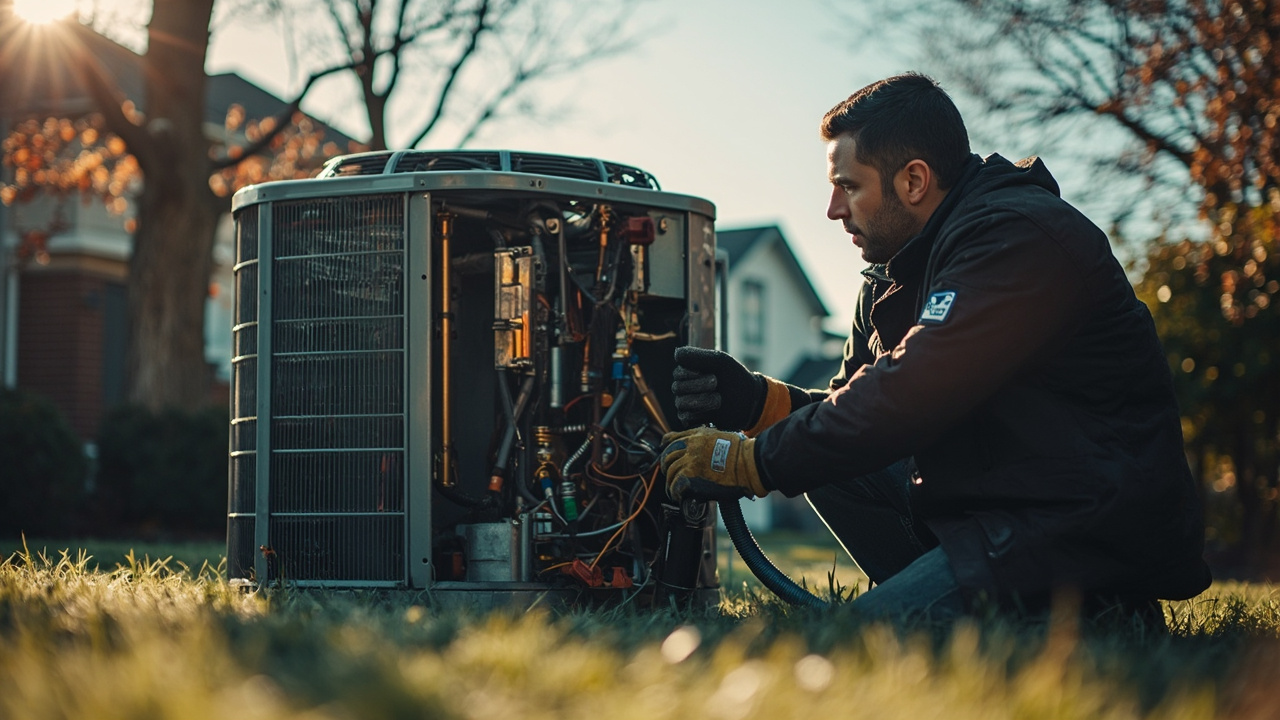
For heat pumps, we check the defrost control board and reversing valve operation. We simulate a defrost cycle and confirm the system switches into cooling mode to melt ice from the outdoor coil. We also inspect the auxiliary heat strips to confirm they activate when outdoor temperatures drop below the heat pump's effective range.

We test the blower motor and capacitor. A weak capacitor causes the blower to start slowly or not at all. We measure capacitance with a multimeter and replace capacitors that fall outside the rated microfarad range. We also check the blower wheel for dust buildup, which reduces airflow and increases energy consumption.

Finally, we verify the thermostat calibration and check the air filter. A miscalibrated thermostat causes short cycling and uneven heating. We confirm the thermostat reads accurately and responds correctly to temperature changes.

What Happens During Your Winter HVAC Preparation Appointment

Winterizing Your HVAC System in Seattle – Prevent Costly Mid-Winter Failures Before the Pacific Northwest Cold Hits
01

System Inspection and Diagnostics

We arrive with diagnostic tools and begin by testing your furnace or heat pump under load. We measure voltage at the transformer, check amp draw on the blower motor, and confirm the gas valve opens correctly. We photograph any corroded components or worn parts and explain what we find. This step identifies hidden problems before they cause a breakdown.
02

Component Cleaning and Calibration

We clean the flame sensor, burner assembly, and blower wheel. We lubricate the blower motor bearings if applicable and tighten electrical connections. We calibrate the thermostat and test the limit switches to confirm they shut down the system if overheating occurs. This step restores your system to factory performance and extends its lifespan.
03

Performance Testing and Documentation

We run your furnace or heat pump through multiple heating cycles and measure the temperature rise across the heat exchanger. We document the system's performance and leave you with a written report that includes any recommended repairs. You walk away knowing your heating system is ready for winter and what to expect in terms of future maintenance.

Why Seattle Homeowners Trust Peak HVAC for Heating System Winterization

Peak HVAC Seattle focuses exclusively on the Greater Seattle area. We understand how moisture affects HVAC equipment in Fremont, Capitol Hill, West Seattle, and Magnolia. We know that homes in older neighborhoods like Wallingford often have gravity furnaces or outdated ductwork that requires special attention during winter preparation.

We also understand Seattle's building codes and ventilation requirements. Many homes in Seattle have been retrofitted with modern HVAC systems but lack proper combustion air supply. We check for backdrafting and carbon monoxide risks that generic HVAC companies miss.

Our technicians train on the specific equipment common to the Pacific Northwest. We work on Lennox, Carrier, Trane, Rheem, and Goodman systems daily. We stock parts for the furnaces and heat pumps installed in Seattle homes, which means we can often complete repairs during the same visit.

We also understand the timing. October and November are the best months for heating system winterization in Seattle. By mid-November, the service backlog grows and availability shrinks. We encourage homeowners to schedule early so they avoid the rush and lock in convenient appointment times.

Peak HVAC Seattle does not sell you services you do not need. If your furnace is in good condition, we tell you. If a component is near the end of its life, we explain why and give you options. We provide transparent pricing and detailed explanations of every recommendation.

We also offer maintenance plans that include priority scheduling and discounted service rates. Maintenance plan members get first access to appointment slots during peak season and receive reminders when it is time to schedule their next tune-up.

Our goal is to build long-term relationships with Seattle homeowners. We want to be the company you call when you need HVAC service, and we earn that trust by delivering consistent, reliable work.

What You Get with Professional Winter HVAC Preparation

Same-Week Scheduling Availability

We schedule most winterization appointments within the same week you call. During October and early November, availability is wide open. As we move into late November and December, appointment slots fill quickly. We recommend calling as soon as you think about winter preparation. Most appointments take 60 to 90 minutes depending on the system type and any issues we discover. We arrive on time and complete the work efficiently so you can get back to your day.

Thorough Diagnostic Assessment

Our diagnostic process is comprehensive. We do not rush through a checklist. We test every component that affects heating performance and safety. We measure voltage, amperage, and temperature rise. We inspect the heat exchanger with a flashlight and mirror. We check for gas leaks with a combustible gas detector. We test the carbon monoxide levels in the flue and living space. You receive a written report that documents what we found and what we recommend. If repairs are needed, we explain the problem clearly and give you options.

Reliable Heating Performance

After we complete your winter HVAC preparation, your heating system operates at peak efficiency. You avoid mid-winter breakdowns. You reduce your energy bills because the system runs cleanly and efficiently. You breathe easier knowing your furnace is not producing carbon monoxide. You also extend the lifespan of your equipment because regular maintenance prevents the wear and tear that leads to expensive repairs. A well-maintained furnace lasts 15 to 20 years. A neglected furnace fails in 10 to 12 years. The difference is preventive care.

Ongoing Maintenance Support

We offer maintenance plans that include annual heating system winterization and cooling system tune-ups. Maintenance plan members receive priority scheduling, discounted service rates, and annual reminders when it is time to schedule their next appointment. We keep detailed records of your system's history so we can track performance trends and anticipate future repairs. If you need emergency service, maintenance plan members get bumped to the front of the line. The plan pays for itself with the first emergency call you avoid. It also gives you peace of mind knowing your HVAC system is being monitored by professionals who know its history.

Frequently Asked Questions

You Have Questions,
We Have Answers

How to winterize an HVAC system? +

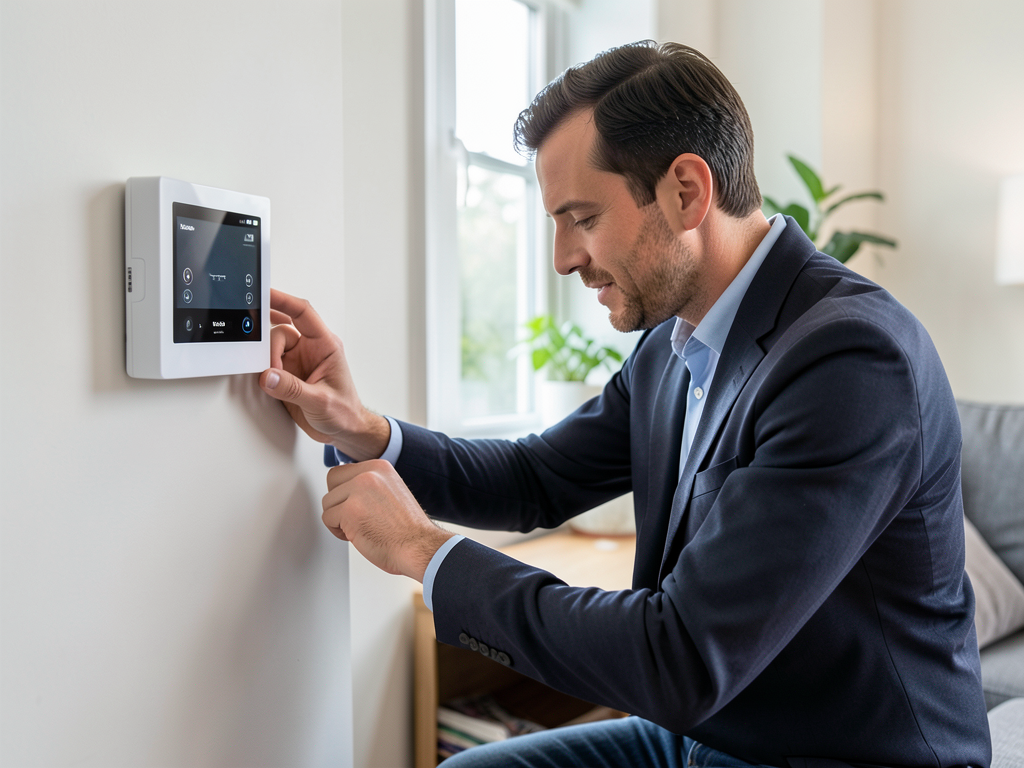
Start by scheduling a professional inspection to check your furnace, heat exchanger, and ductwork. Replace your air filter before the heating season begins. Clean outdoor unit coils and remove debris like leaves or moss common in Seattle's damp climate. Test your thermostat to confirm it switches properly between cooling and heating modes. Check that vents and registers inside your home are open and unobstructed. Inspect insulation around ductwork in crawl spaces where moisture can degrade performance. Seal any gaps around windows and doors to reduce heating load. These steps prevent mid-winter breakdowns during Seattle's rainy, cold months.

What is the $5000 rule for HVAC? +

The $5000 rule is a quick calculation to decide between repair and replacement. Multiply the age of your HVAC system by the repair cost. If the result exceeds $5000, replacement makes more financial sense than fixing it. For example, a 12-year-old system needing a $500 repair equals $6000, which signals replacement is smarter. This guideline helps homeowners avoid throwing money at aging equipment that will likely fail again soon. In Seattle's moderate climate, systems often last longer, but this rule still provides a practical framework for making repair-versus-replace decisions.

What is the 2 foot rule for HVAC? +

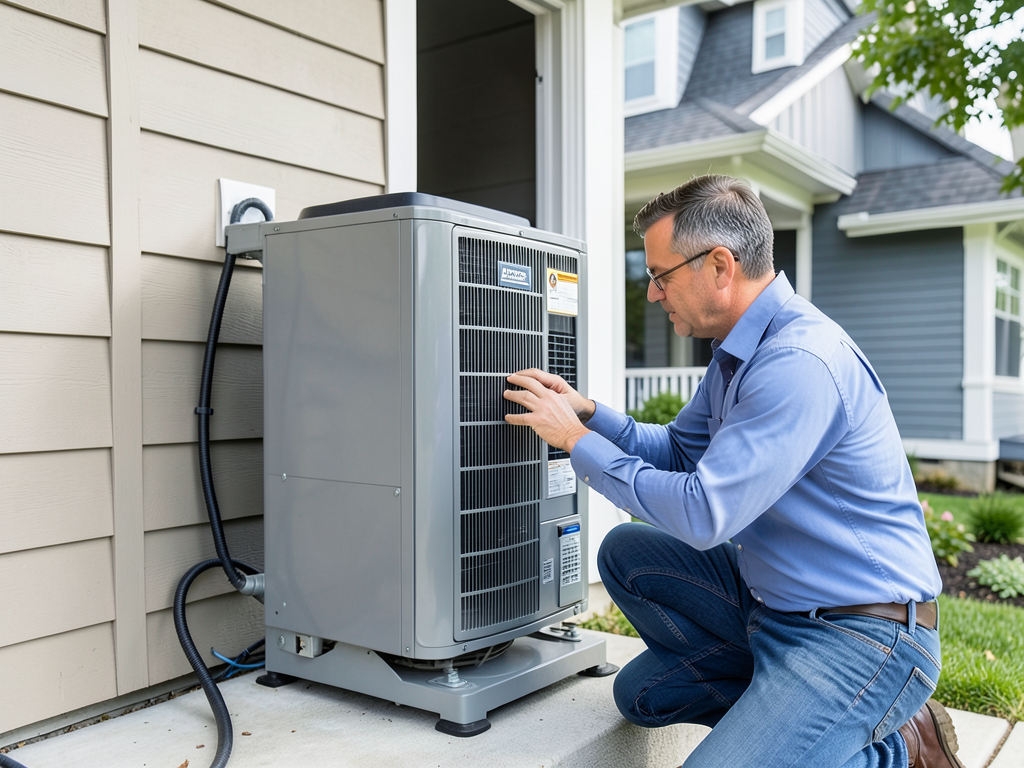
The 2 foot rule requires maintaining at least two feet of clearance around your outdoor condenser unit. This space allows proper airflow for efficient operation and prevents debris accumulation. In Seattle, falling leaves, moss, and overgrown vegetation from frequent rain can quickly obstruct your unit. Trim back shrubs, ferns, and ivy regularly. Avoid stacking firewood, storage bins, or lawn equipment near the condenser. Poor clearance forces your system to work harder, increases energy bills, and shortens equipment life. Check clearance seasonally, especially after fall storms when branches and organic matter pile up around outdoor units.

Should you cover your HVAC during an ice storm? +

No. Modern HVAC units are engineered to handle ice, snow, and freezing rain without covers. Covering your outdoor unit during an ice storm can trap moisture inside, causing rust and mold growth. It also blocks airflow if the system runs, which can damage the compressor. Seattle ice storms are rare but do occur. If ice accumulates heavily on the unit, gently remove it after the storm passes. Do not chip away ice aggressively. Let it melt naturally or use lukewarm water. The unit's housing protects internal components better than any aftermarket cover.

What is the 3 minute rule for AC? +

The 3 minute rule prevents short cycling and compressor damage. After your air conditioner shuts off, wait at least three minutes before restarting it. This delay allows refrigerant pressure to equalize throughout the system. Restarting too quickly forces the compressor to work against high pressure, which strains the motor and shortens its lifespan. Modern thermostats often have built-in delay features, but manual overrides can bypass this protection. If you notice your AC cycling on and off rapidly, contact a technician. Compressor failure is expensive and often requires full system replacement in older units.

How to prepare your HVAC for winter? +

Schedule a professional tune-up before November to inspect your furnace, burners, and heat exchanger. Replace your air filter and stock extras for Seattle's wet season when dust and allergens increase. Test your thermostat and consider upgrading to a programmable model for better efficiency. Clean supply and return vents throughout your home. Check weatherstripping around doors and windows to minimize heat loss. Inspect ductwork in crawl spaces for leaks or damage from moisture. Clear gutters and downspouts to prevent water intrusion near HVAC components. These steps reduce emergency breakdowns during Seattle's cold, rainy winter months.

What is the average lifespan of an HVAC system? +

The average HVAC system lasts 15 to 20 years with proper maintenance. Furnaces typically reach 15 to 18 years, while heat pumps last 10 to 15 years due to year-round use. In Seattle's mild climate, systems often exceed these averages because extreme temperature swings are rare. Regular maintenance extends lifespan by preventing small issues from becoming catastrophic failures. Factors like installation quality, usage patterns, and humidity levels affect longevity. If your system approaches 15 years and requires frequent repairs, start planning for replacement to avoid emergency failures during winter.

How much is the federal tax credit for HVAC? +

The federal Energy Star tax credit offers up to $2000 for qualifying HVAC equipment installed through 2032. Heat pumps, central air conditioners, and furnaces meeting efficiency standards are eligible. The credit applies to equipment costs and installation. Some high-efficiency heat pumps qualify for separate credits up to $2000. Seattle homeowners benefit from combining federal credits with local utility rebates from Puget Sound Energy or Seattle City Light. Keep receipts and manufacturer certifications for tax filing. Consult a tax professional to confirm eligibility based on your specific equipment and installation date.

Does keeping the AC at 72 save money? +

Keeping your AC at 72 degrees does not save money. Every degree above 68 reduces cooling costs by approximately three percent. In Seattle's mild summers, setting your thermostat to 75 or 78 significantly cuts energy use without sacrificing comfort. Use fans to circulate air and feel cooler at higher temperatures. Programmable thermostats automatically adjust settings when you are away or sleeping. Seattle's cool evenings allow you to open windows instead of running AC overnight. Reducing runtime lowers utility bills and extends equipment life by minimizing compressor wear.

Do I need a return air duct in every room? +

No. Most homes need only one or two return air ducts, typically located in central areas or hallways. Returns pull air back to your furnace for heating or cooling. Individual rooms do not require dedicated returns unless they are isolated spaces like bonus rooms or finished basements. Seattle homes often have single-story layouts or split-levels where central returns work efficiently. Closing interior doors can restrict airflow if returns are limited, so keep bedroom doors slightly open during heating or cooling cycles. Undersized return ducts reduce system efficiency and increase energy costs.

How Seattle's Mild But Wet Climate Creates Unique HVAC Winterization Needs

Seattle's winter temperatures rarely drop below freezing for extended periods, but the constant dampness creates conditions that accelerate HVAC system corrosion and component failure. Moisture infiltrates ductwork and settles on electrical connections, causing short circuits and ignition failures. Heat exchangers rust faster in humid environments, increasing the risk of cracks and carbon monoxide leaks. Preparing HVAC for winter in Seattle means addressing these moisture-related issues before the heating season begins. Homes near Puget Sound or Lake Washington face even higher humidity levels, making winter HVAC preparation critical for system reliability and safety.

Peak HVAC Seattle has served the Greater Seattle area for years, building relationships with homeowners in neighborhoods from Ballard to Beacon Hill. We understand Seattle's building stock, which includes everything from historic Craftsman homes with gravity furnaces to modern townhouses with high-efficiency heat pumps. We know the local HVAC landscape and stock parts for the systems installed in Seattle homes. Our technicians understand Seattle's mechanical codes and ventilation requirements, ensuring your heating system winterization meets all safety standards. Choosing a local HVAC provider means working with technicians who understand the specific challenges Seattle's climate creates for heating equipment.
HVAC Services in The Seattle Area

Conveniently located to serve the greater Seattle area, Peak HVAC Seattle is dedicated to providing reliable and prompt services to our community. Our local presence ensures we can respond quickly to your needs, delivering expert heating and cooling solutions right to your doorstep. Whether you’re a homeowner or business owner, we’re committed to being your trusted, neighborhood HVAC partner for a perfectly comfortable indoor environment.

Address:
Peak HVAC Seattle, 401 Broadway E, Seattle, WA, 98102

Additional Services We Offer

Our news updates

Latest Articles & News from The Blogs

The difference between standard filters and HEPA filtration for your Bitter Lake home Standard HVAC filters and HEPA filtration systems…

The difference between standard filters and HEPA filtration for your Bitter Lake home

The difference between standard filters and HEPA filtration for your Bitter Lake home Standard HVAC filters and HEPA filtration systems…

How to hide your outdoor AC unit with landscaping in Olympic View without breaking it

How to hide your outdoor AC unit with landscaping in Olympic View without breaking it If you live in Olympic…

Protecting your expensive hardwood floors in Hunt's Point from seasonal warping

Protecting your expensive hardwood floors in Hunt’s Point from seasonal warping Seattle’s maritime climate creates a silent threat to your…

Contact Us

Do not wait for a breakdown to discover your furnace is not ready for winter. Call Peak HVAC Seattle at (564) 220-5899 to schedule your heating system winterization. We offer same-week appointments and transparent pricing. Protect your home and your family before the first freeze.