




Menu

Emergency Heat Pump Repair in Seattle – 24/7 Dispatch and Same-Day Service When Your System Fails

When your heat pump stops working in the middle of a Seattle winter night, you need a technician on-site fast. Peak HVAC Seattle dispatches certified technicians around the clock for urgent heat pump repair, restoring warmth and safety to your home before the cold becomes dangerous.

Slider Image 1
Slider Image 2
Slider Image 3
Slider Image 4
Slider Image 5
Slider Image 7
Slider Image 8
Slider Image 9
Slider Image 10
Slider Image 11

Why Heat Pump Failures Hit Hard in Seattle's Climate

Seattle's marine climate creates unique stress on heat pump systems. The constant cycling between heating and cooling during shoulder seasons, combined with the damp air that rolls in from Puget Sound, accelerates refrigerant leaks, corrodes electrical connections, and overwhelms defrost cycles. When your heat pump fails during a cold snap, you are not just uncomfortable. You are facing frozen pipes, condensation damage, and a health risk for anyone vulnerable to temperature extremes.

Heat pump emergencies do not wait for business hours. A compressor seizes at 2 a.m. A reversing valve sticks during a Sunday freeze. A blower motor burns out when you need it most. These failures demand immediate attention because your home loses heat fast in Seattle's drafty older construction, common in neighborhoods like Ballard, Wallingford, and Queen Anne.

Peak HVAC Seattle operates 24 hour heat pump repair service across the greater Seattle metro. Our technicians carry diagnostic equipment and replacement parts for the most common emergency failures. We understand that same day heat pump repair is not a luxury when temperatures drop. It is a necessity. Our after hours heat pump repair team has restored heat to thousands of Seattle homes during the coldest nights of the year.

You need someone who answers the phone, arrives prepared, and fixes the problem right the first time. That is what emergency heat pump service looks like when it is done correctly.

Why Heat Pump Failures Hit Hard in Seattle's Climate
How We Diagnose and Repair Heat Pump Failures Under Pressure

How We Diagnose and Repair Heat Pump Failures Under Pressure

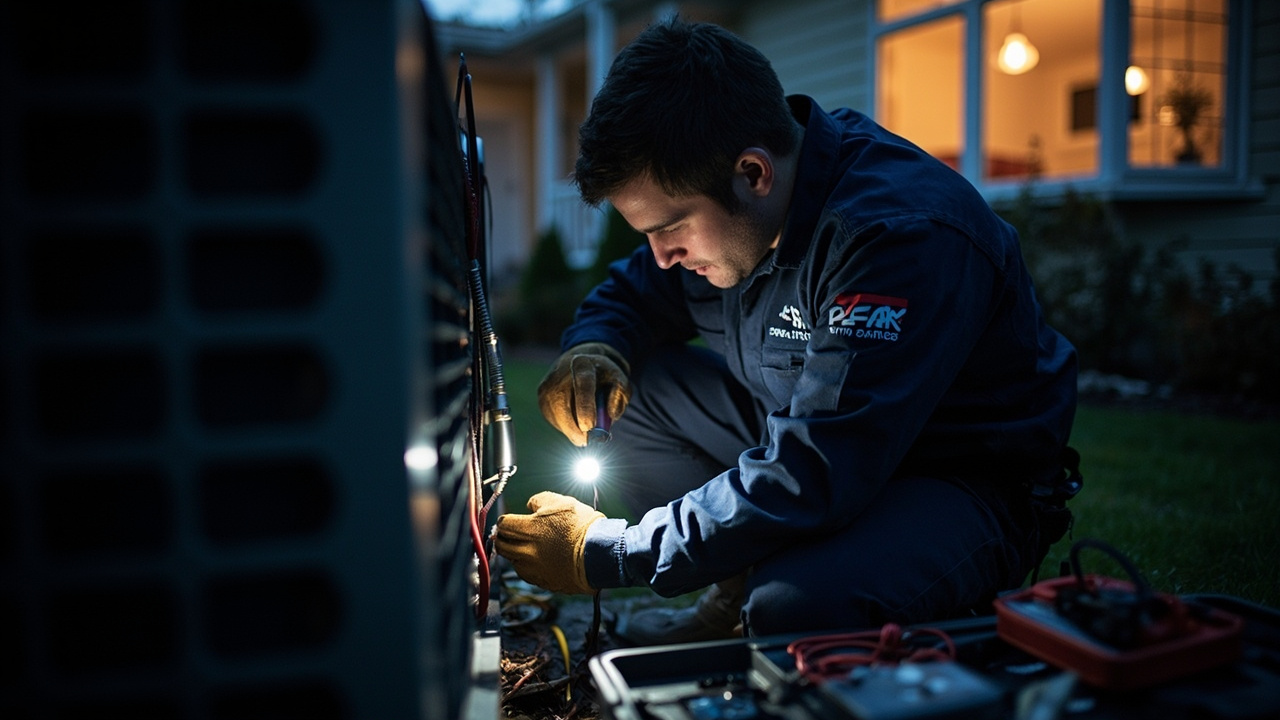
Emergency heat pump repair starts with accurate diagnosis under stress. Our technicians do not guess. They follow a methodical troubleshooting protocol that isolates the failure point in minutes. We test compressor amperage draw, measure refrigerant superheat and subcooling, check defrost board operation, and inspect reversing valve function. This diagnostic discipline separates real repairs from temporary patches.

Most emergency calls involve compressor failure, frozen coils, refrigerant leaks, or control board faults. We carry replacement contactors, capacitors, defrost sensors, and fan motors in every truck. For refrigerant leaks, we use nitrogen pressure testing and electronic leak detectors to find the exact breach point, then braze the repair and recharge the system to factory specifications. We do not top off a leaking system and send you a bill. That is not a repair.

Seattle's frequent freeze-thaw cycles stress outdoor coil connections. When a braze joint fails during a cold night, refrigerant escapes, and the system shuts down on low pressure. We repair the leak, pull a deep vacuum to remove moisture, and recharge with the correct refrigerant blend for your system. This process takes time, but it ensures the repair holds.

Control board failures require exact replacement or field repair of burnt relay contacts. We cross-reference part numbers and verify compatibility before installation. A mismatched board will create new problems within days. Our technicians understand the difference between a quick fix and a durable repair. When you call for urgent heat pump repair, you get the latter.

What Happens When You Call for Emergency Service

Emergency Heat Pump Repair in Seattle – 24/7 Dispatch and Same-Day Service When Your System Fails
01

Immediate Phone Assessment

When you call our emergency line, a trained dispatcher asks targeted questions about your system symptoms. Is the outdoor unit running? Do you hear clicking from the thermostat? Is the indoor air handler blowing? These answers help us send the right technician with the right parts. We dispatch within 15 minutes of your call and provide a realistic arrival window based on your location in Seattle.
02

On-Site Diagnosis and Repair

Our technician arrives with a fully stocked truck and runs a complete diagnostic sequence. We explain what failed, why it failed, and what the repair involves before we start work. Most emergency repairs finish within two hours. For complex failures like compressor replacement, we provide temporary heat solutions while we complete the work. You are never left without options in the middle of a cold night.
03

System Testing and Guarantee

After the repair, we run the system through a full heating cycle and verify proper operation. We measure airflow, check temperature rise, and confirm the defrost cycle functions correctly. You receive a detailed invoice that explains the failure and the repair. Our work is backed by parts and labor coverage, so if something goes wrong with the repair itself, we return at no charge.

Why Seattle Homeowners Trust Peak HVAC for After-Hours Heat Pump Emergencies

Emergency HVAC service reveals who knows their trade and who is guessing. Peak HVAC Seattle has repaired thousands of heat pump failures across the city, from Beacon Hill to Greenwood, from West Seattle to Lake City. Our technicians understand the quirks of older heat pump installations common in Seattle's post-war housing stock. We know which models are prone to defrost board failures, which brands have weak capacitor mounts, and which refrigerant blends were phased out years ago.

Seattle's building codes and energy efficiency requirements also factor into emergency repairs. If your heat pump is more than 15 years old, we discuss whether a repair makes financial sense or if replacement is the smarter move. We provide honest assessments because our reputation depends on it. You will never receive a high-pressure sales pitch while your house is freezing.

Our emergency response covers the entire Seattle metro area, including neighborhoods where older homes have undersized electrical panels or inadequate outdoor unit clearances. We adapt our repair approach to the realities of your property. If a compressor replacement requires a permit or an electrical upgrade, we explain the process and timeline. If a temporary repair will get you through the night safely, we make that option clear.

Local expertise matters when you are dealing with an emergency. We know the Seattle permit process, the local supply houses, and the inspectors. We have relationships with electrical contractors who can respond quickly if your heat pump failure exposed a larger electrical issue. You are not hiring a national franchise that farms out your call to a subcontractor. You are hiring a local team that has worked in your neighborhood before.

What to Expect During an Emergency Heat Pump Repair Call

Response Time and Availability

Our emergency line operates 24 hours a day, seven days a week. When you call, you speak to a person who can dispatch a technician immediately. We do not use answering services or voicemail during off-hours. Average response time for emergency calls is under 90 minutes for most Seattle neighborhoods. During severe weather events when call volume spikes, we prioritize homes with vulnerable occupants, but we return every call the same day. You will never wait until Monday morning when you call on a Saturday night.

Diagnostic Process and Transparency

Emergency diagnostics follow the same rigorous process as scheduled service calls. Our technicians use calibrated instruments to measure system performance and identify the exact failure point. We show you the failed component when possible and explain what caused the breakdown. If your heat pump requires a major repair that exceeds a reasonable threshold, we discuss all your options, including temporary fixes, full repairs, or replacement. You make the final decision with complete information. We never start work without your approval and a clear price.

Repair Quality and Parts

We use OEM (original equipment manufacturer) parts whenever possible for critical components like compressors, reversing valves, and control boards. For universal parts like capacitors and contactors, we use commercial-grade components rated for the electrical loads common in Seattle heat pump systems. Every repair meets manufacturer specifications and local code requirements. We do not cut corners to speed up the job. A repair done right takes the time it takes, but it holds up when the next cold front arrives.

Follow-Up and Support

After an emergency repair, we follow up within 48 hours to confirm your system is running correctly. If you experience any issues with the repair itself, we return at no additional charge to make it right. We also provide a written summary of the failure and recommendations for preventing future breakdowns. Many heat pump emergencies are preventable with regular maintenance. We offer seasonal tune-up plans that catch small problems before they become midnight failures. Our goal is to keep you out of emergency situations, but when they happen, we are ready to respond.

Frequently Asked Questions

You Have Questions,
We Have Answers

What is the $5000 rule? +

The $5000 rule helps you decide between repairing or replacing your heat pump. Multiply the age of your unit by the repair cost. If the result exceeds $5000, replacement makes more financial sense. For example, if your heat pump is 12 years old and the repair costs $500, that equals $6000. You should replace it. In Seattle's damp climate, older heat pumps lose efficiency faster due to corrosion and moisture infiltration. This rule prevents you from throwing good money after bad on aging equipment that will fail again soon.

What to do if the heat pump stops working? +

First, check your thermostat settings and replace batteries if needed. Verify the circuit breaker has not tripped. Inspect your outdoor unit for ice buildup or debris blocking airflow. If these quick checks fail, call for emergency repair immediately. Seattle winters demand reliable heat. Do not wait overnight when temperatures drop into the 30s. Turn off your system to prevent compressor damage. A failed heat pump often means frozen pipes or mold growth in our humid climate. Get a technician out within hours, not days.

What is considered an HVAC emergency? +

An HVAC emergency means immediate health risk or property damage. No heat when temperatures drop below 40 degrees qualifies as urgent in Seattle. Gas leaks, electrical burning smells, or sparking components demand immediate shutdown and professional help. Water leaking from your indoor unit can damage floors and create mold in our humid climate. Complete system failure during extreme weather is an emergency. Strange loud noises, refrigerant leaks, or carbon monoxide detector alarms require immediate action. If you smell gas or see smoke, evacuate and call professionals right away.

What is emergency heat for a heat pump? +

Emergency heat is a backup heating mode on your thermostat. It bypasses the heat pump and activates electric resistance strips. This setting costs two to three times more to operate but provides reliable warmth when your heat pump fails or cannot keep up. Use emergency heat only during equipment failure or when outdoor temperatures drop below your heat pump's effective range. In Seattle, this rarely happens, but ice storms or equipment breakdowns make this feature critical. Never run emergency heat longer than necessary. Schedule immediate repair to restore efficient operation.

How much is the federal tax credit for HVAC? +

The federal Energy Efficient Home Improvement Credit offers up to $2000 annually for qualifying heat pump installations. Your system must meet specific efficiency ratings. The credit covers 30 percent of installation costs, including labor, up to the $2000 cap. Seattle homeowners combining this credit with local utility rebates can significantly reduce replacement costs. The credit applies to tax years 2023 through 2032. You must own your home and use it as your primary residence. Keep all receipts and manufacturer certifications. Consult a tax professional to verify your specific eligibility and maximize savings.

How much to replace HVAC for a 2000 sq ft house? +

Replacing HVAC for a 2000 square foot home in Seattle typically ranges from $8000 to $15000. This wide range depends on system type, efficiency ratings, ductwork condition, and installation complexity. Heat pumps cost more upfront than furnaces but save on operating costs in our mild climate. Two-story homes or homes with poor insulation require larger capacity systems. Seattle's moisture issues often mean replacing damaged ductwork or adding upgraded dehumidification. Get three written estimates. Avoid the lowest bid. Quality installation matters more than equipment brand in our rainy environment.

What is the average cost of a heat pump replacement? +

Heat pump replacement in Seattle averages $6000 to $12000 for a complete system. This includes the outdoor condenser, indoor air handler, refrigerant lines, and labor. Higher efficiency models cost more but qualify for federal tax credits and utility rebates. Your specific cost depends on home size, existing ductwork condition, and whether you need electrical upgrades. Seattle's older homes often require panel upgrades to support modern heat pumps. Multi-zone systems cost significantly more. Emergency replacements during winter carry premium pricing. Plan replacements during spring or fall for better rates and availability.

What is the most common problem with heat pumps? +

Frozen coils plague heat pumps in Seattle's damp climate. Morning frost buildup is normal, but thick ice indicates low refrigerant, dirty filters, or failing defrost controls. Refrigerant leaks rank as the second most common problem. Our high humidity accelerates corrosion on outdoor units. Faulty reversing valves prevent switching between heating and cooling modes. Clogged condensate drains cause water damage in our rainy weather. Capacitor failure stops the compressor from starting. Regular maintenance prevents most issues. Change filters monthly during heating season. Keep your outdoor unit clear of leaves and debris year-round.

What is the average life expectancy of a heat pump? +

Heat pumps last 10 to 15 years in Seattle with proper maintenance. Our mild temperatures and high humidity affect longevity differently than extreme climates. Coastal salt air shortens lifespan in waterfront neighborhoods. Units exposed to afternoon sun last longer than shaded equipment prone to moss growth. Annual professional maintenance extends operational life. Neglected systems fail at 8 to 10 years. Quality installation matters more than brand name. Oversized or undersized units wear out faster. Plan for replacement around year 12. Budget for repairs to increase after year 8. Modern units often outlast older models.

How much is emergency HVAC repair? +

Emergency HVAC repair in Seattle costs $150 to $500 for after-hours service calls, plus parts and labor. Expect premium rates for nights, weekends, and holidays. Simple fixes like capacitor replacement run $300 to $500 total. Compressor replacement reaches $1500 to $3000. Refrigerant leak repairs cost $500 to $1200 depending on location and severity. Most companies charge trip fees of $100 to $150 that apply toward repair costs. Get a firm quote before authorizing work. Ask about financing for major repairs. Emergency rates reflect technician availability and urgency, not repair complexity.

How Seattle's Damp Marine Air Accelerates Heat Pump Component Failure

Seattle's proximity to Puget Sound means outdoor heat pump components face constant moisture exposure. The marine air corrodes electrical connections, degrades insulation on wiring, and promotes rust on mounting brackets and coil fins. This moisture intrusion accelerates compressor failures and control board shorts. During winter, when the outdoor coil operates below freezing for extended periods, ice buildup stresses the defrost system. If the defrost cycle fails, the coil freezes solid, and the system shuts down. These failures happen more frequently in Seattle than in drier climates, which is why 24 hour heat pump repair availability is critical here.

Seattle residents need HVAC contractors who understand local installation challenges. Many homes in older neighborhoods like Fremont, Ravenna, and Capitol Hill have heat pumps installed in tight side yards with poor drainage. Standing water around the outdoor unit accelerates rust and creates electrical hazards. Peak HVAC Seattle has repaired hundreds of systems in these conditions. We know how to source parts for older models common in Seattle housing stock, and we understand the permitting process when repairs trigger code compliance upgrades. Choosing a contractor with deep local experience means fewer surprises and faster resolution when your heat pump fails at the worst possible time.
HVAC Services in The Seattle Area

Conveniently located to serve the greater Seattle area, Peak HVAC Seattle is dedicated to providing reliable and prompt services to our community. Our local presence ensures we can respond quickly to your needs, delivering expert heating and cooling solutions right to your doorstep. Whether you’re a homeowner or business owner, we’re committed to being your trusted, neighborhood HVAC partner for a perfectly comfortable indoor environment.

Address:
Peak HVAC Seattle, 401 Broadway E, Seattle, WA, 98102

Additional Services We Offer

Our news updates

Latest Articles & News from The Blogs

How a modern HVAC system helps your Mercer Island home sell faster during a staging Buyers walking through your Mercer…

How a modern HVAC system helps your Mercer Island home sell faster during a staging

How a modern HVAC system helps your Mercer Island home sell faster during a staging Buyers walking through your Mercer…

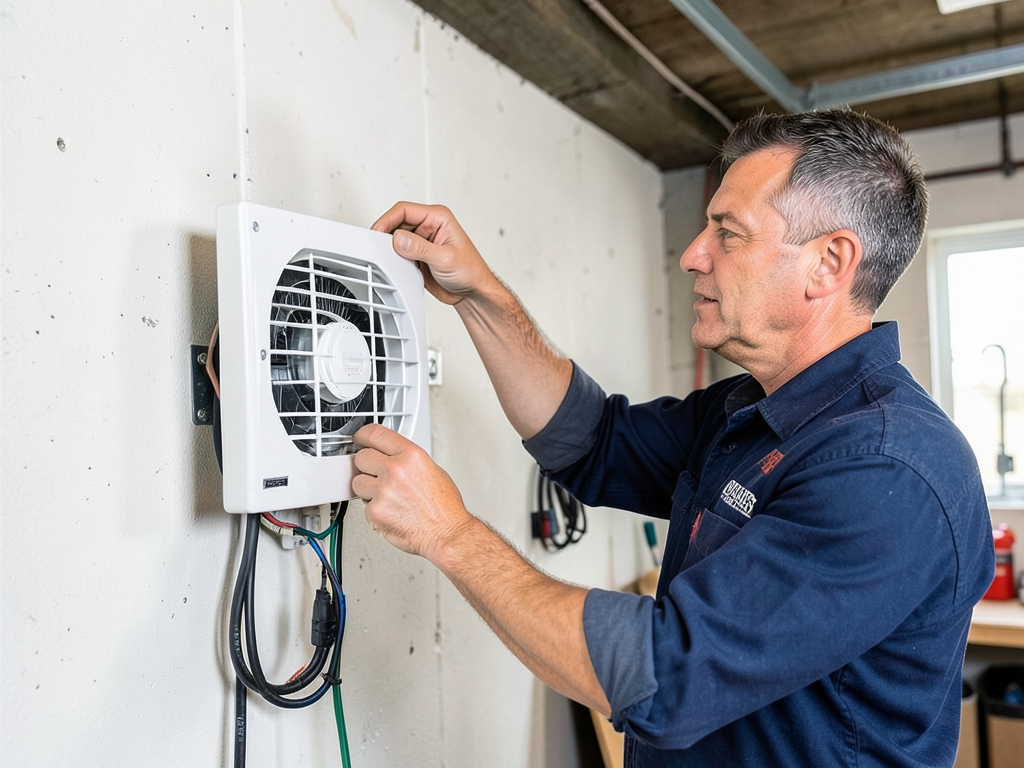
Safe ventilation for woodworking and metal shops in Georgetown garages

Georgetown’s industrial heritage and maker culture mean many Seattle residents have converted their garages into woodworking or metal shops. But…

Integrating your security system with your HVAC for a safer Somerset home in 2026

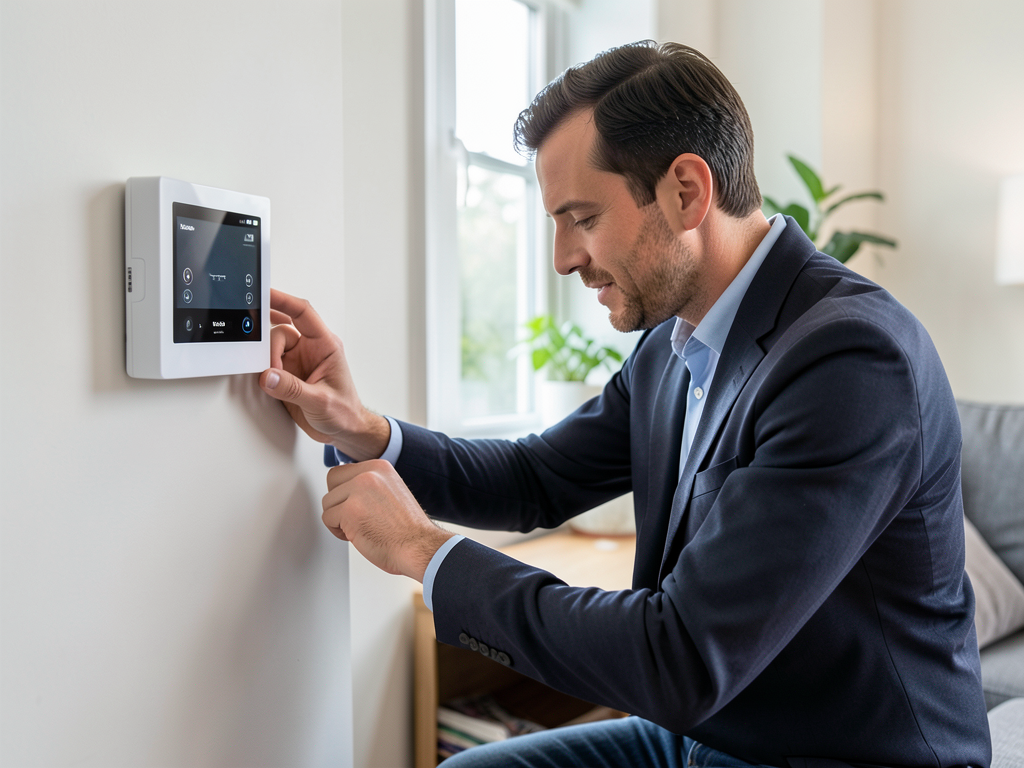
Integrating your security system with your HVAC for a safer Somerset home in 2026 Smart home technology is evolving fast…

Contact Us

Do not wait until morning when your home is freezing now. Call Peak HVAC Seattle at (564) 220-5899 for immediate dispatch. Our emergency technicians are standing by with the tools and parts to restore your heat tonight.