




Menu

Building Automation Systems in Seattle | Reduce Operating Costs and Prevent Unplanned Downtime

Peak HVAC Seattle engineers Building Automation Systems that integrate your Commercial HVAC Controls, Energy Management Systems, and Direct Digital Controls into a single unified platform, cutting energy waste and eliminating costly equipment failures.

Slider Image 1
Slider Image 2
Slider Image 3
Slider Image 4
Slider Image 5
Slider Image 7
Slider Image 8
Slider Image 9
Slider Image 10
Slider Image 11

Why Seattle's Climate Demands Intelligent Building Control Systems

Seattle's marine climate creates operational challenges that drain budgets. You face high humidity swings, extended shoulder seasons with unpredictable heating and cooling loads, and persistent moisture infiltration that corrodes equipment. Without integrated Building Management Systems, your facility runs blind. Boilers fire while chillers cool the same space. Ventilation systems dump conditioned air while heating or cooling at full capacity. The result is energy bills that climb 30 to 40 percent higher than they should be and equipment that fails years early from thermal cycling stress.

Most commercial facilities in Seattle run on legacy pneumatic controls or disconnected digital islands. Each system operates independently. Your rooftop units, air handlers, and boiler plant make decisions in isolation. The VRF system on the third floor has no idea what the VAV boxes in the core zones are doing. This fragmentation creates dead zones, overheated conference rooms, and complaints that drain facility management time.

Direct Digital Controls and Energy Management Systems solve this by creating a single source of truth. Sensors feed real-time data to a central controller. The system sees the whole picture. It sequences equipment based on actual demand, not fixed schedules. It stages chillers to match load. It resets supply air temperatures based on outdoor conditions. It cuts energy waste and extends equipment life by reducing unnecessary run time and eliminating short cycling.

Why Seattle's Climate Demands Intelligent Building Control Systems
How We Engineer Building Automation Systems for Commercial Facilities

How We Engineer Building Automation Systems for Commercial Facilities

Peak HVAC Seattle designs Building Automation Systems around your operational goals. We do not sell you a generic package. We start with a detailed load analysis and equipment inventory. We map your existing Building Control Systems, identify integration points, and document communication protocols. BACnet, Modbus, LonWorks, proprietary systems all need translation layers to talk to each other. We build those bridges.

Our approach prioritizes reliability and scalability. We use open-protocol controllers that support BACnet IP and MSTP. This prevents vendor lock and makes future expansion straightforward. We install redundant network architecture with failover capability. If the primary controller goes offline, secondary controllers maintain critical functions like freeze protection and emergency ventilation. We program custom sequences of operation tailored to your building's thermal envelope, occupancy patterns, and equipment capacity.

We integrate Commercial HVAC Controls with your fire alarm, access control, and lighting systems. When the building goes into unoccupied mode, the system reduces ventilation rates, resets zone temperatures, and dims lights in vacant areas. When a fire alarm triggers, the system shuts down air handlers, closes fire dampers, and activates smoke evacuation sequences. This level of coordination prevents energy waste and ensures life safety compliance.

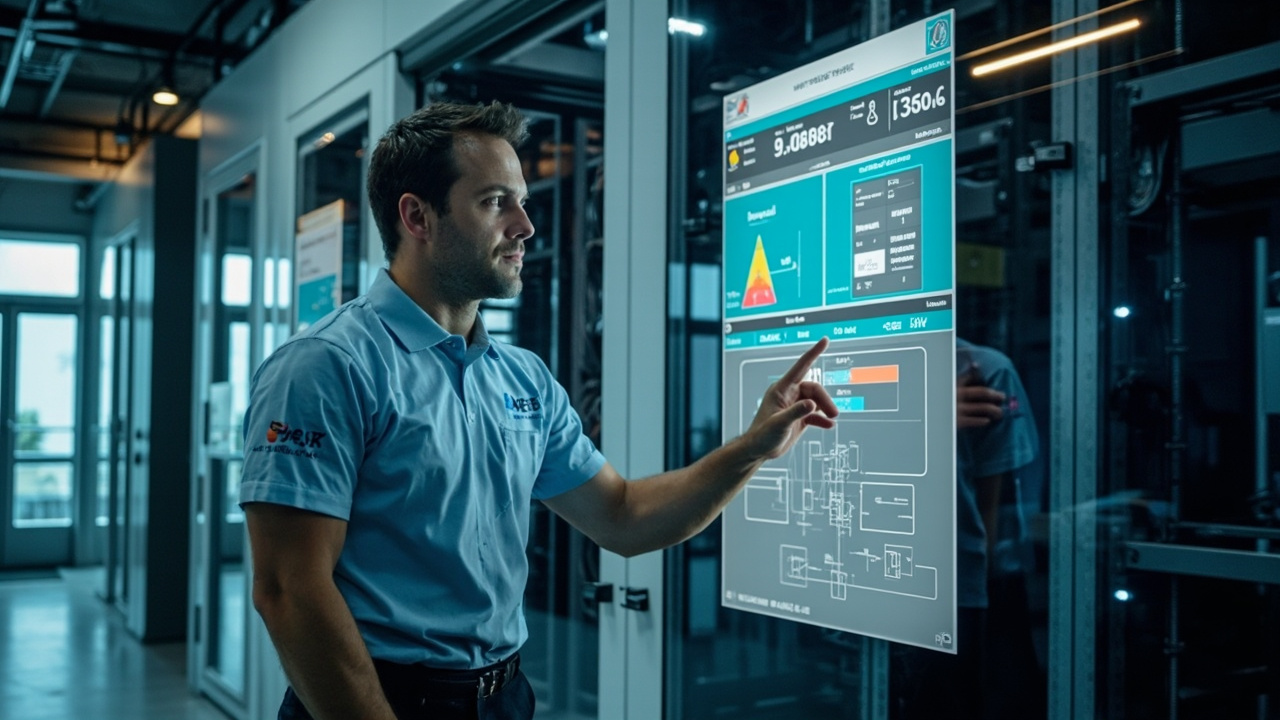
We provide operator training on graphics-based dashboards that display system status in real time. You see chiller efficiency, boiler firing rates, and zone temperatures on a single screen. You get alerts when a damper actuator fails or a sensor drifts out of calibration. You make informed decisions instead of reacting to complaints.

What Happens During a Building Automation System Installation

Building Automation Systems in Seattle | Reduce Operating Costs and Prevent Unplanned Downtime
01

System Audit and Design

We survey your facility to document every piece of mechanical equipment, every control point, and every communication protocol. We test existing sensors and actuators for accuracy. We create a detailed integration plan that maps data points, defines control sequences, and identifies hardware gaps. You get a scope document that outlines costs, timelines, and performance benchmarks before we touch a wire.
02

Hardware Installation and Integration

Our technicians install new controllers, sensors, and actuators. We run low-voltage wiring for BACnet networks and install Ethernet infrastructure for IP-based devices. We integrate your existing equipment where possible and replace obsolete components that cannot communicate. We commission each device individually to verify signal accuracy and response time. Integration happens in phases to avoid disrupting building operations.
03

Programming and Commissioning

We program control sequences, tune PID loops, and configure alarm thresholds. We run functional performance tests on every system. We verify that economizer cycles engage at the correct outdoor air temperature, that chiller staging matches load profiles, and that zone temperatures stay within deadbands. We train your staff on system navigation, alarm management, and basic troubleshooting. You receive as-built drawings and a complete points database.

Why Seattle Facilities Choose Peak HVAC for Building Management Systems

Seattle's commercial buildings range from pre-war structures in Pioneer Square with retrofitted HVAC to modern LEED-certified towers on the waterfront. Each building type presents unique integration challenges. Historic buildings often have limited mechanical room space and outdated wiring. New construction may have multiple contractors installing incompatible systems. Peak HVAC Seattle has worked across this spectrum. We know how to retrofit pneumatic controls in buildings with plaster walls and limited ceiling access. We know how to integrate VRF systems in mixed-use developments where residential and commercial zones share equipment.

We understand local energy codes and utility incentive programs. Seattle's energy code requires economizer controls, demand-controlled ventilation, and setback thermostats in most commercial applications. Seattle City Light and Puget Sound Energy offer rebates for Energy Management Systems that demonstrate verified savings. We design systems that meet code and qualify for incentives. We handle the documentation and verification process so you capture available rebates without delay.

Our service model focuses on uptime. We maintain a local parts inventory for common components like damper actuators, temperature sensors, and network switches. When a controller fails, we have a replacement on-site within hours, not days. We provide remote monitoring and diagnostics. If a chiller trips offline at 2 AM, we get an alert and start troubleshooting before your facility manager arrives. Most issues get resolved remotely. Complex problems get escalated to a site visit with the right parts and tools already loaded.

We work with your existing service contracts. If you have a chiller maintenance agreement or a boiler service plan, we coordinate with those vendors. We provide integration support and troubleshooting but do not force you to replace functional service relationships.

What You Get with a Building Automation System from Peak HVAC Seattle

Project Timeline and Phasing

Installation timelines depend on building size and system complexity. A 50,000 square foot office building with rooftop units and a central boiler plant takes four to six weeks from design to commissioning. Larger facilities with multiple mechanical rooms and complex zoning take longer. We phase the work to minimize disruption. We install controllers and sensors during business hours, then program and test systems during nights and weekends. You maintain normal operations throughout the project. We schedule commissioning during low-occupancy periods to avoid tenant complaints.

Initial Assessment and System Mapping

The assessment phase takes one to two weeks. We walk the building with your facility team. We document equipment nameplates, control panel wiring, and existing sensor locations. We test sensor calibration and actuator stroke times. We map network topology and identify communication bottlenecks. We review utility bills to establish baseline energy consumption. You receive a detailed report that outlines integration options, cost estimates, and projected energy savings. This report includes a return-on-investment analysis based on your actual utility rates and operating hours.

System Performance and Energy Savings

A properly designed Building Automation System reduces energy costs by 15 to 30 percent. Savings come from optimized start-stop scheduling, supply air temperature reset, chiller and boiler staging, and demand-controlled ventilation. The system eliminates simultaneous heating and cooling. It reduces peak demand charges by load shedding non-critical equipment during high-rate periods. You get monthly energy reports that compare actual consumption to baseline. The system pays for itself in three to five years through reduced energy and maintenance costs. Equipment lasts longer because run hours decrease and cycling stress diminishes.

Ongoing Support and System Updates

We offer service agreements that include remote monitoring, software updates, and annual system tune-ups. Remote monitoring catches problems early. We track sensor drift, equipment runtime, and alarm frequency. We adjust control sequences as occupancy patterns change or equipment ages. Annual tune-ups include calibration checks, network health assessments, and performance verification. We update graphics and add new data points as you expand or renovate. If you add a new air handler or replace a chiller, we integrate it into the existing system without a full reprogramming effort.

Frequently Asked Questions

You Have Questions,
We Have Answers

What are some examples of building automation systems? +

Building automation systems control and monitor mechanical, electrical, and operational functions in commercial facilities. Common examples include HVAC control systems that adjust temperature and ventilation based on occupancy, lighting systems that dim or switch off in unoccupied zones, and access control platforms managing entry points. Energy management systems track consumption across multiple utilities. Fire and life safety integration coordinates alarms and emergency protocols. In Seattle's mixed-use buildings, automation often includes rainwater management controls and integrated shading systems to manage the region's variable daylight and precipitation patterns while maintaining compliance with Washington State energy codes.

What are the 4 types of automation systems? +

The four automation system types are fixed, programmable, flexible, and integrated. Fixed systems perform repetitive tasks without variation, ideal for simple sequential operations. Programmable systems allow reprogramming for different tasks, common in facilities with changing operational needs. Flexible systems adapt to various functions with minimal downtime during changeovers, suitable for Seattle's diverse commercial real estate portfolio. Integrated systems connect multiple subsystems into a unified platform, enabling centralized control of HVAC, lighting, security, and energy management. Most Seattle commercial properties benefit from integrated approaches that address both operational efficiency and Washington's stringent energy performance requirements.

What are the top 5 BMS systems? +

The top five BMS platforms include Johnson Controls Metasys, Siemens Desigo, Honeywell Niagara, Schneider Electric EcoStruxure, and Tridium Niagara Framework. Each offers distinct advantages for different facility types. Johnson Controls dominates large institutional campuses. Siemens excels in complex industrial environments. Honeywell provides strong HVAC integration. Schneider focuses on energy analytics and sustainability reporting. Tridium offers open-protocol flexibility. For Seattle commercial properties, platform selection depends on building size, existing infrastructure, and sustainability goals tied to Seattle's Climate Action Plan. Integration with local utility demand response programs often influences which system delivers the strongest ROI.

What is a typical BMS system? +

A typical BMS system consists of sensors, controllers, actuators, and a central interface that monitors and manages building systems. Sensors measure temperature, humidity, pressure, and occupancy. Controllers process sensor data and execute programmed responses. Actuators physically adjust dampers, valves, and switches based on controller commands. The operator interface provides visualization, trending, and alarm management. In Seattle commercial buildings, typical systems prioritize HVAC optimization for the marine climate, integrate with local utility programs, and include humidity control to address moisture challenges from Puget Sound proximity. Most systems communicate via BACnet or Modbus protocols for interoperability.

What are the three types of BMS? +

The three BMS types are pneumatic, electric, and direct digital control systems. Pneumatic systems use compressed air to operate controls, found in older Seattle buildings but largely obsolete due to maintenance demands and energy waste. Electric systems use voltage signals for control, still present in some mid-century commercial properties. Direct digital control systems use microprocessors and software for precise, programmable control. DDC dominates new construction and retrofits across Seattle due to superior accuracy, remote access capabilities, and integration with energy management platforms required for Washington State energy code compliance and Seattle's mandatory energy benchmarking requirements.

What does bas mean for HVAC? +

BAS stands for Building Automation System in HVAC contexts. It refers to the centralized network controlling heating, cooling, ventilation, and related mechanical systems. A BAS optimizes HVAC performance by adjusting equipment operation based on occupancy schedules, outdoor conditions, and indoor environmental requirements. For Seattle facilities, BAS systems manage economizer cycles during mild weather, control humidity during wet months, and integrate with variable refrigerant flow systems common in Pacific Northwest construction. The system reduces energy waste, extends equipment life, and maintains compliance with Seattle's energy efficiency mandates while ensuring tenant comfort across diverse commercial spaces.

What are the 4 pillars of automation? +

The four pillars of automation are sensing, control logic, actuation, and communication. Sensing involves collecting real-time data from temperature sensors, occupancy detectors, and meters. Control logic processes sensor inputs against programmed parameters to determine appropriate responses. Actuation executes physical changes through dampers, valves, and switches. Communication enables data exchange between devices and the central platform. In Seattle commercial environments, these pillars work together to respond to rapid weather changes, optimize natural ventilation during temperate periods, and coordinate with utility demand response signals. Effective integration of all four pillars determines system reliability and energy performance.

Which automation system is best? +

The optimal automation system depends on facility type, size, existing infrastructure, and operational goals. No single platform suits every application. Large Seattle office towers benefit from enterprise-grade systems offering scalability and utility integration. Smaller commercial buildings may prioritize simpler, cost-effective solutions with core HVAC and lighting control. Facilities pursuing LEED certification or Seattle's Living Building Pilot Program require systems with robust analytics and sustainability reporting. Evaluate systems based on protocol compatibility with existing equipment, vendor support presence in the Pacific Northwest region, integration with Seattle City Light's demand response programs, and alignment with your specific operational and financial objectives.

What are the three main RPA tools? +

This question addresses Robotic Process Automation software tools, not building automation systems. The three main RPA tools are UiPath, Automation Anywhere, and Blue Prism. These platforms automate repetitive digital tasks like data entry, invoice processing, and report generation. While distinct from building automation, some Seattle commercial property managers use RPA to automate administrative workflows related to facility operations, such as energy report generation, maintenance ticket routing, and lease administration. However, RPA does not replace BMS platforms that physically control HVAC, lighting, and mechanical systems. The technologies serve different purposes within commercial facility management.

Who is the leader in building automation? +

Johnson Controls, Siemens, and Honeywell lead the building automation industry globally by market share and installed base. Each maintains significant presence in Seattle's commercial market. Johnson Controls dominates healthcare and institutional facilities. Siemens serves industrial and complex mixed-use properties. Honeywell focuses on commercial office and retail applications. Regional integrators and controls contractors throughout the Puget Sound area partner with these manufacturers to deliver customized solutions. Leadership depends on facility requirements, existing infrastructure, and integration complexity. For Seattle properties pursuing aggressive sustainability targets or participating in utility programs, vendor selection should prioritize local technical support and proven Pacific Northwest project experience.

Why Seattle's Marine Climate and Energy Costs Make Building Automation Critical

Seattle's mild but damp climate creates long swing seasons where outdoor temperatures hover between 45 and 65 degrees. This range sits in the economizer zone where you can cool with outdoor air instead of running chillers. Without Direct Digital Controls that monitor outdoor air temperature, enthalpy, and humidity, you miss this free cooling opportunity. Systems default to mechanical cooling even when opening dampers would handle the load. The marine influence also brings persistent moisture that promotes mold growth in poorly ventilated spaces. Energy Management Systems maintain proper ventilation rates and monitor humidity levels to prevent indoor air quality problems that trigger tenant complaints and liability issues.

Seattle's energy costs are among the lowest in the nation, but demand charges from Puget Sound Energy hit hard during winter peaks. A Building Automation System reduces demand charges by staggering equipment start times and load shedding non-critical systems during peak periods. Local energy codes require economizers, night setback, and occupancy-based ventilation in most commercial buildings. Compliance requires documentation and verification. We design Building Control Systems that generate the reports required by city inspectors and utility auditors. This keeps your facility compliant and captures available rebates without creating administrative burden for your team.
HVAC Services in The Seattle Area

Conveniently located to serve the greater Seattle area, Peak HVAC Seattle is dedicated to providing reliable and prompt services to our community. Our local presence ensures we can respond quickly to your needs, delivering expert heating and cooling solutions right to your doorstep. Whether you’re a homeowner or business owner, we’re committed to being your trusted, neighborhood HVAC partner for a perfectly comfortable indoor environment.

Address:
Peak HVAC Seattle, 401 Broadway E, Seattle, WA, 98102

Additional Services We Offer

Our news updates

Latest Articles & News from The Blogs

The difference between standard filters and HEPA filtration for your Bitter Lake home Standard HVAC filters and HEPA filtration systems…

The difference between standard filters and HEPA filtration for your Bitter Lake home

The difference between standard filters and HEPA filtration for your Bitter Lake home Standard HVAC filters and HEPA filtration systems…

How to hide your outdoor AC unit with landscaping in Olympic View without breaking it

How to hide your outdoor AC unit with landscaping in Olympic View without breaking it If you live in Olympic…

Protecting your expensive hardwood floors in Hunt's Point from seasonal warping

Protecting your expensive hardwood floors in Hunt’s Point from seasonal warping Seattle’s maritime climate creates a silent threat to your…

Contact Us

Peak HVAC Seattle provides no-cost facility assessments for commercial buildings in the greater Seattle metro. Call (564) 220-5899 to schedule a walkthrough. We map your systems, identify integration opportunities, and provide a detailed cost-benefit analysis with projected energy savings and payback timelines.