






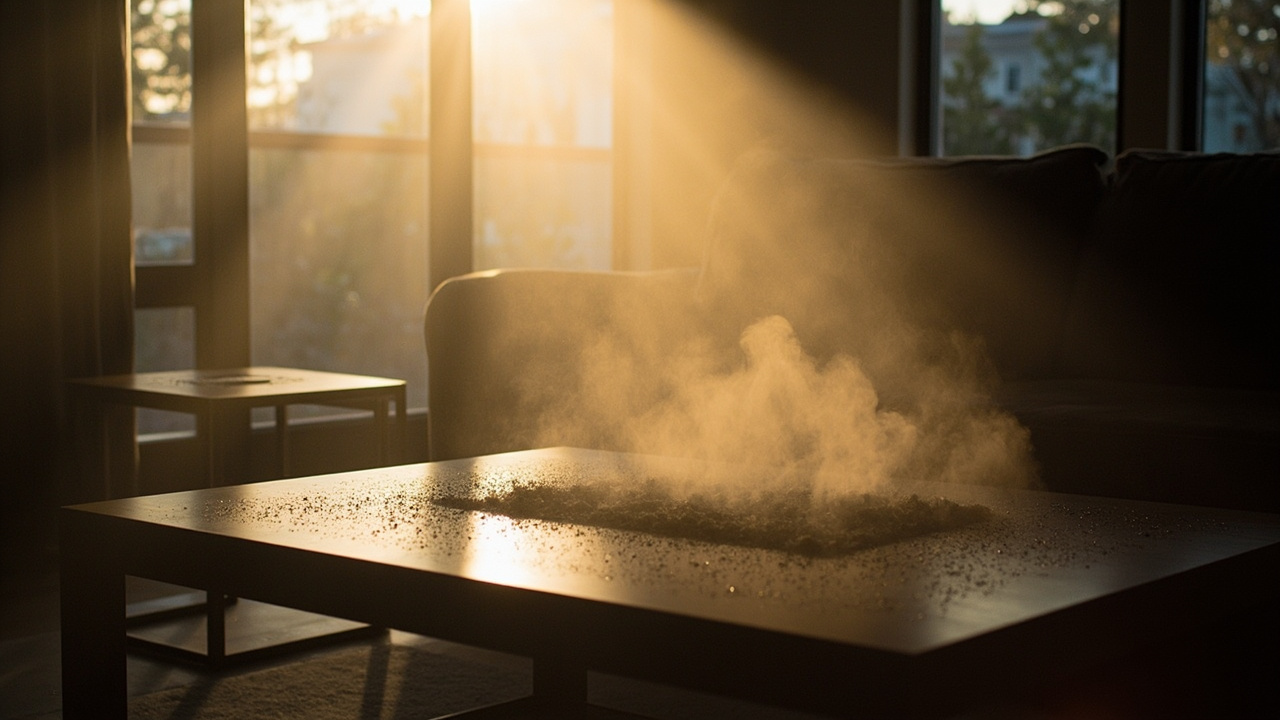
Seattle's year-round humidity keeps dust particles heavy and accelerates settling onto surfaces. Unlike dry climates where dust remains airborne longer and gets exhausted through natural ventilation, our marine air causes particulates to clump and drop onto furniture, floors, and electronics within hours. The moisture also promotes mold growth on organic dust components, creating musty odors in poorly ventilated homes. Our mild winter temperatures mean furnaces run intermittently rather than continuously, reducing total air changes per day compared to homes in colder climates. Many Seattle homes have crawl space HVAC installations where ducts run through uninsulated, damp spaces prone to rodent intrusion and insulation degradation. These conditions create constant sources of contamination that feed into the living space.
Peak HVAC Seattle has worked in every neighborhood from Green Lake to Georgetown. We know which builder used substandard duct connections in the 1970s and which developments have return air plenums built directly into joist bays that leak like sieves. We understand Seattle's building code evolution and how older homes were never required to meet modern ventilation standards. We also know local dust sources like construction debris from teardown projects in Fremont and West Seattle, volcanic ash deposition from prevailing winds off Mount Rainier, and pollen from Seattle's extensive urban canopy. When you hire local expertise, you get technicians who understand your specific home type and the environmental factors affecting your indoor air quality.