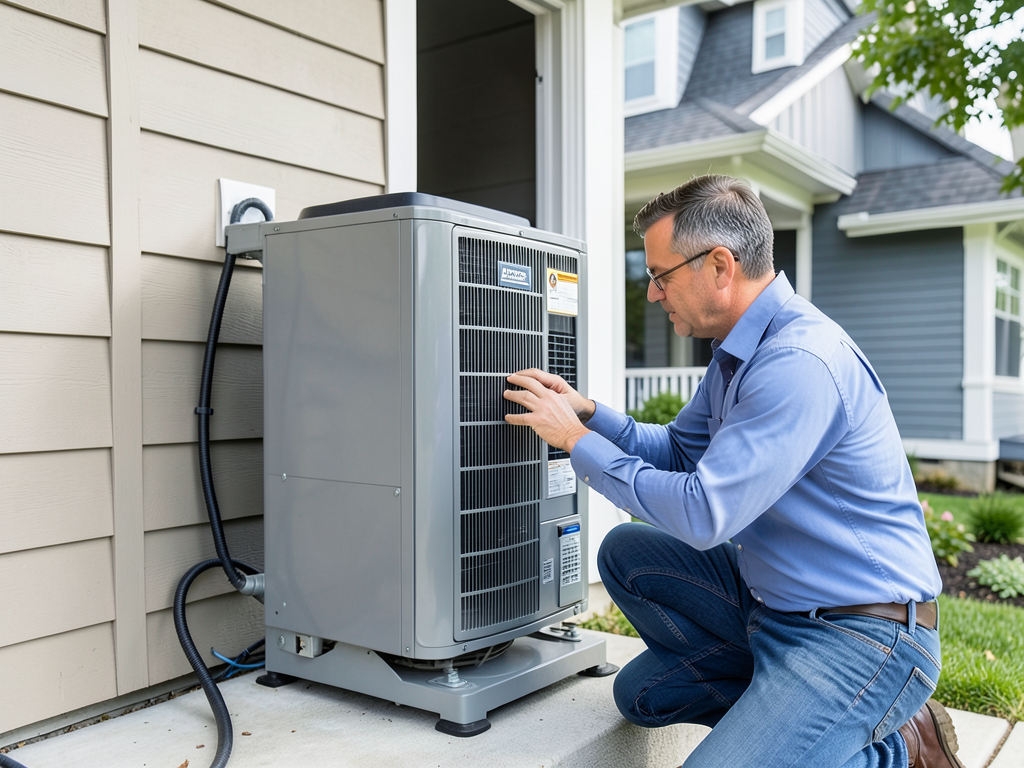







Seattle averages 150 days of measurable precipitation per year, and relative humidity often exceeds 80% during fall and winter months. This constant moisture exposure accelerates corrosion on gas supply lines, particularly where copper or black iron pipe transitions to brass fittings. Many older homes in neighborhoods like Ravenna, Northgate, and Beacon Hill lack proper crawl space ventilation, which traps moisture around the furnace and gas meter. This creates an ideal environment for galvanic corrosion at threaded joints and valve bodies. Heat exchangers in these environments crack sooner because the metal fatigues faster when exposed to repeated wet-dry cycles. Peak HVAC Seattle sees these failure modes repeatedly, and we know how to identify and repair gas leak on furnace systems compromised by Seattle's unique climate conditions.
Washington State requires HVAC contractors to hold a specialty gas piping license to work on natural gas or propane systems. This is not optional, and homeowners should verify licensing before allowing anyone to touch their gas furnace. Peak HVAC Seattle maintains all required state and local certifications, and we pull permits when code requires it. We work directly with Seattle Department of Construction and Inspections (SDCI) to ensure compliance on any repair that involves gas line modifications or heat exchanger replacement. When you hire us for emergency furnace gas leak service, you get a contractor who understands local regulations and respects the legal and safety frameworks that protect Seattle homeowners.