Deep cleaning your Eastlake mini split to remove hidden mold and dust
Your Eastlake mini split works hard to keep your home comfortable through Seattle’s damp winters and pollen-heavy springs. But inside those sleek wall units, mold spores, dust, and bacteria build up where you can’t see them. That’s why deep cleaning goes far beyond changing filters—it’s about restoring your system’s health and your indoor air quality. Commercial Duct Cleaning.
Professional deep cleaning removes the hidden contaminants that standard maintenance misses. Our specialized process tackles the evaporator coils, blower wheels, and condensate lines where mold and mildew thrive in Eastlake’s high-humidity environment. The result? Cleaner air, lower energy bills, and a system that runs like new. Preventative HVAC maintenance plans that actually save money for Redmond families.
Why Eastlake homes need specialized mini split cleaning
Eastlake’s location along Lake Union means higher humidity levels than many Seattle neighborhoods. That moisture creates the perfect breeding ground for mold and mildew inside ductless systems. Add in seasonal pollen from the surrounding trees and urban dust, and your mini split becomes a collection point for allergens.
Most Eastlake townhomes and condos use mini splits because they’re efficient and don’t require ductwork. But that same efficiency means contaminants stay trapped inside the unit instead of being filtered out through ducts. Over time, this buildup reduces cooling capacity by up to 30% and can cause that musty smell many homeowners notice.
The PNW climate specifically impacts how often you need cleaning. While manufacturers recommend annual service, Eastlake homes often need bi-annual deep cleaning due to our unique combination of lake-effect moisture and urban pollution. Weekend HVAC Service.
The hidden dangers lurking in your mini split
Inside your mini split, several problems develop silently. The evaporator coils collect condensation constantly, and when dust settles on wet surfaces, mold begins growing within 24-48 hours. This isn’t just unsightly—it’s a health hazard.
The blower wheel, which pushes air through your home, develops a biofilm layer over time. This slimy coating harbors bacteria and can spread throughout your living space every time the system runs. Many Eastlake homeowners don’t realize this is what’s causing their allergy symptoms to worsen indoors.
Condensate drain lines clog with algae and debris, causing water to back up into the unit. This creates standing water where mold colonies expand rapidly. During our deep cleaning, we often find drain lines completely blocked—a problem that leads to water damage and system failure if left unaddressed.
Our Eastlake mini split deep cleaning process
Our specialized cleaning follows EPA-recommended procedures for HVAC sanitization. We start by isolating each zone and protecting your walls and flooring from moisture. EPA guidance on HVAC cleaning.
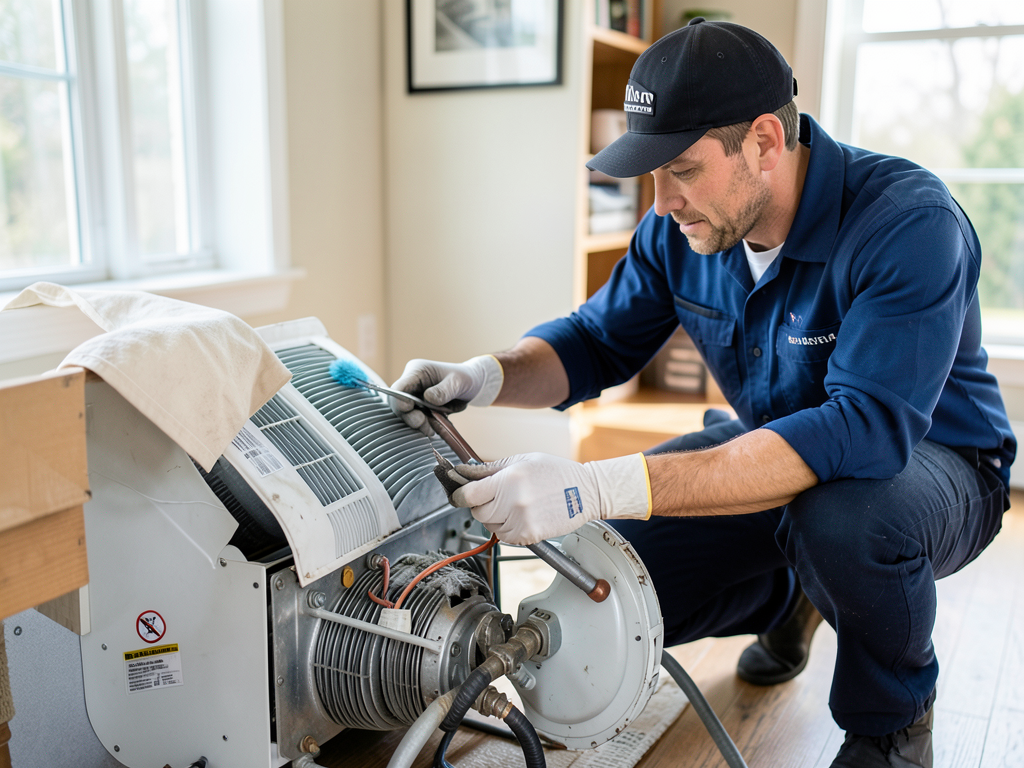
First, we remove and clean the front cover, exposing the internal components. The evaporator coils get a biodegradable coil cleaner that dissolves buildup without damaging the aluminum fins. We use a low-pressure spray system that reaches every surface.
Next comes the blower wheel cleaning—often the dirtiest part of the job. We remove the wheel assembly and use a combination of brushes and compressed air to eliminate the biofilm layer. This step alone can improve airflow by 40%.
The condensate line gets a complete flush with an EPA-approved biocide that kills 99.9% of mold and bacteria. We also check the drain pan for cracks or corrosion that could cause leaks.
Finally, we sanitize all accessible surfaces with a hospital-grade disinfectant safe for HVAC systems. The entire process takes 60-90 minutes per unit, and we leave your system running cleaner than when it was new.. Read more about Protecting your baby with hospital-grade UV air purifiers in your Meadowbrook nursery.
Benefits you’ll notice immediately
After deep cleaning, most Eastlake homeowners report their mini splits run quieter and cool more effectively. The improved airflow means rooms reach the set temperature faster, reducing run times and energy consumption.
Indoor air quality improves dramatically. People with allergies often notice fewer symptoms within 24 hours. The musty odors disappear completely, replaced by fresh, clean air.
Your system’s efficiency can improve by 15-25%, which translates to lower utility bills. In Seattle’s climate, where cooling season is short but intense, this efficiency gain matters during those heat dome events.
Deep cleaning also extends your mini split’s lifespan. By removing corrosive buildup and ensuring proper drainage, you prevent the premature failures that force expensive replacements.
Eastlake-specific considerations
Eastlake’s proximity to water means higher humidity year-round. We’ve found that mini splits in lakeside properties accumulate mold 40% faster than those in upland neighborhoods. The lake effect also means more airborne particulates settle on outdoor condenser units.
Many Eastlake homes are newer townhomes with multiple mini split zones. Each zone needs individual attention during cleaning—you can’t just clean one unit and assume the others are fine. We’ve serviced properties where one unit was completely clogged while adjacent units appeared clean. Why your Ballard home needs professional furnace repair before the first freeze.
The neighborhood’s mix of historic homes and new construction means we encounter various mini split brands and models. Our technicians carry specialized tools for Mitsubishi, Daikin, Fujitsu, and LG systems commonly found in Eastlake. Keeping your historic Queen Anne home cool with ductless AC options.
Local building codes require proper condensate drainage to prevent water damage. During cleaning, we verify your system meets Seattle’s current requirements for condensate disposal.
Before and after: what to expect
Before cleaning, your mini split might show signs like reduced cooling, strange odors, or visible dust around the vents. The blower wheel often appears dark with grime, and the coils may have a fuzzy coating.
After our deep cleaning, the difference is dramatic. The blower wheel shines like new, coils appear bright and clean, and airflow increases noticeably. Most importantly, the air coming from your vents smells fresh instead of musty.
We document each cleaning with photos showing the condition before and after. This helps you see exactly what was removed and understand the value of professional service.
Cost factors and investment value
Deep cleaning costs vary based on your system’s condition and the number of zones. A single-zone deep clean typically starts around $250, while multi-zone systems may range from $400-$600 depending on severity.. Read more about What to do when your heat pump starts icing over in Victory Heights.
Consider this: a dirty mini split can use 30% more electricity. If your system runs 1,000 hours per cooling season, that’s like leaving an extra 300-watt light bulb on constantly. Professional cleaning often pays for itself within one cooling season through energy savings.
Compare this to DIY cleaning, which typically only addresses surface dust. Without proper coil cleaning and sanitization, you’re not solving the underlying problems that cause system degradation.
Maintenance schedule for Eastlake homes
We recommend deep cleaning every 12 months for most Eastlake homes, but some situations call for more frequent service. Homes with pets, smokers, or allergy sufferers benefit from bi-annual cleaning.
Schedule cleaning in early spring before cooling season begins. This ensures your system is ready for summer heat while removing winter’s accumulated contaminants. Some Eastlake residents also opt for fall cleaning to prepare for the humid cooling season.
Between professional cleanings, change filters monthly and keep the area around indoor units dust-free. Outdoor condensers should be cleared of leaves and debris seasonally.
Frequently Asked Questions
How long does mini split deep cleaning take?
Each unit requires 60-90 minutes for complete deep cleaning. For a typical Eastlake townhome with 3-4 zones, expect 3-5 hours total service time.
Can I clean my mini split myself?
Basic filter cleaning is fine for homeowners, but deep cleaning requires specialized equipment and EPA-approved cleaners. DIY attempts often damage delicate coil fins or leave moisture that promotes mold growth.
Will cleaning fix my mini split’s cooling problems?
Often yes. Dirty coils and clogged blowers are the leading causes of reduced cooling capacity. If cleaning doesn’t solve the issue, we’ll identify whether you need repairs or refrigerant service.
How soon can I use my system after cleaning?
Your mini split is safe to use immediately after cleaning. We ensure all components are dry and properly reassembled before completing service.
What’s included in your deep cleaning service?
Our service includes coil cleaning, blower wheel removal and cleaning, condensate line flush, drain pan inspection, and full system sanitization with EPA-approved products.
Protect your investment and your health
Your mini split represents a significant investment in your Eastlake home’s comfort. Professional deep cleaning protects that investment while ensuring your family breathes the cleanest possible air.
Don’t wait until you notice problems. By then, damage may already be occurring inside your system. Regular deep cleaning prevents the costly repairs and replacements that come from neglect.
Eastlake’s unique climate makes your mini split work harder than systems in other neighborhoods. Give it the professional care it needs to perform at its best year after year.
Ready for cleaner air and better performance?
Call (564) 220-5899 today to schedule your Eastlake mini split deep cleaning. Our technicians know the specific challenges PNW systems face and have the tools to address them properly.
Don’t let another season go by with a dirty, inefficient system. Pick up the phone and call (564) 220-5899 before the next heat wave hits. Your lungs—and your utility bill—will thank you. For more information, visit ASHRAE ventilation standards.
You may also find this helpful. How to heat and cool your Broadview detached garage or workshop.
{
“@context”: “https://schema.org”,
“@type”: “BlogPosting”,
“headline”: “Deep cleaning your Eastlake mini split to remove hidden mold and dust”,
“description”: “Professional mini split deep cleaning in Eastlake removes hidden mold, dust, and allergens. Improve air quality and efficiency with our specialized PNW cleaning process.”,
“wordCount”: 1520,
“datePublished”: “2026-04-19T10:21:00.000Z”,
“dateModified”: “2026-04-19T10:21:00.000Z”,
“inLanguage”: “en-US”,
“mainEntityOfPage”: {
“@type”: “WebPage”,
“@id”: “https://peakhvacseattle.com”
},
“publisher”: {
“@type”: “LocalBusiness”,
“name”: “Peak HVAC Seattle”,
“url”: “https://peakhvacseattle.com”
},
“author”: {
“@type”: “Organization”,
“name”: “Peak HVAC Seattle”,
“url”: “https://peakhvacseattle.com”
},
“image”: {
“@type”: “ImageObject”,
“url”: “https://peakhvacseattle.com/wp-content/uploads/2026/03/deep-cleaning-your-eastlake-mini-split-to-remove-h-1.png”
}
}
{
“@context”: “https://schema.org”,
“@type”: “HVACBusiness”,
“name”: “Peak HVAC Seattle”,
“url”: “https://peakhvacseattle.com”,
“address”: {
“@type”: “PostalAddress”,
“addressLocality”: “Seattle”
},
“areaServed”: {
“@type”: “City”,
“name”: “Seattle”
}
}
{
“@context”: “https://schema.org”,
“@type”: “FAQPage”,
“mainEntity”: [
{
“@type”: “Question”,
“name”: “How long does mini split deep cleaning take?”,
“acceptedAnswer”: {
“@type”: “Answer”,
“text”: “Each unit requires 60-90 minutes for complete deep cleaning. For a typical Eastlake townhome with 3-4 zones, expect 3-5 hours total service time.”
}
},
{
“@type”: “Question”,
“name”: “Can I clean my mini split myself?”,
“acceptedAnswer”: {
“@type”: “Answer”,
“text”: “Basic filter cleaning is fine for homeowners, but deep cleaning requires specialized equipment and EPA-approved cleaners. DIY attempts often damage delicate coil fins or leave moisture that promotes mold growth.”
}
},
{
“@type”: “Question”,
“name”: “Will cleaning fix my mini split’s cooling problems?”,
“acceptedAnswer”: {
“@type”: “Answer”,
“text”: “Often yes. Dirty coils and clogged blowers are the leading causes of reduced cooling capacity. If cleaning doesn’t solve the issue, we’ll identify whether you need repairs or refrigerant service.”
}
},
{
“@type”: “Question”,
“name”: “How soon can I use my system after cleaning?”,
“acceptedAnswer”: {
“@type”: “Answer”,
“text”: “Your mini split is safe to use immediately after cleaning. We ensure all components are dry and properly reassembled before completing service.”
}
},
{
“@type”: “Question”,
“name”: “What’s included in your deep cleaning service?”,
“acceptedAnswer”: {
“@type”: “Answer”,
“text”: “Our service includes coil cleaning, blower wheel removal and cleaning, condensate line flush, drain pan inspection, and full system sanitization with EPA-approved products.”
}
},
{
“@type”: “Question”,
“name”: “Ready for cleaner air and better performance?”,
“acceptedAnswer”: {
“@type”: “Answer”,
“text”: “Call (564) 220-5899 today to schedule your Eastlake mini split deep cleaning. Our technicians know the specific challenges PNW systems face and have the tools to address them properly.”
}
}
]
}
{
“@context”: “https://schema.org”,
“@type”: “BreadcrumbList”,
“itemListElement”: [
{
“@type”: “ListItem”,
“position”: 1,
“name”: “Home”,
“item”: “https://peakhvacseattle.com”
},
{
“@type”: “ListItem”,
“position”: 2,
“name”: “Blog”,
“item”: “https://peakhvacseattle.com/blog”
},
{
“@type”: “ListItem”,
“position”: 3,
“name”: “Deep cleaning your Eastlake mini split to remove hidden mold and dust”
}
]
}
{
“@context”: “https://schema.org”,
“@type”: “Service”,
“serviceType”: “HVAC”,
“provider”: {
“@type”: “LocalBusiness”,
“name”: “Peak HVAC Seattle”,
“url”: “https://peakhvacseattle.com”
},
“areaServed”: {
“@type”: “City”,
“name”: “Seattle”
},
“description”: “Professional mini split deep cleaning in Eastlake removes hidden mold, dust, and allergens. Improve air quality and efficiency with our specialized PNW cleaning process.”
}