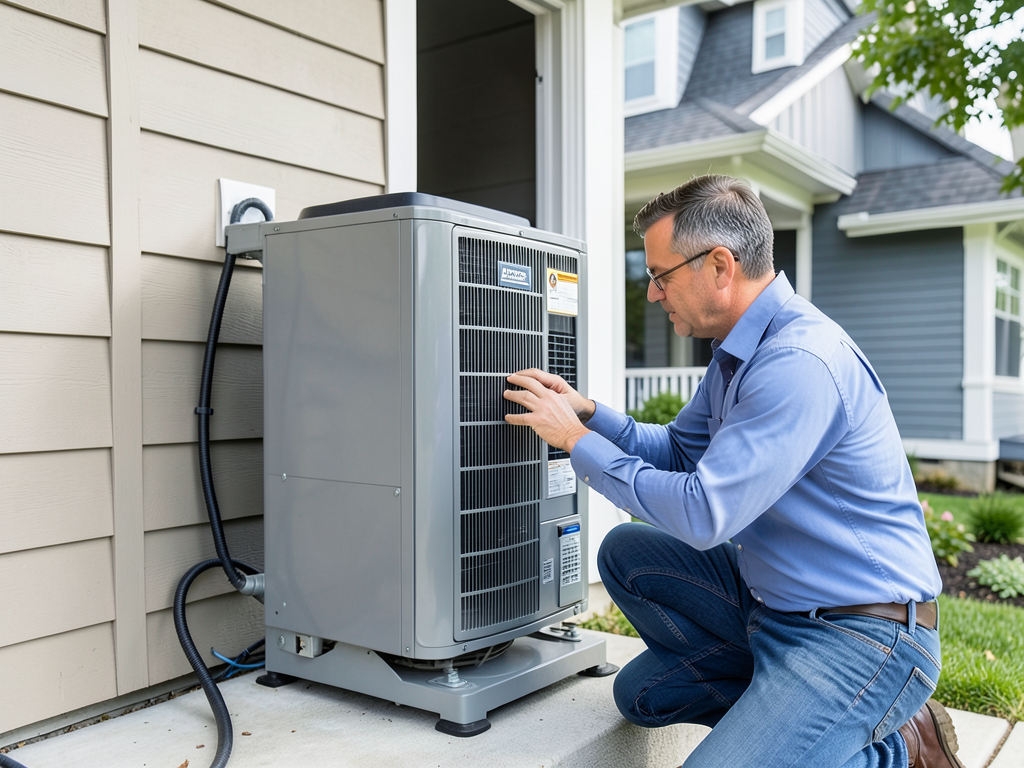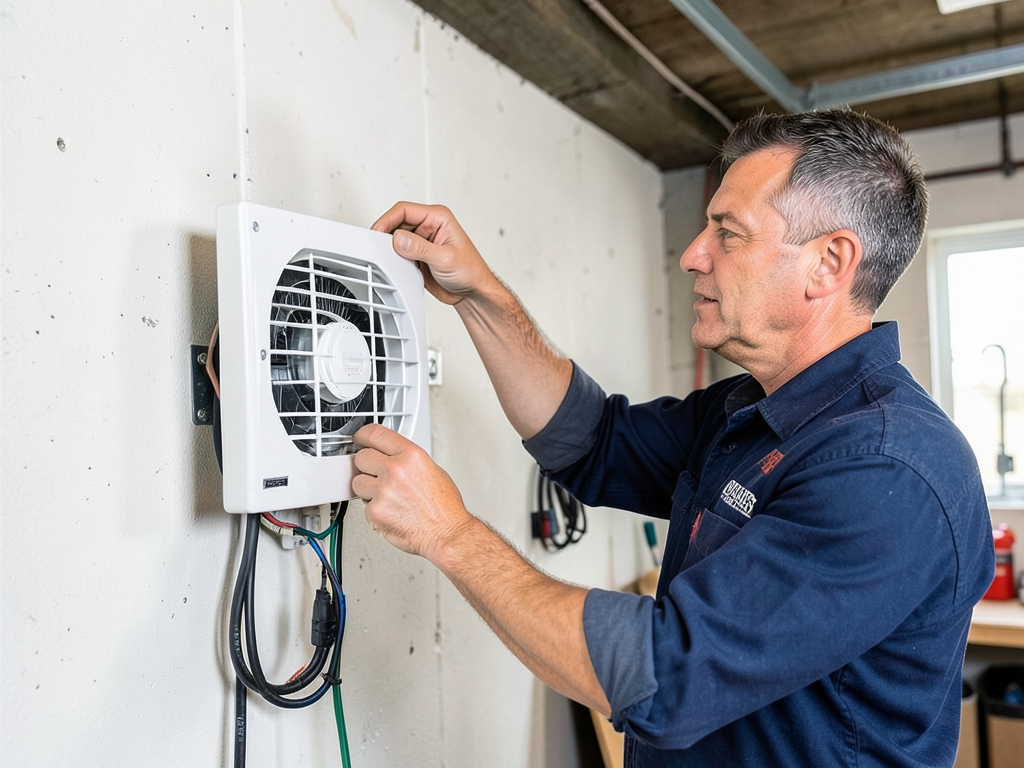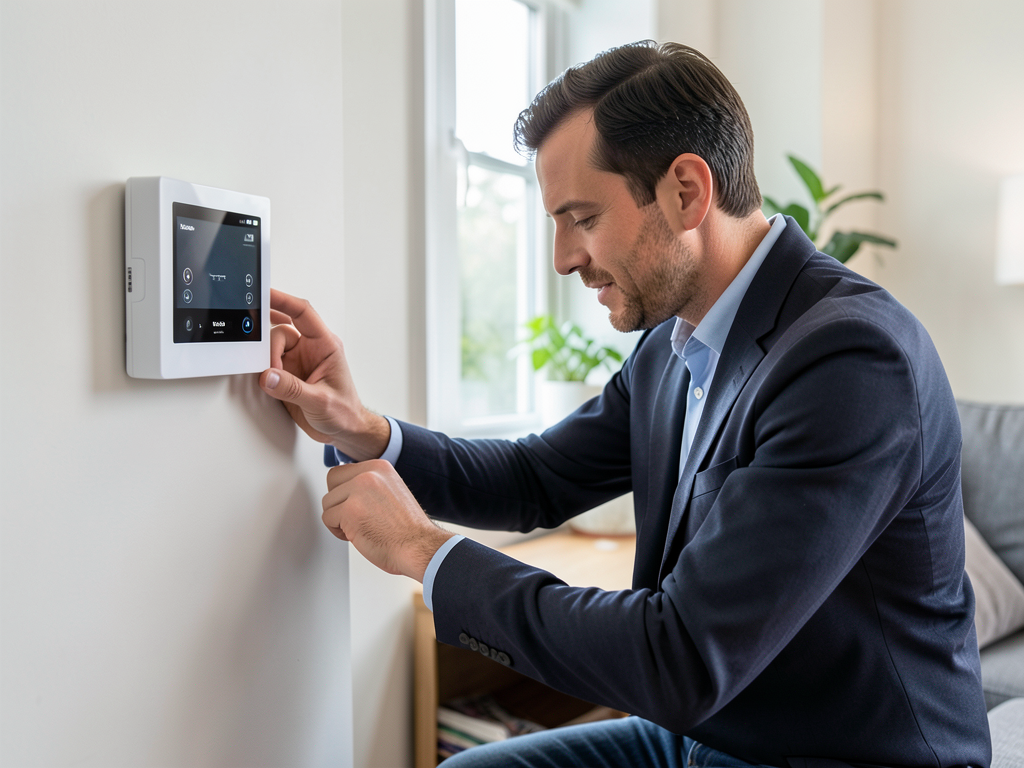







Seattle's position between Puget Sound and Lake Washington creates localized humidity variations that affect cooling performance. Neighborhoods near the water experience morning marine layers that keep humidity high even when temperatures are moderate. Areas east of I-5 see faster temperature swings and lower overnight cooling, reducing the effectiveness of night ventilation strategies. Older homes built before 1990 often lack adequate attic ventilation because builders focused on winter heating performance. These factors combine to make reducing air conditioning bills more complex than in drier climates where simple thermostat adjustments deliver big savings. Understanding these Seattle-specific conditions helps you choose energy saving tips for summer that actually work in your microclimate.
Peak HVAC Seattle has served the greater Seattle metro for years, giving us deep familiarity with how different neighborhoods and building types respond to summer heat. We know which homes benefit most from duct sealing, which need better attic ventilation, and which would see the biggest returns from upgraded insulation. Our local experience means we provide recommendations tailored to your specific situation, not generic advice copied from a manual. We understand Seattle's energy codes, work with local utility incentive programs, and know which efficiency upgrades deliver the best returns in this climate. That local expertise helps you make informed decisions about lowering summer utility costs.