






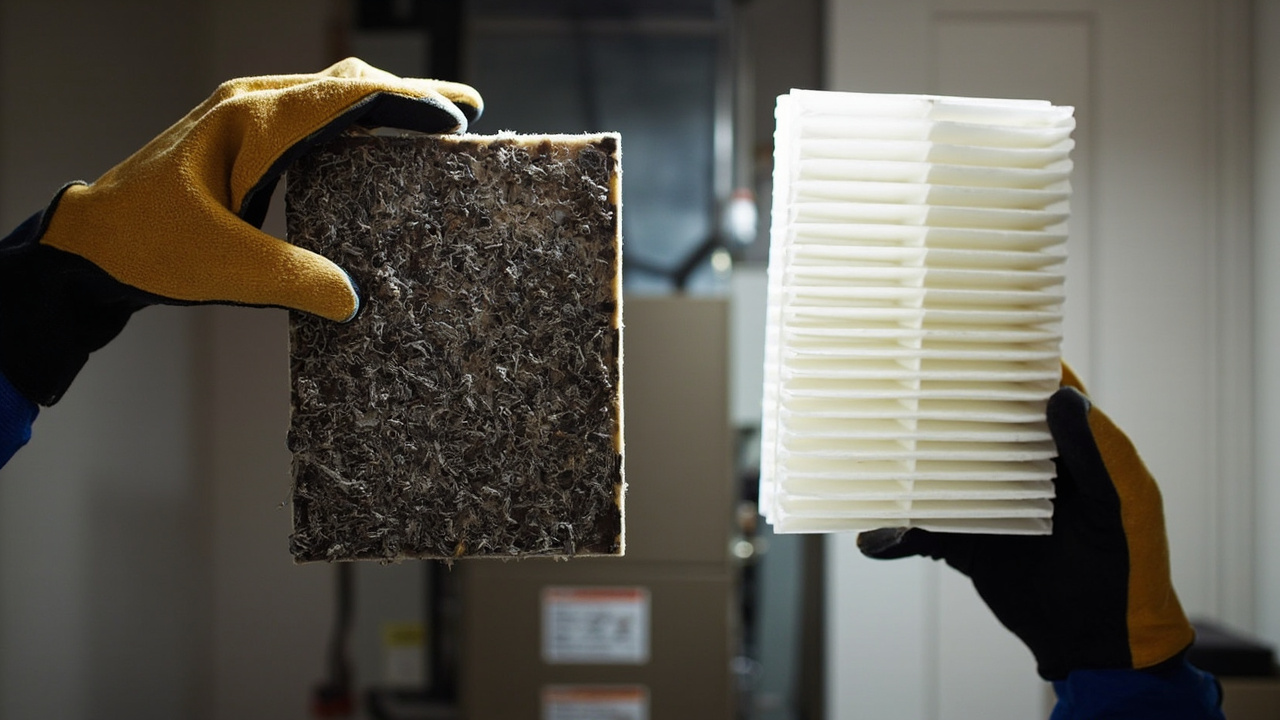
Seattle's proximity to Puget Sound creates high relative humidity year-round. Marine air carries salt particles that corrode metal components and promote biological growth in damp environments. When humid air passes through your filter, moisture accumulates in the media. This damp environment allows mold spores to colonize the filter surface. Fall and winter bring extended periods of drizzle that keep outdoor humidity above 80 percent. Your HVAC system pulls this moisture-laden air indoors, where it saturates the filter. The impact of dirty air filters multiplies in these conditions because wet filters lose structural integrity and allow particles to pass through torn media.
Seattle's building codes reflect our climate challenges. The 2018 Seattle Energy Code requires enhanced ventilation rates for new construction, which increases the volume of outdoor air your system processes. More outdoor air means more particulates entering your filter. Local HVAC professionals understand these requirements and size equipment accordingly. Peak HVAC Seattle works throughout King County, from older homes in Queen Anne with outdated systems to new construction in South Lake Union with advanced air handling requirements. This experience informs our filter recommendations. We know which products perform reliably in Seattle's specific conditions.