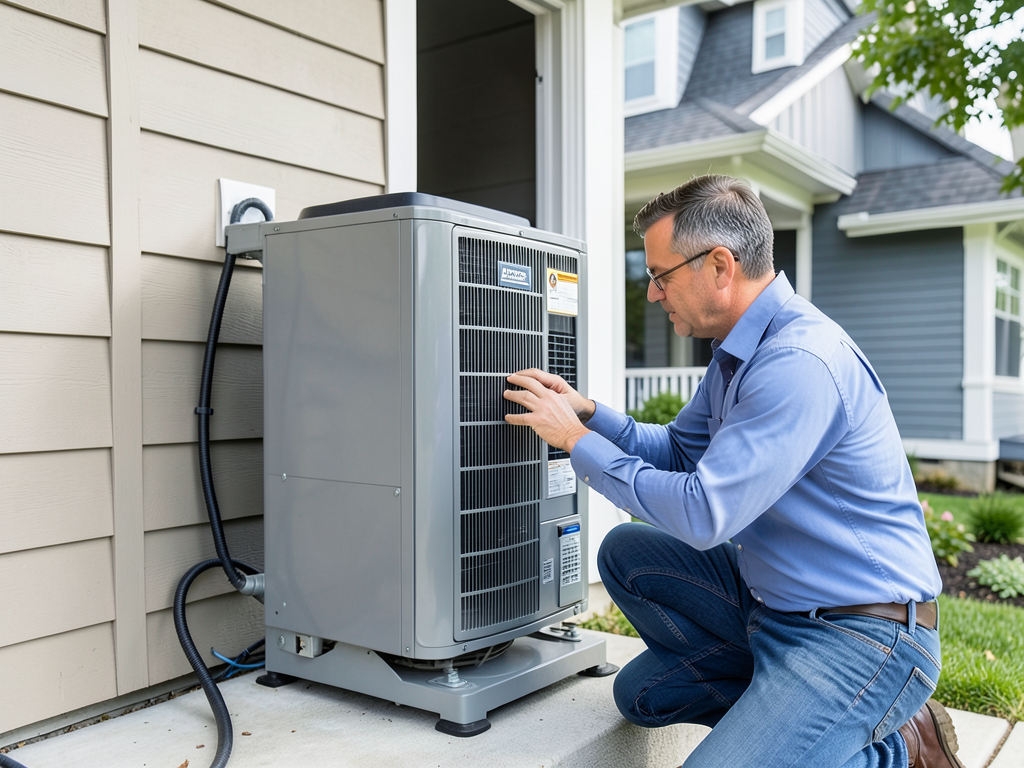






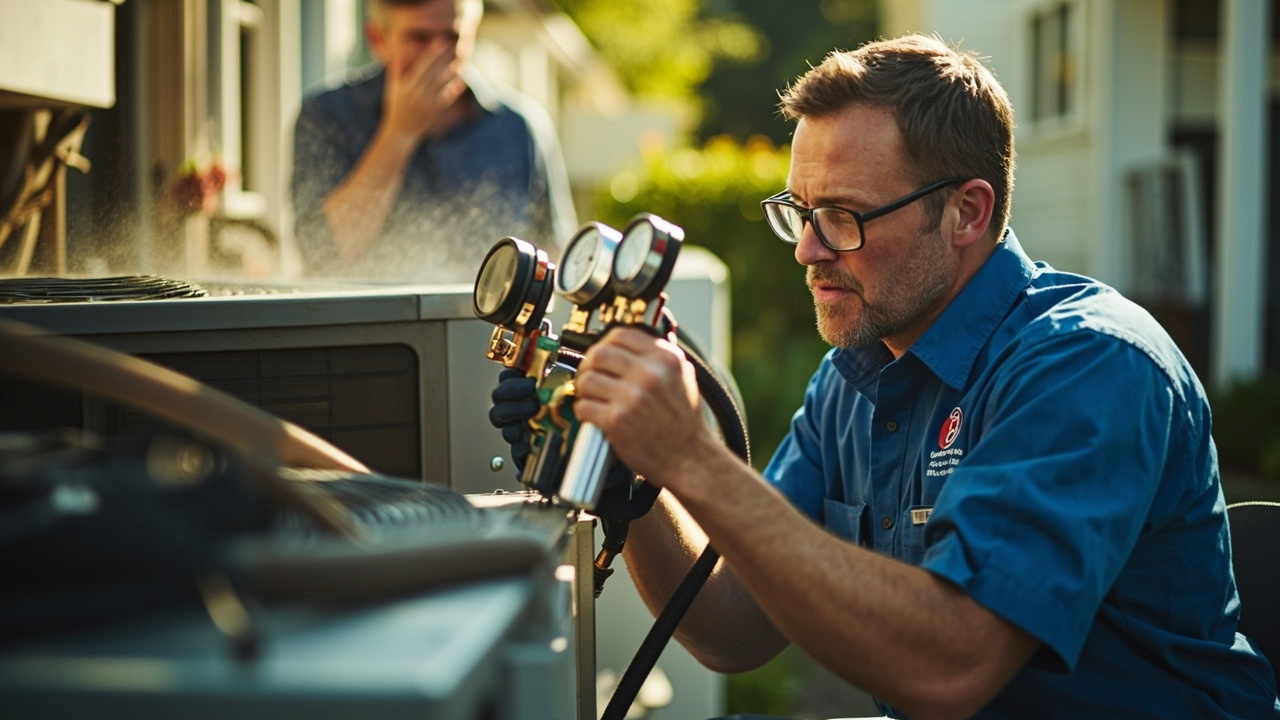
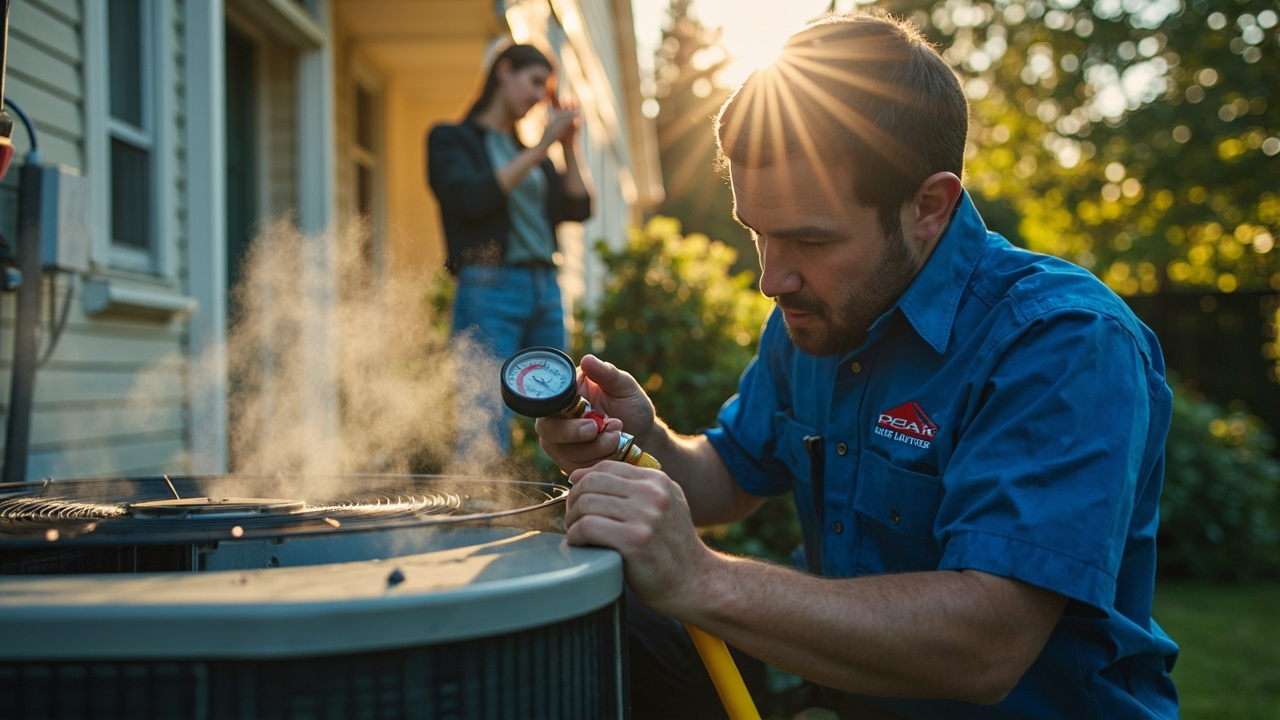
Seattle averages just 15 days above 85 degrees annually, but those days arrive compressed into July and August. Your AC sits dormant from September through May, allowing refrigerant to settle, seals to dry, and capacitors to weaken from humidity exposure. When the first heat wave hits, systems that have not run in nine months face startup stress. Compressors struggle to engage. Refrigerant leaks appear at joints that cracked during thermal contraction. This creates the spike in air conditioner blowing warm air same day service calls we see every June. Seattle's marine air also deposits salt particles on condenser coils in homes near Puget Sound, accelerating corrosion on aluminum fins and copper tubing.
Peak HVAC Seattle technicians train specifically on dormancy-related failures common to Pacific Northwest systems. We understand that Seattle homes often lack the attic ventilation found in hotter climates, causing condenser units and air handlers in crawl spaces to operate in high-humidity environments. This knowledge shapes our diagnostic approach during emergency calls. We check components other companies miss, like drain line clogs from algae growth and electrical connections corroded by moisture intrusion. Our familiarity with local building codes and the mix of older R-22 systems and newer high-efficiency units across Seattle neighborhoods means faster, more accurate repairs when your AC starts blowing warm air.