
Heating and cooling challenges for floating homes in Portage Bay
Floating homes in Portage Bay face unique HVAC challenges that standard residential systems simply cannot handle. The combination of constant moisture exposure, limited installation space, and the need for specialized marine-grade equipment creates a complex environment that requires expert knowledge. From managing humidity levels that can damage equipment to navigating the tight quarters of a floating structure, every aspect of heating and cooling on the water demands specialized solutions.. Read more about Protecting your Alki Beach HVAC system from salt air corrosion and rust.
The freshwater environment of Lake Union means corrosion patterns differ from saltwater marinas, but the persistent dampness still requires systems with enhanced protection. Most floating homes in Portage Bay were built between the 1960s and 1980s, meaning many still rely on outdated heating systems that struggle with efficiency and moisture control. Understanding these specific challenges is the first step toward creating a comfortable, reliable indoor climate in your floating home.
The unique challenges of heating and cooling Seattle houseboats
Space constraints represent the most immediate challenge for floating home HVAC systems. Unlike traditional homes with attics and crawl spaces, floating structures have minimal room for ductwork, condensate lines, and equipment. Many Portage Bay floating homes measure under 1,200 square feet with ceiling heights often limited to 7-8 feet, making conventional ducted systems impractical.
Moisture control becomes critical when your home sits directly on freshwater. The constant humidity from Lake Union creates conditions where standard HVAC units can develop mold within months. Marine environments also mean dealing with vibration from boat traffic and the potential for slight movement in the structure, which can stress traditional mounting systems.
Energy efficiency presents another hurdle. Many floating homes were built before modern insulation standards, with single-pane windows and minimal wall insulation. This means HVAC systems must work harder to maintain comfortable temperatures, especially during Seattle’s increasingly hot summers and damp winters. Seattle Department of Construction and Inspections.
Noise considerations matter more on the water than on land. With neighbors just feet away on either side, outdoor compressor units need to operate at lower decibel levels to maintain community harmony. Many marinas in Portage Bay have specific noise ordinances that restrict when and how loudly HVAC equipment can operate.. Read more about Shielding your outdoor HVAC unit from the high winds and storms in North Admiral.
Recommended HVAC systems for floating homes
Ductless mini-split systems dominate the floating home market for good reason. These systems eliminate the need for extensive ductwork while providing both heating and cooling capabilities. Mitsubishi’s Hyper-Heat series offers models specifically designed for marine environments with corrosion-resistant coatings and enhanced drainage systems. The compact outdoor units can mount directly to the exterior walls of floating homes, saving valuable deck space.
Marine-grade heat pumps represent another excellent option for Portage Bay floating homes. These units feature stainless steel components, sealed electrical connections, and specialized coatings that resist freshwater corrosion. Dometic and Flagship Marine produce heat pumps rated for continuous operation in high-humidity environments, with BTU outputs calibrated for the smaller spaces typical of floating structures.
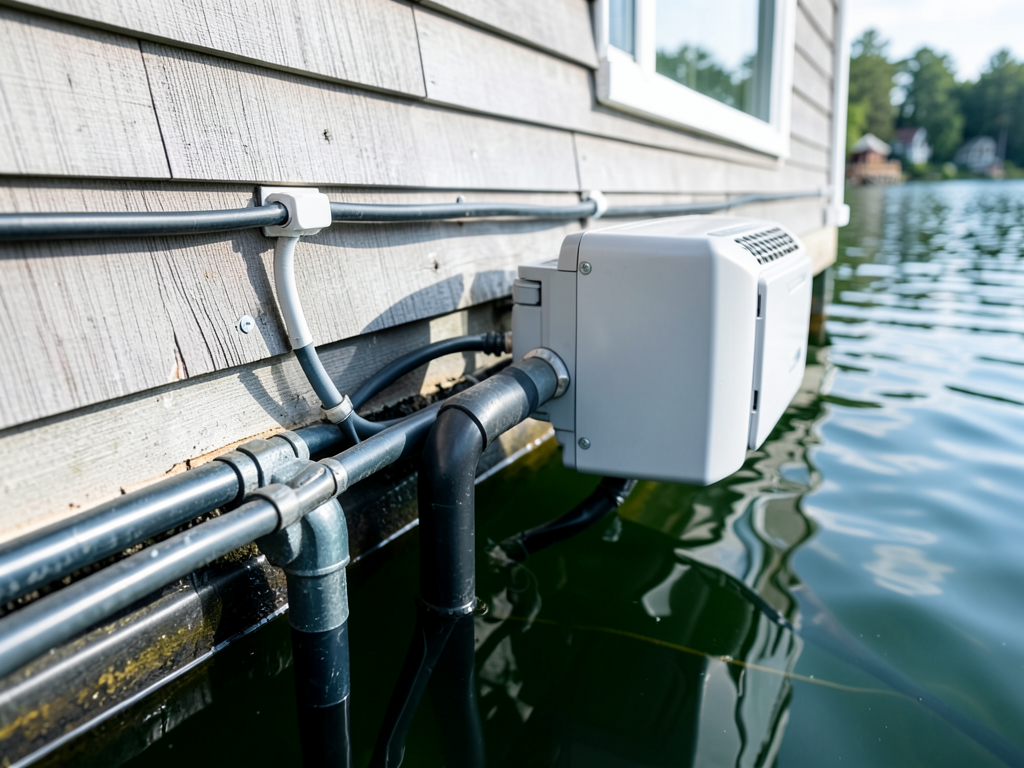
Water-source heat pumps offer the ultimate efficiency for homes on Lake Union. These systems use the lake water itself as a heat exchange medium, providing heating in winter and cooling in summer with minimal energy consumption. Installation requires underwater piping but eliminates the need for outdoor condenser units entirely, preserving deck space and reducing noise.
Hydronic heating systems work well for floating homes that already have radiator or radiant floor setups. Modern high-efficiency boilers can provide both space heating and domestic hot water while operating quietly and efficiently. The closed-loop nature of hydronic systems also means no outdoor components to worry about in tight marina spaces.. Read more about Adding modern air conditioning to a mid-century Arbor Heights home.
Seattle codes and permitting for floating structures
The Seattle Residential Code (SRC) Chapter 13 applies to floating homes, but with specific modifications for marine structures. All HVAC installations must comply with Washington State Mechanical Code (WAC 51-56) while also meeting the additional requirements of the Seattle Shoreline Management Act. This means any system that discharges water must have proper containment to prevent lake contamination. Washington State Mechanical Code.
Electrical connections for HVAC equipment on floating homes fall under Seattle City Light regulations for marine applications. Most floating homes in Portage Bay operate on 30 or 50 amp shore power connections, which limits the total electrical load available for HVAC systems. Oversizing equipment can trip marina breakers and create safety hazards.
The Seattle Department of Construction and Inspections (SDCI) requires special inspections for HVAC work on floating structures. These inspections verify that mounting hardware can withstand the unique stresses of a floating environment and that all penetrations through the hull or deck are properly sealed to prevent water intrusion.
Noise ordinances in the Eastlake and South Lake Union neighborhoods where Portage Bay floating homes are located restrict outdoor equipment operation to specific hours. Most marinas enforce a 10 PM to 7 AM quiet period, making nighttime cooling impossible with standard condenser units. This influences equipment selection toward quieter, ductless options. The best air conditioning options for bungalows and cottages around Green Lake.
Logistics: how we handle dock-side installations
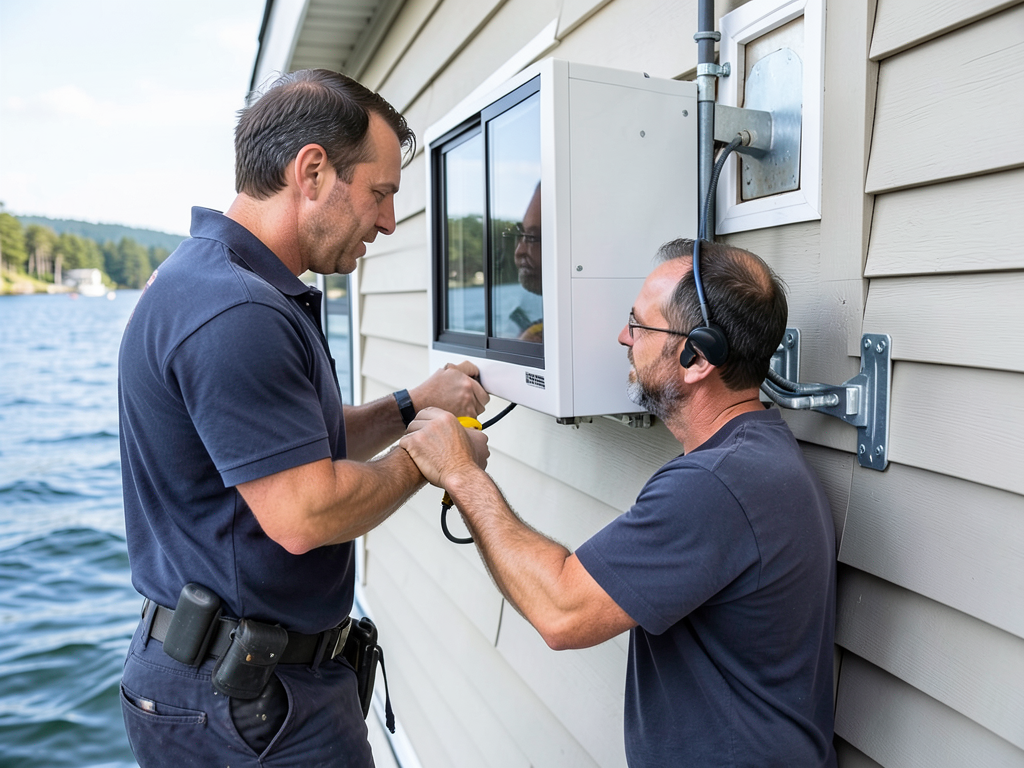
Installing HVAC equipment on a floating home requires careful planning and specialized techniques. Our team begins with a comprehensive site assessment, measuring access points, evaluating structural support locations, and checking electrical capacity at the shore power connection. We bring all necessary equipment through narrow dock walkways, often requiring multiple trips for larger units.
Marine installations demand corrosion-resistant mounting hardware. We use stainless steel brackets, marine-grade bolts, and silicone-sealed penetrations to ensure longevity in the wet environment. Every penetration through the floating home’s shell gets treated with marine sealant and backed with reinforcement plates to prevent water intrusion.
Electrical work on floating structures requires special attention to shore power limitations. We calculate the total electrical load of the proposed system against the available amperage at the dock pedestal. Many older floating homes need electrical service upgrades before installing modern high-efficiency HVAC equipment. Weekend HVAC Service.
Condensate management becomes critical when your home sits on water. We install containment trays and pump systems to ensure no water drains directly into Lake Union. All condensate lines get routed to the home’s existing plumbing system or to specialized collection containers that get emptied regularly.
Weather considerations affect every installation timeline. Seattle’s rain means we often work under temporary covers or schedule around weather windows. Wind conditions also matter when lifting equipment onto docks or positioning outdoor units on exposed decks.
Maintenance for high-moisture environments
Corrosion prevention starts with choosing the right equipment but continues with proper maintenance. We recommend annual coil cleaning using freshwater and mild detergents, never harsh chemicals that could harm the lake ecosystem. The freshwater environment of Portage Bay actually reduces some corrosion concerns compared to saltwater, but mineral buildup from lake water still requires attention. Preventative HVAC maintenance plans that actually save money for Redmond families.
Filter maintenance becomes more frequent in floating homes due to the higher dust and pollen levels near the water. We suggest checking filters monthly and replacing them every 60-90 days, even if they appear clean. The damp environment can cause filters to degrade faster than in typical homes.
Condensate drain lines need regular inspection to prevent clogs that could cause water damage inside the floating structure. We recommend flushing these lines with a vinegar solution every six months to prevent algae growth and mineral buildup. Any signs of slow drainage indicate the need for immediate professional service.
Electrical connections on floating homes face unique challenges from vibration and slight structural movement. We inspect all connections annually, tightening terminals and checking for signs of corrosion or wear. The marine environment can cause connections to loosen over time, potentially creating safety hazards.
Seasonal preparation helps floating home HVAC systems handle Seattle’s weather extremes. Before winter, we check heat pump defrost cycles and ensure all outdoor components are clear of debris. Summer preparation includes verifying condensate pump operation and checking refrigerant levels, as the increased cooling demand can stress older systems.
Frequently Asked Questions
How much does it cost to install HVAC in a floating home?
Installation costs vary widely based on the chosen system and home configuration. Basic ductless mini-split installations typically range from $5,000 to $12,000, while comprehensive water-source heat pump systems can exceed $20,000. The limited space and specialized requirements of floating homes often increase labor costs compared to standard installations.
Can I use my existing furnace in a floating home?
Most traditional furnaces are not suitable for floating homes due to venting requirements and space constraints. Gas furnaces require proper flue systems that can be difficult to install on floating structures. Electric furnaces also present challenges with the limited electrical capacity available at most marina shore power connections. Who to call for 24 hour emergency furnace repair in West Seattle.
How do I handle humidity in my floating home?
Humidity control requires a multi-faceted approach. A properly sized HVAC system provides the first line of defense, but additional measures like dehumidifiers, proper ventilation, and moisture barriers help maintain comfortable levels. Many floating homeowners in Portage Bay find that running their HVAC system continuously at a moderate setting works better than cycling it on and off.
Are there energy-efficient options for floating homes?
Yes, several energy-efficient options work well for floating homes. Ductless mini-splits offer excellent efficiency with SEER ratings often exceeding 20. Water-source heat pumps can achieve even higher efficiency by using lake water for heat exchange. Proper insulation and window treatments also significantly impact overall energy consumption.
How long do HVAC systems typically last in floating homes?
With proper maintenance, modern HVAC systems in floating homes typically last 12-15 years. The marine environment can reduce lifespan compared to standard homes, but choosing corrosion-resistant equipment and following a strict maintenance schedule helps maximize longevity. Annual professional inspections catch issues before they become major problems.
Comparing HVAC system options for floating homes
| System Type | Initial Cost | Space Required | Energy Efficiency | Best For |
|---|---|---|---|---|
| Ductless Mini-Split | $5,000-$12,000 | Minimal outdoor space | SEER 20-25 | Most floating homes |
| Marine Heat Pump | $8,000-$15,000 | Compact outdoor unit | SEER 18-22 | Year-round use |
| Water-Source Heat Pump | $15,000-$25,000 | No outdoor unit needed | SEER 25-30 | Luxury installations |
| Hydronic System | $10,000-$18,000 | Interior space only | N/A | Existing radiator setups |
Key considerations for Portage Bay floating home owners
Understanding your specific floating home’s construction date helps determine the best HVAC approach. Homes built before 1980 often have minimal insulation and may require electrical service upgrades before installing modern systems. The age of your home also affects which mounting methods will work without compromising the structure.
Portage Bay’s location on Lake Union means your HVAC system will face different conditions than homes on Puget Sound or Lake Washington. The freshwater environment reduces saltwater corrosion concerns but introduces unique challenges like mineral buildup from lake water and the need for specialized venting that won’t disturb neighbors.
Working with a contractor who understands floating home specifics makes a significant difference in system performance and longevity. Standard HVAC companies may not account for the vibration from boat traffic, the limited electrical capacity at marina connections, or the strict noise ordinances that apply to outdoor equipment.
Regular maintenance becomes even more critical for floating home HVAC systems. The constant exposure to moisture and the vibration from nearby boat traffic can cause issues that wouldn’t occur in standard homes. Annual professional inspections help catch problems early and maintain optimal efficiency throughout the system’s lifespan.
Energy costs in floating homes often run higher than in traditional homes due to the limited insulation and the need to combat constant moisture. Choosing high-efficiency equipment and implementing smart thermostat controls can significantly reduce monthly utility expenses while maintaining comfortable indoor temperatures year-round.
Ready to upgrade your floating home’s HVAC system?
Call (564) 220-5899 today to schedule your floating home HVAC consultation. Our team understands the unique challenges of Portage Bay floating homes and can recommend the perfect system for your specific needs. Don’t wait until your old system fails during Seattle’s next heat wave or cold snap. Why your Ballard home needs professional furnace repair before the first freeze.
Pick up the phone and call (564) 220-5899 before the next storm hits. We offer emergency service for floating homes throughout Portage Bay and can have a technician at your dock quickly to assess your HVAC needs. Your comfort on the water matters to us.
{
“@context”: “https://schema.org”,
“@type”: “BlogPosting”,
“headline”: “Heating and cooling challenges for floating homes in Portage Bay”,
“description”: “Learn about the unique HVAC challenges facing floating homes in Portage Bay, from moisture control to space constraints. Get expert advice on marine-grade systems.”,
“wordCount”: 2040,
“datePublished”: “2026-04-25T15:07:00.000Z”,
“dateModified”: “2026-04-25T15:07:00.000Z”,
“inLanguage”: “en-US”,
“mainEntityOfPage”: {
“@type”: “WebPage”,
“@id”: “https://peakhvacseattle.com”
},
“publisher”: {
“@type”: “LocalBusiness”,
“name”: “Peak HVAC Seattle”,
“url”: “https://peakhvacseattle.com”
},
“author”: {
“@type”: “Organization”,
“name”: “Peak HVAC Seattle”,
“url”: “https://peakhvacseattle.com”
},
“image”: {
“@type”: “ImageObject”,
“url”: “https://peakhvacseattle.com/wp-content/uploads/2026/03/heating-and-cooling-challenges-for-floating-homes-1.png”
}
}
{
“@context”: “https://schema.org”,
“@type”: “HVACBusiness”,
“name”: “Peak HVAC Seattle”,
“url”: “https://peakhvacseattle.com”,
“address”: {
“@type”: “PostalAddress”,
“addressLocality”: “Seattle”
},
“areaServed”: {
“@type”: “City”,
“name”: “Seattle”
}
}
{
“@context”: “https://schema.org”,
“@type”: “FAQPage”,
“mainEntity”: [
{
“@type”: “Question”,
“name”: “How much does it cost to install HVAC in a floating home?”,
“acceptedAnswer”: {
“@type”: “Answer”,
“text”: “Installation costs vary widely based on the chosen system and home configuration. Basic ductless mini-split installations typically range from $5,000 to $12,000, while comprehensive water-source heat pump systems can exceed $20,000. The limited space and specialized requirements of floating homes often increase labor costs compared to standard installations.”
}
},
{
“@type”: “Question”,
“name”: “Can I use my existing furnace in a floating home?”,
“acceptedAnswer”: {
“@type”: “Answer”,
“text”: “Most traditional furnaces are not suitable for floating homes due to venting requirements and space constraints. Gas furnaces require proper flue systems that can be difficult to install on floating structures. Electric furnaces also present challenges with the limited electrical capacity available at most marina shore power connections. Who to call for 24 hour emergency furnace repair in West Seattle.”
}
},
{
“@type”: “Question”,
“name”: “How do I handle humidity in my floating home?”,
“acceptedAnswer”: {
“@type”: “Answer”,
“text”: “Humidity control requires a multi-faceted approach. A properly sized HVAC system provides the first line of defense, but additional measures like dehumidifiers, proper ventilation, and moisture barriers help maintain comfortable levels. Many floating homeowners in Portage Bay find that running their HVAC system continuously at a moderate setting works better than cycling it on and off.”
}
},
{
“@type”: “Question”,
“name”: “Are there energy-efficient options for floating homes?”,
“acceptedAnswer”: {
“@type”: “Answer”,
“text”: “Yes, several energy-efficient options work well for floating homes. Ductless mini-splits offer excellent efficiency with SEER ratings often exceeding 20. Water-source heat pumps can achieve even higher efficiency by using lake water for heat exchange. Proper insulation and window treatments also significantly impact overall energy consumption.”
}
},
{
“@type”: “Question”,
“name”: “How long do HVAC systems typically last in floating homes?”,
“acceptedAnswer”: {
“@type”: “Answer”,
“text”: “With proper maintenance, modern HVAC systems in floating homes typically last 12-15 years. The marine environment can reduce lifespan compared to standard homes, but choosing corrosion-resistant equipment and following a strict maintenance schedule helps maximize longevity. Annual professional inspections catch issues before they become major problems.”
}
},
{
“@type”: “Question”,
“name”: “Ready to upgrade your floating home’s HVAC system?”,
“acceptedAnswer”: {
“@type”: “Answer”,
“text”: “Call (564) 220-5899 today to schedule your floating home HVAC consultation. Our team understands the unique challenges of Portage Bay floating homes and can recommend the perfect system for your specific needs. Don’t wait until your old system fails during Seattle’s next heat wave or cold snap. Why your Ballard home needs professional furnace repair before the first freeze.”
}
}
]
}
{
“@context”: “https://schema.org”,
“@type”: “BreadcrumbList”,
“itemListElement”: [
{
“@type”: “ListItem”,
“position”: 1,
“name”: “Home”,
“item”: “https://peakhvacseattle.com”
},
{
“@type”: “ListItem”,
“position”: 2,
“name”: “Blog”,
“item”: “https://peakhvacseattle.com/blog”
},
{
“@type”: “ListItem”,
“position”: 3,
“name”: “Heating and cooling challenges for floating homes in Portage Bay”
}
]
}
{
“@context”: “https://schema.org”,
“@type”: “Service”,
“serviceType”: “HVAC”,
“provider”: {
“@type”: “LocalBusiness”,
“name”: “Peak HVAC Seattle”,
“url”: “https://peakhvacseattle.com”
},
“areaServed”: {
“@type”: “City”,
“name”: “Seattle”
},
“description”: “Learn about the unique HVAC challenges facing floating homes in Portage Bay, from moisture control to space constraints. Get expert advice on marine-grade systems.”
}