
The step by step guide to oil tank decommissioning in Haller Lake
If you own a home in Haller Lake built before the 1970s you probably have an underground heating oil tank on your property. These tanks were common when oil was the primary heating fuel in Seattle. Today they represent both an environmental liability and a barrier to property transactions. Decommissioning your oil tank protects your soil meets Seattle Fire Department requirements and keeps your property value intact for future buyers. Seattle Municipal Code Chapter 22.100.
The process follows a strict sequence mandated by the Seattle Fire Department and Washington State Department of Ecology. First a licensed contractor locates the tank using ground-penetrating radar or metal detection. Next they pump out any remaining oil and clean the tank interior. Soil samples get taken from beneath and around the tank to test for petroleum contamination. Based on those results the tank either gets filled with an inert material like slurry or foam or it gets removed entirely. Finally you receive a decommissioning certificate that documents the work for King County property records. Washington State Department of Ecology oil tank regulations.
Most Haller Lake properties sit on glacial till soil a dense compacted mixture of sand gravel and clay that affects both tank location and removal strategy. This soil type can make excavation more challenging and may require specialized equipment to prevent cave-ins during the decommissioning process. Additionally many Haller Lake homes are built on sloped lots near Thornton Creek which means groundwater management becomes a critical factor during soil sampling and tank removal.
The entire process typically takes 2-3 days from start to finish though soil lab results can add another week to the timeline. Costs vary widely based on tank size location and whether contamination is found but most Haller Lake homeowners can expect to invest between $1500 and $3500 for standard decommissioning work. The investment pays off when you consider that an undocumented tank can reduce your property value by 5-10% or derail a sale entirely.
Why Decommission Your Oil Tank
Oil tanks in Haller Lake pose unique risks due to the neighborhood’s proximity to Thornton Creek and its watershed. Leaking tanks can contaminate soil and groundwater affecting not just your property but the broader ecosystem. The Seattle Fire Department requires decommissioning for any tank that is no longer in use and King County mandates disclosure during property sales. Department of Ecology TPH standards.
Beyond environmental concerns there is the financial impact. Homes with active or abandoned oil tanks often face appraisal challenges. Mortgage lenders frequently require decommissioning before approving loans and buyers are increasingly wary of properties with potential soil contamination. The decommissioning certificate becomes a valuable document that proves due diligence to future buyers and their lenders.
Many Haller Lake homeowners also decommission tanks as part of larger home improvement projects. If you are planning to install a new high-efficiency heat pump or upgrade your electrical service removing the old oil tank infrastructure creates space and eliminates a redundant system. This transition aligns with Seattle’s push toward electrification and reduced carbon emissions. Weekend HVAC Service.
The process also addresses safety concerns. Old oil tanks can corrode and develop pinhole leaks that go undetected for years. These slow leaks create soil contamination that is far more expensive to remediate than proactive decommissioning. By acting now you are preventing a potential environmental cleanup that could cost tens of thousands of dollars.
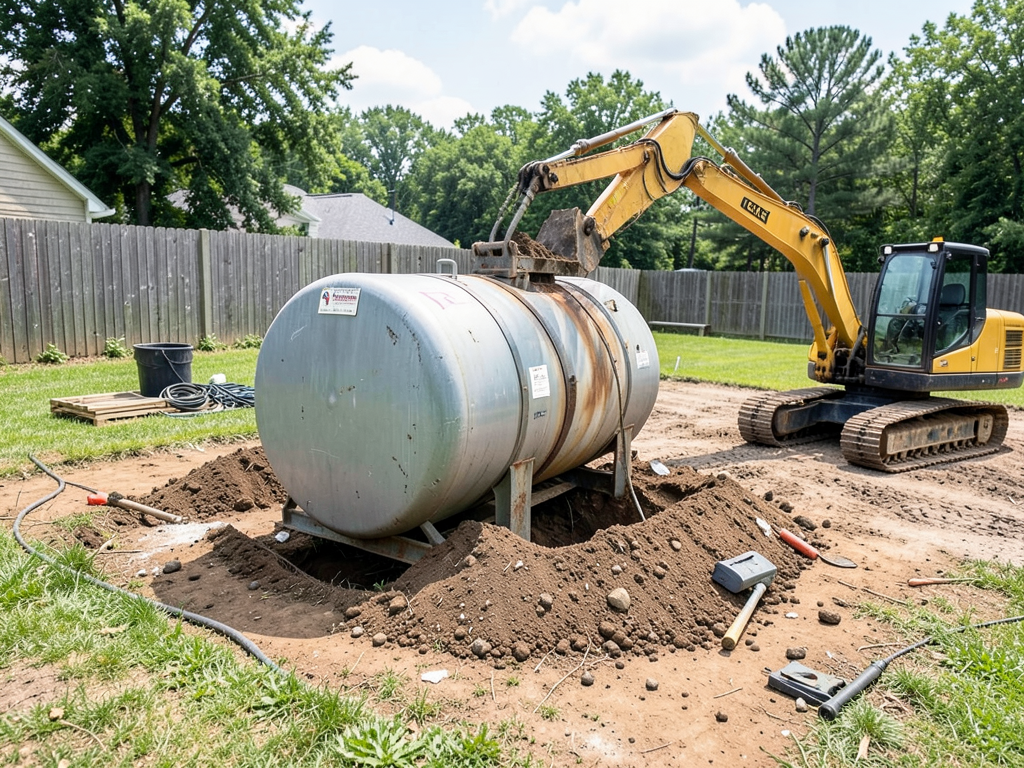
The Seattle Oil Tank Decommissioning Process
The decommissioning process follows five specific steps that must be completed in order. Each step involves permits inspections and documentation that protect both the homeowner and the environment.
- Tank Location and Assessment
Using ground-penetrating radar and metal detectors technicians map the exact location and depth of your tank. This step determines whether removal or in-place filling is more appropriate for your Haller Lake property.
- Oil Removal and Cleaning
All remaining heating oil gets pumped out and properly disposed of at licensed facilities. The tank interior is then cleaned to remove sludge and residue that could interfere with soil sampling.. Read more about Why radiant floor heating is making a comeback in Hillman City renovations.
- Soil Sampling
Technicians collect soil samples from multiple locations around and beneath the tank. These samples test for Total Petroleum Hydrocarbons (TPH) to determine if contamination exists.
- Tank Processing
Based on contamination results and tank condition the tank either gets filled with slurry or foam and capped or it gets removed entirely and recycled.
- Final Inspection and Documentation
The Seattle Fire Department inspects the completed work. You receive a decommissioning certificate that is filed with King County records.
Haller Lake’s soil conditions often require additional steps. The glacial till composition means excavation must account for soil stability and the neighborhood’s proximity to water bodies means extra precautions during soil handling. Contractors must also navigate narrow residential streets when bringing equipment to your property.
Weather plays a significant role in scheduling. Seattle’s rainy seasons can delay soil sampling since wet conditions affect test accuracy. Most contractors recommend scheduling decommissioning during drier months though work can proceed year-round with proper site preparation.
The entire process requires coordination between multiple parties: the contractor the soil testing lab the Seattle Fire Department and sometimes King County environmental health. Good communication ensures the project stays on schedule and meets all regulatory requirements.
Seattle Fire Department (SFD) Permits Regulations
The Seattle Fire Department issues specific permits for oil tank decommissioning under Seattle Municipal Code Chapter 22.100. These permits ensure work meets safety standards and protects public health. The process begins with permit application through the Seattle Services Portal which requires detailed information about your property and the planned work.
Two main permit types exist for decommissioning work. Permit 4003 covers in-place filling of tanks with inert materials while Permit 4004 applies to complete tank removal. The choice between these options depends on soil test results tank condition and your future property plans. Both permits require inspections at different stages of the project. The best air conditioning options for bungalows and cottages around Green Lake.
The Seattle Fire Department mandates specific materials for tank filling. Approved options include slurry (a cement-like mixture) sand or polyurethane foam. Each material has different properties affecting long-term stability and future excavation possibilities. Your contractor helps determine the best option based on your property’s specific conditions.
Inspections occur at critical points during the process. The initial inspection verifies tank location and access. A mid-process inspection confirms proper oil removal and cleaning. The final inspection ensures all work meets code requirements before issuing the decommissioning certificate.
Permits typically cost $250-400 depending on the scope of work. Processing times vary but generally take 3-5 business days. Rush permits are available for emergency situations though these cost more and may have limited availability during peak seasons. Who to call for 24 hour emergency furnace repair in West Seattle.
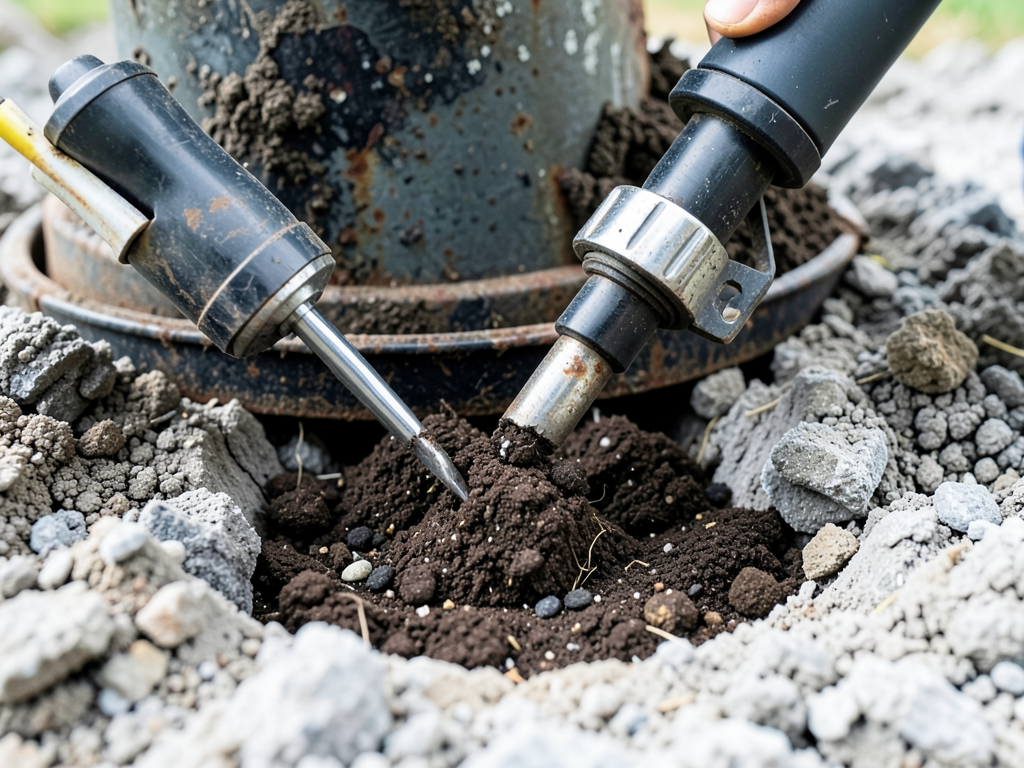
Soil Testing and Environmental Compliance
Soil testing represents one of the most critical steps in the decommissioning process. Washington State Department of Ecology establishes specific standards for petroleum contamination levels and Haller Lake properties must meet these standards before receiving final approval.
Testing focuses on Total Petroleum Hydrocarbons (TPH) which measures the concentration of oil-related compounds in soil. The Department of Ecology sets action levels at 100 parts per million for residential properties. Levels above this threshold trigger additional remediation requirements that can significantly increase project costs.
Soil samples get analyzed at certified laboratories with results typically available within 5-7 business days. Some contractors maintain relationships with local labs that can expedite results to 48-72 hours for an additional fee. This faster turnaround helps keep projects on schedule when timing is critical for property transactions.
If contamination is found several remediation options exist. The most common approach involves excavating and removing contaminated soil then backfilling with clean material. In some cases bioremediation techniques can treat contamination in place though this process takes longer and may not be suitable for all properties.
The Pollution Liability Insurance Agency (PLIA) offers a voluntary cleanup program that provides technical assistance and liability protection for property owners dealing with oil tank contamination. This program can be particularly valuable for Haller Lake homeowners who discover unexpected contamination during the decommissioning process.
Documentation from soil testing becomes part of your property’s environmental record. This documentation protects you from future liability and provides transparency to potential buyers. Many real estate transactions now require this documentation as part of the due diligence process.
Cost Factors for Seattle Homeowners
Oil tank decommissioning costs in Haller Lake vary based on several factors unique to each property. Understanding these variables helps you budget appropriately and avoid unexpected expenses during the project.
Tank size represents the most obvious cost factor. Standard residential tanks hold 275-330 gallons and typically cost less to decommission than larger commercial tanks. However Haller Lake’s older homes sometimes contain multiple smaller tanks which can increase overall project complexity and cost.
Access challenges significantly impact pricing. Tanks located under decks near mature trees or in tight side yards require more labor and specialized equipment. Haller Lake’s mature landscaping means many properties have these exact challenges potentially adding $500-1000 to project costs.
Soil conditions affect both labor and equipment needs. The glacial till in Haller Lake can require heavier equipment for safe excavation increasing equipment rental costs. Additionally properties near Thornton Creek may need extra precautions for groundwater management adding to the overall expense. Why your Ballard home needs professional furnace repair before the first freeze.
Contamination findings dramatically change project scope and cost. A clean site might cost $1500-2500 for standard decommissioning while contaminated sites requiring soil removal can exceed $5000-8000. The uncertainty around contamination makes it difficult to provide exact quotes without initial soil testing.
Permit fees soil testing costs and disposal fees add to the base price. Most contractors bundle these into their quotes but understanding the breakdown helps you compare proposals accurately. Some companies offer phased pricing that allows you to spread costs over time if needed.
Insurance considerations also factor into the decision. Many homeowners insurance policies don’t cover oil tank issues but PLIA offers pollution liability insurance that can provide protection for a relatively small annual premium. This insurance becomes valuable if unexpected issues arise during or after decommissioning.
Frequently Asked Questions
How long does the entire decommissioning process take?
The active work typically requires 2-3 days but the complete process including permits soil testing and final documentation usually takes 2-3 weeks. Weather delays and lab processing times can extend this timeline.
Can I sell my house with an abandoned oil tank?
You can list a property with an abandoned tank but most buyers and their lenders will require decommissioning before closing. An undocumented tank can also reduce your property value and limit your buyer pool significantly.
Is there insurance available for oil tank leaks?
Yes the Pollution Liability Insurance Agency (PLIA) offers specialized insurance for heating oil tanks. This coverage protects against cleanup costs if a leak occurs and it is often required by lenders for properties with active or recently decommissioned tanks.
What happens if soil contamination is found?
If contamination exceeds state action levels additional remediation becomes necessary. This typically involves removing contaminated soil and replacing it with clean fill. The contractor coordinates with environmental agencies to ensure proper disposal and documentation of the remediation work.
Do I need to be present during the decommissioning work?
You don’t need to be present for the entire process but you should be available for the initial site assessment and final inspection. Access to your property for equipment and material delivery is essential throughout the project.
How does decommissioning affect my property value?
Properly decommissioned tanks typically have neutral or slightly positive effects on property value. The decommissioning certificate provides documentation that eliminates uncertainty for buyers. Properties with undocumented tanks often sell for 5-10% less than comparable homes.
Making the Right Choice for Your Haller Lake Property
Deciding between in-place filling and complete tank removal depends on your property plans and local conditions. Haller Lake’s unique characteristics glacial till soil proximity to water bodies and mature landscaping create specific considerations for each option.
In-place filling works well for tanks in good condition with clean soil test results. This option costs less and causes minimal disruption to your landscaping. However it leaves the tank in the ground permanently which some buyers prefer to avoid.
Complete removal provides the cleanest outcome but costs more and requires more extensive excavation. This option makes sense if you are planning major landscaping changes or if the tank’s location interferes with future construction plans. Removal also eliminates any future uncertainty about the tank’s condition.
Many Haller Lake homeowners choose removal when planning heat pump installations or electrical service upgrades. The removal process creates opportunities to address other underground utilities or improve drainage around your foundation.. Read more about Does your Whittier Heights home need an electrical panel upgrade before you get a heat pump?.
Timing considerations also matter. If you are planning to sell within the next few years proactive decommissioning eliminates a potential obstacle in the sales process. If you are staying long-term you might prioritize cost savings over complete removal.
Working with a contractor familiar with Haller Lake’s specific conditions ensures the best outcome. Local experience with glacial till soil Thornton Creek watershed requirements and Seattle Fire Department procedures streamlines the process and prevents costly mistakes.
Call (564) 220-5899 today to schedule your inspection. Our team understands Haller Lake’s unique challenges and can provide a clear roadmap for your oil tank decommissioning project. Don’t let an old tank become a liability take action now to protect your property and your investment.
Protecting Your Investment and the Environment
Oil tank decommissioning in Haller Lake represents more than just property maintenance it is an investment in environmental stewardship and long-term property value. The neighborhood’s location near Thornton Creek means that responsible tank management affects the broader community not just individual properties. Preventative HVAC maintenance plans that actually save money for Redmond families.
The decommissioning process creates opportunities for property improvements beyond just removing the tank. Many homeowners use this transition to upgrade their heating systems to high-efficiency heat pumps improving both comfort and energy costs while reducing carbon emissions.. Read more about Improving air quality for home-based daycares in Licton Springs.
Documentation from the decommissioning process becomes part of your property’s history providing transparency to future owners and protecting you from potential liability. This documentation proves particularly valuable in Haller Lake’s competitive real estate market where buyers increasingly conduct thorough due diligence.
The investment in proper decommissioning typically pays for itself through increased property value smoother sales processes and elimination of environmental liability. When compared to the potential costs of soil remediation or failed real estate transactions proactive decommissioning represents sound financial planning.
Haller Lake’s community values environmental responsibility and property maintenance. By addressing your oil tank proactively you are contributing to the neighborhood’s overall quality and sustainability while protecting your own interests.
Ready to take the next step? Call (564) 220-5899 to speak with our decommissioning specialists. We will assess your specific situation explain your options and provide a clear timeline and cost estimate. Don’t wait until an old tank becomes a problem contact us today to schedule your inspection and protect your Haller Lake home for years to come.
{
“@context”: “https://schema.org”,
“@type”: “BlogPosting”,
“headline”: “The step by step guide to oil tank decommissioning in Haller Lake”,
“description”: “Complete guide to oil tank decommissioning in Haller Lake. Learn about permits, costs, soil testing, and the process required by Seattle Fire Department.”,
“wordCount”: 2518,
“datePublished”: “2026-04-26T12:48:00.000Z”,
“dateModified”: “2026-04-26T12:48:00.000Z”,
“inLanguage”: “en-US”,
“mainEntityOfPage”: {
“@type”: “WebPage”,
“@id”: “https://peakhvacseattle.com”
},
“publisher”: {
“@type”: “LocalBusiness”,
“name”: “Peak HVAC Seattle”,
“url”: “https://peakhvacseattle.com”
},
“author”: {
“@type”: “Organization”,
“name”: “Peak HVAC Seattle”,
“url”: “https://peakhvacseattle.com”
},
“image”: {
“@type”: “ImageObject”,
“url”: “https://peakhvacseattle.com/wp-content/uploads/2026/03/the-step-by-step-guide-to-oil-tank-decommissioning-1.png”
}
}
{
“@context”: “https://schema.org”,
“@type”: “HVACBusiness”,
“name”: “Peak HVAC Seattle”,
“url”: “https://peakhvacseattle.com”,
“address”: {
“@type”: “PostalAddress”,
“addressLocality”: “Seattle”
},
“areaServed”: {
“@type”: “City”,
“name”: “Seattle”
}
}
{
“@context”: “https://schema.org”,
“@type”: “FAQPage”,
“mainEntity”: [
{
“@type”: “Question”,
“name”: “How long does the entire decommissioning process take?”,
“acceptedAnswer”: {
“@type”: “Answer”,
“text”: “The active work typically requires 2-3 days but the complete process including permits soil testing and final documentation usually takes 2-3 weeks. Weather delays and lab processing times can extend this timeline.”
}
},
{
“@type”: “Question”,
“name”: “Can I sell my house with an abandoned oil tank?”,
“acceptedAnswer”: {
“@type”: “Answer”,
“text”: “You can list a property with an abandoned tank but most buyers and their lenders will require decommissioning before closing. An undocumented tank can also reduce your property value and limit your buyer pool significantly.”
}
},
{
“@type”: “Question”,
“name”: “Is there insurance available for oil tank leaks?”,
“acceptedAnswer”: {
“@type”: “Answer”,
“text”: “Yes the Pollution Liability Insurance Agency (PLIA) offers specialized insurance for heating oil tanks. This coverage protects against cleanup costs if a leak occurs and it is often required by lenders for properties with active or recently decommissioned tanks.”
}
},
{
“@type”: “Question”,
“name”: “What happens if soil contamination is found?”,
“acceptedAnswer”: {
“@type”: “Answer”,
“text”: “If contamination exceeds state action levels additional remediation becomes necessary. This typically involves removing contaminated soil and replacing it with clean fill. The contractor coordinates with environmental agencies to ensure proper disposal and documentation of the remediation work.”
}
},
{
“@type”: “Question”,
“name”: “Do I need to be present during the decommissioning work?”,
“acceptedAnswer”: {
“@type”: “Answer”,
“text”: “You don’t need to be present for the entire process but you should be available for the initial site assessment and final inspection. Access to your property for equipment and material delivery is essential throughout the project.”
}
},
{
“@type”: “Question”,
“name”: “How does decommissioning affect my property value?”,
“acceptedAnswer”: {
“@type”: “Answer”,
“text”: “Properly decommissioned tanks typically have neutral or slightly positive effects on property value. The decommissioning certificate provides documentation that eliminates uncertainty for buyers. Properties with undocumented tanks often sell for 5-10% less than comparable homes.”
}
}
]
}
{
“@context”: “https://schema.org”,
“@type”: “HowTo”,
“name”: “Oil Tank Decommissioning Process”,
“step”: [
{
“@type”: “HowToStep”,
“position”: 1,
“name”: “Tank Location and Assessment”,
“text”: “Using ground-penetrating radar and metal detectors technicians map the exact location and depth of your tank. This step determines whether removal or in-place filling is more appropriate for your Haller Lake property.”
},
{
“@type”: “HowToStep”,
“position”: 2,
“name”: “Oil Removal and Cleaning”,
“text”: “All remaining heating oil gets pumped out and properly disposed of at licensed facilities. The tank interior is then cleaned to remove sludge and residue that could interfere with soil sampling.”
},
{
“@type”: “HowToStep”,
“position”: 3,
“name”: “Soil Sampling”,
“text”: “Technicians collect soil samples from multiple locations around and beneath the tank. These samples test for Total Petroleum Hydrocarbons (TPH) to determine if contamination exists.”
},
{
“@type”: “HowToStep”,
“position”: 4,
“name”: “Tank Processing”,
“text”: “Based on contamination results and tank condition the tank either gets filled with slurry or foam and capped or it gets removed entirely and recycled.”
},
{
“@type”: “HowToStep”,
“position”: 5,
“name”: “Final Inspection and Documentation”,
“text”: “The Seattle Fire Department inspects the completed work. You receive a decommissioning certificate that is filed with King County records.”
}
],
“image”: “https://peakhvacseattle.com/wp-content/uploads/2026/03/the-step-by-step-guide-to-oil-tank-decommissioning-1.png”
}
{
“@context”: “https://schema.org”,
“@type”: “BreadcrumbList”,
“itemListElement”: [
{
“@type”: “ListItem”,
“position”: 1,
“name”: “Home”,
“item”: “https://peakhvacseattle.com”
},
{
“@type”: “ListItem”,
“position”: 2,
“name”: “Blog”,
“item”: “https://peakhvacseattle.com/blog”
},
{
“@type”: “ListItem”,
“position”: 3,
“name”: “The step by step guide to oil tank decommissioning in Haller Lake”
}
]
}
{
“@context”: “https://schema.org”,
“@type”: “Service”,
“serviceType”: “HVAC”,
“provider”: {
“@type”: “LocalBusiness”,
“name”: “Peak HVAC Seattle”,
“url”: “https://peakhvacseattle.com”
},
“areaServed”: {
“@type”: “City”,
“name”: “Seattle”
},
“description”: “Complete guide to oil tank decommissioning in Haller Lake. Learn about permits, costs, soil testing, and the process required by Seattle Fire Department.”
}