
What size heat pump does a typical 1940s Ravenna bungalow actually need?
Choosing the right heat pump size for your 1940s Ravenna bungalow means the difference between comfortable heating on cold Seattle mornings and a system that runs constantly without keeping you warm. A properly sized unit will handle Seattle’s winter design temperature of 25-30°F while providing efficient cooling during summer heat domes. Most Ravenna bungalows built in the 1940s fall between 1,200-1,800 square feet with lath-and-plaster walls that hold heat differently than modern construction. Seattle City Light heat pump rebates.
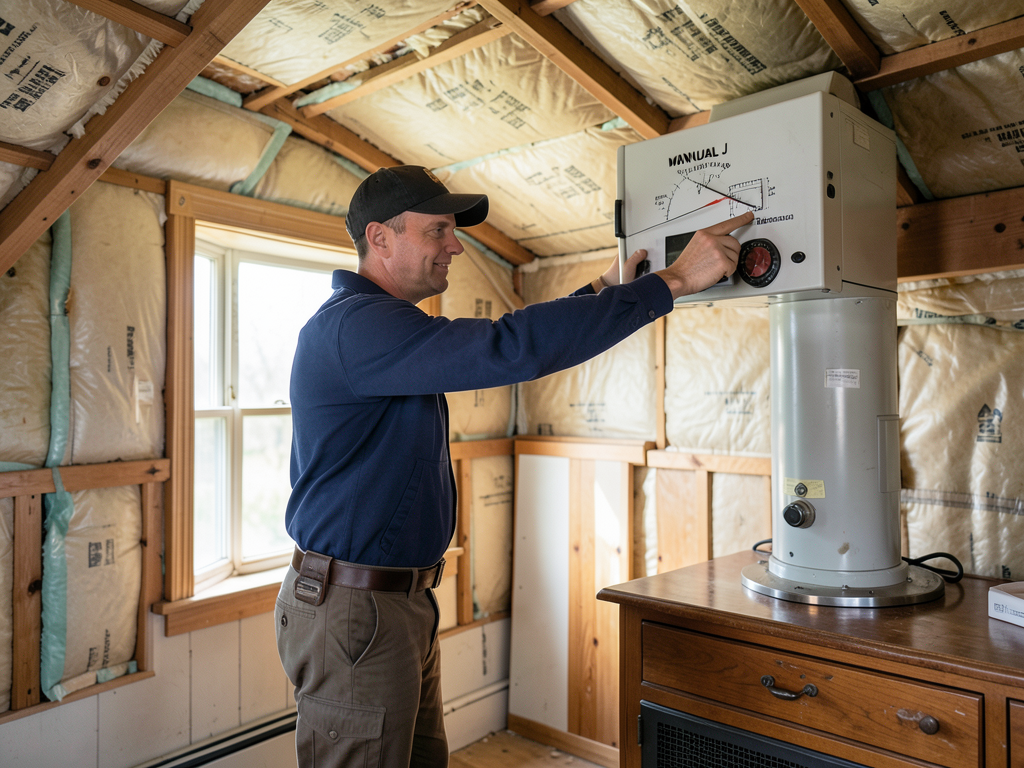
The first step is understanding your home’s unique characteristics. Older Seattle homes often have single-pane windows, minimal wall insulation, and original wood siding that creates specific heat loss patterns. A Manual J load calculation considers these factors along with ceiling height, window orientation, and local climate data to determine exact BTU requirements. For most 1940s Ravenna bungalows, this calculation typically falls between 24,000-36,000 BTUs for heating capacity.. Read more about Choosing the right heating and cooling for a backyard DADU in Beacon Hill.
Seattle climate factors that affect heat pump sizing
Seattle’s marine climate creates unique challenges for heat pump sizing that differ from inland areas. The consistent humidity means latent heat removal becomes critical, while the relatively mild but damp winters require careful consideration of defrost cycles. Puget Sound Energy’s climate data shows Seattle’s 99% heating design temperature sits at approximately 26°F, meaning your heat pump must maintain indoor comfort when outdoor temperatures drop to this level for extended periods.. Read more about How to fix the uneven temperatures between floors in your three story Madrona house.
The damp environment also affects equipment selection. Seattle’s average winter humidity around 80% means heat pumps need adequate coil surface area for moisture removal. This is why inverter-driven cold climate heat pumps have become popular in Ravenna – they maintain efficiency in Seattle’s specific temperature and humidity ranges while providing the dehumidification needed during our wet seasons.. Read more about Lowering your high winter heating bills in Burien with a professional energy assessment.
Manual J load calculation for older Seattle homes
A proper Manual J calculation for your Ravenna bungalow examines multiple factors that generic square-footage charts miss. The process starts with measuring each room’s dimensions and noting ceiling heights – many 1940s homes have 8-9 foot ceilings that increase volume compared to modern 8-foot standard. Next, we evaluate insulation levels by checking attic depth and wall construction. Original lath-and-plaster walls typically provide R-4 to R-6 insulation, far below modern R-13 standards.
Window assessment proves critical for Seattle homes. Original wood-frame single-pane windows lose significant heat compared to modern double-pane units. South and west-facing windows create solar heat gain that affects cooling loads, while north-facing windows contribute more to heat loss. The calculation also accounts for air infiltration through older construction methods, which can add 10-15% to heating requirements.. Read more about How a new HVAC system affects your home appraisal in the Roosevelt neighborhood.
Common sizing ranges for 1940s Ravenna bungalows
Based on Seattle’s specific climate and typical 1940s construction, most Ravenna bungalows require heat pumps in these ranges:
| Home Size (sq ft) | Typical BTU Range | Recommended System Type |
|---|---|---|
| 1,200-1,400 | 24,000-28,000 | Ductless mini-split or small ducted |
| 1,400-1,600 | 28,000-32,000 | Ductless multi-zone or medium ducted |
| 1,600-1,800 | 32,000-36,000 | Ductless multi-zone or standard ducted |
These ranges assume typical Seattle insulation levels and window conditions. Homes with upgraded windows or added insulation may require sizing at the lower end of these ranges, while original condition homes might need capacity at the higher end.
Ductless vs. ducted sizing considerations
Most 1940s Ravenna bungalows lack existing ductwork, making ductless mini-split systems a popular choice. Sizing for ductless systems requires different thinking than traditional central air. Each indoor unit has specific BTU ratings, and proper placement affects overall system performance. A typical 1,400 square foot bungalow might need one 12,000 BTU unit for the main living area plus a 9,000 BTU unit for bedrooms.
Ducted systems, when feasible, offer whole-house comfort but require careful duct sizing. Seattle’s humidity means ducts must be properly sealed and insulated to prevent condensation. The blower capacity must match both the heat pump’s output and the duct system’s static pressure requirements. Undersized ducts create noise and reduce efficiency, while oversized ducts can cause short cycling.
Local rebates and efficiency requirements
Seattle City Light and Puget Sound Energy offer rebates that influence heat pump sizing decisions. Current programs often require minimum HSPF2 ratings of 8.5 or higher for cold climate heat pumps. These efficiency requirements mean modern inverter-driven systems can often be sized smaller than older fixed-speed units while maintaining the same comfort levels.. Read more about Comparing geothermal energy to traditional air source heat pumps for Sammamish homeowners.
The Washington State Energy Code (WSEC) Chapter 51-11C also affects sizing through ventilation requirements. Homes built before 1980 typically need mechanical ventilation upgrades when installing new HVAC systems. This added ventilation load must be factored into the Manual J calculation, potentially increasing required capacity by 1,000-2,000 BTUs.
Diagnostic testing for existing systems
Before sizing a new heat pump, diagnostic testing reveals whether your current system is properly sized. We measure supply and return air temperatures to calculate temperature rise during heating mode. A typical gas furnace shows 30-50°F rise, while heat pumps show 20-30°F due to lower discharge temperatures. These measurements, combined with runtime data, indicate whether your system is oversized, undersized, or properly matched to your home. Who to call for 24 hour emergency furnace repair in West Seattle.
Static pressure testing across the duct system identifies airflow restrictions that affect heat pump performance. High static pressure readings above 0.5 inches water column suggest undersized ducts or dirty filters. These issues must be corrected before installing a new heat pump, as they can cause the new system to fail prematurely even if properly sized.
Installation considerations for Ravenna homes
Installing heat pumps in 1940s Ravenna bungalows requires addressing specific challenges. Many homes have limited outdoor space for condenser units, requiring careful placement to avoid noise complaints to neighbors. The Washington State Mechanical Code requires minimum clearances from property lines and windows, typically 5 feet from side property lines and 3 feet from windows.
Electrical service often needs upgrading for heat pump installation. Original 60-100 amp services may not support the additional load of modern heat pumps, which can draw 15-30 amps during heating cycles. King County electrical permits require inspections for these upgrades, ensuring safe installation according to NEC Article 440 requirements for HVAC equipment. Why your Ballard home needs professional furnace repair before the first freeze.
Cost factors and long-term value
Properly sizing your heat pump affects both initial cost and long-term operating expenses. An oversized unit costs more upfront and cycles frequently, reducing efficiency and comfort. An undersized unit runs constantly, increasing wear and utility bills. The sweet spot balances equipment cost with energy savings over the system’s 15-20 year lifespan.
Seattle’s electricity rates averaging $0.11 per kWh make heat pumps economically attractive compared to natural gas. A properly sized 36,000 BTU heat pump typically costs $4,000-6,000 installed, while operating costs run $50-80 monthly during peak heating season. These numbers improve with proper sizing – a unit matched to your home’s actual load can save 20-30% on energy bills compared to an oversized system.
Maintenance requirements for optimal performance
Heat pump sizing affects maintenance needs throughout the system’s life. Properly sized units run longer cycles at lower outputs, reducing wear on compressors and fans. This means fewer service calls and longer equipment life. Annual maintenance should include checking refrigerant charge, cleaning coils, and verifying airflow – tasks that become more critical in Seattle’s damp climate where mold growth in coils can reduce efficiency by 15-20%. Preventative HVAC maintenance plans that actually save money for Redmond families.
Filter selection also impacts performance. High-efficiency filters that remove allergens can restrict airflow if not properly sized for your system. The filter’s MERV rating should balance air quality needs with the heat pump’s designed static pressure. Most Ravenna homes benefit from MERV 8-11 filters that catch dust and pollen without significantly reducing airflow.
Future-proofing your heat pump investment
Seattle’s climate continues to change, with more extreme heat events and shifting precipitation patterns. When sizing your heat pump, consider potential future needs. A system sized for current conditions might struggle during heat domes that push temperatures above 100°F. Adding 10-15% capacity beyond calculated loads provides insurance against climate variability while maintaining efficiency during normal conditions.
Smart thermostat integration also affects sizing decisions. Modern heat pumps with variable-speed compressors work best with thermostats that learn your schedule and adjust output gradually. This capability means a slightly smaller system can maintain comfort while using less energy, as the heat pump operates in its most efficient range more often.
Getting professional sizing assistance
Professional heat pump sizing involves more than basic calculations. A qualified HVAC contractor will perform a complete home energy assessment, including blower door tests to measure air infiltration and infrared scans to identify insulation gaps. These diagnostic tools provide data that generic online calculators cannot match, ensuring your Ravenna bungalow gets exactly the right system size.
The contractor should provide a written Manual J calculation showing all inputs and assumptions. This document becomes valuable for permit applications and rebate submissions. It also serves as a baseline for future energy efficiency improvements – if you later add insulation or upgrade windows, you can recalculate loads to potentially downsize your heat pump.
Common sizing mistakes to avoid
Homeowners often make these sizing errors when selecting heat pumps: choosing based on the existing system size without considering home improvements, selecting oversized units to handle occasional extreme weather, or picking systems based solely on square footage without accounting for ceiling height or window quality. Each mistake costs money through higher utility bills and reduced comfort.
Another frequent error involves ignoring Seattle’s specific climate factors. A heat pump sized using Phoenix or Atlanta climate data will be wrong for Ravenna’s marine environment. The cooling load calculation must account for Seattle’s relatively cool but humid summers, while heating calculations need to consider our mild but damp winters.
Making your final decision
After gathering all data and quotes, evaluate heat pump options based on more than just price. Consider warranty terms, contractor experience with Seattle’s specific conditions, and the quality of the Manual J calculation provided. A $500 difference in installation cost becomes insignificant over a system’s lifetime if it means better sizing and higher efficiency. The best air conditioning options for bungalows and cottages around Green Lake.
Ask contractors about their experience with 1940s Ravenna homes specifically. These properties have unique characteristics that affect heat pump performance. A contractor familiar with local architecture understands issues like lath-and-plaster wall construction, original window conditions, and typical insulation levels found in your neighborhood.. Read more about The most common HVAC problems found in older Phinney Ridge homes.
Frequently Asked Questions
How do I know if my current heat pump is the wrong size?
Signs of incorrect sizing include frequent short cycling, inability to maintain set temperatures on cold days, high humidity levels despite cooling, and unusually high utility bills. A professional assessment can measure these factors and compare them to your home’s calculated load requirements.
Can I use an online calculator for heat pump sizing?
Online calculators provide rough estimates but miss critical factors like Seattle’s specific climate data, your home’s unique construction details, and local code requirements. They work as starting points but should never replace professional Manual J calculations for actual equipment selection.
What happens if I choose the wrong size?
An oversized heat pump cycles frequently, causing temperature swings, high humidity, and reduced efficiency. An undersized unit runs constantly, increasing wear and failing to maintain comfort during extreme weather. Both scenarios result in higher utility bills and shorter equipment life compared to properly sized systems.
Next steps for your Ravenna bungalow
Ready to find the perfect heat pump size for your 1940s Ravenna bungalow? Start by scheduling a professional home energy assessment. This evaluation will examine your home’s unique characteristics and provide the data needed for accurate heat pump sizing. During the assessment, technicians can also identify opportunities for energy efficiency improvements that might allow you to select a smaller, more efficient system.
Call (564) 220-5899 today to schedule your assessment before the next cold snap hits Seattle. Our technicians understand the specific needs of Ravenna’s historic homes and can provide accurate Manual J calculations that ensure your new heat pump delivers reliable comfort for years to come. Keeping your historic Queen Anne home cool with ductless AC options.
Don’t wait until your old system fails on a cold January night. Pick up the phone and call (564) 220-5899 before the next storm hits. We’ll help you find the right size heat pump for your specific home, ensuring comfort, efficiency, and long-term reliability in your 1940s Ravenna bungalow. For more information, visit Department of Energy heat pump guide.
You may also find this helpful. What the R-410A refrigerant phase out means for Seattle homeowners in 2026.
{
“@context”: “https://schema.org”,
“@type”: “BlogPosting”,
“headline”: “What size heat pump does a typical 1940s Ravenna bungalow actually need?”,
“description”: “Find the right heat pump size for your 1940s Ravenna bungalow. Learn Manual J calculations, Seattle climate factors, and local rebates for perfect HVAC sizing.”,
“wordCount”: 2068,
“datePublished”: “2026-03-10T08:17:00.000Z”,
“dateModified”: “2026-03-10T08:17:00.000Z”,
“inLanguage”: “en-US”,
“mainEntityOfPage”: {
“@type”: “WebPage”,
“@id”: “https://peakhvacseattle.com”
},
“publisher”: {
“@type”: “LocalBusiness”,
“name”: “Peak HVAC Seattle”,
“url”: “https://peakhvacseattle.com”
},
“author”: {
“@type”: “Organization”,
“name”: “Peak HVAC Seattle”,
“url”: “https://peakhvacseattle.com”
},
“image”: {
“@type”: “ImageObject”,
“url”: “https://peakhvacseattle.com/wp-content/uploads/2026/03/what-size-heat-pump-does-a-typical-1940s-ravenna-b-1.png”
}
}
{
“@context”: “https://schema.org”,
“@type”: “HVACBusiness”,
“name”: “Peak HVAC Seattle”,
“url”: “https://peakhvacseattle.com”,
“address”: {
“@type”: “PostalAddress”,
“addressLocality”: “Seattle”
},
“areaServed”: {
“@type”: “City”,
“name”: “Seattle”
}
}
{
“@context”: “https://schema.org”,
“@type”: “FAQPage”,
“mainEntity”: [
{
“@type”: “Question”,
“name”: “How do I know if my current heat pump is the wrong size?”,
“acceptedAnswer”: {
“@type”: “Answer”,
“text”: “Signs of incorrect sizing include frequent short cycling, inability to maintain set temperatures on cold days, high humidity levels despite cooling, and unusually high utility bills. A professional assessment can measure these factors and compare them to your home’s calculated load requirements.”
}
},
{
“@type”: “Question”,
“name”: “Can I use an online calculator for heat pump sizing?”,
“acceptedAnswer”: {
“@type”: “Answer”,
“text”: “Online calculators provide rough estimates but miss critical factors like Seattle’s specific climate data, your home’s unique construction details, and local code requirements. They work as starting points but should never replace professional Manual J calculations for actual equipment selection.”
}
},
{
“@type”: “Question”,
“name”: “What happens if I choose the wrong size?”,
“acceptedAnswer”: {
“@type”: “Answer”,
“text”: “An oversized heat pump cycles frequently, causing temperature swings, high humidity, and reduced efficiency. An undersized unit runs constantly, increasing wear and failing to maintain comfort during extreme weather. Both scenarios result in higher utility bills and shorter equipment life compared to properly sized systems.”
}
}
]
}
{
“@context”: “https://schema.org”,
“@type”: “BreadcrumbList”,
“itemListElement”: [
{
“@type”: “ListItem”,
“position”: 1,
“name”: “Home”,
“item”: “https://peakhvacseattle.com”
},
{
“@type”: “ListItem”,
“position”: 2,
“name”: “Blog”,
“item”: “https://peakhvacseattle.com/blog”
},
{
“@type”: “ListItem”,
“position”: 3,
“name”: “What size heat pump does a typical 1940s Ravenna bungalow actually need?”
}
]
}
{
“@context”: “https://schema.org”,
“@type”: “Service”,
“serviceType”: “HVAC”,
“provider”: {
“@type”: “LocalBusiness”,
“name”: “Peak HVAC Seattle”,
“url”: “https://peakhvacseattle.com”
},
“areaServed”: {
“@type”: “City”,
“name”: “Seattle”
},
“description”: “Find the right heat pump size for your 1940s Ravenna bungalow. Learn Manual J calculations, Seattle climate factors, and local rebates for perfect HVAC sizing.”
}