
The most common HVAC problems found in older Phinney Ridge homes
Older Phinney Ridge homes built before 1960 often face unique HVAC challenges that modern homes don’t experience. The combination of Seattle’s damp climate, aging infrastructure, and historic construction methods creates a perfect storm of heating and cooling issues. From drafty windows to failing ductwork hidden in crawlspaces, these problems affect comfort, energy bills, and indoor air quality throughout the year. Seattle Department of Construction and Inspections mechanical permits.
Understanding these common problems helps homeowners recognize warning signs early and make informed decisions about repairs or upgrades. This guide covers the most frequent HVAC failures we see in Phinney Ridge craftsman and Tudor-style homes, along with practical solutions that work with the neighborhood’s historic character. Keeping your historic Queen Anne home cool with ductless AC options.
Why Phinney Ridge homes face unique HVAC challenges
Phinney Ridge’s housing stock dates back to the early 1900s when construction methods differed significantly from today’s standards. Many homes feature balloon framing, single-pane windows, and minimal insulation in walls and attics. The neighborhood’s elevation and proximity to Green Lake create microclimates that stress HVAC systems differently than other Seattle areas.
Seattle’s average humidity hovers around 70%, which means moisture constantly works its way into older homes through foundation cracks and poorly sealed windows. This moisture creates condensation on cold ductwork and promotes mold growth in hidden areas. The damp environment also accelerates corrosion of metal components in furnaces and air handlers. Who to call for 24 hour emergency furnace repair in West Seattle.
According to Seattle Energy Code Section 1301.2, homes built before 1978 are not required to meet current energy efficiency standards during repairs, which means many Phinney Ridge homeowners inherit inefficient systems that waste energy and money.
Common furnace problems in vintage Phinney Ridge homes
Older furnaces in Phinney Ridge homes typically last 15-20 years, but many units still operating are 30+ years old. These aging systems develop specific failure patterns that homeowners should recognize.
Heat exchanger cracks represent the most dangerous furnace problem. As metal heats and cools repeatedly over decades, microscopic cracks form that can leak carbon monoxide into living spaces. The National Fire Protection Association reports that 20,000 emergency room visits annually result from carbon monoxide exposure, with faulty heating equipment being a leading cause.
Another common issue involves pilot light systems versus electronic ignition. Many Phinney Ridge homes still use standing pilot lights, which waste gas continuously and often fail during power outages. Electronic ignition systems provide better efficiency but require different troubleshooting approaches when they malfunction.
Thermostat compatibility creates unexpected problems in older homes. Many vintage systems use millivolt technology that modern programmable thermostats cannot control without special adapters. This mismatch leads to short cycling, where furnaces turn on and off too frequently, reducing efficiency and component lifespan.
Ductwork failures hidden in crawlspaces
Phinney Ridge’s hilly terrain means many homes have crawlspaces or basements where ductwork runs through unconditioned spaces. Over time, these ducts develop leaks, condensation issues, and even collapse under their own weight.
Common ductwork problems include disconnected joints that allow heated air to escape into crawlspaces, reducing system efficiency by 20-30%. The EPA estimates that typical homes lose 20-30% of air through duct leaks, but in older Phinney Ridge homes, losses often exceed 40%.
Moisture accumulation on cold ducts creates perfect conditions for mold growth. When warm, humid air contacts cold metal surfaces, condensation forms and drips onto insulation and wood structures. This moisture problem worsens during Seattle’s wet season when humidity levels peak.
Rodent damage represents another hidden threat. Mice and rats often nest in crawlspace ductwork, chewing through insulation and creating holes that compromise system performance. The sound of scratching or gnawing in walls often indicates duct damage that requires immediate attention.
Air conditioning challenges in historic homes
Many Phinney Ridge homes lack central air conditioning because they were built before this technology existed. Adding AC to these structures presents unique challenges that require creative solutions. The best air conditioning options for bungalows and cottages around Green Lake.
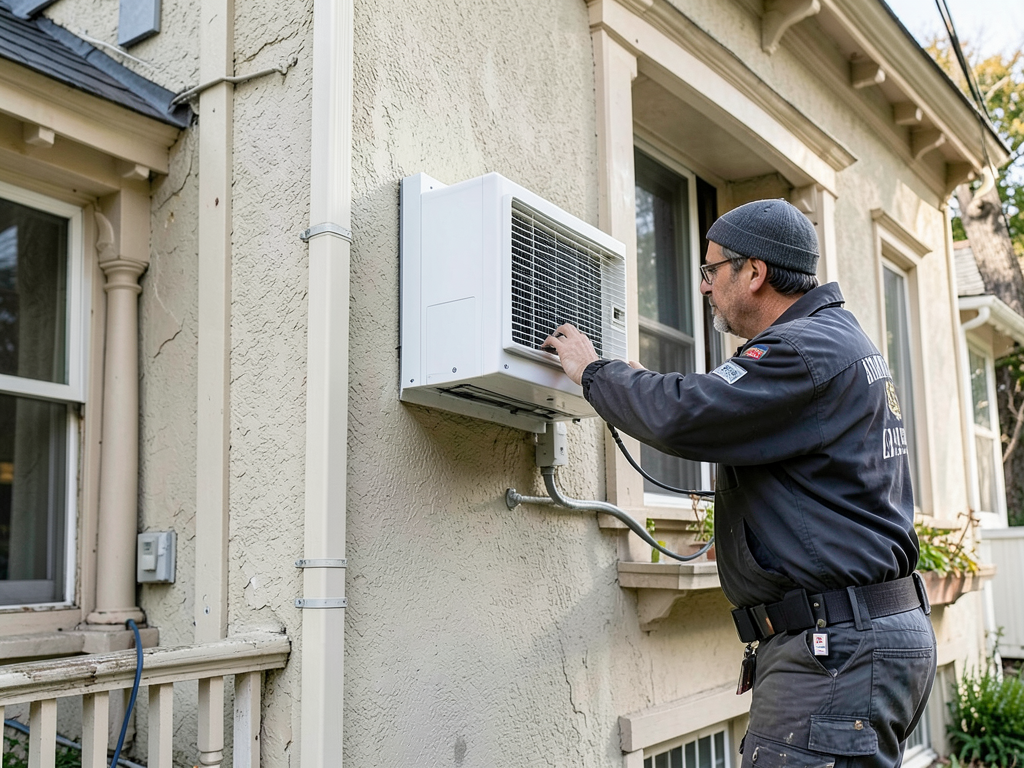
Window units often create more problems than they solve in older homes. Single-pane windows cannot support modern AC units properly, leading to air leaks and security concerns. The weight of these units also stresses window frames, causing rot and structural damage over time.
Ductless mini-split systems offer an excellent alternative for Phinney Ridge homes. These systems require only small wall penetrations for refrigerant lines, preserving the home’s historic character while providing efficient cooling. The U.S. Department of Energy reports that ductless systems can reduce cooling costs by 30% compared to window units. U.S. Department of Energy ductless mini-split information.
Heat pump conversions are becoming increasingly popular as Seattle pushes toward electrification. These systems provide both heating and cooling while eliminating the need for fossil fuel combustion. However, proper sizing becomes critical in older homes where insulation values differ dramatically from modern construction.
Indoor air quality issues specific to Phinney Ridge
Seattle’s damp climate creates indoor air quality challenges that affect older homes more severely than newer construction. Mold spores, dust mites, and pollen accumulate in aging HVAC systems, triggering allergies and respiratory problems.
Many Phinney Ridge homes lack proper ventilation, causing indoor pollutants to build up to levels 2-5 times higher than outdoor air, according to EPA studies. This becomes particularly problematic during winter when windows remain closed for months.
Older homes often contain lead paint dust and asbestos particles that HVAC systems can distribute throughout living spaces. Professional duct cleaning and air filtration become essential for maintaining healthy indoor environments in these structures.
Wildfire smoke from Eastern Washington increasingly affects Seattle’s air quality during late summer months. Homes with older HVAC systems often lack proper filtration to handle fine particulate matter, allowing smoke to penetrate living spaces and trigger health issues.
Heat pump installation considerations for historic homes
Heat pumps offer an energy-efficient solution for Phinney Ridge homes, but installation requires careful planning to preserve architectural integrity. These systems work by moving heat rather than generating it, providing both heating and cooling from a single unit.
The initial investment for heat pump installation ranges from $5,000 to $15,000 depending on home size and existing infrastructure. However, Puget Sound Energy offers rebates up to $1,500 for qualifying heat pump conversions, and federal tax credits provide additional savings.
Older homes often require electrical system upgrades to support heat pump operation. Many Phinney Ridge homes have 60-amp service panels that cannot handle modern HVAC loads. Upgrading to 200-amp service ensures safe operation and allows for future electrical additions.
Proper heat pump sizing becomes critical in older homes with unique characteristics. Factors like high ceilings, large windows, and poor insulation affect heating and cooling loads differently than in modern construction. Professional Manual J calculations ensure optimal system performance.
Emergency HVAC repair scenarios in Phinney Ridge
Emergency HVAC failures often occur during extreme weather events when systems work hardest. Understanding common emergency scenarios helps homeowners respond appropriately and minimize damage.
Furnace failures during cold snaps can create dangerous situations in older homes. When temperatures drop below freezing, pipes can burst within hours without heat. The sound of clicking without ignition often indicates a failing control board or igniter that requires immediate replacement.
AC failures during heat waves pose health risks, especially for elderly residents or those with medical conditions. Refrigerant leaks, compressor failures, and capacitor problems commonly cause summer breakdowns. The distinctive hissing sound of refrigerant leaks indicates a system that needs immediate professional attention. Why your Ballard home needs professional furnace repair before the first freeze.
Gas leaks represent true emergencies that require immediate evacuation. The smell of rotten eggs indicates natural gas presence, while hissing sounds near gas lines suggest active leaks. Never attempt DIY repairs on gas systems – call emergency services first, then HVAC professionals.
Preventative maintenance strategies for older homes
Regular maintenance extends HVAC system life and prevents costly emergency repairs. For Phinney Ridge homes, specific maintenance strategies address the unique challenges these structures face. Preventative HVAC maintenance plans that actually save money for Redmond families.
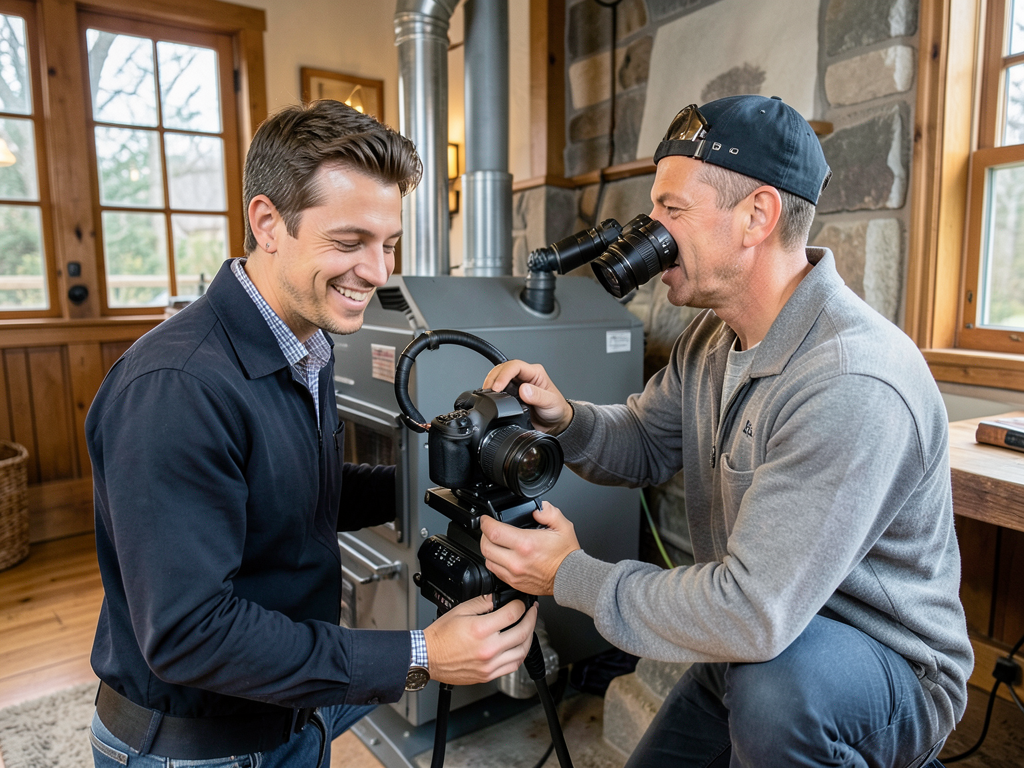
Annual furnace inspections should include heat exchanger examination using specialized cameras that detect microscopic cracks. This diagnostic test, performed by certified technicians, can identify potential carbon monoxide leaks before they become dangerous.
Duct cleaning every 3-5 years removes accumulated dust, mold spores, and debris that affect system efficiency and indoor air quality. Homes with pets, smokers, or allergy sufferers benefit from more frequent cleaning schedules.
Filter replacement every 1-3 months prevents airflow restrictions that strain HVAC components. Older homes often have multiple return air pathways that require different filter sizes and types. Using HEPA filters improves air quality but may reduce airflow in older systems.
Seasonal tune-ups prepare systems for peak demand periods. Fall furnace checks ensure safe operation before winter, while spring AC inspections identify refrigerant leaks and electrical issues before summer heat arrives.
Energy efficiency upgrades for historic homes
Improving energy efficiency in Phinney Ridge homes often requires balancing modern comfort with historic preservation. Several strategies can reduce energy consumption without compromising architectural character.
Smart thermostats provide immediate energy savings by learning household patterns and adjusting temperatures automatically. These devices can reduce heating and cooling costs by 10-15% while providing remote monitoring capabilities that alert homeowners to system problems.
Attic insulation upgrades offer excellent return on investment for older homes. Many Phinney Ridge attics contain minimal insulation, allowing heat to escape through the roof. Adding blown-in cellulose or fiberglass insulation can reduce heating costs by 20-30%.
Window treatments like cellular shades or thermal curtains provide insulation without altering historic windows. These products can reduce heat loss through windows by up to 40% while maintaining the home’s original appearance.
Zone control systems allow different areas of the home to be heated or cooled independently. This approach works well in older homes where some rooms may be rarely used, reducing energy waste while maintaining comfort in occupied spaces.
Choosing the right HVAC contractor for your Phinney Ridge home
Selecting an HVAC contractor familiar with older Seattle homes makes a significant difference in project outcomes. Look for specific qualifications and experience that demonstrate understanding of historic home challenges.
NATE certification indicates technicians have passed rigorous testing on HVAC systems and best practices. This certification, combined with Washington State contractor licensing, ensures proper training and insurance coverage.
Experience with historic home preservation demonstrates understanding of architectural constraints. Contractors familiar with Phinney Ridge’s specific housing stock know how to work around original features while upgrading systems effectively.
References from other Phinney Ridge homeowners provide insight into contractor reliability and quality. Ask about similar projects and whether the contractor obtained necessary permits for the work performed.
Emergency service availability becomes crucial for older systems that may fail unexpectedly. Contractors offering 24/7 service with quick response times provide peace of mind for homeowners concerned about winter breakdowns.
Frequently Asked Questions
How often should I replace my furnace in an older Phinney Ridge home?
Most furnaces last 15-20 years with proper maintenance, but units over 30 years old should be evaluated for replacement. Older furnaces often operate at 60-70% efficiency compared to modern units at 90-98% efficiency, resulting in significant energy savings.
Can I add central air conditioning to my historic Phinney Ridge home?
Yes, but the approach depends on your home’s construction. Ductless mini-split systems work well for homes without existing ductwork, while homes with accessible crawlspaces may accommodate traditional ducted systems. Heat pumps provide both heating and cooling in a single installation.
What permits are required for HVAC work in Seattle?
Seattle requires mechanical permits for most HVAC installations and major repairs. According to Seattle Department of Construction and Inspections, permits ensure work meets current safety codes and energy efficiency standards. Your contractor should handle permit acquisition as part of the project.
How can I improve indoor air quality in my older home?
Start with professional duct cleaning and high-quality air filters. Consider adding HEPA filtration systems or UV light purifiers to existing HVAC equipment. Proper humidity control between 30-50% prevents mold growth while maintaining comfort.
Are heat pumps effective in Seattle’s climate?
Yes, Seattle’s moderate temperatures make heat pumps highly efficient. These systems work effectively down to about 20°F, which covers most Seattle winter conditions. Modern cold-climate heat pumps operate efficiently even in temperatures as low as 0°F.
Call for your Phinney Ridge HVAC inspection today
Don’t wait for your aging HVAC system to fail during Seattle’s next cold snap or heat wave. Our experienced technicians understand the unique challenges of Phinney Ridge’s historic homes and can recommend solutions that preserve your home’s character while improving comfort and efficiency.
Call (564) 220-5899 today to schedule your comprehensive HVAC inspection. We’ll identify potential problems before they become emergencies and provide clear recommendations for keeping your family comfortable year-round.
Pick up the phone and call (564) 220-5899 before the next storm hits. Our team is ready to help you breathe easier and stay comfortable in your Phinney Ridge home.
{
“@context”: “https://schema.org”,
“@type”: “BlogPosting”,
“headline”: “The most common HVAC problems found in older Phinney Ridge homes”,
“description”: “Discover the top HVAC issues in Phinney Ridge’s historic homes. Learn how Seattle’s climate affects older systems and get expert repair solutions.”,
“wordCount”: 2163,
“datePublished”: “2026-03-02T13:34:00.000Z”,
“dateModified”: “2026-03-02T13:34:00.000Z”,
“inLanguage”: “en-US”,
“mainEntityOfPage”: {
“@type”: “WebPage”,
“@id”: “https://peakhvacseattle.com”
},
“publisher”: {
“@type”: “LocalBusiness”,
“name”: “Peak HVAC Seattle”,
“url”: “https://peakhvacseattle.com”
},
“author”: {
“@type”: “Organization”,
“name”: “Peak HVAC Seattle”,
“url”: “https://peakhvacseattle.com”
},
“image”: {
“@type”: “ImageObject”,
“url”: “https://peakhvacseattle.com/wp-content/uploads/2026/03/the-most-common-hvac-problems-found-in-older-phinn-1.png”
}
}
{
“@context”: “https://schema.org”,
“@type”: “HVACBusiness”,
“name”: “Peak HVAC Seattle”,
“url”: “https://peakhvacseattle.com”,
“address”: {
“@type”: “PostalAddress”,
“addressLocality”: “Seattle”
},
“areaServed”: {
“@type”: “City”,
“name”: “Seattle”
}
}
{
“@context”: “https://schema.org”,
“@type”: “FAQPage”,
“mainEntity”: [
{
“@type”: “Question”,
“name”: “How often should I replace my furnace in an older Phinney Ridge home?”,
“acceptedAnswer”: {
“@type”: “Answer”,
“text”: “Most furnaces last 15-20 years with proper maintenance, but units over 30 years old should be evaluated for replacement. Older furnaces often operate at 60-70% efficiency compared to modern units at 90-98% efficiency, resulting in significant energy savings.”
}
},
{
“@type”: “Question”,
“name”: “Can I add central air conditioning to my historic Phinney Ridge home?”,
“acceptedAnswer”: {
“@type”: “Answer”,
“text”: “Yes, but the approach depends on your home’s construction. Ductless mini-split systems work well for homes without existing ductwork, while homes with accessible crawlspaces may accommodate traditional ducted systems. Heat pumps provide both heating and cooling in a single installation.”
}
},
{
“@type”: “Question”,
“name”: “What permits are required for HVAC work in Seattle?”,
“acceptedAnswer”: {
“@type”: “Answer”,
“text”: “Seattle requires mechanical permits for most HVAC installations and major repairs. According to Seattle Department of Construction and Inspections, permits ensure work meets current safety codes and energy efficiency standards. Your contractor should handle permit acquisition as part of the project.”
}
},
{
“@type”: “Question”,
“name”: “How can I improve indoor air quality in my older home?”,
“acceptedAnswer”: {
“@type”: “Answer”,
“text”: “Start with professional duct cleaning and high-quality air filters. Consider adding HEPA filtration systems or UV light purifiers to existing HVAC equipment. Proper humidity control between 30-50% prevents mold growth while maintaining comfort.”
}
},
{
“@type”: “Question”,
“name”: “Are heat pumps effective in Seattle’s climate?”,
“acceptedAnswer”: {
“@type”: “Answer”,
“text”: “Yes, Seattle’s moderate temperatures make heat pumps highly efficient. These systems work effectively down to about 20°F, which covers most Seattle winter conditions. Modern cold-climate heat pumps operate efficiently even in temperatures as low as 0°F.”
}
}
]
}
{
“@context”: “https://schema.org”,
“@type”: “BreadcrumbList”,
“itemListElement”: [
{
“@type”: “ListItem”,
“position”: 1,
“name”: “Home”,
“item”: “https://peakhvacseattle.com”
},
{
“@type”: “ListItem”,
“position”: 2,
“name”: “Blog”,
“item”: “https://peakhvacseattle.com/blog”
},
{
“@type”: “ListItem”,
“position”: 3,
“name”: “The most common HVAC problems found in older Phinney Ridge homes”
}
]
}
{
“@context”: “https://schema.org”,
“@type”: “Service”,
“serviceType”: “HVAC”,
“provider”: {
“@type”: “LocalBusiness”,
“name”: “Peak HVAC Seattle”,
“url”: “https://peakhvacseattle.com”
},
“areaServed”: {
“@type”: “City”,
“name”: “Seattle”
},
“description”: “Discover the top HVAC issues in Phinney Ridge’s historic homes. Learn how Seattle’s climate affects older systems and get expert repair solutions.”
}