
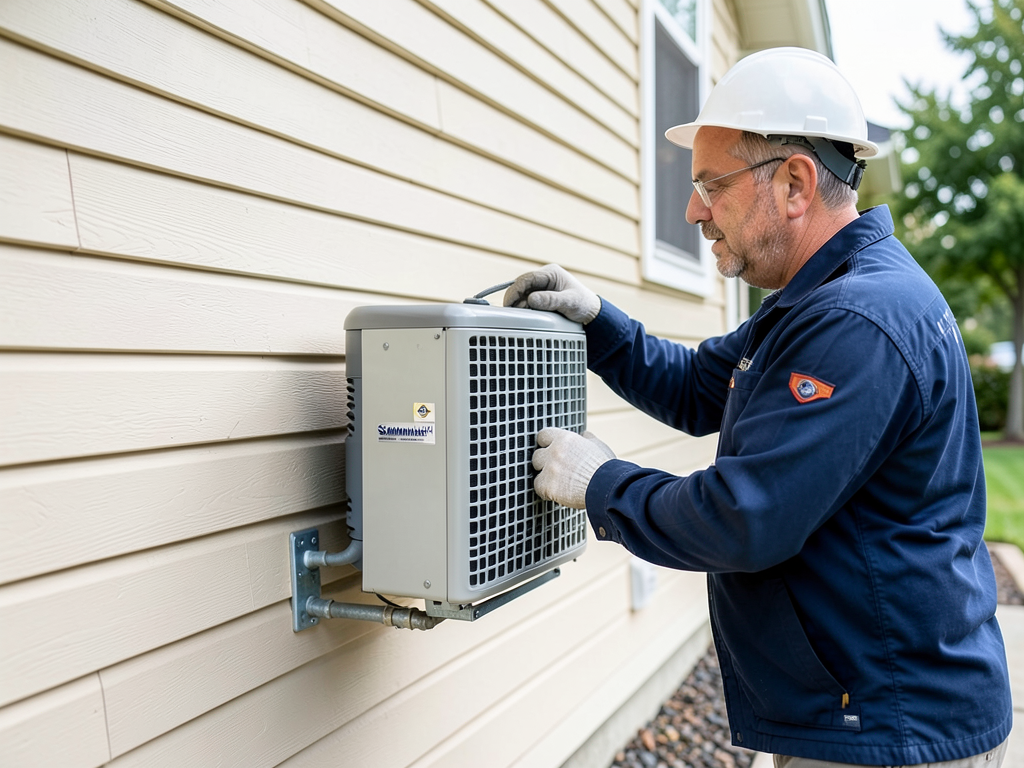
Comparing geothermal energy to traditional air source heat pumps for Sammamish homeowners
Choosing between geothermal and air source heat pumps in Sammamish means weighing upfront costs against long-term efficiency in our unique Pacific Northwest climate. Both systems move heat rather than generate it but operate in fundamentally different ways that affect performance, installation, and ongoing expenses.. Read more about The difference between SEER and SEER2 ratings for new North Beach air conditioners.
Geothermal systems tap into the earth’s stable underground temperature through buried loops while air source units exchange heat with the outside air. The choice impacts your energy bills, carbon footprint, and home comfort for decades to come.. Read more about Integrating your HVAC system with solar panels in the Rainier Valley.
Performance in the Sammamish climate
Sammamish’s marine climate creates specific challenges for heating systems. Our winters hover between 35-50 degrees Fahrenheit with high humidity and consistent rainfall. These conditions directly impact heat pump efficiency.
Air source heat pumps extract heat from outdoor air. As temperatures drop toward freezing, the unit must work harder to find usable heat energy. The system’s coefficient of performance (COP) decreases significantly below 40 degrees. Most modern units include defrost cycles that temporarily reverse operation to melt ice buildup on the outdoor coil. This process reduces heating output and increases energy consumption during the coldest months.. Read more about Understanding water source heat pumps in Belltown high rise condos.
Geothermal systems maintain consistent performance regardless of outdoor temperature. The ground temperature at six feet deep stays between 45-55 degrees year-round in King County. This stability means geothermal units operate at a constant COP of 3.5 to 5.0 throughout winter. The system never needs defrost cycles or supplemental heating in our climate. Why your Ballard home needs professional furnace repair before the first freeze.
Performance comparison in Sammamish winters:
| Temperature Range | Air Source COP | Geothermal COP |
|---|---|---|
| 50-60°F | 3.5-4.0 | 4.0-5.0 |
| 40-50°F | 2.8-3.5 | 4.0-5.0 |
| 30-40°F | 2.0-2.8 | 4.0-5.0 |
| Below 30°F | 1.5-2.0 | 4.0-5.0 |
During Sammamish’s occasional cold snaps when temperatures drop into the twenties, air source units may struggle to maintain indoor comfort without supplemental electric resistance heating. Geothermal systems continue operating at full efficiency.
Installation costs and local rebates
Air source heat pumps cost between $5,000 and $12,000 installed in the Sammamish area. The price varies based on system size, brand, and installation complexity. Most homes need a 2-5 ton unit depending on square footage and insulation levels.
Geothermal installations range from $20,000 to $45,000. The wide price range reflects different loop configurations and property characteristics. Vertical loop systems require drilling 200-500 feet deep and cost more than horizontal loops that need more surface area.
Local utility rebates significantly impact the financial equation. Seattle City Light offers $1,500 for air source heat pump installations and $2,000 for geothermal systems. Puget Sound Energy provides $1,000 for air source units and $2,500 for geothermal. Seattle City Light heat pump rebates.
The federal Inflation Reduction Act provides a 30% tax credit on geothermal installation costs through 2032. Air source units qualify for a 30% credit up to $2,000. These credits apply to equipment, labor, and associated costs like electrical upgrades.
Net cost comparison after rebates and tax credits:
| System Type | Average Installed Cost | Seattle City Light Rebate | PSE Rebate | Federal Tax Credit | Net Cost |
|---|---|---|---|---|---|
| Air Source | $8,500 | $1,500 | $1,000 | $2,400 | $3,600 |
| Geothermal | $30,000 | $2,000 | $2,500 | $9,000 | $16,500 |
Washington State Energy Code requires all new heating equipment to meet minimum efficiency standards. Both system types exceed these requirements when properly sized and installed.
Space and drilling requirements
Air source heat pumps need minimal outdoor space. The condenser unit measures approximately 30×30 inches and requires 24-36 inches of clearance on all sides for proper airflow. Indoor equipment includes an air handler or furnace and typically fits in existing utility spaces. Who to call for 24 hour emergency furnace repair in West Seattle.
Geothermal systems demand significant property assessment. Horizontal loops require 400-600 feet of trenching per ton of capacity. A typical 4-ton system needs 1,600-2,400 square feet of open land. The trenches run 6-8 feet deep and can disrupt landscaping, sprinkler systems, and underground utilities.
Vertical loop systems solve space constraints through deep drilling. Each borehole handles 1-2 tons of capacity and requires 200-500 feet of depth. A 4-ton system needs 2-4 boreholes spaced 15-20 feet apart. Drilling through Sammamish’s glacial till and varying soil conditions affects installation time and cost.
Property suitability factors:
- Available land area for horizontal loops
- Soil composition and drilling accessibility
- Proximity to existing utilities
- Local permitting requirements
Most Sammamish properties under half an acre lack sufficient open space for horizontal loops. The area’s glacial till geology creates variable drilling conditions that can increase vertical loop installation costs by 15-30%.
Maintenance requirements and longevity
Air source heat pumps need annual maintenance including coil cleaning, refrigerant level checks, and electrical connection inspections. The outdoor unit’s exposure to elements accelerates wear. Sammamish’s marine climate promotes corrosion and biological growth on coils and fins. Preventative HVAC maintenance plans that actually save money for Redmond families.
Geothermal systems require minimal maintenance once installed. The underground loops last 50+ years with no maintenance. The heat pump unit itself needs similar annual service to air source systems but experiences less environmental stress. Weekend HVAC Service.
Air source units typically last 12-15 years in our climate. The combination of moisture, temperature cycling, and salt air from Puget Sound reduces lifespan compared to drier regions. Replacement involves removing the entire outdoor unit.
Geothermal heat pumps last 20-25 years. When replacement becomes necessary, the underground infrastructure remains functional. Only the above-ground heat pump unit needs replacement, reducing long-term costs.
Maintenance comparison:
| Maintenance Task | Air Source Frequency | Geothermal Frequency |
|---|---|---|
| Filter replacement | Every 3 months | Every 6 months |
| Coil cleaning | Annually | Every 2-3 years |
| Refrigerant check | Annually | Every 2-3 years |
| Electrical inspection | Annually | Every 2-3 years |
Seattle City Light and PSE both offer maintenance rebates for heat pump systems. Annual tune-ups improve efficiency by 5-15% and prevent costly breakdowns.
Noise levels and property considerations
Air source heat pumps generate 50-70 decibels during operation. The noise comes from the compressor and fan. Modern variable-speed units operate more quietly but still produce noticeable sound during high-demand periods.
Seattle Municipal Code Section 25.08.410 limits noise from mechanical equipment to 45 decibels at property lines between 7 AM and 10 PM. Violations can result in fines up to $500 per day. Many Sammamish neighborhoods have stricter HOA restrictions.
Geothermal systems operate at 40-50 decibels since the noisy compressor remains indoors. The underground loops produce no sound. This makes geothermal ideal for properties near property lines or in noise-sensitive areas.
Installation permits require noise compliance verification. Air source units may need sound barriers or strategic placement to meet code requirements. Vertical loop drilling requires additional permits from King County and can take 2-4 weeks to process.
Noise level comparison:
| System Component | Air Source Decibels | Geothermal Decibels |
|---|---|---|
| Outdoor unit | 50-70 | N/A |
| Indoor unit | 35-45 | 35-45 |
| Ground loops | N/A | Silent |
Environmental impact and energy savings
Both systems reduce carbon emissions compared to natural gas furnaces. Air source heat pumps cut emissions by 30-50% in our region where electricity comes primarily from hydroelectric and wind sources. Geothermal reduces emissions by 70-80%.
Energy consumption varies significantly between system types. A typical Sammamish home uses 18,000-24,000 kWh annually for heating and cooling. Air source heat pumps consume 8,000-12,000 kWh for the same service. Geothermal systems use 4,000-6,000 kWh.
Washington’s electricity rates average $0.10 per kWh. This translates to annual heating costs of $800-1,200 for air source versus $400-600 for geothermal. Over a 15-year period, geothermal saves $4,500-6,000 in energy costs.
Geothermal systems qualify as renewable energy under Washington State law. This status provides additional incentives and may increase property values. Some lenders offer green energy mortgages with better terms for geothermal installations.
Annual operating cost comparison:
| System Type | Annual kWh Usage | Cost per kWh | Annual Operating Cost |
|---|---|---|---|
| Air Source | 10,000 | $0.10 | $1,000 |
| Geothermal | 5,000 | $0.10 | $500 |
The verdict for Sammamish homeowners
Air source heat pumps work best for most Sammamish homes. The lower upfront cost, easier installation, and adequate performance for our mild winters make them the practical choice for properties under one acre. Modern variable-speed units provide excellent efficiency and comfort.
Geothermal becomes cost-effective for larger properties with sufficient land for horizontal loops or those planning to stay in their home for 15+ years. The system’s superior efficiency, quiet operation, and environmental benefits justify the higher initial investment for the right property.
Consider these factors when making your decision:
- Property size and layout
- Planned length of home ownership
- Noise sensitivity and property line proximity
- Environmental priorities
- Available upfront capital
Both systems qualify for Washington State’s Clean Energy Transformation Act incentives. The choice ultimately depends on your specific property characteristics and long-term goals.
Ready to upgrade your heating system? Call (564) 220-5899 today to schedule a free consultation. Our NATE-certified technicians will evaluate your property and provide a detailed analysis of which system best fits your needs and budget.
Frequently Asked Questions
How long does it take to install a geothermal system in Sammamish?
Installation typically requires 3-5 days for the heat pump unit and 2-4 weeks for ground loop installation including permitting. Weather conditions and soil composition can extend timelines. Vertical loop drilling may require additional days if rock is encountered.
Can I install an air source heat pump myself to save money?
Washington State requires licensed HVAC contractors for heat pump installations. DIY installation voids warranties and may violate building codes. Improper installation reduces efficiency by 20-30% and creates safety hazards. Professional installation ensures code compliance and warranty protection.
What size heat pump do I need for a 2,000 square foot Sammamish home?
Most 2,000 square foot homes in Sammamish need a 3-4 ton heat pump. The exact size depends on insulation levels, window quality, and home orientation. A Manual J load calculation by a licensed contractor determines the precise requirement. Oversized units short cycle and reduce efficiency.
Do heat pumps work during power outages?
Standard heat pumps require electricity to operate. Neither air source nor geothermal systems function during outages without backup power. Consider a whole-house generator or dual-fuel system with a gas furnace for emergency heating. Some homeowners install battery backup systems for critical circuits.
How do I maintain my heat pump for maximum efficiency?
Change filters every 3 months, keep outdoor units clear of debris, and schedule annual professional maintenance. Clean coils improve efficiency by 5-15%. Check refrigerant levels annually and address any unusual noises promptly. Professional tune-ups include efficiency testing and optimization. For more information, visit U.S. Department of Energy heat pump guide.
{
“@context”: “https://schema.org”,
“@type”: “BlogPosting”,
“headline”: “Comparing geothermal energy to traditional air source heat pumps for Sammamish homeowners”,
“description”: “Discover how geothermal and air source heat pumps perform in Sammamish’s climate. Compare costs, efficiency, and local rebates to find the right system for your home.”,
“wordCount”: 1723,
“datePublished”: “2026-03-23T16:09:00.000Z”,
“dateModified”: “2026-03-23T16:09:00.000Z”,
“inLanguage”: “en-US”,
“mainEntityOfPage”: {
“@type”: “WebPage”,
“@id”: “https://peakhvacseattle.com”
},
“publisher”: {
“@type”: “LocalBusiness”,
“name”: “Peak HVAC Seattle”,
“url”: “https://peakhvacseattle.com”
},
“author”: {
“@type”: “Organization”,
“name”: “Peak HVAC Seattle”,
“url”: “https://peakhvacseattle.com”
},
“image”: {
“@type”: “ImageObject”,
“url”: “https://peakhvacseattle.com/wp-content/uploads/2026/03/comparing-geothermal-energy-to-traditional-air-sou-1.png”
}
}
{
“@context”: “https://schema.org”,
“@type”: “HVACBusiness”,
“name”: “Peak HVAC Seattle”,
“url”: “https://peakhvacseattle.com”,
“address”: {
“@type”: “PostalAddress”,
“addressLocality”: “Seattle”
},
“areaServed”: {
“@type”: “City”,
“name”: “Seattle”
}
}
{
“@context”: “https://schema.org”,
“@type”: “FAQPage”,
“mainEntity”: [
{
“@type”: “Question”,
“name”: “How long does it take to install a geothermal system in Sammamish?”,
“acceptedAnswer”: {
“@type”: “Answer”,
“text”: “Installation typically requires 3-5 days for the heat pump unit and 2-4 weeks for ground loop installation including permitting. Weather conditions and soil composition can extend timelines. Vertical loop drilling may require additional days if rock is encountered.”
}
},
{
“@type”: “Question”,
“name”: “Can I install an air source heat pump myself to save money?”,
“acceptedAnswer”: {
“@type”: “Answer”,
“text”: “Washington State requires licensed HVAC contractors for heat pump installations. DIY installation voids warranties and may violate building codes. Improper installation reduces efficiency by 20-30% and creates safety hazards. Professional installation ensures code compliance and warranty protection.”
}
},
{
“@type”: “Question”,
“name”: “What size heat pump do I need for a 2,000 square foot Sammamish home?”,
“acceptedAnswer”: {
“@type”: “Answer”,
“text”: “Most 2,000 square foot homes in Sammamish need a 3-4 ton heat pump. The exact size depends on insulation levels, window quality, and home orientation. A Manual J load calculation by a licensed contractor determines the precise requirement. Oversized units short cycle and reduce efficiency.”
}
},
{
“@type”: “Question”,
“name”: “Do heat pumps work during power outages?”,
“acceptedAnswer”: {
“@type”: “Answer”,
“text”: “Standard heat pumps require electricity to operate. Neither air source nor geothermal systems function during outages without backup power. Consider a whole-house generator or dual-fuel system with a gas furnace for emergency heating. Some homeowners install battery backup systems for critical circuits.”
}
},
{
“@type”: “Question”,
“name”: “How do I maintain my heat pump for maximum efficiency?”,
“acceptedAnswer”: {
“@type”: “Answer”,
“text”: “Change filters every 3 months, keep outdoor units clear of debris, and schedule annual professional maintenance. Clean coils improve efficiency by 5-15%. Check refrigerant levels annually and address any unusual noises promptly. Professional tune-ups include efficiency testing and optimization. For more information, visit U.S. Department of Energy heat pump guide.”
}
}
]
}
{
“@context”: “https://schema.org”,
“@type”: “BreadcrumbList”,
“itemListElement”: [
{
“@type”: “ListItem”,
“position”: 1,
“name”: “Home”,
“item”: “https://peakhvacseattle.com”
},
{
“@type”: “ListItem”,
“position”: 2,
“name”: “Blog”,
“item”: “https://peakhvacseattle.com/blog”
},
{
“@type”: “ListItem”,
“position”: 3,
“name”: “Comparing geothermal energy to traditional air source heat pumps for Sammamish homeowners”
}
]
}
{
“@context”: “https://schema.org”,
“@type”: “Service”,
“serviceType”: “HVAC”,
“provider”: {
“@type”: “LocalBusiness”,
“name”: “Peak HVAC Seattle”,
“url”: “https://peakhvacseattle.com”
},
“areaServed”: {
“@type”: “City”,
“name”: “Seattle”
},
“description”: “Discover how geothermal and air source heat pumps perform in Sammamish’s climate. Compare costs, efficiency, and local rebates to find the right system for your home.”
}