
How to fix the uneven temperatures between floors in your three story Madrona house
Living in a three-story home in Madrona means enjoying beautiful views and spacious living, but it also often means dealing with a frustrating problem: uneven temperatures between floors. Hot upstairs bedrooms in summer and cold lower levels in winter are common complaints that drive up energy bills and reduce comfort. The good news is that modern HVAC zoning technology can solve these issues by creating independent temperature zones throughout your home. This guide explains how to diagnose your temperature problems and implement effective solutions tailored to Madrona’s unique climate and housing stock.. Read more about Lowering your high winter heating bills in Burien with a professional energy assessment.
Madrona’s older Craftsman and mid-century homes were built before central air conditioning became standard, and many have outdated duct systems that struggle to distribute air evenly across three levels. Add in Seattle’s mild but humid climate with occasional summer heat domes, and you have a perfect recipe for temperature stratification. The key is understanding that your HVAC system needs to work differently on each floor based on sun exposure, usage patterns, and Seattle’s seasonal temperature swings. Why your Ballard home needs professional furnace repair before the first freeze.
Understanding why your three-story Madrona home has uneven temperatures
Before jumping to solutions, it helps to understand what’s actually happening in your home. Heat naturally rises, so upper floors tend to be warmer than lower ones. In Madrona’s older homes, this effect is amplified by several factors specific to our neighborhood.
First, many Madrona homes have original ductwork that wasn’t designed for modern cooling needs. The ducts may be too small, have too many bends, or lack proper insulation. Second, Seattle’s high humidity means your air conditioner works harder to remove moisture, and if your system isn’t sized correctly, it can’t keep up. Third, Madrona’s tree-lined streets create beautiful shade but also block airflow and complicate outdoor unit placement.. Read more about Connecting your Kenmore home HVAC system to a smart home hub for better efficiency.
Common symptoms include upstairs bedrooms that stay 5-10 degrees warmer than downstairs living areas, second-floor bathrooms that never seem to get warm in winter, and third-floor offices that become unusable during summer afternoons. You might also notice your HVAC system running constantly but never achieving consistent comfort throughout the house.. Read more about Designing a quiet home office with the right heating and cooling in Pinehurst.
Diagnosing your temperature problems: the screwdriver test
Before investing in new equipment, perform a simple diagnostic test. On a day when your system has been running for at least 30 minutes, use a basic thermometer to check temperatures at different locations throughout your home. Check each bedroom, living area, and especially problem spots you’ve noticed.
Also check your air vents. Hold a tissue or light piece of paper near each supply vent. If the paper doesn’t move or barely flutters, you have low airflow. This could indicate dirty filters, blocked ducts, or a failing blower motor. Listen for unusual sounds too – rattling could mean loose ductwork, while whistling might indicate air leaks.. Read more about Why a variable speed blower motor is worth the extra cost for Wedgwood families.
Check your thermostat placement. If it’s in a hallway or near a window, it might not accurately represent temperatures in other parts of your home. This is especially problematic in three-story homes where different floors have vastly different conditions.
Three proven solutions for three-story Madrona homes
Based on our experience with Madrona’s specific housing stock, here are three approaches that consistently solve temperature problems:
1. HVAC zoning systems with automatic dampers
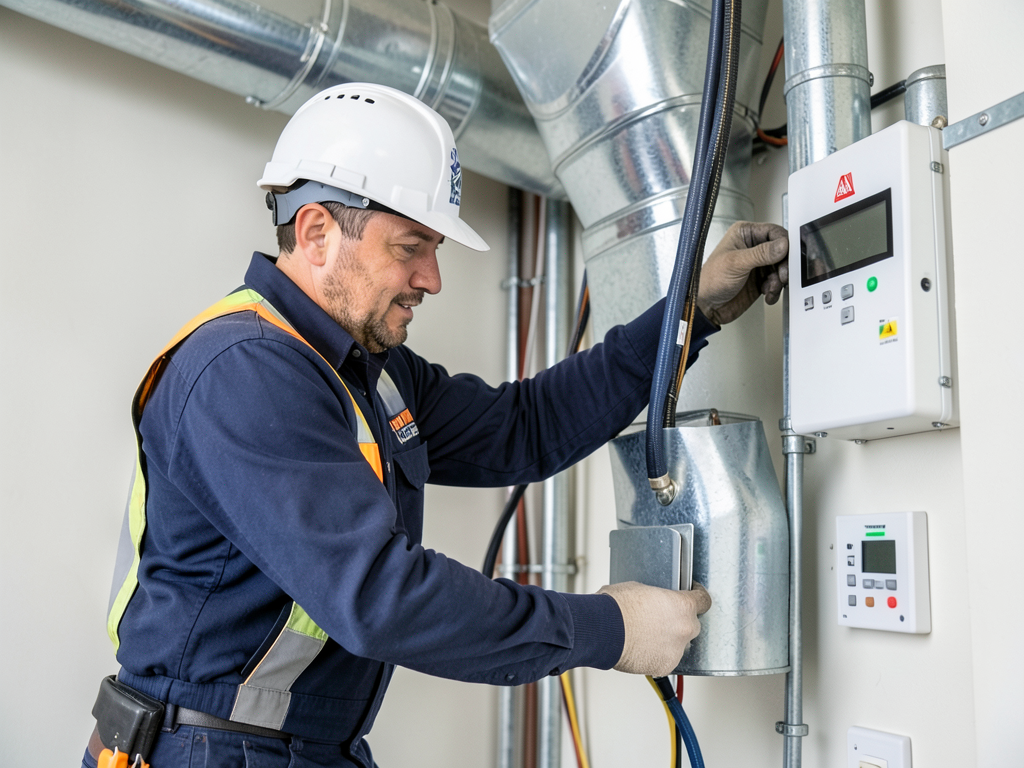
Zoning is often the most cost-effective solution for existing three-story homes. A zoning system installs motorized dampers in your ductwork that open and close to direct conditioned air where it’s needed. Each floor gets its own thermostat and temperature control.
The system works by installing a zone control panel that communicates with your existing HVAC equipment and the individual thermostats. When the upstairs thermostat calls for cooling but the downstairs doesn’t, the dampers to the upper floor open while those to the lower floor close. A bypass damper prevents pressure buildup in the ducts.
For Madrona homes, we typically recommend a three-zone setup: basement/lower level, main floor, and upper floor. This configuration accounts for the different usage patterns and sun exposure each level experiences. The zone control panel can even integrate with smart thermostats for remote control and energy monitoring.
According to the Washington State Energy Code (WSEC) Section 1301.2, properly designed zoning systems can improve HVAC efficiency by 30% or more by eliminating unnecessary heating and cooling of unoccupied spaces.
2. Multi-zone ductless mini-split systems
If your ductwork is beyond repair or you want the most precise temperature control, ductless mini-splits offer an excellent solution. These systems use individual air handlers in each zone, eliminating the need for ducts entirely. EPA ENERGY STAR program resources.
For a three-story Madrona home, you might install one outdoor condenser serving three indoor units – one for each floor. Each indoor unit operates independently, so you can cool the upstairs while heating the downstairs if needed. This is particularly useful in Seattle’s mild climate where you might need both heating and cooling on the same day.
The Mitsubishi Electric Zoned Comfort Solutions line is specifically designed for multi-story homes and offers features like Hyper-Heating INVERTER technology that maintains performance even when outdoor temperatures drop below freezing – important for those occasional Seattle cold snaps.
Ductless systems also solve the indoor air quality issues common in older Madrona homes. Without ducts to collect dust and mold, your air stays cleaner, which is crucial given Seattle’s high humidity levels that can promote duct mold growth.
3. Smart thermostat with remote sensors
For homeowners who want a simpler solution or have budget constraints, smart thermostats with remote sensors can significantly improve comfort. These systems use wireless temperature sensors placed in different rooms to get a more accurate picture of your home’s conditions.. Read more about Why Kirkland homeowners are choosing ductless mini-splits over central air.
The Nest Learning Thermostat with remote sensors or the ecobee SmartThermostat can average temperatures from multiple locations, preventing your system from overheating or overcooling based on a single thermostat’s reading. Some models can even learn your schedule and adjust temperatures automatically based on which rooms you use most.
While this won’t solve severe temperature imbalances, it’s an excellent first step that can be combined with other solutions later. Plus, many Seattle City Light and Puget Sound Energy rebate programs offer incentives for smart thermostat installations, making this an affordable way to start improving your home’s comfort.
Cost-benefit analysis: zoning vs. replacement
Many Madrona homeowners wonder whether to invest in zoning their existing system or replace it entirely. Here’s what we typically see in our market:
| Solution Type | Initial Cost Range | Energy Savings Potential | Best For |
|---|---|---|---|
| Zoning Retrofit | $3,500 – $6,000 | 25-30% | Well-maintained existing systems |
| Multi-zone Mini-split | $8,000 – $15,000 | 30-40% | Homes with poor ductwork |
| Smart Thermostat Only | $200 – $400 | 10-15% | Minor temperature variations |
| Complete System Replacement | $12,000 – $25,000 | 35-45% | Aged systems (15+ years) |
The right choice depends on your current system’s age, condition, and your long-term plans for the home. If your HVAC system is less than 10 years old and well-maintained, zoning is usually the most cost-effective option. If it’s older or has had multiple repairs, replacement might make more sense.
Don’t forget to factor in available rebates. Seattle City Light offers rebates up to $1,200 for high-efficiency HVAC equipment, and Puget Sound Energy provides additional incentives for heat pumps and smart thermostats. These can significantly reduce your upfront costs.
Installation process: what to expect
Whether you choose zoning or a new system, here’s what the installation process typically involves:
- Initial Assessment
A certified HVAC technician evaluates your current system, conducts a Manual J load calculation, and assesses your home’s layout. This takes 1-2 hours and includes checking ductwork, insulation, and electrical capacity.
- Permit Acquisition
For zoning systems or major equipment changes, we pull permits through King County’s building department. This ensures your installation meets all local codes and maintains your home’s value.
- Equipment Installation
Most zoning installations take 1-2 days. For ductless systems, installation is typically completed in one day. We protect your floors, minimize noise, and clean up thoroughly after completion.
- System Testing and Calibration
We test each zone independently, verify airflow, and calibrate thermostats. This includes checking static pressure, verifying damper operation, and ensuring proper communication between all system components.
- Homeowner Training
We show you how to use your new system, explain maintenance requirements, and provide warranty information. Most homeowners are comfortable with their new system within 30 minutes of training. Preventative HVAC maintenance plans that actually save money for Redmond families.
During installation, you might notice some temporary disruption – dust from cutting into ducts, noise from drilling, and occasional power interruptions. However, professional installers use drop cloths, dust barriers, and work efficiently to minimize inconvenience.
Maintaining your zoned HVAC system
Once your system is installed, proper maintenance ensures it continues to perform efficiently. Here are the key maintenance tasks:. Read more about Specialized maintenance requirements for luxury HVAC brands found in Broadmoor estates.
- Monthly filter changes – Dirty filters reduce airflow and strain your system. In Madrona’s tree-lined neighborhoods, you might need to change filters more frequently due to pollen and debris.
- Annual professional tune-up – A technician should check refrigerant levels, test electrical components, clean coils, and verify damper operation. This prevents small issues from becoming major problems.
- Zone damper inspection – Every few years, have the motorized dampers checked for proper operation. These are moving parts that can wear out over time.
- Thermostat battery replacement – If your system loses power during a storm, battery backup thermostats ensure your system resumes normal operation when power returns.
Seattle’s climate creates specific maintenance challenges. Our high humidity means coils can develop mold more quickly than in drier climates. The damp conditions also mean outdoor units may need more frequent cleaning to prevent corrosion. Additionally, Madrona’s mature trees drop leaves that can block outdoor unit airflow if not cleared regularly. Commercial Duct Cleaning.
Energy efficiency and environmental impact
Beyond comfort, proper HVAC zoning has significant environmental benefits. According to the EPA’s ENERGY STAR program, heating and cooling account for nearly half of the average home’s energy use. By only conditioning spaces when needed, zoning can reduce your carbon footprint while saving money. The best air conditioning options for bungalows and cottages around Green Lake.
In Madrona, where many homes are historic or in historic districts, zoning offers an energy-efficient solution that doesn’t require major structural changes. You can maintain your home’s character while dramatically improving its performance. Keeping your historic Queen Anne home cool with ductless AC options.
Modern zoning systems also integrate with renewable energy sources. If you’re considering solar panels, a zoned system can maximize your solar investment by directing conditioned air only where needed, reducing overall consumption.
The Puget Sound Clean Air Agency recommends high-efficiency HVAC systems as part of their clean air initiatives, and many zoned systems qualify for their endorsement programs.
Special considerations for Madrona’s architecture
Madrona’s housing stock presents unique challenges and opportunities for HVAC zoning. Many homes were built between 1900 and 1950, featuring balloon framing, lathe and plaster walls, and original wood windows. These construction methods affect how we approach zoning installations.
For Craftsman bungalows, we often find that the main floor has high ceilings and large windows, while upper floors have lower ceilings and smaller windows. This means the upper floors heat up faster but also cool down more quickly. Our zoning designs account for these architectural differences.
Madrona’s hillside location means many homes have walk-out basements or multiple levels with different exposures. A home facing south on one side and north on another will have vastly different heating and cooling needs throughout the day. Our zone designs map to these natural variations.
The neighborhood’s mature tree canopy, while beautiful, can block satellite signals needed for some smart thermostat features. We often recommend wired connections or signal boosters to ensure reliable operation.
Real results from Madrona homes
We’ve helped dozens of Madrona homeowners solve their temperature problems. One three-story Craftsman on 36th Avenue had upstairs bedrooms that stayed 8 degrees warmer than the main floor. After installing a three-zone system, the homeowner reported consistent temperatures throughout the house and a 28% reduction in summer cooling costs.
Another home on Madrona Drive had a walk-out basement that was always cold in winter. By creating a separate zone for the lower level with a dedicated thermostat, we enabled the homeowners to keep that space comfortable without overheating the rest of the house.
These aren’t isolated cases. Most Madrona homeowners see payback on their zoning investment within 3-5 years through energy savings and improved comfort.
Getting started with your zoning project
The first step is a professional assessment. A qualified HVAC contractor will evaluate your current system, discuss your comfort issues, and recommend solutions tailored to your home and budget.
Look for contractors with specific experience in multi-story Seattle homes. Ask about their familiarity with Madrona’s housing stock, their licensing through the Washington State Department of Labor & Industries, and their experience with local permitting requirements.
Be wary of contractors who recommend the same solution for every home. Your three-story Madrona house has unique characteristics that require a customized approach.
Ready to stop fighting with your thermostat? Call (564) 220-5899 today to schedule your free assessment. We’ll evaluate your home’s specific needs and show you exactly how zoning can solve your temperature problems. Don’t spend another summer with hot upstairs bedrooms or another winter with cold lower levels – your comfort solution is just a phone call away.
Frequently Asked Questions
How long does HVAC zoning installation take?
Most zoning installations in Madrona homes take 1-2 days. The exact timeline depends on your home’s complexity and whether any unexpected issues arise during installation. We’ll provide a detailed schedule before starting work.
Will zoning damage my historic home’s walls or ceilings?
Professional installers use minimally invasive techniques. For zoning, we typically access existing ductwork through utility closets or unfinished spaces. In historic homes, we take extra care to preserve original finishes and can match existing textures when repairs are needed.
Can I install zoning myself or use a handyman?
HVAC zoning involves electrical work, refrigerant handling, and complex control systems that require professional licensing in Washington State. DIY installations can void warranties, create safety hazards, and fail to meet local building codes. Always use a licensed HVAC contractor.
What rebates are available for HVAC zoning in Seattle?
Seattle City Light offers rebates up to $1,200 for high-efficiency HVAC equipment, including zoned systems. Puget Sound Energy provides additional incentives for heat pumps and smart thermostats. Many zoning systems also qualify for federal tax credits. We handle all rebate paperwork for our customers. For more information, visit U.S. Department of Energy cooling systems guide.
You may also find this helpful. The hidden reason your Seward Park house has cold spots (Hint – It is your thermostat placement).
{
“@context”: “https://schema.org”,
“@type”: “BlogPosting”,
“headline”: “How to fix the uneven temperatures between floors in your three story Madrona house”,
“description”: “Struggling with hot upstairs and cold downstairs in your Madrona three-story home? Learn how zoning systems and smart thermostats can fix uneven temperatures and improve comfort.”,
“wordCount”: 2420,
“datePublished”: “2026-03-09T16:26:00.000Z”,
“dateModified”: “2026-03-09T16:26:00.000Z”,
“inLanguage”: “en-US”,
“mainEntityOfPage”: {
“@type”: “WebPage”,
“@id”: “https://peakhvacseattle.com”
},
“publisher”: {
“@type”: “LocalBusiness”,
“name”: “Peak HVAC Seattle”,
“url”: “https://peakhvacseattle.com”
},
“author”: {
“@type”: “Organization”,
“name”: “Peak HVAC Seattle”,
“url”: “https://peakhvacseattle.com”
},
“image”: {
“@type”: “ImageObject”,
“url”: “https://peakhvacseattle.com/wp-content/uploads/2026/03/how-to-fix-the-uneven-temperatures-between-floors-1.png”
}
}
{
“@context”: “https://schema.org”,
“@type”: “HVACBusiness”,
“name”: “Peak HVAC Seattle”,
“url”: “https://peakhvacseattle.com”,
“address”: {
“@type”: “PostalAddress”,
“addressLocality”: “Seattle”
},
“areaServed”: {
“@type”: “City”,
“name”: “Seattle”
}
}
{
“@context”: “https://schema.org”,
“@type”: “FAQPage”,
“mainEntity”: [
{
“@type”: “Question”,
“name”: “How long does HVAC zoning installation take?”,
“acceptedAnswer”: {
“@type”: “Answer”,
“text”: “Most zoning installations in Madrona homes take 1-2 days. The exact timeline depends on your home’s complexity and whether any unexpected issues arise during installation. We’ll provide a detailed schedule before starting work.”
}
},
{
“@type”: “Question”,
“name”: “Will zoning damage my historic home’s walls or ceilings?”,
“acceptedAnswer”: {
“@type”: “Answer”,
“text”: “Professional installers use minimally invasive techniques. For zoning, we typically access existing ductwork through utility closets or unfinished spaces. In historic homes, we take extra care to preserve original finishes and can match existing textures when repairs are needed.”
}
},
{
“@type”: “Question”,
“name”: “Can I install zoning myself or use a handyman?”,
“acceptedAnswer”: {
“@type”: “Answer”,
“text”: “HVAC zoning involves electrical work, refrigerant handling, and complex control systems that require professional licensing in Washington State. DIY installations can void warranties, create safety hazards, and fail to meet local building codes. Always use a licensed HVAC contractor.”
}
},
{
“@type”: “Question”,
“name”: “What rebates are available for HVAC zoning in Seattle?”,
“acceptedAnswer”: {
“@type”: “Answer”,
“text”: “Seattle City Light offers rebates up to $1,200 for high-efficiency HVAC equipment, including zoned systems. Puget Sound Energy provides additional incentives for heat pumps and smart thermostats. Many zoning systems also qualify for federal tax credits. We handle all rebate paperwork for our customers. For more information, visit U.S. Department of Energy cooling systems guide.”
}
}
]
}
{
“@context”: “https://schema.org”,
“@type”: “HowTo”,
“name”: “HVAC Zoning Installation Process”,
“step”: [
{
“@type”: “HowToStep”,
“position”: 1,
“name”: “Initial Assessment”,
“text”: “A certified HVAC technician evaluates your current system, conducts a Manual J load calculation, and assesses your home’s layout. This takes 1-2 hours and includes checking ductwork, insulation, and electrical capacity.”
},
{
“@type”: “HowToStep”,
“position”: 2,
“name”: “Permit Acquisition”,
“text”: “For zoning systems or major equipment changes, we pull permits through King County’s building department. This ensures your installation meets all local codes and maintains your home’s value.”
},
{
“@type”: “HowToStep”,
“position”: 3,
“name”: “Equipment Installation”,
“text”: “Most zoning installations take 1-2 days. For ductless systems, installation is typically completed in one day. We protect your floors, minimize noise, and clean up thoroughly after completion.”
},
{
“@type”: “HowToStep”,
“position”: 4,
“name”: “System Testing and Calibration”,
“text”: “We test each zone independently, verify airflow, and calibrate thermostats. This includes checking static pressure, verifying damper operation, and ensuring proper communication between all system components.”
},
{
“@type”: “HowToStep”,
“position”: 5,
“name”: “Homeowner Training”,
“text”: “We show you how to use your new system, explain maintenance requirements, and provide warranty information. Most homeowners are comfortable with their new system within 30 minutes of training. Preventative HVAC maintenance plans that actually save money for Redmond families.”
}
],
“image”: “https://peakhvacseattle.com/wp-content/uploads/2026/03/how-to-fix-the-uneven-temperatures-between-floors-1.png”
}
{
“@context”: “https://schema.org”,
“@type”: “BreadcrumbList”,
“itemListElement”: [
{
“@type”: “ListItem”,
“position”: 1,
“name”: “Home”,
“item”: “https://peakhvacseattle.com”
},
{
“@type”: “ListItem”,
“position”: 2,
“name”: “Blog”,
“item”: “https://peakhvacseattle.com/blog”
},
{
“@type”: “ListItem”,
“position”: 3,
“name”: “How to fix the uneven temperatures between floors in your three story Madrona house”
}
]
}
{
“@context”: “https://schema.org”,
“@type”: “Service”,
“serviceType”: “HVAC”,
“provider”: {
“@type”: “LocalBusiness”,
“name”: “Peak HVAC Seattle”,
“url”: “https://peakhvacseattle.com”
},
“areaServed”: {
“@type”: “City”,
“name”: “Seattle”
},
“description”: “Struggling with hot upstairs and cold downstairs in your Madrona three-story home? Learn how zoning systems and smart thermostats can fix uneven temperatures and improve comfort.”
}