
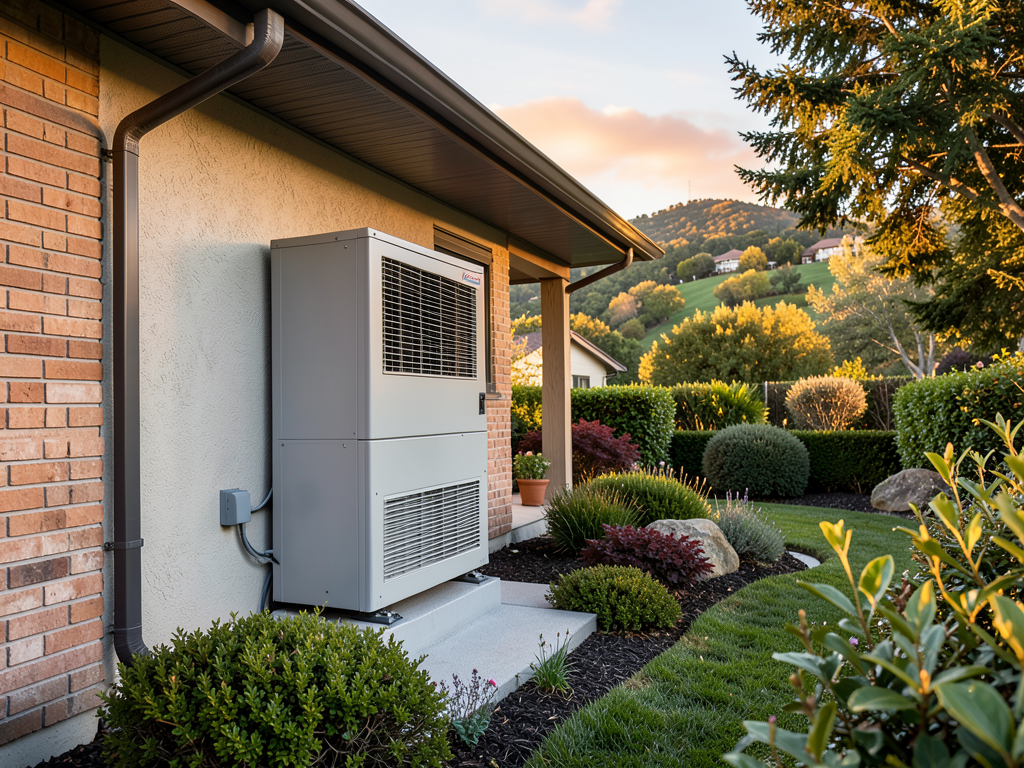
Where to place your outdoor AC unit without ruining your Sunset Hill view
Living in Sunset Hill means enjoying panoramic views of Puget Sound and the Olympic Mountains. But when it comes to installing an air conditioning system, the outdoor condenser unit can become an eyesore that blocks your prized sightlines. The good news is that with proper planning and expert placement, you can have efficient cooling without sacrificing your view. The best air conditioning options for bungalows and cottages around Green Lake.
AC unit placement in Seattle requires balancing several factors: local building codes, noise ordinances, energy efficiency, and of course, aesthetics. The Sunset Hill neighborhood presents unique challenges with its hillside lots, mature landscaping, and strict property line considerations. A poorly placed unit can not only ruin your view but also lead to neighbor complaints, code violations, and reduced system performance. Seattle Department of Construction and Inspections.
The key to successful AC installation in Sunset Hill is understanding both the technical requirements and the visual impact. Modern heat pump systems offer quieter operation and more compact designs than older units, making them ideal for view-conscious homeowners. Strategic placement on the side or rear of your home, combined with landscaping screens or custom enclosures, can keep your unit out of sight while maintaining optimal performance.. Read more about Protecting your Alki Beach HVAC system from salt air corrosion and rust.
Before you decide where to place your outdoor AC unit, you need to consider Seattle’s specific regulations. The Seattle Department of Construction and Inspections (SDCI) requires minimum setbacks from property lines and structures. Additionally, Seattle Municipal Code Section 25.08.430 sets strict noise limits for residential areas, typically 55 decibels during daytime hours and 50 decibels at night. These aren’t just guidelines—they’re enforceable requirements that can result in fines or mandatory relocation if violated. Seattle Municipal Code Section 25.08.
Efficiency also plays a crucial role in placement decisions. In Sunset Hill’s microclimate, units placed on the north or east side of your home tend to perform better because they receive less direct sunlight. This reduces the workload on your system and can lower your energy bills by 10-15% annually. However, you’ll need to ensure adequate clearance for airflow—at least 24 inches from walls and 36 inches above the unit.
The good news is that professional HVAC contractors familiar with Sunset Hill properties can help you navigate these requirements. They understand the neighborhood’s unique characteristics, from the sloping terrain to the mature tree canopy that can affect both placement options and system efficiency. With the right expertise, you can achieve the perfect balance between comfort, compliance, and curb appeal.
Seattle codes and regulations for AC unit placement
Seattle’s building codes create specific requirements for outdoor HVAC equipment placement that every Sunset Hill homeowner must follow. The Seattle Residential Code, based on the International Residential Code with local amendments, sets minimum clearances that protect both your property and your neighbors’ rights.. Read more about Protecting your outdoor HVAC unit from theft and damage in Dunlap.
According to SDCI regulations, outdoor AC units must maintain at least 3 feet of clearance from any property line. This setback increases to 5 feet if the unit is within 10 feet of a neighbor’s window or outdoor living space. In Sunset Hill’s narrow lots, these requirements can significantly limit your placement options. The code also mandates that units cannot obstruct any required egress windows or doors.. Read more about How to hide your outdoor AC unit with landscaping in Olympic View without breaking it.
Noise regulations present another critical consideration. Seattle Municipal Code 25.08.430 establishes maximum sound levels for residential zones. For Sunset Hill, which falls under single-family residential classification, your AC unit cannot exceed 55 dBA during daytime hours (7 AM to 10 PM) or 50 dBA at night. Modern high-efficiency units typically operate between 50-70 dBA, so placement becomes crucial for compliance.
Heat pumps, which serve as both heating and cooling systems, have additional requirements. The Seattle Energy Code mandates that outdoor units be installed with proper vibration isolation to prevent noise transmission through building structures. This is particularly important in Sunset Hill’s older homes, where wood-frame construction can amplify mechanical vibrations.
Condensate drainage also falls under local plumbing codes. Your AC unit must drain properly to prevent water damage to your foundation or your neighbor’s property. In Sunset Hill’s hilly terrain, this often means installing condensate pumps or creating underground drainage systems to direct water away from both properties.
Permitting is required for all new AC installations in Seattle. The permit process includes site plan review to ensure your proposed placement meets all setback, noise, and drainage requirements. Skipping permits can result in fines, forced removal, or complications when selling your home.
Professional installers familiar with Seattle codes can help you navigate these requirements. They’ll typically perform a site assessment that includes measuring property lines, checking for underground utilities, and evaluating sight lines from neighboring properties. This assessment ensures your installation meets all legal requirements while achieving your aesthetic goals.
Maximizing efficiency in Sunset Hill’s climate
Sunset Hill’s unique microclimate, influenced by its elevation and proximity to Puget Sound, creates specific challenges for AC efficiency. The neighborhood sits approximately 300 feet above sea level, which means it experiences slightly warmer temperatures than downtown Seattle during summer heat waves. Understanding these local conditions helps you place your unit for optimal performance.
Shade is your best friend when it comes to AC efficiency. Units placed in direct sunlight can lose 10-25% of their efficiency due to heat gain. In Sunset Hill, the ideal location is typically the north or east side of your home, where buildings naturally block the intense afternoon sun. If these locations aren’t possible due to property line restrictions, consider installing a shade structure or planting deciduous trees strategically.
Airflow is equally critical. Your outdoor unit needs unobstructed airflow to dissipate heat effectively. Avoid placing units near walls with zero clearance, under decks, or in corners where airflow becomes restricted. The general rule is 24 inches of clearance on all sides and 36 inches above the unit. In Sunset Hill’s mature neighborhoods, this can be challenging due to existing landscaping and property constraints. Why your Ballard home needs professional furnace repair before the first freeze.
Wind patterns in Sunset Hill can affect both efficiency and noise levels. The neighborhood often experiences afternoon breezes coming off Puget Sound, which can help cool your unit naturally. However, these same breezes can carry unit noise toward neighboring properties. Professional installers use wind direction data to position units where natural airflow aids cooling without amplifying noise.
Elevation changes in Sunset Hill can actually benefit your installation. Units placed on slightly elevated pads drain better and stay cleaner than those at ground level. The neighborhood’s glacial till soil, a mix of clay, sand, and gravel left by retreating ice sheets, provides good drainage but can settle unevenly over time. This means your installation pad needs proper preparation to prevent future settling that could damage your unit.
Humidity levels in Sunset Hill typically run 70-80% during summer months, higher than many other Seattle neighborhoods due to the proximity to water. This high humidity means your AC will work harder to remove moisture from the air. Proper placement that allows for good airflow around the unit becomes even more critical in these conditions.
Heat pump systems offer particular advantages in Sunset Hill’s climate. These units can provide both heating and cooling, making them ideal for Seattle’s mild but unpredictable weather. Modern heat pumps maintain efficiency even in temperatures as low as 20°F, which means they can handle Sunset Hill’s occasional winter cold snaps while providing summer cooling.
Regular maintenance also impacts efficiency. Units placed near deciduous trees will accumulate leaves and debris, especially during fall months. Easy access for cleaning and filter changes should factor into your placement decision. A unit that’s difficult to maintain will gradually lose efficiency as dirt and debris accumulate. Preventative HVAC maintenance plans that actually save money for Redmond families.
Noise reduction strategies for residential areas
Noise from outdoor AC units is often the primary concern for Sunset Hill homeowners, especially given the neighborhood’s quiet, residential character. Understanding how sound travels and implementing effective reduction strategies can help you maintain good relationships with neighbors while enjoying your cooling system.
Sound measurement is the first step in noise management. Modern AC units typically operate between 50-70 decibels, with high-efficiency models running quieter. For perspective, normal conversation is about 60 dB, while a vacuum cleaner runs around 70 dB. Seattle’s residential noise limit of 55 dB means you need to consider both the unit’s rating and how sound travels in your specific location.
Distance is your most effective noise reduction tool. Sound intensity decreases by approximately 6 dB for every doubling of distance from the source. This means placing your unit as far as possible from neighboring windows and outdoor living spaces can make a significant difference. In Sunset Hill’s narrow lots, creative placement becomes essential.
Barriers and enclosures can reduce noise by 5-15 dB when properly designed. Solid barriers work better than open structures because they block sound waves rather than just diffusing them. A masonry wall or solid wood fence can significantly reduce noise transmission. However, these barriers must be designed to allow proper airflow around your unit to prevent overheating.. Read more about How to design a climate-controlled wine cellar for your Medina estate.
Strategic landscaping serves both aesthetic and noise reduction purposes. Dense evergreen shrubs planted around your unit can reduce noise by 3-5 dB while hiding the equipment from view. The key is choosing plants that won’t restrict airflow or create maintenance problems. Arborvitae, for example, grows quickly and maintains density year-round, making it an excellent choice for noise screening.
Vibration isolation is critical for noise reduction. Modern AC units include rubber isolation mounts, but additional vibration dampening may be necessary, especially in older Sunset Hill homes with wood-frame construction. Anti-vibration pads placed under your unit’s concrete pad can reduce structure-borne noise that travels through your home’s foundation.
Sound blankets and compressor wraps can reduce noise by 2-5 dB. These products wrap around the compressor section of your unit, dampening operational noise. While the reduction might seem modest, it can be enough to bring a borderline unit into compliance with Seattle’s noise ordinances.
Operational timing can also help manage noise concerns. While you can’t control when your AC runs based on temperature needs, you can program your system to avoid cycling on and off frequently, which creates more noise than steady operation. Modern smart thermostats can optimize run times to minimize disturbance during sensitive hours.
Professional sound assessment before installation can identify potential noise issues. HVAC contractors can use sound level meters to measure existing ambient noise levels and predict how your unit will perform in your specific location. This assessment can guide placement decisions and identify whether additional noise reduction measures are necessary.
Regular maintenance keeps your unit operating quietly. Loose panels, worn bearings, and dirty components can all increase operational noise over time. Annual professional maintenance not only ensures efficiency but also maintains the quiet operation that keeps you in compliance with local ordinances.
Ground-level vs. wall-mounted installations
Choosing between ground-level and wall-mounted AC installations significantly impacts both the visual impact and performance of your cooling system in Sunset Hill. Each approach offers distinct advantages depending on your property’s characteristics, local regulations, and personal preferences.
Ground-level installations remain the most common choice for Sunset Hill homes. These units sit on concrete pads and offer several advantages: easier maintenance access, simpler installation, and typically lower initial costs. The concrete pad provides stability and elevation to prevent water damage, while the ground-level position makes it easier to service filters, clean coils, and perform routine maintenance. Weekend HVAC Service.
However, ground-level units have visibility challenges in Sunset Hill’s view-conscious neighborhood. Even with proper landscaping screens, the units remain visible from certain angles. They also take up valuable yard space and can become obstacles for lawn maintenance. In properties with limited side yards, ground units may force difficult placement decisions that impact either efficiency or aesthetics.
Wall-mounted installations offer compelling advantages for Sunset Hill’s hillside properties. These systems mount directly to exterior walls, typically at second-story level, keeping the equipment completely out of sight from ground level. This approach is particularly effective for homes with second-story decks or balconies where ground-level units would be highly visible. Keeping your historic Queen Anne home cool with ductless AC options.
Wall-mounted systems also provide superior noise reduction for neighboring properties. Mounting the unit higher places it farther from ground-level living spaces, and the building structure itself helps block sound transmission. The elevation also improves airflow around the unit, potentially increasing efficiency by 5-10% compared to ground-level installations in confined spaces.
The main drawback of wall-mounted systems is the increased installation complexity and cost. These units require reinforced mounting brackets and often need additional structural support, especially in older Sunset Hill homes built before modern building codes. The installation also requires careful planning to avoid interfering with existing utilities, windows, or architectural features.
Condensate drainage presents different challenges for each approach. Ground-level units can drain directly to the soil or connect to existing drainage systems. Wall-mounted units require either internal drainage through the wall or external drainage lines that must be properly sloped and protected from freezing. In Sunset Hill’s occasionally freezing winter temperatures, this drainage planning becomes critical.
Accessibility for maintenance differs significantly between the two approaches. Ground-level units allow homeowners to perform basic maintenance like filter cleaning and debris removal. Wall-mounted units typically require professional service calls for even routine maintenance, increasing long-term ownership costs but ensuring proper care.
Aesthetic integration varies by home style. Mid-century modern homes in Sunset Hill often accommodate wall-mounted units well, as their clean lines and minimal ornamentation can incorporate the mounting hardware seamlessly. Craftsman and Victorian homes may require more careful integration to maintain architectural integrity, often favoring ground-level installations with custom screening.
Energy efficiency considerations also differ. Wall-mounted units typically have shorter refrigerant line runs, which can improve efficiency by reducing cooling losses in the lines. However, ground-level units offer more flexibility in optimizing distance from the indoor air handler, which can be crucial in larger Sunset Hill homes with complex layouts.
Climate resilience is another factor. Ground-level units are more vulnerable to flooding during Seattle’s heavy rain events, while wall-mounted units must be properly flashed to prevent water intrusion into wall cavities. Both approaches require proper installation to withstand Sunset Hill’s occasional high winds coming off Puget Sound.
Condensate drainage and local plumbing codes
Proper condensate drainage is a critical but often overlooked aspect of AC installation in Sunset Hill. When your air conditioning system cools humid air, it produces water that must be safely removed from your property. Seattle’s plumbing codes and Sunset Hill’s unique topography create specific requirements that protect both your home and your neighbors.
Seattle plumbing code requires that all AC condensate be properly disposed of through approved methods. Direct discharge onto the ground is generally prohibited because it can create erosion, attract pests, and potentially violate property line regulations. Instead, condensate must connect to your home’s stormwater drainage system or be collected and pumped to an appropriate disposal location.
In Sunset Hill’s hillside location, gravity drainage becomes both an advantage and a challenge. The natural slope can help move water away from your foundation without pumps, but it also means you must ensure water doesn’t flow onto neighboring properties below you. This is particularly important in Sunset Hill’s tightly packed lots where properties often have significant elevation differences.
Condensate pumps are often necessary in Sunset Hill installations. These small pumps activate when water accumulates in a collection pan, automatically pumping the condensate to a higher elevation or across longer distances than gravity alone would allow. Modern condensate pumps are reliable and include overflow switches that shut down your AC if the pump fails, preventing water damage.
Freeze protection is essential for Sunset Hill’s occasional winter cold snaps. Condensate lines exposed to outdoor temperatures can freeze, causing backups that shut down your system or create ice dams. Proper insulation of exposed lines and strategic routing that minimizes exposure to freezing temperatures are critical design considerations for local installations.
Volume calculations matter more than many homeowners realize. A typical residential AC unit can produce 5-20 gallons of condensate per day during peak cooling season. In Sunset Hill’s humid summer climate, production can be at the higher end of this range. Your drainage system must be sized to handle this volume without backing up or creating standing water.
Code compliance requires that condensate lines be properly trapped and vented. The trap prevents sewer gases from entering your AC system, while proper venting ensures smooth drainage. These requirements, while technical, are enforceable and necessary for both health and system performance. Professional installers understand these requirements and ensure your system meets all local codes.
Inspection and maintenance access for condensate systems is required by code. Cleanouts must be installed at strategic locations to allow for clearing blockages, and the entire system should be designed for easy inspection. In Sunset Hill’s older homes, this may mean retrofitting access points that weren’t part of the original construction.
Water quality considerations affect your drainage choices. AC condensate is essentially distilled water, but it can pick up copper from the coils and other contaminants during its journey through your system. While this water is generally safe for discharge, it shouldn’t be used for irrigation of sensitive plants or collected for other uses without proper treatment.
Backup systems provide insurance against pump failures. Many professional installations include secondary overflow pans with water sensors that trigger alarms if the primary drainage system fails. This protection is particularly valuable in Sunset Hill’s hillside homes where water damage to lower levels could be extensive and costly.
Integration with existing drainage systems requires careful planning. Your AC condensate must connect to your home’s stormwater system, not the sanitary sewer. In Sunset Hill’s older homes, this may require upgrades to separate systems that were combined in the original construction. Professional assessment can identify these needs before installation begins.
Protecting units from Pacific Northwest debris
The Pacific Northwest’s lush environment creates both beauty and challenges for outdoor AC units. Sunset Hill’s mature trees, abundant rainfall, and seasonal debris require specific protection strategies to maintain your system’s efficiency and longevity. Understanding these local conditions helps you plan for long-term performance.
Pine needles and evergreen debris pose year-round challenges in Sunset Hill. Unlike deciduous trees that drop leaves seasonally, evergreens continuously shed needles that can accumulate in your unit’s coils and fans. These needles are particularly problematic because they contain resins that can create sticky buildup, reducing airflow and heat transfer efficiency by up to 30% if not regularly cleaned.
Fallen leaves from Sunset Hill’s deciduous trees create seasonal challenges. During October and November, leaf drop can overwhelm standard unit defenses, with wet leaves creating a mat that blocks airflow and traps moisture. This moisture creates an ideal environment for mold and mildew growth, which can spread to your unit’s internal components and reduce efficiency while creating unpleasant odors.
Moss and algae growth is accelerated by Sunset Hill’s high humidity and frequent rainfall. These organisms can grow on your unit’s exterior surfaces, inside the drain pan, and even on the coils themselves. While not directly harmful to the unit, this growth reduces efficiency and can create drainage problems as moss roots invade small openings and create blockages.
Bird nests and small animal intrusions become concerns during spring and fall. Birds often seek protected spaces for nesting, and the sheltered area around your AC unit can be attractive. Small animals like squirrels and rodents may also investigate the unit, potentially damaging wiring or creating fire hazards by building nests in or around the equipment.
Rainwater management is crucial for Sunset Hill’s wet climate. While your unit is designed to operate in wet conditions, standing water can cause problems. Proper unit elevation, typically 6-12 inches above grade, prevents water pooling during Seattle’s heavy rain events. Additionally, the pad should be slightly sloped to ensure complete drainage after storms.
Snow and ice protection becomes relevant during occasional winter storms. While Sunset Hill doesn’t experience extreme winter weather, ice storms can create problems when ice builds up on the unit’s exterior or when freezing rain affects the electrical components. Proper installation includes weatherproofing that protects against these rare but potentially damaging events.
Airborne pollutants from nearby roads and the industrial areas along the Duwamish River can settle on your unit. These pollutants, combined with moisture, can create corrosive compounds that damage the unit’s finish and potentially affect internal components. Regular cleaning and protective coatings can mitigate this environmental exposure.
Wind-driven debris becomes particularly relevant in Sunset Hill’s elevated location. The neighborhood’s position above Puget Sound means it occasionally experiences stronger winds that can carry debris from greater distances. Strategic placement that considers prevailing wind directions can minimize exposure to wind-driven materials that might damage your unit or reduce its efficiency.
UV protection is often overlooked but important in Seattle’s surprisingly sunny summers. While not as intense as southern climates, UV exposure can degrade plastic components and fade unit finishes over time. Quality units include UV-resistant materials, but additional protective measures like strategic shading can extend component life.
Regular maintenance schedules must account for local conditions. In Sunset Hill, quarterly inspections are often necessary rather than the annual service recommended in less challenging environments. These inspections should include coil cleaning, fan inspection, drainage system checks, and verification that protective screens or barriers remain intact and functional.
Professional cleaning services can address buildup that homeowners might miss. Annual professional service should include chemical coil cleaning to remove accumulated debris and biological growth that regular brushing can’t address. This deep cleaning restores efficiency and can extend your unit’s operational life by several years.
Frequently Asked Questions
How much clearance does my AC unit need from property lines in Seattle?
Seattle building codes require a minimum of 3 feet from property lines, increasing to 5 feet if the unit is within 10 feet of a neighbor’s window or outdoor living space. These requirements are strictly enforced in Sunset Hill’s narrow lots.
Can I install my AC unit on the roof to preserve my view?
Roof-mounted units are generally not permitted for residential properties in Seattle due to structural load concerns and potential view impacts. Ground-level or wall-mounted installations are the standard options for Sunset Hill homes.
What’s the quietest AC option for Sunset Hill?
Modern high-efficiency heat pumps operate between 50-60 decibels, with premium models reaching as low as 45 dB. Look for units with variable-speed compressors and sound blankets for the quietest operation in residential areas.
How do I maintain my AC unit in Sunset Hill’s wet climate?
Quarterly maintenance is recommended, including coil cleaning, drainage inspection, and debris removal. Professional service should include chemical cleaning of coils and verification of all protective systems annually.
Will my AC unit increase my property value in Sunset Hill?
Properly installed, efficient cooling systems typically add 5-10% to home values in Seattle, with the premium higher in view properties where comfort and aesthetics both matter significantly to buyers.
How long does AC installation take in Sunset Hill?
Professional installation typically requires 1-2 days for the equipment work, plus additional time for permits and inspections. Complex installations involving structural modifications may take longer.
What permits are required for AC installation in Seattle?
Mechanical permits are required for all new AC installations. The permit process includes plan review and final inspection to ensure compliance with Seattle codes and energy efficiency standards.
How can I hide my AC unit without blocking airflow?
Use decorative screens placed at least 24 inches from the unit, plant dense shrubs with proper spacing, or install a custom lattice enclosure that allows airflow while blocking the view from key sight lines.
Making the right choice for your Sunset Hill home
Choosing where to place your outdoor AC unit in Sunset Hill ultimately comes down to balancing multiple priorities: efficiency, compliance, aesthetics, and long-term maintenance. The neighborhood’s unique characteristics—its hillside location, mature trees, strict building codes, and view-conscious residents—mean that cookie-cutter solutions simply won’t work.
The most successful installations in Sunset Hill share several characteristics. They comply fully with Seattle’s setback and noise regulations while maximizing efficiency through strategic placement. They incorporate thoughtful screening or landscaping that preserves views without restricting airflow. They account for the local climate’s high humidity and occasional debris challenges. Most importantly, they’re designed and installed by professionals who understand both the technical requirements and the neighborhood’s aesthetic expectations.
Before making your final decision, consider having a professional site assessment performed. A qualified HVAC contractor familiar with Sunset Hill properties can evaluate your specific situation, including property lines, sight lines, existing landscaping, and local code requirements. This assessment will identify the optimal placement options for your home and help you understand the trade-offs between different approaches.
Remember that the cheapest option isn’t always the best value in the long run. A properly placed and installed unit will operate more efficiently, require less maintenance, and avoid potential code violations or neighbor complaints. The initial investment in professional planning and installation typically pays for itself through lower energy bills, fewer repairs, and preserved property values.
Sunset Hill residents understand that quality of life includes both comfort and aesthetics. With careful planning and professional installation, you can enjoy efficient cooling without sacrificing the views and neighborhood character that make this area special. The key is working with contractors who understand local requirements and can guide you through the process from initial assessment to final inspection.
Ready to explore your AC installation options? The team at Peak HVAC Seattle has extensive experience with Sunset Hill properties and understands the unique challenges of this neighborhood. We can help you navigate the codes, maximize efficiency, and preserve your views while ensuring your home stays comfortable year-round. Call (564) 220-5899 today to schedule your free site assessment and take the first step toward efficient, view-friendly cooling for your Sunset Hill home.
Don’t wait until summer heat waves hit to think about your cooling needs. Early planning means more options, better pricing, and installation completed before you need it most. Contact us now at (564) 220-5899 and let’s find the perfect AC solution for your Sunset Hill home.
{
“@context”: “https://schema.org”,
“@type”: “BlogPosting”,
“headline”: “Where to place your outdoor AC unit without ruining your Sunset Hill view”,
“description”: “Find the perfect AC unit placement in Sunset Hill that maximizes efficiency and preserves your view. Learn Seattle codes, noise limits, and professional installation tips.”,
“wordCount”: 4351,
“datePublished”: “2026-05-02T07:36:00.000Z”,
“dateModified”: “2026-05-02T07:36:00.000Z”,
“inLanguage”: “en-US”,
“mainEntityOfPage”: {
“@type”: “WebPage”,
“@id”: “https://peakhvacseattle.com”
},
“publisher”: {
“@type”: “LocalBusiness”,
“name”: “Peak HVAC Seattle”,
“url”: “https://peakhvacseattle.com”
},
“author”: {
“@type”: “Organization”,
“name”: “Peak HVAC Seattle”,
“url”: “https://peakhvacseattle.com”
},
“image”: {
“@type”: “ImageObject”,
“url”: “https://peakhvacseattle.com/wp-content/uploads/2026/03/where-to-place-your-outdoor-ac-unit-without-ruinin-1.png”
}
}
{
“@context”: “https://schema.org”,
“@type”: “HVACBusiness”,
“name”: “Peak HVAC Seattle”,
“url”: “https://peakhvacseattle.com”,
“address”: {
“@type”: “PostalAddress”,
“addressLocality”: “Seattle”
},
“areaServed”: {
“@type”: “City”,
“name”: “Seattle”
}
}
{
“@context”: “https://schema.org”,
“@type”: “FAQPage”,
“mainEntity”: [
{
“@type”: “Question”,
“name”: “How much clearance does my AC unit need from property lines in Seattle?”,
“acceptedAnswer”: {
“@type”: “Answer”,
“text”: “Seattle building codes require a minimum of 3 feet from property lines, increasing to 5 feet if the unit is within 10 feet of a neighbor’s window or outdoor living space. These requirements are strictly enforced in Sunset Hill’s narrow lots.”
}
},
{
“@type”: “Question”,
“name”: “Can I install my AC unit on the roof to preserve my view?”,
“acceptedAnswer”: {
“@type”: “Answer”,
“text”: “Roof-mounted units are generally not permitted for residential properties in Seattle due to structural load concerns and potential view impacts. Ground-level or wall-mounted installations are the standard options for Sunset Hill homes.”
}
},
{
“@type”: “Question”,
“name”: “What’s the quietest AC option for Sunset Hill?”,
“acceptedAnswer”: {
“@type”: “Answer”,
“text”: “Modern high-efficiency heat pumps operate between 50-60 decibels, with premium models reaching as low as 45 dB. Look for units with variable-speed compressors and sound blankets for the quietest operation in residential areas.”
}
},
{
“@type”: “Question”,
“name”: “How do I maintain my AC unit in Sunset Hill’s wet climate?”,
“acceptedAnswer”: {
“@type”: “Answer”,
“text”: “Quarterly maintenance is recommended, including coil cleaning, drainage inspection, and debris removal. Professional service should include chemical cleaning of coils and verification of all protective systems annually.”
}
},
{
“@type”: “Question”,
“name”: “Will my AC unit increase my property value in Sunset Hill?”,
“acceptedAnswer”: {
“@type”: “Answer”,
“text”: “Properly installed, efficient cooling systems typically add 5-10% to home values in Seattle, with the premium higher in view properties where comfort and aesthetics both matter significantly to buyers.”
}
},
{
“@type”: “Question”,
“name”: “How long does AC installation take in Sunset Hill?”,
“acceptedAnswer”: {
“@type”: “Answer”,
“text”: “Professional installation typically requires 1-2 days for the equipment work, plus additional time for permits and inspections. Complex installations involving structural modifications may take longer.”
}
},
{
“@type”: “Question”,
“name”: “What permits are required for AC installation in Seattle?”,
“acceptedAnswer”: {
“@type”: “Answer”,
“text”: “Mechanical permits are required for all new AC installations. The permit process includes plan review and final inspection to ensure compliance with Seattle codes and energy efficiency standards.”
}
},
{
“@type”: “Question”,
“name”: “How can I hide my AC unit without blocking airflow?”,
“acceptedAnswer”: {
“@type”: “Answer”,
“text”: “Use decorative screens placed at least 24 inches from the unit, plant dense shrubs with proper spacing, or install a custom lattice enclosure that allows airflow while blocking the view from key sight lines.”
}
}
]
}
{
“@context”: “https://schema.org”,
“@type”: “BreadcrumbList”,
“itemListElement”: [
{
“@type”: “ListItem”,
“position”: 1,
“name”: “Home”,
“item”: “https://peakhvacseattle.com”
},
{
“@type”: “ListItem”,
“position”: 2,
“name”: “Blog”,
“item”: “https://peakhvacseattle.com/blog”
},
{
“@type”: “ListItem”,
“position”: 3,
“name”: “Where to place your outdoor AC unit without ruining your Sunset Hill view”
}
]
}
{
“@context”: “https://schema.org”,
“@type”: “Service”,
“serviceType”: “HVAC”,
“provider”: {
“@type”: “LocalBusiness”,
“name”: “Peak HVAC Seattle”,
“url”: “https://peakhvacseattle.com”
},
“areaServed”: {
“@type”: “City”,
“name”: “Seattle”
},
“description”: “Find the perfect AC unit placement in Sunset Hill that maximizes efficiency and preserves your view. Learn Seattle codes, noise limits, and professional installation tips.”
}