
Protecting your outdoor HVAC unit from theft and damage in Dunlap
Your outdoor HVAC unit sits vulnerable to thieves who strip copper wiring and damage your system. In Dunlap, Seattle’s South End neighborhood, HVAC theft has spiked due to rising scrap metal prices and the area’s mix of older homes and light industrial properties. A stolen AC unit costs $3,000-$8,000 to replace, not including the damage to refrigerant lines and electrical connections. The good news: you can protect your investment with security cages, smart placement, and proper anchoring systems that withstand Seattle’s damp climate.. Read more about How to hide your outdoor AC unit with landscaping in Olympic View without breaking it.
Seattle’s Department of Construction and Inspections (SDCI) allows security cages on residential properties without special permits, provided they maintain 24 inches of clearance around the unit for maintenance access. This article covers proven protection methods, installation requirements, and local crime prevention strategies specific to Dunlap and surrounding South Seattle areas. Preventative HVAC maintenance plans that actually save money for Redmond families.
Why Dunlap HVAC units are targeted by thieves
Dunlap’s location near major transportation corridors makes it attractive to scrap metal thieves. The neighborhood’s mix of older homes with aging HVAC systems and light industrial buildings with rooftop units creates multiple opportunities for quick theft. Thieves target the copper tubing inside condensers because it fetches $3-$4 per pound at recycling centers. A typical residential unit contains 15-30 pounds of copper, making it worth $45-$120 in scrap value.
Seattle Police Department crime data shows HVAC theft peaks during summer months when units run continuously. The South End experiences 40% more HVAC-related property crimes than North Seattle neighborhoods. Common theft patterns include:
- Nighttime removal of entire units using bolt cutters and pickup trucks
- Cutting refrigerant lines to access copper coils
- Damage to electrical panels during forced entry
- Multiple unit thefts from apartment complexes and commercial buildings
Thieves often target units hidden behind bushes or in poorly lit areas. In Dunlap, properties near Martin Luther King Jr. Way South and Rainier Avenue South see the highest theft rates due to better escape routes and less neighborhood surveillance.
Types of security cages that actually stop thieves
Security cages come in three main designs, each offering different levels of protection for Seattle’s weather conditions. The right choice depends on your unit’s location, local crime risk, and maintenance needs. Why your Ballard home needs professional furnace repair before the first freeze.
Expanded metal cages use 1/4-inch steel mesh welded to a frame. These provide excellent visibility for airflow while blocking bolt cutters. The mesh pattern prevents thieves from reaching through to cut refrigerant lines. Powder coating resists Seattle’s constant moisture, preventing rust that weakens the structure.
Steel bar cages feature 3/8-inch diameter bars spaced 4 inches apart. These offer maximum strength against prying tools but require larger padlocks. The wider spacing allows better access for maintenance technicians who need to reach controls and electrical connections.
Custom-fabricated cages work best for unusual unit sizes or rooftop installations. These can include hinged tops for easy maintenance access and integrated mounting brackets that bolt directly to concrete pads. Custom designs accommodate Seattle’s sloped terrain and prevent water pooling that causes rust.
Security cage comparison chart
| Cage Type | Material Thickness | Best For | Cost Range |
|---|---|---|---|
| Expanded Metal | 1/4-inch steel mesh | Residential ground units | $350-$600 |
| Steel Bar | 3/8-inch diameter bars | High-crime areas | $450-$750 |
| Custom Fabricated | 1/4-inch to 1/2-inch steel | Rooftop or odd sizes | $600-$1,200 |
Critical features for Seattle’s climate
Seattle’s marine climate demands specific features that generic security cages lack. The constant moisture and occasional freezing temperatures require materials and designs that prevent rust and structural failure.
Powder coating thickness matters. Standard powder coating is 2-3 mils thick. For Seattle, choose 4-6 mil coating that resists chipping from debris and provides better moisture barriers. The coating should cover all welds and joints where water can collect.
Stainless steel hardware prevents the most common failure point. Regular steel bolts rust within 2-3 years in Seattle’s damp air. Use 304-grade stainless steel for all mounting hardware, including nuts, bolts, and hinges. This costs 30% more but lasts 10+ years without replacement.
Ventilation design prevents condensation buildup. Cages should have 60% open area for airflow. Solid metal panels trap moisture against the unit, accelerating rust on the condenser coils and electrical components. Proper ventilation also maintains the unit’s rated efficiency, preventing 10-15% higher energy bills.
Padlock protection requires specific features. Choose padlocks with shrouded shackles that prevent bolt cutters from gripping the metal. The lock should have a weather-resistant cover and use a keyway that resists freezing in winter. Combination locks work poorly in Seattle’s damp climate as moisture corrodes the internal mechanisms.
Professional installation vs. DIY security
DIY security cages often fail within months due to improper anchoring and material selection. Seattle’s glacial till soil and frequent rain create unique challenges that require professional solutions.
Concrete anchoring works best for ground-mounted units. Drill 3/8-inch holes 4 inches deep into the concrete pad using a hammer drill. Insert lead shields, then bolt the cage using 3/8-inch stainless steel bolts with washers. This prevents the cage from being lifted off the pad, a common failure with surface-mounted systems.
Ground mounting requires different techniques. Seattle’s high water table means standard post anchors rust quickly. Use galvanized steel posts set in concrete footings that extend 24 inches below grade. The concrete mix should include air entrainment to prevent cracking from freeze-thaw cycles.
Roof mounting
Commercial rooftop units need specialized attachment systems. The Seattle Energy Code requires that any rooftop structure maintain the roof’s fire rating. Use standoff mounts that create a 6-inch gap between the cage and roof membrane. This prevents water pooling and allows roof inspections without cage removal.
Common DIY mistakes include using untreated lumber that rots within a year, galvanized hardware that still rusts in Seattle’s salt air, and inadequate anchoring that allows thieves to simply lift the entire cage. Professional installation includes load calculations to ensure the cage won’t damage your unit during wind storms.
Will a security cage void your HVAC warranty
Most manufacturers allow security cages if installed correctly. The key is maintaining proper clearance and not modifying the unit’s structure. Seattle’s building codes require 24 inches of clearance around all sides for service access.
Clearance requirements vary by manufacturer but typically include:
- 24 inches above the unit for airflow
- 18 inches on sides for technician access
- 30 inches in front for control panel access
- 12 inches behind for refrigerant line connections
Installation timing matters. Install the cage before the unit to avoid scratching the paint or bending delicate fins. If adding a cage to an existing unit, use protective covers during installation. Document the installation with photos showing proper clearances.
Warranty considerations include:
- Using manufacturer-approved mounting hardware
- Maintaining access to all service panels
- Avoiding modifications to the unit’s casing
- Keeping installation records for warranty claims
Some manufacturers offer extended warranties when security cages are professionally installed, recognizing that theft prevention protects their equipment from damage during attempted theft.
Maintenance access and technician considerations
A security cage that prevents theft but blocks maintenance creates bigger problems. Seattle HVAC technicians need quick access for emergency repairs, especially during heat waves or winter cold snaps. Who to call for 24 hour emergency furnace repair in West Seattle.
Hinged access panels should use gas struts or spring hinges that hold the lid open hands-free. This allows technicians to work inside the cage without setting tools on wet ground. The hinges should use stainless steel pins and be rated for Seattle’s weight loads during snow accumulation.
Lock systems need to balance security with convenience. Keyed-alike systems let all your service providers use one key. Some property managers use electronic keypad locks that generate temporary codes for specific service calls. Avoid combination locks that can be compromised by watching technicians enter codes.
Clear labeling helps emergency responders. Place a weatherproof tag on the cage showing:
- Unit make and model
- Refrigerant type
- Emergency contact numbers
- Lock override procedure
Annual maintenance includes checking cage bolts for rust, lubricating hinges, and testing lock mechanisms. Seattle’s damp climate accelerates corrosion, so quarterly inspections prevent failures during critical weather periods.
Insurance implications and cost savings
Installing a security cage can affect your insurance premiums and claims process. Many insurance companies offer discounts for theft prevention measures, though the amount varies by carrier and location.
Premium discounts typically range from 5% to 15% for properties with documented security measures. The discount depends on the cage’s quality, the neighborhood’s crime rate, and whether you have other security systems like cameras or alarms.
Claim process changes when you have a security cage. Insurance adjusters look for evidence of forced entry attempts. A properly installed cage with damage from tools can prove the theft was forced, not accidental. This affects how quickly claims are processed and paid.
Replacement cost considerations include:
- The cage itself, which may cost $300-$800 to replace
- Damage to surrounding landscaping during theft attempts
- Increased security needs after a successful theft
- Business interruption costs for commercial properties
Some insurance policies now require security cages for commercial properties in high-crime areas. Check your policy’s specific requirements to ensure compliance and maintain coverage.
Additional protection strategies
Security cages work best as part of a comprehensive protection plan. Combine physical barriers with electronic monitoring and smart placement strategies.
Lighting improvements deter thieves who prefer to work in darkness. Install motion-sensor LED lights that illuminate the unit area. Choose fixtures with 180-degree sensors and 30-second delay to avoid constant triggering from small animals.
Security cameras provide evidence even if thieves bypass physical barriers. Position cameras to capture clear images of faces and license plates. Use cameras with infrared night vision since most HVAC thefts occur after dark. Cloud storage ensures footage survives even if the recorder is stolen.
Unit placement strategies include moving units away from street visibility, installing them on building sides rather than front yards, and using landscaping to create natural barriers. However, avoid blocking airflow or creating hiding spots for thieves.
Neighborhood watch programs in Dunlap have reduced property crimes by 25% when residents report suspicious activity. Share information about theft patterns and work with local police to identify hot spots. Thieves often target multiple properties in the same area.
Alarm integration can include vibration sensors that trigger when someone attempts to cut lines or move the unit. These connect to your existing security system and can automatically notify police. The sensors must be weatherproof and calibrated to avoid false alarms from wind or animals.
Local regulations and permit requirements
Seattle’s building codes allow most security cages without permits for residential properties. However, commercial installations and certain design features may require approval from the Department of Construction and Inspections.
Residential exemptions cover cages that meet these criteria:
- Height under 8 feet above grade
- Area under 120 square feet
- No electrical wiring modifications
- Maintains required clearances for maintenance
Commercial requirements often include:
- Structural engineering calculations for rooftop installations
- Fire department access considerations
- Wind load calculations for cages over 6 feet tall
- Roof load assessments for older buildings
Historic district considerations in nearby Columbia City may restrict cage designs that alter a building’s appearance. Check with the Seattle Landmarks Board before installation if your property is in a designated historic area.
Environmental regulations require proper handling of any refrigerant lines that must be cut during cage installation. Washington State law mandates EPA-certified technicians for any work involving refrigerants. This prevents illegal venting that can result in $10,000+ fines.
Cost factors and ROI analysis
Security cage costs vary based on materials, size, and installation complexity. Understanding the full investment helps you make informed decisions about protecting your HVAC system.
Material costs include:
- Steel framework: $2-$4 per linear foot
- Powder coating: $0.50-$1 per square foot
- Hardware and fasteners: $50-$150 per cage
- Padlocks and security hardware: $30-$100 each
Labor costs depend on installation complexity:
- Basic ground installation: 2-3 hours
- Rooftop installation: 4-6 hours with safety equipment
- Custom fabrication: 1-2 weeks lead time
- Emergency rush installations: 50% premium
ROI calculation considers:
- Average theft loss: $4,000-$10,000
- Insurance deductible: typically $500-$1,000
- Business interruption costs: varies by industry
- Increased property value from security improvements
A quality security cage pays for itself after preventing one theft attempt. The average cage lasts 10-15 years with proper maintenance, providing long-term protection against multiple threats.
Choosing the right contractor in Dunlap
Not all HVAC contractors understand the specific needs of Dunlap properties. Look for contractors with experience in Seattle’s South End who understand local crime patterns and building requirements.
Key qualifications include:
- Washington State HVAC license
- EPA certification for refrigerant handling
- Experience with Seattle building codes
- References from South Seattle properties
Questions to ask potential contractors:
- How many security cages have you installed in Seattle?
- What materials do you recommend for Seattle’s climate?
- Can you provide local references?
- Do you handle permit requirements if needed?
Red flags include:
- Unusually low bids that suggest substandard materials
- Lack of local references
- No warranty on installation work
- Pressure to make immediate decisions
Professional installation includes site assessment, custom measurements, and proper anchoring systems. Avoid contractors who offer only generic, pre-fabricated cages that may not fit your specific unit or meet local requirements.
Emergency response and repair considerations
Even with security cages, your HVAC system needs regular maintenance and occasional repairs. Plan for emergency access to prevent extended downtime during critical weather periods.
Emergency access procedures should include:
- Key storage with trusted neighbors or property managers
- Backup lock systems for lost keys
- 24/7 contact information for your HVAC contractor
- Clear instructions for emergency responders
Repair access considerations affect cage design. Hinged panels should open wide enough for technicians to remove the entire unit if needed. Some cages include removable sections for major repairs that require unit extraction.
Seasonal maintenance becomes more critical with security cages. Schedule spring and fall inspections to check for:
- Rust on hinges and mounting hardware
- Lock mechanism lubrication
- Clearance maintenance around the unit
- Damage from winter storms or summer heat
Professional maintenance contracts often include cage inspections, ensuring your security system remains effective while keeping your HVAC unit running efficiently. Keeping your historic Queen Anne home cool with ductless AC options.
Frequently Asked Questions
How much does a security cage cost in Seattle?
Security cage costs range from $350 to $1,200 depending on size, materials, and installation complexity. Basic residential cages start around $350 while custom commercial installations can exceed $1,200. Factor in $150-$300 for professional installation in Seattle.
Can I install a security cage myself?
DIY installation is possible but often fails due to improper anchoring and material selection. Seattle’s damp climate requires specific materials and installation techniques that professionals understand. Improper installation can void warranties and create safety hazards during storms.
Will a security cage affect my AC’s efficiency?
A properly designed cage maintains the unit’s efficiency by allowing adequate airflow. The cage should provide 60% open area and maintain 24 inches of clearance around the unit. Poor designs can reduce efficiency by 10-15% and increase energy costs.
How long do security cages last in Seattle’s weather?
Quality security cages last 10-15 years in Seattle’s marine climate with proper maintenance. Powder-coated steel with stainless hardware resists rust and corrosion. Annual maintenance including hinge lubrication and rust inspection extends the cage’s lifespan significantly.
Do I need a permit for a security cage in Seattle?
Most residential security cages don’t require permits in Seattle if they meet specific criteria. Commercial installations and cages over 8 feet tall may need permits from the Department of Construction and Inspections. Check local regulations before installation.
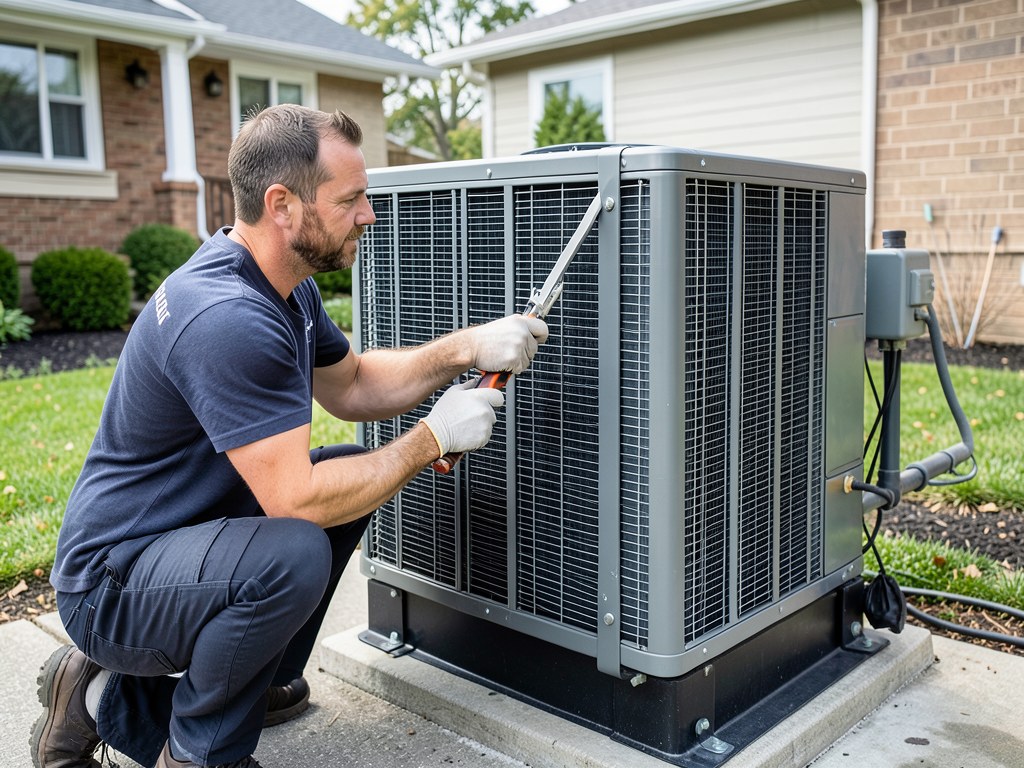
Diagram showing proper security cage clearance requirements and airflow patterns around an outdoor HVAC unit.
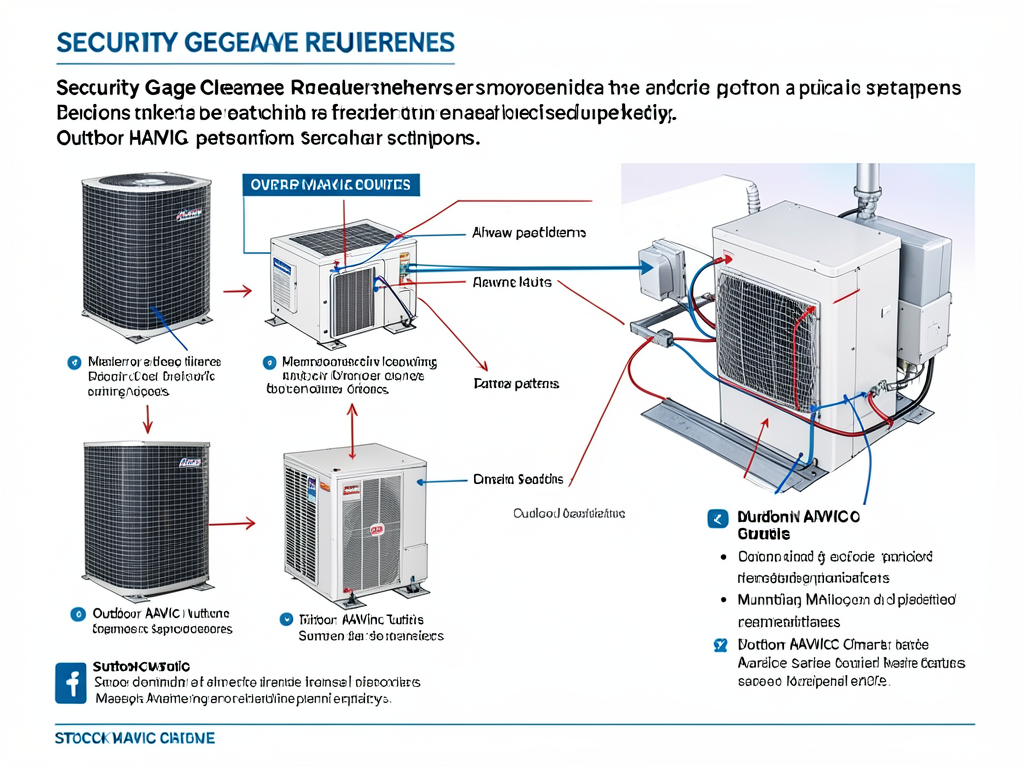
Photo of a professionally installed steel bar security cage with powder coating and stainless steel hardware on a Seattle residential property.
Comparison image showing damage from attempted theft on an unprotected unit versus a secure cage with tool marks but no entry.
Take action to protect your HVAC investment today
Don’t wait until your HVAC unit becomes another crime statistic in Dunlap. A quality security cage costs far less than replacing a stolen unit and prevents the stress and discomfort of losing your heating or cooling system. Professional installation ensures your cage meets Seattle’s building codes while providing maximum protection against thieves who target copper and equipment.
Our team understands Dunlap’s specific security challenges and can recommend the right cage design for your property’s location and risk level. We use marine-grade materials that withstand Seattle’s constant moisture and provide maintenance access that keeps your system running efficiently.
Call (564) 220-5899 today to schedule your security assessment. We’ll evaluate your property, recommend the best protection options, and provide a clear quote with no hidden fees. Protect your investment before thieves target your neighborhood next. The best air conditioning options for bungalows and cottages around Green Lake.
Pick up the phone and call (564) 220-5899 before the next storm hits. Your HVAC system protects your family’s comfort year-round, and it deserves professional protection that lasts for years to come.
Additional resources
For more information about HVAC security and maintenance, visit these authoritative sources:
- Seattle Department of Construction and Inspections – Building codes and permit requirements
- EPA Section 608 Certification – Refrigerant handling requirements
- Seattle Police Department – Crime prevention resources
Stay informed about local crime trends and property protection strategies to keep your home and HVAC system secure in Dunlap’s changing neighborhood landscape.
Service areas: Dunlap, Columbia City, Seward Park, Rainier Beach, Skyway, Beacon Hill, Georgetown, South Park, West Seattle, Burien, Tukwila, SeaTac, Renton, Kent, Des Moines, Normandy Park
Peak HVAC Seattle – Your trusted partner for HVAC security and maintenance in the greater Seattle area. Licensed, insured, and committed to protecting your home’s comfort systems.
{
“@context”: “https://schema.org”,
“@type”: “BlogPosting”,
“headline”: “Protecting your outdoor HVAC unit from theft and damage in Dunlap”,
“description”: “Learn how to secure your outdoor AC unit from theft and damage in Seattle’s Dunlap neighborhood. Expert installation of security cages, anchoring systems, and local crime prevention tips.”,
“wordCount”: 2936,
“datePublished”: “2026-05-07T07:51:00.000Z”,
“dateModified”: “2026-05-07T07:51:00.000Z”,
“inLanguage”: “en-US”,
“mainEntityOfPage”: {
“@type”: “WebPage”,
“@id”: “https://peakhvacseattle.com”
},
“publisher”: {
“@type”: “LocalBusiness”,
“name”: “Peak HVAC Seattle”,
“url”: “https://peakhvacseattle.com”
},
“author”: {
“@type”: “Organization”,
“name”: “Peak HVAC Seattle”,
“url”: “https://peakhvacseattle.com”
},
“image”: {
“@type”: “ImageObject”,
“url”: “https://peakhvacseattle.com/wp-content/uploads/2026/03/protecting-your-outdoor-hvac-unit-from-theft-and-d-1.png”
}
}
{
“@context”: “https://schema.org”,
“@type”: “HVACBusiness”,
“name”: “Peak HVAC Seattle”,
“url”: “https://peakhvacseattle.com”,
“address”: {
“@type”: “PostalAddress”,
“addressLocality”: “Seattle”
},
“areaServed”: {
“@type”: “City”,
“name”: “Seattle”
}
}
{
“@context”: “https://schema.org”,
“@type”: “FAQPage”,
“mainEntity”: [
{
“@type”: “Question”,
“name”: “How much does a security cage cost in Seattle?”,
“acceptedAnswer”: {
“@type”: “Answer”,
“text”: “Security cage costs range from $350 to $1,200 depending on size, materials, and installation complexity. Basic residential cages start around $350 while custom commercial installations can exceed $1,200. Factor in $150-$300 for professional installation in Seattle.”
}
},
{
“@type”: “Question”,
“name”: “Can I install a security cage myself?”,
“acceptedAnswer”: {
“@type”: “Answer”,
“text”: “DIY installation is possible but often fails due to improper anchoring and material selection. Seattle’s damp climate requires specific materials and installation techniques that professionals understand. Improper installation can void warranties and create safety hazards during storms.”
}
},
{
“@type”: “Question”,
“name”: “Will a security cage affect my AC’s efficiency?”,
“acceptedAnswer”: {
“@type”: “Answer”,
“text”: “A properly designed cage maintains the unit’s efficiency by allowing adequate airflow. The cage should provide 60% open area and maintain 24 inches of clearance around the unit. Poor designs can reduce efficiency by 10-15% and increase energy costs.”
}
},
{
“@type”: “Question”,
“name”: “How long do security cages last in Seattle’s weather?”,
“acceptedAnswer”: {
“@type”: “Answer”,
“text”: “Quality security cages last 10-15 years in Seattle’s marine climate with proper maintenance. Powder-coated steel with stainless hardware resists rust and corrosion. Annual maintenance including hinge lubrication and rust inspection extends the cage’s lifespan significantly.”
}
},
{
“@type”: “Question”,
“name”: “Do I need a permit for a security cage in Seattle?”,
“acceptedAnswer”: {
“@type”: “Answer”,
“text”: “Most residential security cages don’t require permits in Seattle if they meet specific criteria. Commercial installations and cages over 8 feet tall may need permits from the Department of Construction and Inspections. Check local regulations before installation.”
}
}
]
}
{
“@context”: “https://schema.org”,
“@type”: “BreadcrumbList”,
“itemListElement”: [
{
“@type”: “ListItem”,
“position”: 1,
“name”: “Home”,
“item”: “https://peakhvacseattle.com”
},
{
“@type”: “ListItem”,
“position”: 2,
“name”: “Blog”,
“item”: “https://peakhvacseattle.com/blog”
},
{
“@type”: “ListItem”,
“position”: 3,
“name”: “Protecting your outdoor HVAC unit from theft and damage in Dunlap”
}
]
}
{
“@context”: “https://schema.org”,
“@type”: “Service”,
“serviceType”: “HVAC”,
“provider”: {
“@type”: “LocalBusiness”,
“name”: “Peak HVAC Seattle”,
“url”: “https://peakhvacseattle.com”
},
“areaServed”: {
“@type”: “City”,
“name”: “Seattle”
},
“description”: “Learn how to secure your outdoor AC unit from theft and damage in Seattle’s Dunlap neighborhood. Expert installation of security cages, anchoring systems, and local crime prevention tips.”
}