
Uneven temperatures between rooms drive Seattle homeowners crazy. Your upstairs bedroom feels like a sauna while the downstairs living room stays freezing cold. Smart vents offer a modern solution to this common problem but they require careful planning to avoid damaging your HVAC system.
Smart vents are motorized registers that automatically open and close based on temperature readings from multiple rooms. They work with your existing furnace and air conditioner to direct airflow where it’s needed most. In Hawthorne Hills where many homes have multi-level layouts with complex duct systems these devices can significantly improve comfort without the cost of traditional zoning. Who to call for 24 hour emergency furnace repair in West Seattle.
The technology connects to your home Wi-Fi and integrates with smart thermostats like Nest and Ecobee. Sensors in each room detect temperature differences and the system adjusts vent positions to balance airflow throughout your home. This prevents the common problem of one room being too hot while another stays too cold.. Read more about Why your Nest thermostat might be short-cycling your furnace in Matthews Beach.
Before installing smart vents you need to understand the risks. Closing too many vents can create dangerous static pressure that strains your furnace blower motor. Professional HVAC technicians use specialized tools to measure static pressure and ensure your system can handle the reduced airflow. This diagnostic step prevents expensive repairs down the road. EPA HVAC and indoor air quality information.

How smart vents solve common Seattle airflow problems
Seattle’s climate creates unique HVAC challenges. Our mild but humid weather means homes need both heating and cooling throughout the year. Many Hawthorne Hills homes built in the 1960s and 1970s have original ductwork that wasn’t designed for today’s comfort expectations.
Smart vents address several specific issues common in Seattle homes. They eliminate the afternoon heat buildup in south-facing rooms during summer. They prevent cold drafts in rooms above garages where standard ductwork often falls short. They also help manage humidity by directing conditioned air to problem areas.
The Puget Sound region’s marine air influence means our homes experience more moisture than other parts of the country. Smart vents help by ensuring proper airflow to prevent condensation in ductwork. This reduces the risk of mold growth that thrives in our damp climate.
Older homes in Hawthorne Hills often have duct runs that are too long or have too many bends. This creates pressure drops that reduce airflow to distant rooms. Smart vents compensate by closing vents in nearby rooms to push more air to the problem areas.
The science of airflow: static pressure and your furnace
Understanding static pressure is crucial before installing smart vents. Your furnace blower motor is designed to move a specific amount of air through your duct system. When you close vents you increase resistance and static pressure builds up in the system.
Residential HVAC systems typically operate at static pressures between 0.5 and 0.8 inches of water column. Exceeding these levels forces the blower motor to work harder which shortens its lifespan. In severe cases high static pressure can cause the heat exchanger to overheat and crack.
Professional technicians measure static pressure using a manometer during installation. They check both the return and supply sides of your system. The total external static pressure should stay below your furnace’s rated maximum pressure listed on the data plate.
Variable speed blowers handle smart vents better than single-speed units. These motors can adjust their speed to maintain proper airflow even when vents close. If your furnace has a standard blower you may need to upgrade to safely use smart vents throughout your home.
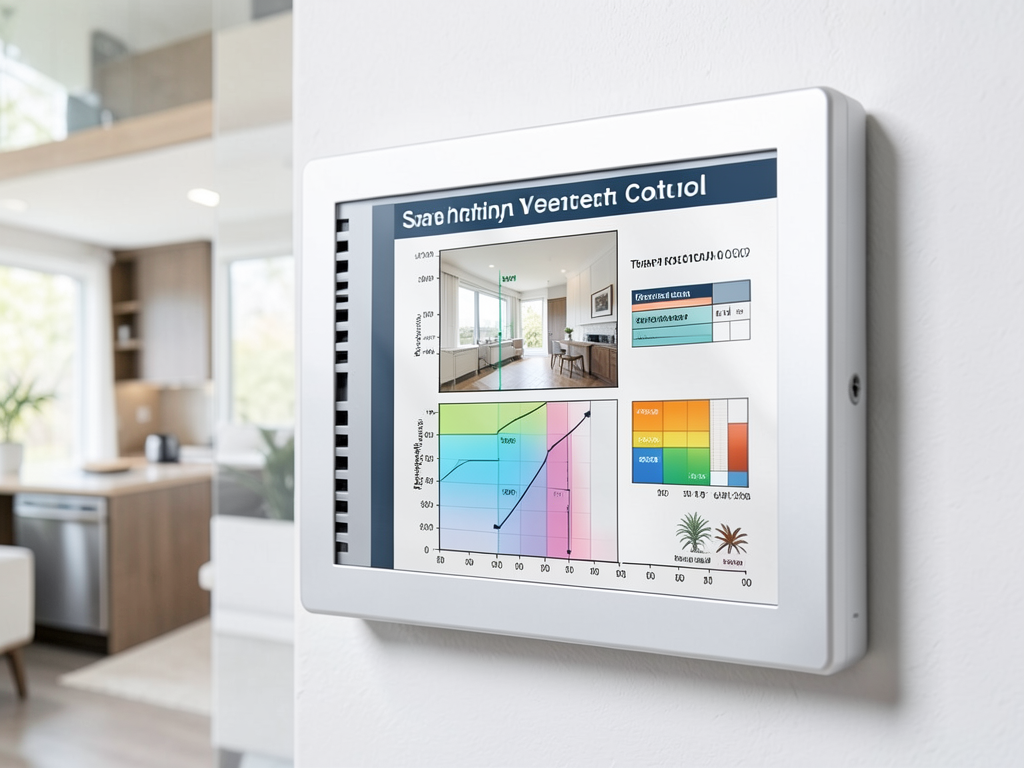
Top smart vent systems for Puget Sound homeowners
Several manufacturers offer smart vent solutions but not all work well in Seattle’s climate. The main options include Flair, Keen Home, and Ecovent systems. Each has different features and compatibility requirements. The best air conditioning options for bungalows and cottages around Green Lake.
| Brand | Compatibility | Best For | |
|---|---|---|---|
| Flair | Nest, Ecobee, Honeywell | Battery or AC | Multi-room control |
| Keen Home | Works with Alexa, Google | Battery only | Basic automation |
| Ecovent | Proprietary system | AC power required | Full zoning replacement |
Flair smart vents lead the market for Seattle homes because they integrate seamlessly with popular smart thermostats. The system uses puck sensors to monitor temperature and humidity in each room. These sensors communicate with the vents to maintain consistent comfort levels throughout your home.
Battery life varies significantly between brands and Seattle’s climate affects performance. Cold temperatures can reduce battery life by up to 30 percent. AC-powered vents eliminate this concern but require nearby electrical outlets which aren’t always available near floor vents.
Noise levels also matter in our older homes where ductwork carries sound easily. High-quality smart vents operate at whisper-quiet levels around 20 decibels. Cheaper models can produce clicking sounds that echo through the duct system especially at night when the house is quiet.
Smart vents vs traditional HVAC zoning: which is better
Traditional zoning uses motorized dampers in the main duct trunk to direct airflow to different areas of your home. This approach requires professional installation and often needs system modifications. Smart vents offer a simpler alternative but with some trade-offs. Why your Ballard home needs professional furnace repair before the first freeze.
Traditional zoning provides more precise control and doesn’t increase static pressure as much since dampers are in the main trunk rather than at individual registers. However zoning systems cost significantly more upfront often $3,000 to $5,000 compared to $500 to $1,500 for smart vents.
Smart vents install in minutes without cutting into ductwork. You simply replace existing registers with the smart versions. This makes them ideal for renters or homeowners who want to try the technology before committing to a full zoning system.
The main advantage of smart vents is flexibility. You can start with a few problem rooms and expand over time. Traditional zoning requires a complete system design upfront and changing your mind later means expensive modifications.. Read more about Protecting your expensive hardwood floors in Hunt’s Point from seasonal warping.
However smart vents have limitations. They work best in homes with good duct design and adequate static pressure headroom. Homes with very long duct runs or undersized systems may experience reduced heating and cooling capacity when using multiple smart vents.
Installation guide: integrating with Nest Ecobee and Honeywell
Proper installation starts with a professional static pressure test. This diagnostic step determines how many vents you can safely close at once. Most homes can handle closing 30 to 40 percent of vents without issues.
The next step involves checking your smart thermostat compatibility. Flair works with most major brands but requires the thermostat to be accessible on your home network. Some older thermostats need firmware updates or may not support the necessary communication protocols.
Placement matters significantly for sensor accuracy. Avoid installing puck sensors near exterior walls windows or heat-generating electronics. The ideal location is an interior wall at breathing height about five feet from the floor.
Professional installation includes configuring the system for your specific HVAC equipment. This means setting proper temperature differentials minimum run times and pressure compensation algorithms. These settings prevent short cycling and protect your equipment.
The final step involves testing and calibration. Technicians use thermal imaging cameras to verify even temperature distribution. They also check for any unusual noises or vibrations that might indicate airflow problems.
Cost benefit analysis: energy savings in the Pacific Northwest
Smart vents can reduce energy consumption by 10 to 30 percent depending on your home’s layout and occupancy patterns. The savings come from not heating or cooling unoccupied rooms and from more efficient system operation.
In Seattle where electricity rates average 11 cents per kilowatt hour and natural gas costs about $1.50 per therm the payback period typically ranges from two to four years. Homes with electric heat pumps see faster returns than those with gas furnaces.
Beyond direct energy savings smart vents can extend your HVAC system’s life. By reducing runtime and preventing short cycling you minimize wear on motors and compressors. This can delay expensive replacements by several years.
Many utility companies including Puget Sound Energy offer rebates for smart home devices that improve energy efficiency. These incentives can reduce your upfront costs by $50 to $150 depending on the specific products and current promotion periods.
The environmental benefits matter too. Reducing energy consumption by even 15 percent cuts your home’s carbon footprint significantly. In our region where much electricity comes from hydroelectric power this means cleaner air and reduced strain on the grid during peak demand periods.
Frequently Asked Questions
Do smart vents work with all HVAC systems
Most modern forced air systems work with smart vents but older equipment may have limitations. Systems with very high static pressure or undersized ductwork might not handle closed vents well. A professional assessment determines compatibility.
How long do smart vent batteries last in Seattle’s climate
Battery life ranges from six months to two years depending on usage and temperature. Seattle’s moderate climate helps compared to extreme hot or cold regions. AC-powered options eliminate battery concerns but require nearby electrical outlets.
Can I install smart vents myself
You can physically replace registers yourself but proper system balancing requires professional tools and expertise. DIY installation risks damaging your HVAC equipment through improper pressure management. Professional installation includes necessary diagnostics and warranty protection.
Will smart vents affect my home’s air quality
When properly installed smart vents improve air quality by ensuring adequate airflow to all rooms. This prevents stagnant air pockets where dust and allergens accumulate. The system can also direct more air through high-quality filters in problem areas.
How do smart vents handle Seattle’s humidity
Quality smart vents include humidity sensors that help manage moisture levels. The system can direct more airflow to damp areas or adjust based on outdoor humidity readings. This prevents condensation issues common in our marine climate.
What happens during a power outage
Battery-powered vents continue working normally during outages. AC-powered models fail in their last position so homes might experience uneven temperatures until power returns. Most systems reconnect automatically when electricity is restored.
Are smart vents noisy
Modern smart vents operate very quietly around 20 decibels. This is quieter than a whisper. Some users report slight clicking sounds during position changes but these are usually not disruptive especially in homes with carpeting and furniture that absorb sound.
Can smart vents integrate with other smart home devices
Most smart vent systems work with popular platforms like Amazon Alexa Google Home and Apple HomeKit. They can coordinate with other devices such as ceiling fans air purifiers and window shades for comprehensive home automation.. Read more about Why your high ceiling loft in Ballard is so hard to keep warm and how to fix it.
Ready to eliminate hot and cold spots in your Hawthorne Hills home? Smart vents offer an effective solution but proper installation is crucial for protecting your HVAC system. Call (564) 220-5899 today to schedule your professional assessment and take the first step toward consistent comfort throughout your home.
Don’t wait until the next heat wave or cold snap makes your temperature problems unbearable. Our experienced technicians understand Seattle’s unique climate challenges and can recommend the right smart vent solution for your specific home. Pick up the phone and call (564) 220-5899 before the next season hits. For more information, visit Department of Energy thermostat guide.
You may also find this helpful. Keeping your Delridge home gym cool and fresh during a summer workout.
You may also find this helpful. The best way to heat a finished attic in your Loyal Heights craftsman.
{
“@context”: “https://schema.org”,
“@type”: “BlogPosting”,
“headline”: “Using smart vents to fix airflow issues in your Hawthorne Hills home”,
“description”: “Smart vents can eliminate hot and cold spots in Hawthorne Hills homes. Learn how these devices work with your HVAC system and why professional installation matters.”,
“wordCount”: 1852,
“datePublished”: “2026-05-11T12:29:00.000Z”,
“dateModified”: “2026-05-11T12:29:00.000Z”,
“inLanguage”: “en-US”,
“mainEntityOfPage”: {
“@type”: “WebPage”,
“@id”: “https://peakhvacseattle.com”
},
“publisher”: {
“@type”: “LocalBusiness”,
“name”: “Peak HVAC Seattle”,
“url”: “https://peakhvacseattle.com”
},
“author”: {
“@type”: “Organization”,
“name”: “Peak HVAC Seattle”,
“url”: “https://peakhvacseattle.com”
},
“image”: {
“@type”: “ImageObject”,
“url”: “https://peakhvacseattle.com/wp-content/uploads/2026/03/using-smart-vents-to-fix-airflow-issues-in-your-ha-1.png”
}
}
{
“@context”: “https://schema.org”,
“@type”: “HVACBusiness”,
“name”: “Peak HVAC Seattle”,
“url”: “https://peakhvacseattle.com”,
“address”: {
“@type”: “PostalAddress”,
“addressLocality”: “Seattle”
},
“areaServed”: {
“@type”: “City”,
“name”: “Seattle”
}
}
{
“@context”: “https://schema.org”,
“@type”: “BreadcrumbList”,
“itemListElement”: [
{
“@type”: “ListItem”,
“position”: 1,
“name”: “Home”,
“item”: “https://peakhvacseattle.com”
},
{
“@type”: “ListItem”,
“position”: 2,
“name”: “Blog”,
“item”: “https://peakhvacseattle.com/blog”
},
{
“@type”: “ListItem”,
“position”: 3,
“name”: “Using smart vents to fix airflow issues in your Hawthorne Hills home”
}
]
}
{
“@context”: “https://schema.org”,
“@type”: “Service”,
“serviceType”: “HVAC”,
“provider”: {
“@type”: “LocalBusiness”,
“name”: “Peak HVAC Seattle”,
“url”: “https://peakhvacseattle.com”
},
“areaServed”: {
“@type”: “City”,
“name”: “Seattle”
},
“description”: “Smart vents can eliminate hot and cold spots in Hawthorne Hills homes. Learn how these devices work with your HVAC system and why professional installation matters.”
}