
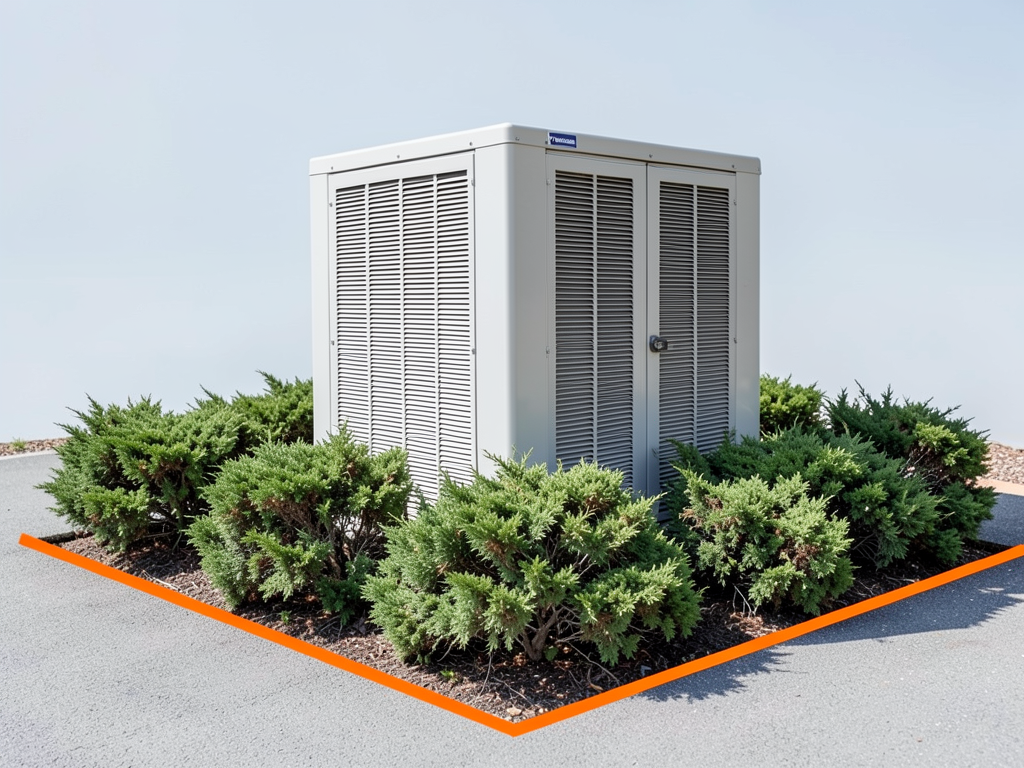
How to hide your outdoor AC unit with landscaping in Olympic View without breaking it
If you live in Olympic View you know that bulky condenser units can ruin the look of your yard. But wrapping it in shrubs or stacking rocks against it can choke airflow and cause your AC to work overtime. The secret is finding a balance between curb appeal and mechanical function. You need at least two feet of clearance on all sides for proper intake and exhaust flow. Without that space your system can lose up to 15 percent efficiency and strain its compressor. This guide shows you how to do it right using plants and materials that thrive in Seattle’s climate and keep your unit running strong. Seattle Energy Code Section 406.2.5.
Why proper landscaping matters for HVAC efficiency
Air conditioners move heat by pulling in cool air through the condenser coils and pushing out hot air. When plants or structures block that path the system struggles to reject heat. In Olympic View’s mild but damp climate that means even a small reduction in airflow can lead to longer run times and higher energy bills. Restricted airflow also traps moisture against the unit which accelerates corrosion on metal parts. Over time that can mean more service calls and a shorter lifespan for your investment. Keeping the right clearance is not just about looks. It is about protecting your SEER rating and your wallet. Keeping your historic Queen Anne home cool with ductless AC options.
The golden rule: maintaining the two-foot clearance zone
The two-foot clearance rule comes straight from HVAC manufacturer guidelines and Seattle Energy Code Section 406.2.5. That space allows technicians to stand safely while servicing the unit and gives the fan enough room to pull in air from every angle. Measure from the outer edge of the unit not the concrete pad. If you plant a shrub too close the leaves can block the coil fins and reduce heat transfer. In Olympic View’s wet winters that also means leaves stay damp longer which can promote moss growth inside the unit. Always keep the top of the unit clear of overhanging branches within five feet to prevent debris buildup.
Best materials for the base: gravel vs pavers vs mulch
Starting with the right base prevents soil erosion and keeps the unit level. Pea gravel drains quickly which is critical in Olympic View’s heavy winter rains. A four-inch layer over landscape fabric stops weeds without trapping moisture against the pad. Concrete pavers offer a cleaner look and resist shifting but require a compacted gravel sub-base to avoid settling. Mulch looks soft and natural but can hold moisture against the metal and attract pests if placed too close. For Seattle’s climate gravel is the safest choice because it sheds water fast and does not break down over time. Avoid rubber mulch which can trap heat and void your warranty.
Best PNW plants for surrounding your condenser
Choosing the right plants means picking ones that stay tidy and do not drop tons of debris. Pacific Northwest natives like Sword Fern and Evergreen Huckleberry thrive in Olympic View’s acidic soil and resist disease. Boxwood and Japanese Holly grow in dense evergreen forms that stay under four feet and can be trimmed to keep the two-foot rule. Avoid fast-growing deciduous trees like Maples that shower the unit with seeds and leaves each fall. Low-growing perennials like Hostas and Astilbe add seasonal color without blocking airflow. Plant in clusters rather than a solid hedge so air can still move around the unit.. Read more about Extending the patio season with the right outdoor heating for your West Seattle deck.
Common mistakes: what to avoid in Seattle yards
One of the biggest mistakes is planting too close and letting foliage grow over the intake grille. Another is using a solid fence with no vents which creates a heat trap. Some homeowners stack firewood or store garbage cans against the unit which blocks airflow and invites pests. In Seattle’s damp climate moss and algae can grow on shaded surfaces and clog the coil fins. Never use climbing vines on a lattice that touches the unit because they retain moisture and can damage wiring. Always leave the service panel accessible and visible so a technician can open it without moving plants. Weekend HVAC Service.
Seasonal maintenance checklist for Seattle HVAC landscaping
Spring: Trim back any new growth that has crept inside the two-foot zone. Check for moss on the unit and rinse gently with a garden hose if needed. Fall: Clear fallen leaves and maple seeds from around the base at least twice before winter. Winter: After storms inspect for broken branches or displaced gravel. Summer: Keep grass trimmed short near the unit to reduce clippings getting sucked into the fan. Every six months check the pad for settling and add gravel if low spots appear. This routine keeps your system efficient year-round and prevents costly freeze damage.
DIY vs professional installation: when to call an expert
Simple planting and gravel work is fine for most homeowners but if you need to move the concrete pad or install a new paver patio around the unit call a professional. Disturbing the pad can tilt the refrigerant lines and cause leaks. In Seattle’s glacial till soil even a small shift can create drainage problems that pool around the electrical components. A licensed HVAC tech can also check that your new layout still meets Seattle Energy Code clearance rules. If your unit is over ten years old consider having it inspected before making major landscaping changes to avoid voiding the warranty.
Call (564) 220-5899 today to schedule your inspection
Landscaping around your AC unit is more than a weekend project. One wrong move can cut efficiency and lead to expensive repairs. Call (564) 220-5899 today to schedule your inspection. Our technicians will measure your clearance zone, check for airflow restrictions, and recommend Seattle-friendly plants that keep your yard looking great without breaking your system. We serve Olympic View and all of South King County with fast weekend service so you never have to wait. Pick up the phone and call (564) 220-5899 before the next heat wave hits.
Frequently Asked Questions
Can I plant flowers right next to my AC unit?
Yes, but only low-growing varieties that stay under one foot tall and do not drop heavy debris. Keep a two-foot clear zone around the intake and exhaust sides.
Will a fence around my condenser hurt performance?
A solid fence can trap heat. Use a lattice or vented screen with at least two feet of clearance on all sides and leave the top open for airflow.
How often should I clean around my AC unit?
Inspect monthly during growing season and after every major storm. Remove leaves, grass clippings, and moss to keep airflow unrestricted.
Does landscaping affect my warranty?
Improper clearance or damage from plants can void the manufacturer warranty. Always follow the two-foot rule and avoid letting foliage touch the unit.
What if my yard slopes toward the AC pad?
Grade the soil away from the pad and use gravel to improve drainage. Pooling water can corrode electrical parts and shorten system life.
- Measure clearance
Mark a two-foot zone around the unit using stakes and string.
- Prepare the base
Remove grass, lay landscape fabric, and add a four-inch layer of pea gravel.
- Choose plants
Select low-debris PNW natives that stay under four feet at maturity.
- Plant with spacing
Set shrubs and perennials at least two feet from the unit edge.
- Install screening
Add a lattice or vented fence if desired, keeping top open for airflow.
- Maintain regularly
Trim growth, clear debris, and check for moss every season. For more information, visit Washington State University Extension PNW gardening guide.
Comparing ground cover options for Seattle AC pads
| Material | Cost per sq ft | Drainage | Maintenance | Best for Seattle |
|---|---|---|---|---|
| Pea gravel | $1.50 | Excellent | Low | ✅ Yes |
| Concrete pavers | $8.00 | Good with base | Medium | ⚠️ With care |
| Wood mulch | $2.50 | Poor | High | ❌ No |
Top PNW plants for AC landscaping
| Plant | Max height | Debris level | Evergreen? |
|---|---|---|---|
| Sword Fern | 3 ft | Low | ✅ Yes |
| Boxwood | 4 ft | Low | ✅ Yes |
| Hosta | 2 ft | Low | ❌ No |
| Evergreen Huckleberry | 5 ft | Low | ✅ Yes |
You may also find this helpful. Protecting your Shilshole condo from the corrosive effects of Puget Sound sea spray.
{
“@context”: “https://schema.org”,
“@type”: “BlogPosting”,
“headline”: “How to hide your outdoor AC unit with landscaping in Olympic View without breaking it”,
“description”: “Learn how to landscape around your AC unit in Olympic View with Seattle-friendly plants, proper clearance, and drainage solutions that protect efficiency and extend system life.”,
“wordCount”: 1362,
“datePublished”: “2026-05-20T07:23:00.000Z”,
“dateModified”: “2026-05-20T07:23:00.000Z”,
“inLanguage”: “en-US”,
“mainEntityOfPage”: {
“@type”: “WebPage”,
“@id”: “https://peakhvacseattle.com”
},
“publisher”: {
“@type”: “LocalBusiness”,
“name”: “Peak HVAC Seattle”,
“url”: “https://peakhvacseattle.com”
},
“author”: {
“@type”: “Organization”,
“name”: “Peak HVAC Seattle”,
“url”: “https://peakhvacseattle.com”
},
“image”: {
“@type”: “ImageObject”,
“url”: “https://peakhvacseattle.com/wp-content/uploads/2026/03/how-to-hide-your-outdoor-ac-unit-with-landscaping-1.png”
}
}
{
“@context”: “https://schema.org”,
“@type”: “HVACBusiness”,
“name”: “Peak HVAC Seattle”,
“url”: “https://peakhvacseattle.com”,
“address”: {
“@type”: “PostalAddress”,
“addressLocality”: “Seattle”
},
“areaServed”: {
“@type”: “City”,
“name”: “Seattle”
}
}
{
“@context”: “https://schema.org”,
“@type”: “FAQPage”,
“mainEntity”: [
{
“@type”: “Question”,
“name”: “Can I plant flowers right next to my AC unit?”,
“acceptedAnswer”: {
“@type”: “Answer”,
“text”: “Yes, but only low-growing varieties that stay under one foot tall and do not drop heavy debris. Keep a two-foot clear zone around the intake and exhaust sides.”
}
},
{
“@type”: “Question”,
“name”: “Will a fence around my condenser hurt performance?”,
“acceptedAnswer”: {
“@type”: “Answer”,
“text”: “A solid fence can trap heat. Use a lattice or vented screen with at least two feet of clearance on all sides and leave the top open for airflow.”
}
},
{
“@type”: “Question”,
“name”: “How often should I clean around my AC unit?”,
“acceptedAnswer”: {
“@type”: “Answer”,
“text”: “Inspect monthly during growing season and after every major storm. Remove leaves, grass clippings, and moss to keep airflow unrestricted.”
}
},
{
“@type”: “Question”,
“name”: “Does landscaping affect my warranty?”,
“acceptedAnswer”: {
“@type”: “Answer”,
“text”: “Improper clearance or damage from plants can void the manufacturer warranty. Always follow the two-foot rule and avoid letting foliage touch the unit.”
}
},
{
“@type”: “Question”,
“name”: “What if my yard slopes toward the AC pad?”,
“acceptedAnswer”: {
“@type”: “Answer”,
“text”: “Grade the soil away from the pad and use gravel to improve drainage. Pooling water can corrode electrical parts and shorten system life.”
}
}
]
}
{
“@context”: “https://schema.org”,
“@type”: “HowTo”,
“name”: “How to landscape around your AC unit”,
“step”: [
{
“@type”: “HowToStep”,
“position”: 1,
“name”: “Measure clearance”,
“text”: “Mark a two-foot zone around the unit using stakes and string.”
},
{
“@type”: “HowToStep”,
“position”: 2,
“name”: “Prepare the base”,
“text”: “Remove grass, lay landscape fabric, and add a four-inch layer of pea gravel.”
},
{
“@type”: “HowToStep”,
“position”: 3,
“name”: “Choose plants”,
“text”: “Select low-debris PNW natives that stay under four feet at maturity.”
},
{
“@type”: “HowToStep”,
“position”: 4,
“name”: “Plant with spacing”,
“text”: “Set shrubs and perennials at least two feet from the unit edge.”
},
{
“@type”: “HowToStep”,
“position”: 5,
“name”: “Install screening”,
“text”: “Add a lattice or vented fence if desired, keeping top open for airflow.”
},
{
“@type”: “HowToStep”,
“position”: 6,
“name”: “Maintain regularly”,
“text”: “Trim growth, clear debris, and check for moss every season. For more information, visit Washington State University Extension PNW gardening guide.”
}
],
“image”: “https://peakhvacseattle.com/wp-content/uploads/2026/03/how-to-hide-your-outdoor-ac-unit-with-landscaping-1.png”
}
{
“@context”: “https://schema.org”,
“@type”: “BreadcrumbList”,
“itemListElement”: [
{
“@type”: “ListItem”,
“position”: 1,
“name”: “Home”,
“item”: “https://peakhvacseattle.com”
},
{
“@type”: “ListItem”,
“position”: 2,
“name”: “Blog”,
“item”: “https://peakhvacseattle.com/blog”
},
{
“@type”: “ListItem”,
“position”: 3,
“name”: “How to hide your outdoor AC unit with landscaping in Olympic View without breaking it”
}
]
}
{
“@context”: “https://schema.org”,
“@type”: “Service”,
“serviceType”: “HVAC”,
“provider”: {
“@type”: “LocalBusiness”,
“name”: “Peak HVAC Seattle”,
“url”: “https://peakhvacseattle.com”
},
“areaServed”: {
“@type”: “City”,
“name”: “Seattle”
},
“description”: “Learn how to landscape around your AC unit in Olympic View with Seattle-friendly plants, proper clearance, and drainage solutions that protect efficiency and extend system life.”
}