
Georgetown’s industrial heritage and maker culture mean many Seattle residents have converted their garages into woodworking or metal shops. But these creative spaces come with serious ventilation challenges that standard garage airflow simply cannot handle. Without proper systems, you’re exposing yourself to harmful fumes, fine particulates, and potential fire hazards every time you work.
This guide breaks down exactly what your Georgetown garage workshop needs to stay safe and compliant with Seattle building codes. You’ll learn how to calculate the right airflow for your specific tools, understand the difference between exhaust and filtration systems, and discover why Georgetown’s unique industrial environment demands specialized ventilation solutions. Why your Ballard home needs professional furnace repair before the first freeze.
Why Standard Garage Ventilation Isn’t Enough for Workshops
Most garages in Georgetown were built for car storage, not for containing sawdust clouds or welding fumes. Standard ventilation relies on passive airflow through open doors or small wall vents, which works fine for occasional use but fails completely when you’re running power tools or working with chemicals.
Woodworking creates fine particulates that settle everywhere and can cause respiratory issues over time. Metalworking produces sparks, heat, and potentially toxic fumes depending on what you’re cutting or welding. Automotive work introduces VOCs from paints, solvents, and fuels. Each of these requires different ventilation strategies that standard garage systems cannot provide.
The problem gets worse in Georgetown because many older industrial buildings have been converted to mixed-use spaces. Your neighbor might be running a similar workshop just a few feet away, meaning you need systems that contain fumes within your space rather than letting them drift into adjacent properties.
Call (564) 220-5899 today to schedule your inspection.
Types of Ventilation Systems: Natural, Mechanical, and Exhaust
Understanding your ventilation options is the first step to creating a safe workshop. Each system type has specific applications depending on your craft and the pollutants you’re dealing with. The best air conditioning options for bungalows and cottages around Green Lake.
Natural ventilation relies on wind and temperature differences to move air. While it’s the cheapest option, it’s completely unreliable for workshop use. You can’t count on consistent airflow when you need it most, and it provides no filtration for harmful particles.
Mechanical ventilation uses fans and ductwork to move air through your space. This gives you control over airflow rates and can include filtration systems. However, it requires careful design to avoid creating negative pressure that could pull dangerous gases back into your workspace.
Exhaust ventilation specifically removes contaminated air from your workspace. This is essential for woodworking shops where you need to capture sawdust at the source, and for metalworking where you must vent welding fumes directly outside. The key is capturing pollutants before they disperse throughout your garage.
For Georgetown workshops, most professionals recommend a hybrid approach: exhaust systems for immediate hazard control combined with mechanical ventilation for overall air quality and temperature management.. Read more about Improving the air quality in your SeaTac home to filter out airplane exhaust and jet fuel smells.
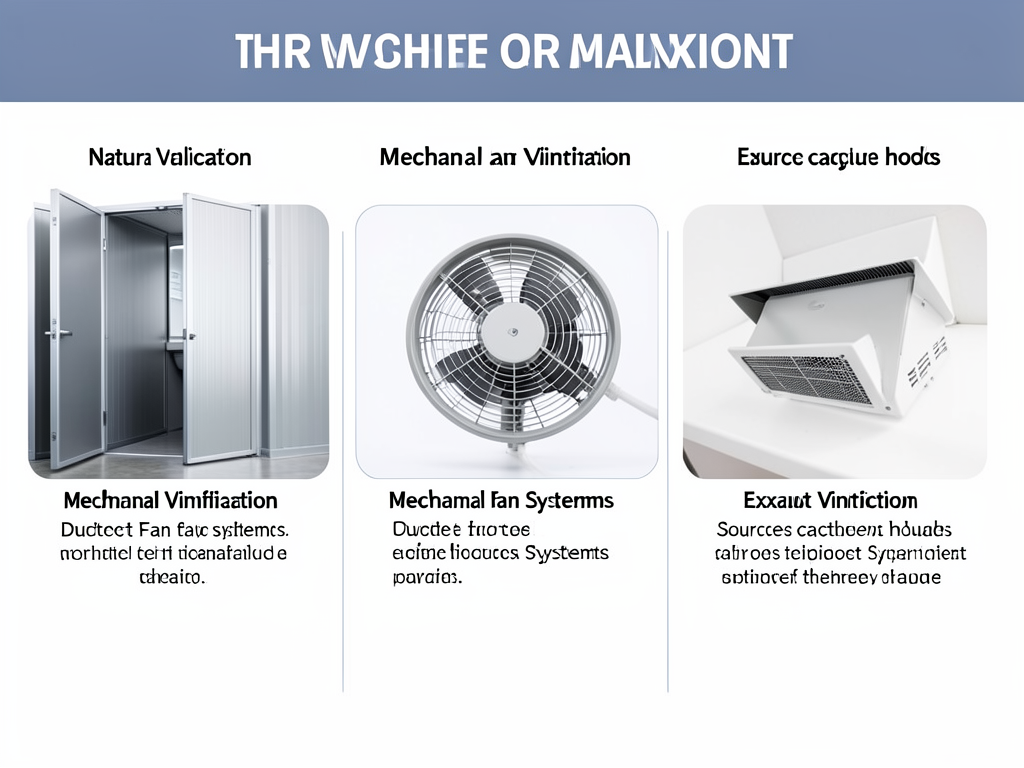
A diagram showing the difference between natural ventilation (open doors), mechanical ventilation (ducted fan systems), and exhaust ventilation (source capture hoods) for workshop applications.
Calculating CFM: How Much Airflow Does Your Shop Need?
Getting the right airflow is critical for both safety and comfort. Too little ventilation leaves harmful substances in your workspace. Too much creates drafts, wastes energy, and can actually pull contaminants back into your breathing zone through negative pressure effects.
The basic formula for calculating required airflow is:
(Square Footage x Ceiling Height x Air Changes Per Hour) ÷ 60 = Required CFM
For woodworking shops, you typically need 6-8 air changes per hour. Metalworking might require 8-10 ACH depending on the processes involved. Automotive work often needs 5-7 ACH, but with additional exhaust capture at specific workstations.
Here’s a practical example: A 400 square foot garage with 10-foot ceilings used for woodworking would need:
(400 x 10 x 7) ÷ 60 = 467 CFM minimum
But that’s just the baseline. You also need to account for specific tool requirements. A table saw might need an additional 300-500 CFM of dust collection. A welding station could require 600+ CFM of dedicated fume extraction. These numbers add up quickly.
Washington State Energy Code (WSEC) Chapter 51-11 requires mechanical ventilation in enclosed spaces used for commercial activities. While your garage workshop might not technically qualify as commercial, following these standards ensures you’re meeting safety requirements that inspectors will recognize. Washington State Occupational Safety and Health Administration.
Georgetown’s industrial zoning means your workshop likely falls under different regulations than a standard residential garage. The Seattle Department of Construction and Inspections often requires permits for ventilation modifications in these areas, especially if you’re installing new ductwork or exhaust fans.
A comparison table showing required CFM for different workshop activities: woodworking (400-800 CFM), metalworking (600-1200 CFM), automotive work (300-600 CFM baseline plus workstation-specific extraction).
Seattle-Specific Considerations: Managing Humidity and Dampness
Seattle’s marine climate creates unique ventilation challenges that most DIY guides don’t address. Georgetown’s proximity to the Duwamish River and industrial waterways means higher humidity levels year-round. This moisture combines with workshop pollutants to create ideal conditions for mold growth and equipment corrosion.
During winter months, Georgetown garages often stay damp from condensation. When you add heat from power tools or welding equipment, you create temperature differentials that cause moisture to condense on cooler surfaces. This water can rust metal tools, warp wood, and create slippery conditions on concrete floors.
The solution involves humidity control integrated with your ventilation system. Energy Recovery Ventilators (ERVs) can exchange indoor air with fresh outdoor air while transferring heat and moisture in the process. This maintains comfortable humidity levels without wasting energy heating cold, damp outside air.
For Georgetown’s climate, aim for indoor humidity between 40-60%. Below 40% and you’ll have static electricity problems with fine dust. Above 60% and you’re creating mold-friendly conditions. A hygrometer costs under $20 and lets you monitor these levels accurately.
Consider installing a dehumidifier if your workshop regularly exceeds 60% humidity. These units work best when integrated with your ventilation system rather than running independently, as they need proper airflow to function efficiently.
Georgetown’s industrial buildings often have shared walls or are located close together. This means your ventilation system needs to prevent backdrafting, where exhaust from one building gets pulled into another through shared ventilation paths. Proper fan sizing and strategic vent placement prevent these cross-contamination issues.
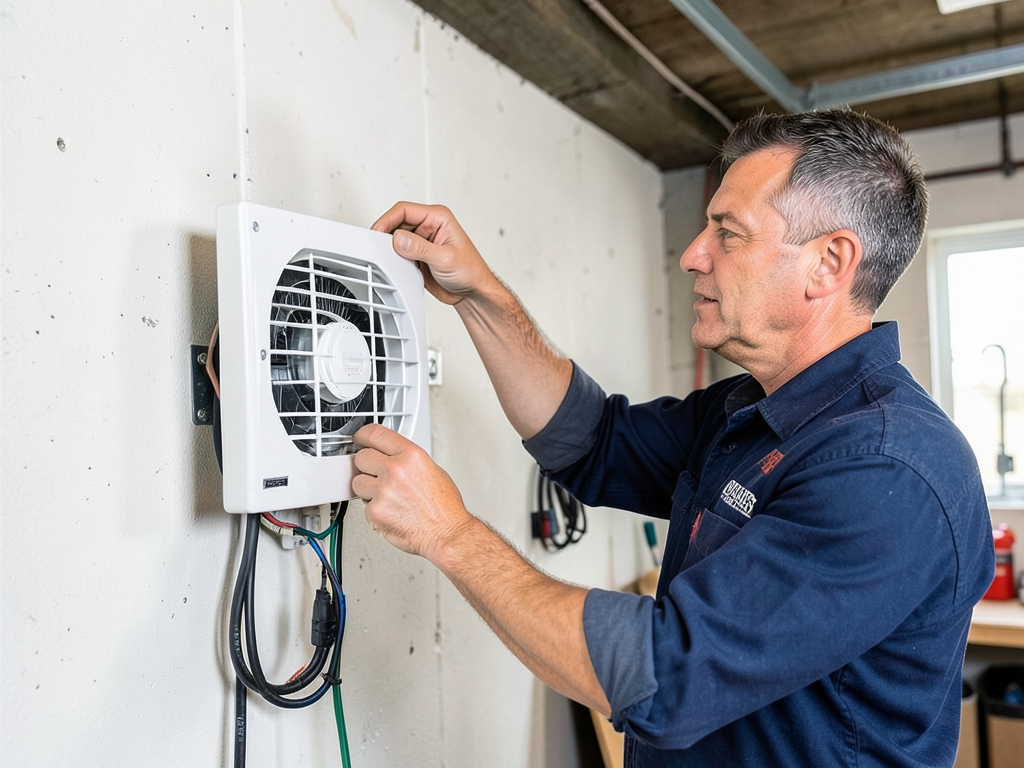
A photo showing a professional installation of a wall-mounted exhaust fan with integrated HEPA filtration, demonstrating proper mounting height and weatherproof electrical connections for Seattle’s rainy climate.
Top Ventilation Solutions for Woodworkers vs. Automotive Enthusiasts
Your specific craft determines which ventilation approach works best. Woodworkers need to capture fine dust particles, while automotive enthusiasts must handle VOCs and potentially flammable vapors.
Woodworking ventilation focuses on dust collection at the source. A good system includes:
- Central dust collector with HEPA filtration (0.3-micron efficiency)
- Flexible hoses connecting to each major tool
- Overhead air filtration units for ambient dust
- Floor sweeps for cleanup without stirring particles back into the air
Washington State Occupational Safety and Health Administration (WISHA) guidelines recommend capturing dust within 2 inches of the tool’s emission point. This means custom hoods or shrouds around each machine, not just general room ventilation.
Automotive work requires explosion-proof ventilation and VOC capture. Key components include:
- Explosion-proof exhaust fans rated for Class I, Division 2 locations
- Carbon-activated filters for solvent and paint fumes
- Floor-level air intake to capture heavier-than-air vapors
- Make-up air systems to prevent negative pressure
Automotive shops also need spark arrestors on exhaust systems to prevent fires. Georgetown’s older industrial buildings often have wood framing or other combustible materials nearby, making this safety feature essential.
Metalworking presents different challenges. Welding produces UV radiation, intense heat, and potentially toxic fumes depending on the metals involved. You need:
- Local exhaust ventilation (LEV) hoods positioned within 18 inches of the weld point
- Spark arrestors and fire suppression systems
- Proper grounding to prevent static discharge in dust collection systems
- UV-blocking shields on exhaust ducts
National Fire Protection Association (NFPA) 664 covers fire prevention in woodworking operations. While it’s a national standard, Seattle inspectors often reference it for local compliance. The code requires specific clearance distances between dust collection equipment and ignition sources. National Fire Protection Association.
Washington State Building Codes for Garage Conversions
Converting your garage to a workshop isn’t just about ventilation effectiveness—it’s about meeting legal requirements. Washington State has specific codes that apply to these conversions, and Georgetown’s industrial zoning adds another layer of complexity.
The Washington State Energy Code requires mechanical ventilation in any enclosed space where people work for extended periods. This means your workshop needs either windows that open to at least 4% of floor area or a mechanical ventilation system providing 15 CFM per person.
For woodworking shops, the International Building Code (IBC) Section 406 requires explosion-proof electrical equipment in areas where combustible dust accumulates. This affects your choice of fans, switches, and lighting fixtures. Standard residential equipment isn’t rated for these environments.
Georgetown falls under Seattle’s industrial code requirements, which often reference National Fire Protection Association standards more strictly than residential areas. NFPA 664 for wood processing facilities and NFPA 55 for compressed gas storage both have specific requirements that might apply to your workshop.
Permit requirements vary by project scope. Installing a new exhaust fan typically requires an electrical permit. Adding ductwork might need a mechanical permit. Major modifications that affect the building envelope require building permits and inspections.
The Seattle Department of Construction and Inspections maintains a hotline for code questions specific to your project. They can tell you whether your planned ventilation system meets local requirements before you invest in equipment.
Don’t forget about noise regulations. Seattle Municipal Code Section 25.08 limits noise levels to 55 decibels in industrial zones during daytime hours. Your exhaust fans and dust collectors need to stay within these limits, which might require sound attenuation or strategic placement.
Professional Installation vs. DIY: When to Call an HVAC Expert
DIY ventilation projects can save money upfront but often cost more in the long run through inefficiency, code violations, or safety hazards. Understanding when to call a professional can protect your investment and your health.
Call a professional if your project involves:
- Any electrical work beyond simple plug-in fans
- Ductwork installation through walls or ceilings
- Exhaust systems that terminate outside the building
- Systems requiring permits or inspections
- Specialized filtration for hazardous materials
- Integration with existing HVAC systems
Professional HVAC technicians understand local codes, have proper tools for ductwork installation, and can design systems that meet both your needs and legal requirements. They also provide warranties on their work and can handle permit applications.
DIY makes sense for:
- Portable HEPA air filtration units
- Window-mounted exhaust fans
- Basic dust collection for small tools
- Simple ductwork modifications to existing systems
The key is knowing your limits. If you’re modifying the building structure, working with electrical systems, or dealing with hazardous materials, the cost of a professional is insurance against much larger expenses from mistakes.
Georgetown’s industrial buildings often have unique challenges: shared walls that complicate exhaust routing, limited exterior access for vent termination, and older electrical systems that may not support modern equipment. These factors make professional assessment valuable even for seemingly simple projects.
Professional installation also ensures your system will perform as designed. Many DIY installations suffer from undersized ductwork, improper fan selection, or poor filter choices that reduce effectiveness by 50% or more.
Ask potential contractors about their experience with workshop ventilation specifically. Not all HVAC companies understand the unique requirements of woodworking dust, welding fumes, or automotive VOCs. Look for technicians who reference specific standards like NFPA 664 or WISHA guidelines.
Pick up the phone and call (564) 220-5899 before the next storm hits.
Frequently Asked Questions
How much does workshop ventilation installation cost in Georgetown?
Basic systems start around $1,500-2,500 for small workshops, while comprehensive dust collection and exhaust systems typically range from $4,000-8,000. Automotive shops with explosion-proof requirements can exceed $10,000. Your specific needs and existing infrastructure determine the final cost.
Do I need permits for garage workshop ventilation in Seattle?
Most ventilation modifications require permits, especially if you’re installing new exhaust fans, ductwork, or electrical components. Georgetown’s industrial zoning often has stricter requirements than residential areas. Check with the Seattle Department of Construction and Inspections before starting any work.
Can I use my existing HVAC system for workshop ventilation?
Standard HVAC systems aren’t designed for workshop pollutants. Wood dust can clog filters and damage equipment. Welding fumes and automotive VOCs require specialized filtration that residential systems don’t provide. A dedicated workshop ventilation system is safer and more effective.
How often should I replace workshop ventilation filters?
HEPA filters in woodworking shops typically need replacement every 3-6 months depending on usage. Pre-filters might need monthly replacement. Automotive VOC filters can last 6-12 months. Monitor pressure drop across filters – when it increases by 20%, it’s time for replacement.
{
“@context”: “https://schema.org”,
“@type”: “BlogPosting”,
“headline”: “Safe ventilation for woodworking and metal shops in Georgetown garages”,
“description”: “Learn how to safely ventilate your Georgetown garage workshop. Get expert HVAC tips for woodworking, metalworking, and fume control in Seattle’s industrial heart.”,
“wordCount”: 2144,
“datePublished”: “2026-06-08T07:29:00.000Z”,
“dateModified”: “2026-06-08T07:29:00.000Z”,
“inLanguage”: “en-US”,
“mainEntityOfPage”: {
“@type”: “WebPage”,
“@id”: “https://peakhvacseattle.com”
},
“publisher”: {
“@type”: “LocalBusiness”,
“name”: “Peak HVAC Seattle”,
“url”: “https://peakhvacseattle.com”
},
“author”: {
“@type”: “Organization”,
“name”: “Peak HVAC Seattle”,
“url”: “https://peakhvacseattle.com”
},
“image”: {
“@type”: “ImageObject”,
“url”: “https://peakhvacseattle.com/wp-content/uploads/2026/03/safe-ventilation-for-woodworking-and-metal-shops-i-1.png”
}
}
{
“@context”: “https://schema.org”,
“@type”: “HVACBusiness”,
“name”: “Peak HVAC Seattle”,
“url”: “https://peakhvacseattle.com”,
“address”: {
“@type”: “PostalAddress”,
“addressLocality”: “Seattle”
},
“areaServed”: {
“@type”: “City”,
“name”: “Seattle”
}
}
{
“@context”: “https://schema.org”,
“@type”: “FAQPage”,
“mainEntity”: [
{
“@type”: “Question”,
“name”: “Calculating CFM: How Much Airflow Does Your Shop Need?”,
“acceptedAnswer”: {
“@type”: “Answer”,
“text”: “Getting the right airflow is critical for both safety and comfort. Too little ventilation leaves harmful substances in your workspace. Too much creates drafts, wastes energy, and can actually pull contaminants back into your breathing zone through negative pressure effects.”
}
},
{
“@type”: “Question”,
“name”: “How much does workshop ventilation installation cost in Georgetown?”,
“acceptedAnswer”: {
“@type”: “Answer”,
“text”: “Basic systems start around $1,500-2,500 for small workshops, while comprehensive dust collection and exhaust systems typically range from $4,000-8,000. Automotive shops with explosion-proof requirements can exceed $10,000. Your specific needs and existing infrastructure determine the final cost.”
}
},
{
“@type”: “Question”,
“name”: “Do I need permits for garage workshop ventilation in Seattle?”,
“acceptedAnswer”: {
“@type”: “Answer”,
“text”: “Most ventilation modifications require permits, especially if you’re installing new exhaust fans, ductwork, or electrical components. Georgetown’s industrial zoning often has stricter requirements than residential areas. Check with the Seattle Department of Construction and Inspections before starting any work.”
}
},
{
“@type”: “Question”,
“name”: “Can I use my existing HVAC system for workshop ventilation?”,
“acceptedAnswer”: {
“@type”: “Answer”,
“text”: “Standard HVAC systems aren’t designed for workshop pollutants. Wood dust can clog filters and damage equipment. Welding fumes and automotive VOCs require specialized filtration that residential systems don’t provide. A dedicated workshop ventilation system is safer and more effective.”
}
},
{
“@type”: “Question”,
“name”: “How often should I replace workshop ventilation filters?”,
“acceptedAnswer”: {
“@type”: “Answer”,
“text”: “HEPA filters in woodworking shops typically need replacement every 3-6 months depending on usage. Pre-filters might need monthly replacement. Automotive VOC filters can last 6-12 months. Monitor pressure drop across filters – when it increases by 20%, it’s time for replacement.”
}
}
]
}
{
“@context”: “https://schema.org”,
“@type”: “BreadcrumbList”,
“itemListElement”: [
{
“@type”: “ListItem”,
“position”: 1,
“name”: “Home”,
“item”: “https://peakhvacseattle.com”
},
{
“@type”: “ListItem”,
“position”: 2,
“name”: “Blog”,
“item”: “https://peakhvacseattle.com/blog”
},
{
“@type”: “ListItem”,
“position”: 3,
“name”: “Safe ventilation for woodworking and metal shops in Georgetown garages”
}
]
}
{
“@context”: “https://schema.org”,
“@type”: “Service”,
“serviceType”: “HVAC”,
“provider”: {
“@type”: “LocalBusiness”,
“name”: “Peak HVAC Seattle”,
“url”: “https://peakhvacseattle.com”
},
“areaServed”: {
“@type”: “City”,
“name”: “Seattle”
},
“description”: “Learn how to safely ventilate your Georgetown garage workshop. Get expert HVAC tips for woodworking, metalworking, and fume control in Seattle’s industrial heart.”
}