
Every Phinney Ridge home releases carbon every time the furnace kicks on or the AC runs. The good news is you can track and reduce those emissions without sacrificing comfort. Seattle’s carbon-free hydroelectric grid makes electric heat pumps the cleanest heating option available. A modern heat pump can cut your HVAC carbon footprint by up to 75% compared to a natural gas furnace. This guide shows you how to measure your current impact and take practical steps to shrink it. Seattle City Light.
Why HVAC Systems Contribute to Carbon Emissions in the Pacific Northwest
Heating and cooling your home accounts for nearly half of its total energy use. In Seattle, most homes still burn natural gas for heat. Gas furnaces release carbon dioxide and methane directly into the atmosphere. Even electric systems create emissions if the power comes from fossil fuels. But Seattle City Light gets 90% of its electricity from carbon-free sources like hydroelectric dams. That means electric heating here is far cleaner than in most of the country. Refrigerants in older AC units also trap heat in the atmosphere. A single pound of R-410A has the same warming effect as two tons of CO2 over 20 years. Who to call for 24 hour emergency furnace repair in West Seattle.
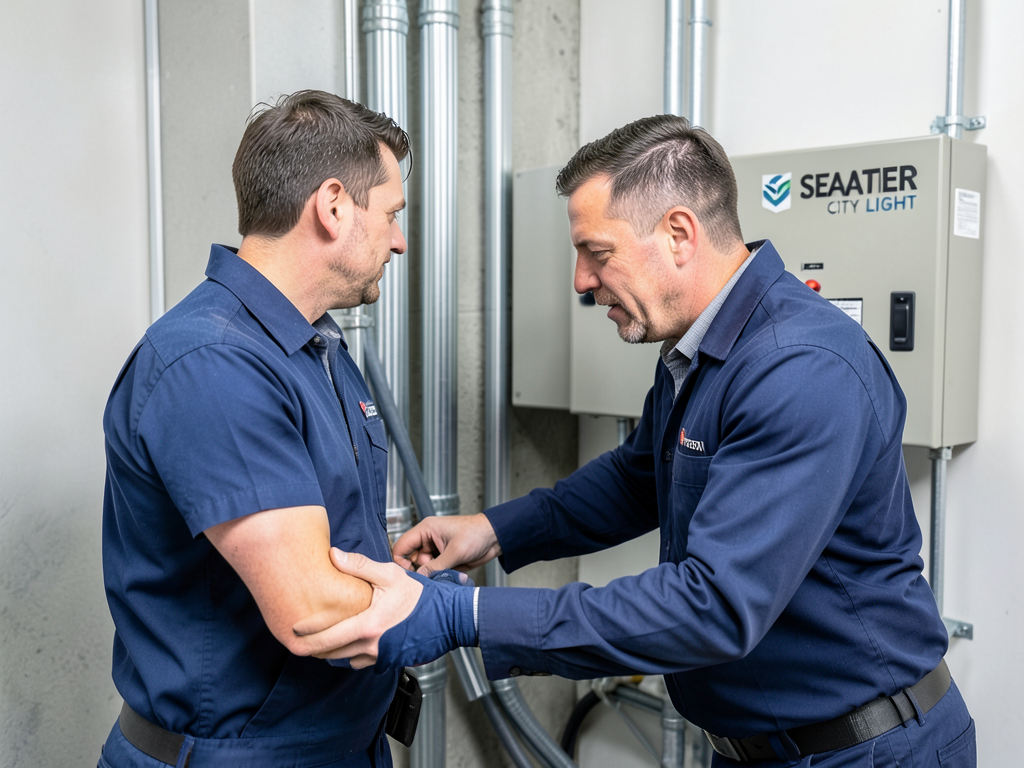
Image description: Technician installing a high-efficiency heat pump with Seattle City Light utility box visible in the background.
The Impact of Refrigerants: GWP and the R-410A Phase-out
Refrigerants matter more than most people realize. The Global Warming Potential of common refrigerants varies widely. R-410A, found in most AC units built before 2025, has a GWP of 2088. That means one pound traps as much heat as 2088 pounds of CO2 over a century. Newer alternatives like R-32 cut that number by more than half. The EPA is phasing out high-GWP refrigerants under the American Innovation and Manufacturing Act. Starting in 2025, new HVAC systems cannot use refrigerants with GWP above 750. If your AC is over 10 years old, replacing it with a modern unit using R-32 or R-454B can prevent thousands of pounds of CO2-equivalent emissions over its lifetime. EPA climate change information.
Seattle’s Clean Energy Grid vs. Natural Gas Heating
Seattle’s electricity mix makes electric heating uniquely clean here. City Light’s grid runs on 90% carbon-free power, mostly from hydroelectric dams on the Skagit and Pend Oreille rivers. Natural gas heating, by contrast, releases carbon whether your furnace is 80% or 95% efficient. A typical Seattle home switching from a 90% efficient gas furnace to a heat pump can cut annual heating emissions by 4 to 5 metric tons of CO2. That’s like taking a car off the road for six months. PSE customers outside Seattle see smaller but still significant benefits because their grid includes more natural gas and coal power.
5 Actionable Ways to Reduce Your HVAC Carbon Footprint
Transitioning to High-Efficiency Heat Pumps
Heat pumps move heat instead of creating it. In winter they pull warmth from outside air even when it’s cold. In summer they reverse to cool your home. Modern cold-climate heat pumps work efficiently down to 5°F. A heat pump with a SEER2 rating of 18 and HSPF2 rating of 10 can deliver three times more heat energy than the electricity it uses. That efficiency means lower bills and lower emissions. Many Seattle homeowners qualify for rebates up to $2,000 from Seattle City Light and federal tax credits covering 30% of installation costs.
The Role of Regular Maintenance in Emission Reduction
A dirty furnace or AC unit can use 20% more energy than a clean one. Clogged filters, dirty coils, and low refrigerant all force systems to work harder. That extra runtime means more emissions even from efficient equipment. Annual maintenance includes checking refrigerant levels, cleaning coils, and testing combustion efficiency on gas furnaces. For heat pumps, technicians verify defrost cycles and check for refrigerant leaks. Catching a small leak early can prevent the release of hundreds of pounds of high-GWP refrigerant. Preventative HVAC maintenance plans that actually save money for Redmond families.
Smart Thermostats and Zone Control Systems
Smart thermostats learn your schedule and adjust temperatures automatically. They can cut heating energy use by 10% to 15% by avoiding heating empty rooms. Zone control takes this further by letting you heat or cool only the areas you’re using. A two-story Phinney Ridge craftsman with bedrooms upstairs and living space downstairs can save significant energy by keeping bedrooms cooler during the day. Some smart thermostats also track energy use and estimate carbon emissions, making it easy to see the impact of your changes. Keeping your historic Queen Anne home cool with ductless AC options.
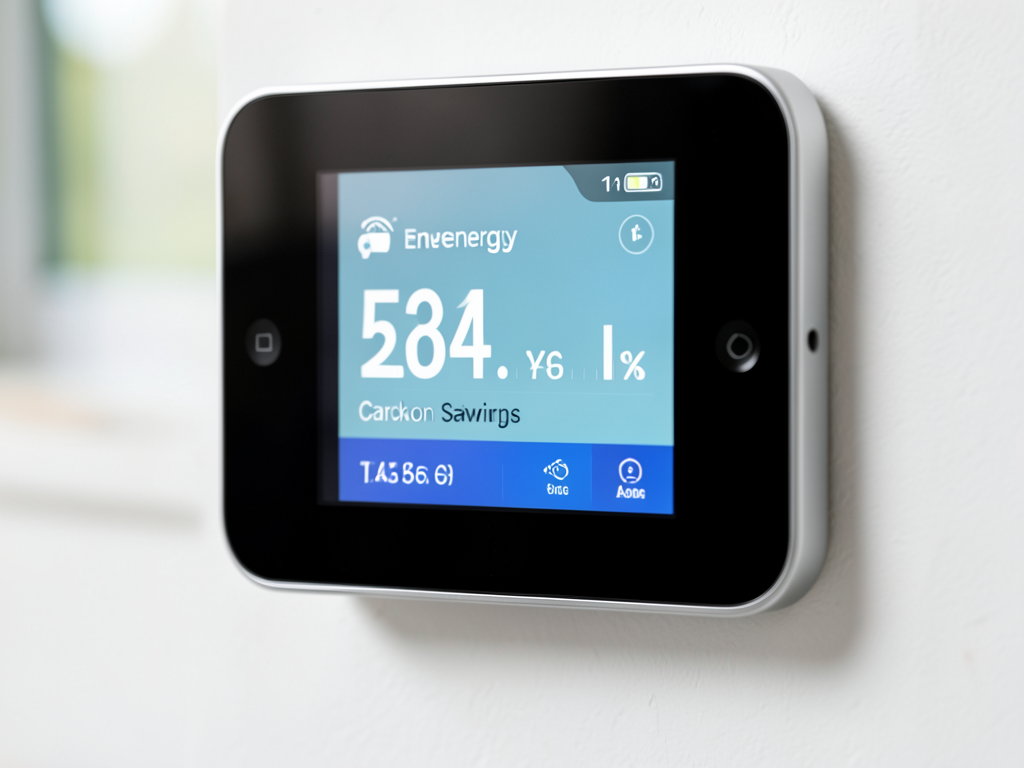
Image description: Close-up of a smart thermostat display showing real-time energy usage and carbon savings.
Local Rebates and Incentives for Decarbonizing Your Home
Seattle offers several programs to help homeowners cut HVAC emissions. Seattle City Light provides rebates up to $2,000 for high-efficiency heat pumps. The federal government offers a 30% tax credit on heat pump installations through 2032. Puget Sound Energy customers can get additional rebates for converting from gas to electric heating. The Washington State Clean Buildings Performance Standard requires large commercial buildings to cut emissions, creating more demand for efficient residential HVAC as people seek consistent comfort. Low-income households may qualify for enhanced rebates through the Community Energy Challenge. Commercial Duct Cleaning.
Calculating Your Savings: ROI of Eco-Friendly HVAC Upgrades
Upfront costs for heat pumps range from $5,000 to $12,000 depending on home size and existing ductwork. Annual energy savings typically range from $300 to $600 compared to electric resistance heat and $200 to $400 compared to gas heating. With rebates and tax credits, payback periods often fall between three and seven years. After that, you keep saving money while avoiding carbon emissions. A heat pump also provides air conditioning, eliminating the need for a separate AC unit. Over a 15-year lifespan, the total savings often exceed $5,000 while preventing several tons of CO2 emissions each year. The best air conditioning options for bungalows and cottages around Green Lake.
Image description: Technician using a combustion analyzer to test furnace efficiency during a maintenance visit.
Frequently Asked Questions
How do I calculate my current HVAC carbon footprint?
Start with your heating fuel. For gas furnaces, multiply your annual therms by 11.7 pounds of CO2 per therm. For electric heat, multiply your winter kWh by your utility’s emission factor. Seattle City Light’s factor is about 0.2 pounds CO2 per kWh. Add refrigerant emissions if you’ve had leaks or plan to replace old equipment.
Can I keep my existing AC and just add a heat pump for heating?
Yes. A heat pump can replace just your furnace while using your existing AC condenser and ductwork. This split system costs less upfront than a complete replacement. However, if your AC is over 10 years old, replacing both at once improves efficiency and prevents future refrigerant issues.
What’s the coldest temperature a heat pump can handle in Seattle?
Modern cold-climate heat pumps heat efficiently down to about 5°F. Seattle rarely sees temperatures that low, so heat pumps work well here year-round. During extreme cold snaps, some systems switch to electric resistance backup, but this happens infrequently and uses minimal energy compared to gas heating all winter.
Are heat pumps noisy?
Modern heat pumps operate at 50 to 60 decibels from 10 feet away, similar to a refrigerator. Indoor units are quieter, around 30 to 40 decibels. Proper installation with vibration isolation and adequate clearance keeps noise levels minimal. Many homeowners report they can’t hear their heat pump running.
How long does installation take?
Most heat pump installations complete in one to two days. The first day covers removal of old equipment and installation of new indoor and outdoor units. The second day includes system commissioning, testing, and cleanup. Duct modifications or electrical upgrades may extend the timeline.
Ready to track and reduce your HVAC carbon footprint? Call (564) 220-5899 today to schedule your free home assessment. We’ll measure your current emissions, show you your upgrade options, and help you qualify for all available rebates. Don’t wait until the next cold snap to start saving money and cutting emissions.
{
“@context”: “https://schema.org”,
“@type”: “BlogPosting”,
“headline”: “Tracking the carbon footprint of your Phinney Ridge home heating and cooling”,
“description”: “Learn how to measure and reduce your HVAC carbon emissions in Phinney Ridge. Get expert tips on heat pumps, efficiency, and Seattle’s clean energy grid.”,
“wordCount”: 1366,
“datePublished”: “2026-06-10T08:46:00.000Z”,
“dateModified”: “2026-06-10T08:46:00.000Z”,
“inLanguage”: “en-US”,
“mainEntityOfPage”: {
“@type”: “WebPage”,
“@id”: “https://peakhvacseattle.com”
},
“publisher”: {
“@type”: “LocalBusiness”,
“name”: “Peak HVAC Seattle”,
“url”: “https://peakhvacseattle.com”
},
“author”: {
“@type”: “Organization”,
“name”: “Peak HVAC Seattle”,
“url”: “https://peakhvacseattle.com”
},
“image”: {
“@type”: “ImageObject”,
“url”: “https://peakhvacseattle.com/wp-content/uploads/2026/03/tracking-the-carbon-footprint-of-your-phinney-ridg-1.png”
}
}
{
“@context”: “https://schema.org”,
“@type”: “HVACBusiness”,
“name”: “Peak HVAC Seattle”,
“url”: “https://peakhvacseattle.com”,
“address”: {
“@type”: “PostalAddress”,
“addressLocality”: “Seattle”
},
“areaServed”: {
“@type”: “City”,
“name”: “Seattle”
}
}
{
“@context”: “https://schema.org”,
“@type”: “FAQPage”,
“mainEntity”: [
{
“@type”: “Question”,
“name”: “How do I calculate my current HVAC carbon footprint?”,
“acceptedAnswer”: {
“@type”: “Answer”,
“text”: “Start with your heating fuel. For gas furnaces, multiply your annual therms by 11.7 pounds of CO2 per therm. For electric heat, multiply your winter kWh by your utility’s emission factor. Seattle City Light’s factor is about 0.2 pounds CO2 per kWh. Add refrigerant emissions if you’ve had leaks or plan to replace old equipment.”
}
},
{
“@type”: “Question”,
“name”: “Can I keep my existing AC and just add a heat pump for heating?”,
“acceptedAnswer”: {
“@type”: “Answer”,
“text”: “Yes. A heat pump can replace just your furnace while using your existing AC condenser and ductwork. This split system costs less upfront than a complete replacement. However, if your AC is over 10 years old, replacing both at once improves efficiency and prevents future refrigerant issues.”
}
},
{
“@type”: “Question”,
“name”: “What’s the coldest temperature a heat pump can handle in Seattle?”,
“acceptedAnswer”: {
“@type”: “Answer”,
“text”: “Modern cold-climate heat pumps heat efficiently down to about 5°F. Seattle rarely sees temperatures that low, so heat pumps work well here year-round. During extreme cold snaps, some systems switch to electric resistance backup, but this happens infrequently and uses minimal energy compared to gas heating all winter.”
}
},
{
“@type”: “Question”,
“name”: “Are heat pumps noisy?”,
“acceptedAnswer”: {
“@type”: “Answer”,
“text”: “Modern heat pumps operate at 50 to 60 decibels from 10 feet away, similar to a refrigerator. Indoor units are quieter, around 30 to 40 decibels. Proper installation with vibration isolation and adequate clearance keeps noise levels minimal. Many homeowners report they can’t hear their heat pump running.”
}
},
{
“@type”: “Question”,
“name”: “How long does installation take?”,
“acceptedAnswer”: {
“@type”: “Answer”,
“text”: “Most heat pump installations complete in one to two days. The first day covers removal of old equipment and installation of new indoor and outdoor units. The second day includes system commissioning, testing, and cleanup. Duct modifications or electrical upgrades may extend the timeline.”
}
}
]
}
{
“@context”: “https://schema.org”,
“@type”: “BreadcrumbList”,
“itemListElement”: [
{
“@type”: “ListItem”,
“position”: 1,
“name”: “Home”,
“item”: “https://peakhvacseattle.com”
},
{
“@type”: “ListItem”,
“position”: 2,
“name”: “Blog”,
“item”: “https://peakhvacseattle.com/blog”
},
{
“@type”: “ListItem”,
“position”: 3,
“name”: “Tracking the carbon footprint of your Phinney Ridge home heating and cooling”
}
]
}
{
“@context”: “https://schema.org”,
“@type”: “Service”,
“serviceType”: “HVAC”,
“provider”: {
“@type”: “LocalBusiness”,
“name”: “Peak HVAC Seattle”,
“url”: “https://peakhvacseattle.com”
},
“areaServed”: {
“@type”: “City”,
“name”: “Seattle”
},
“description”: “Learn how to measure and reduce your HVAC carbon emissions in Phinney Ridge. Get expert tips on heat pumps, efficiency, and Seattle’s clean energy grid.”
}