
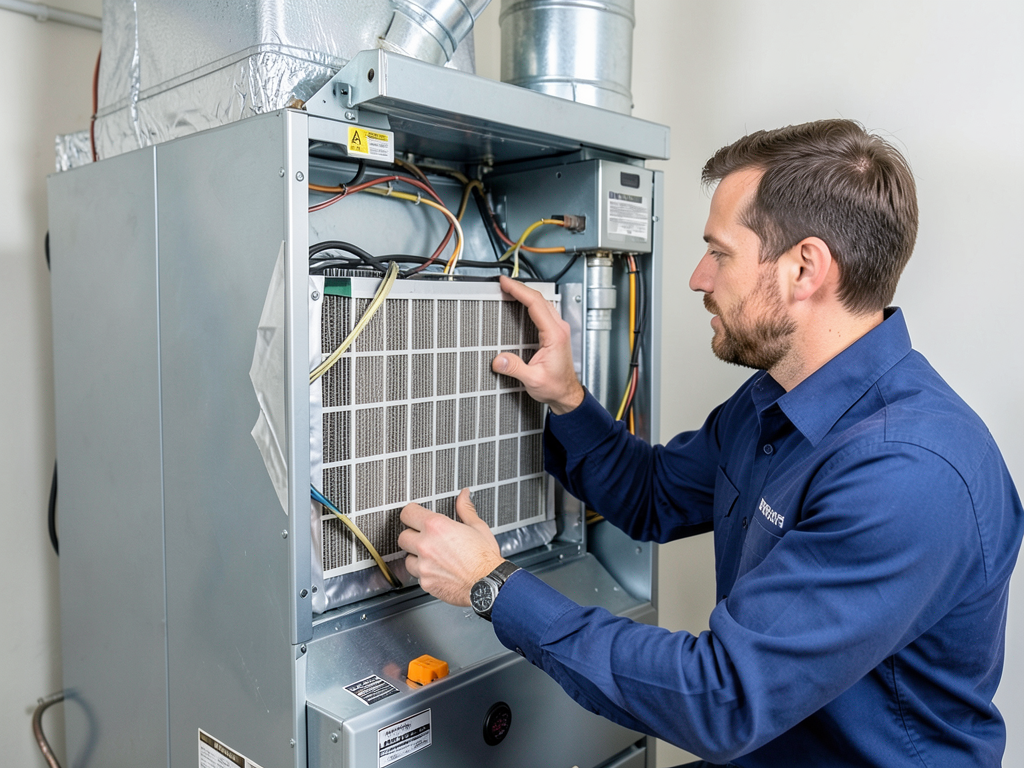
Reducing seasonal allergies and pollen in your Leschi home with high MERV filtration
Leschi’s tree-lined streets and proximity to Lake Washington create a beautiful setting but also trap seasonal allergens that make life miserable for allergy sufferers. High-efficiency MERV filtration can cut airborne irritants by up to 95 percent when properly installed in your HVAC system.
Seattle’s damp climate and dense urban forest mean your home faces unique air quality challenges. Western red cedar pollen peaks in late winter, alder follows in spring, and grass pollen dominates summer months. Add wildfire smoke that drifts in from Eastern Washington and you have a year-round battle against airborne irritants.
Standard one-inch fiberglass filters only catch the largest particles. They let microscopic allergens slip through and circulate back into your living space. Upgrading to high-MERV filtration specifically targets the particles that trigger your symptoms while protecting your HVAC equipment from damage.. Read more about Protecting your Laurelhurst waterfront home from mold and high humidity.
Why standard filters fail Seattle allergy sufferers
Basic filters rated MERV 4-8 capture only particles larger than 10 microns. Pollen grains range from 10-100 microns but break apart into smaller fragments. Mold spores measure 2-10 microns. Wildfire smoke particles fall below 2.5 microns. These microscopic irritants pass right through standard filtration.
Leschi homes built before 2000 often have undersized return air ducts that restrict airflow. Installing a high-MERV filter without proper system evaluation can reduce airflow by 30 percent or more. This forces your furnace to work harder and can cause premature equipment failure. Who to call for 24 hour emergency furnace repair in West Seattle.
Washington State Energy Code Section 13-60-130 requires proper air filtration for new construction but doesn’t address existing homes. Many Leschi residents live in charming Craftsman and bungalow-style homes where original ductwork wasn’t designed for modern filtration standards.
Humidity levels in Leschi typically hover between 70-85 percent year-round. This moisture feeds dust mites and promotes mold growth inside ducts. High-MERV filters trap these organisms before they can multiply and spread throughout your home.
The best HVAC filters for Seattle’s pollen and smoke seasons
MERV ratings measure a filter’s ability to capture particles of different sizes. Higher numbers mean better filtration but also increased resistance to airflow. Finding the right balance for your specific system requires professional evaluation.
MERV 11 filters capture 85 percent of particles between 3-10 microns. They handle most pollen and mold spores while maintaining adequate airflow in most residential systems. These filters work well for seasonal allergy sufferers who want improvement without major system modifications.
MERV 13 filters trap 90 percent of particles down to 1 micron. They capture bacteria, smoke particles, and the smallest pollen fragments. However, they can reduce airflow by 15-20 percent in older systems. Your technician may need to upgrade your blower motor or ductwork to maintain efficiency.
MERV 16 filters achieve 95 percent efficiency down to 0.3 microns. They capture viruses, combustion particles, and virtually all allergens. These high-performance filters require significant system modifications including larger return ducts and more powerful blowers.
| Filter Type | MERV Rating | Particle Size Captured | Best For |
|---|---|---|---|
| Basic Fiberglass | 4-6 | 10+ microns | Dust only |
| Standard Pleated | 8 | 3-10 microns | Basic allergens |
| High-Efficiency Pleated | 11 | 1-10 microns | Seasonal allergies |
| Superior Filtration | 13 | 0.3-10 microns | Severe allergies |
| Hospital Grade | 16 | 0.3+ microns | Compromised immune systems |
Managing indoor air quality in the Puget Sound
Seattle’s unique geography creates air quality challenges that differ from other regions. The Olympic Mountains block some airflow while the Cascade Range channels smoke from Eastern Washington wildfires directly toward the Puget Sound.
Western red cedar produces the most problematic pollen for Leschi residents. These trees release massive amounts of lightweight pollen that can travel for miles on the wind. Cedar pollen season runs from January through March, overlapping with alder pollen that peaks in April and May.
Grass pollen dominates summer months when dry conditions allow particles to remain airborne longer. Timothy grass, Kentucky bluegrass, and orchard grass all contribute to the mix. These pollens cause cross-reactions in people allergic to tree pollens.
Wildfire smoke events have become annual occurrences in Western Washington. The 2017-2020 fire seasons demonstrated how quickly air quality can deteriorate. PM2.5 particles from smoke penetrate deep into lungs and trigger asthma attacks in sensitive individuals.
Humidity control plays a crucial role in allergen management. Dust mites thrive when relative humidity exceeds 50 percent. They feed on dead skin cells and produce waste particles that trigger allergic reactions. Maintaining humidity between 35-45 percent starves dust mites and prevents mold growth.
Whole-home air purification vs high-efficiency filters
Standalone air purifiers can help but they only clean the air in one room. A whole-home system treats all the air circulating through your HVAC system. This approach provides consistent protection throughout your entire living space.
Electronic air cleaners use charged plates to attract and trap particles. They can capture particles as small as 0.1 microns with minimal airflow restriction. However, they require regular cleaning and can produce ozone as a byproduct. Commercial Duct Cleaning.
UV germicidal lights installed in your ductwork kill bacteria, viruses, and mold spores. They work best when combined with high-MERV filtration. The UV light destroys organisms that pass through the filter, providing two layers of protection.
Activated carbon filters absorb odors, volatile organic compounds, and smoke particles. They complement mechanical filtration by removing gases that MERV-rated filters cannot capture. Carbon filters need replacement every 3-6 months depending on usage.
Bipolar ionization technology releases charged ions that attach to airborne particles. These charged particles clump together and become large enough for standard filters to capture. This technology can enhance the effectiveness of existing filtration without requiring system modifications.
Professional filter installation and IAQ testing in Seattle
Installing the wrong filter can damage your HVAC system and void your warranty. Professional evaluation ensures your system can handle the increased resistance while delivering the air quality improvement you need.
IAQ testing measures the actual particle levels in your home. This diagnostic process identifies specific allergens and pollutants affecting your indoor air. Testing helps determine the most effective filtration strategy for your unique situation.
Static pressure testing measures the resistance in your ductwork. This critical assessment determines whether your system can support high-MERV filtration. Many older Leschi homes have undersized returns that need modification before upgrading filters.
Filter replacement frequency depends on your specific environment and filter type. Homes near Lake Washington or with pets may need replacement every 60-90 days. Standard recommendations suggest changing filters every 90 days but Seattle’s conditions often require more frequent changes.
Professional installation includes proper sealing of filter housings to prevent air bypass. Even small gaps around filters allow unfiltered air to circulate through your home. Technicians use specialized tools to ensure airtight installation.
Regular maintenance keeps your filtration system working effectively. This includes cleaning electronic air cleaner plates, replacing UV bulbs annually, and inspecting ductwork for leaks or contamination. Preventative HVAC maintenance plans that actually save money for Redmond families.
Call (564) 220-5899 today to schedule your indoor air quality assessment. Our technicians understand Leschi’s specific air quality challenges and can recommend the right filtration solution for your home and budget.
Frequently Asked Questions
What MERV rating is best for seasonal allergies?
MERV 11-13 filters provide the best balance for most allergy sufferers. They capture 85-90 percent of pollen, mold spores, and dust while maintaining adequate airflow in standard residential systems.
How often should I replace my HVAC filter in Seattle?
Replace standard filters every 60-90 days. Homes with pets, near Lake Washington, or during wildfire season may need replacement every 30-60 days for optimal performance.
Can high-MERV filters damage my furnace?
Filters above MERV 13 can restrict airflow and strain older systems. Professional evaluation ensures your equipment can handle the increased resistance without damage or reduced efficiency.
Will better filters help with wildfire smoke?
MERV 13+ filters capture most smoke particles, including PM2.5. Combining high-efficiency filtration with activated carbon provides the best protection against smoke and odors during wildfire season.
How much does professional IAQ testing cost?
IAQ testing typically ranges from $200-400 depending on the scope. This investment identifies specific pollutants affecting your home and guides the most effective filtration strategy.
Do I need to upgrade my ductwork for high-MERV filters?
Many older Leschi homes have undersized returns that restrict airflow. Professional assessment determines if modifications are needed before installing high-efficiency filters.
What’s the difference between HEPA and MERV filters?
HEPA filters achieve MERV 17+ ratings and capture 99.97 percent of particles. They require significant system modifications. MERV 13-16 filters provide excellent filtration with minimal system changes. EPA Indoor Air Quality.
Pick up the phone and call (564) 220-5899 before the next pollen season hits. Our team can evaluate your current system and recommend the right filtration solution to keep your Leschi home comfortable and healthy year-round. For more information, visit ASHRAE Filtration Standards.
You may also find this helpful. Why replacing electric baseboard heaters with a mini split is the best move for First Hill condos.
You may also find this helpful. Dealing with window condensation and damp air in Columbia City homes using a whole house dehumidifier.
You may also find this helpful. Dealing with pet hair and dander in your Georgetown home HVAC system.
You may also find this helpful. Getting rid of stubborn cooking smells in your open concept Maple Leaf townhome.
You may also find this helpful. Why your furnace smells like burning dust and when you should actually worry.
{
“@context”: “https://schema.org”,
“@type”: “BlogPosting”,
“headline”: “Reducing seasonal allergies and pollen in your Leschi home with high MERV filtration”,
“description”: “Leschi homeowners can breathe easier with high-MERV HVAC filters that capture Seattle’s specific allergens. Learn which filters stop cedar pollen, mold spores, and wildfire smoke.”,
“wordCount”: 1465,
“datePublished”: “2026-03-11T13:27:00.000Z”,
“dateModified”: “2026-03-11T13:27:00.000Z”,
“inLanguage”: “en-US”,
“mainEntityOfPage”: {
“@type”: “WebPage”,
“@id”: “https://peakhvacseattle.com”
},
“publisher”: {
“@type”: “LocalBusiness”,
“name”: “Peak HVAC Seattle”,
“url”: “https://peakhvacseattle.com”
},
“author”: {
“@type”: “Organization”,
“name”: “Peak HVAC Seattle”,
“url”: “https://peakhvacseattle.com”
},
“image”: {
“@type”: “ImageObject”,
“url”: “https://peakhvacseattle.com/wp-content/uploads/2026/03/reducing-seasonal-allergies-and-pollen-in-your-les-1.png”
}
}
{
“@context”: “https://schema.org”,
“@type”: “HVACBusiness”,
“name”: “Peak HVAC Seattle”,
“url”: “https://peakhvacseattle.com”,
“address”: {
“@type”: “PostalAddress”,
“addressLocality”: “Seattle”
},
“areaServed”: {
“@type”: “City”,
“name”: “Seattle”
}
}
{
“@context”: “https://schema.org”,
“@type”: “FAQPage”,
“mainEntity”: [
{
“@type”: “Question”,
“name”: “What MERV rating is best for seasonal allergies?”,
“acceptedAnswer”: {
“@type”: “Answer”,
“text”: “MERV 11-13 filters provide the best balance for most allergy sufferers. They capture 85-90 percent of pollen, mold spores, and dust while maintaining adequate airflow in standard residential systems.”
}
},
{
“@type”: “Question”,
“name”: “How often should I replace my HVAC filter in Seattle?”,
“acceptedAnswer”: {
“@type”: “Answer”,
“text”: “Replace standard filters every 60-90 days. Homes with pets, near Lake Washington, or during wildfire season may need replacement every 30-60 days for optimal performance.”
}
},
{
“@type”: “Question”,
“name”: “Can high-MERV filters damage my furnace?”,
“acceptedAnswer”: {
“@type”: “Answer”,
“text”: “Filters above MERV 13 can restrict airflow and strain older systems. Professional evaluation ensures your equipment can handle the increased resistance without damage or reduced efficiency.”
}
},
{
“@type”: “Question”,
“name”: “Will better filters help with wildfire smoke?”,
“acceptedAnswer”: {
“@type”: “Answer”,
“text”: “MERV 13+ filters capture most smoke particles, including PM2.5. Combining high-efficiency filtration with activated carbon provides the best protection against smoke and odors during wildfire season.”
}
},
{
“@type”: “Question”,
“name”: “How much does professional IAQ testing cost?”,
“acceptedAnswer”: {
“@type”: “Answer”,
“text”: “IAQ testing typically ranges from $200-400 depending on the scope. This investment identifies specific pollutants affecting your home and guides the most effective filtration strategy.”
}
},
{
“@type”: “Question”,
“name”: “Do I need to upgrade my ductwork for high-MERV filters?”,
“acceptedAnswer”: {
“@type”: “Answer”,
“text”: “Many older Leschi homes have undersized returns that restrict airflow. Professional assessment determines if modifications are needed before installing high-efficiency filters.”
}
},
{
“@type”: “Question”,
“name”: “What’s the difference between HEPA and MERV filters?”,
“acceptedAnswer”: {
“@type”: “Answer”,
“text”: “HEPA filters achieve MERV 17+ ratings and capture 99.97 percent of particles. They require significant system modifications. MERV 13-16 filters provide excellent filtration with minimal system changes. EPA Indoor Air Quality.”
}
}
]
}
{
“@context”: “https://schema.org”,
“@type”: “BreadcrumbList”,
“itemListElement”: [
{
“@type”: “ListItem”,
“position”: 1,
“name”: “Home”,
“item”: “https://peakhvacseattle.com”
},
{
“@type”: “ListItem”,
“position”: 2,
“name”: “Blog”,
“item”: “https://peakhvacseattle.com/blog”
},
{
“@type”: “ListItem”,
“position”: 3,
“name”: “Reducing seasonal allergies and pollen in your Leschi home with high MERV filtration”
}
]
}
{
“@context”: “https://schema.org”,
“@type”: “Service”,
“serviceType”: “HVAC”,
“provider”: {
“@type”: “LocalBusiness”,
“name”: “Peak HVAC Seattle”,
“url”: “https://peakhvacseattle.com”
},
“areaServed”: {
“@type”: “City”,
“name”: “Seattle”
},
“description”: “Leschi homeowners can breathe easier with high-MERV HVAC filters that capture Seattle’s specific allergens. Learn which filters stop cedar pollen, mold spores, and wildfire smoke.”
}