
Protecting your Laurelhurst waterfront home from mold and high humidity
Living on the shores of Lake Washington in Laurelhurst means waking up to stunning water views and cool lake breezes. But that same proximity to water creates a hidden threat: persistent moisture that seeps into your home and creates perfect conditions for mold growth and structural damage. Waterfront homes in Seattle face unique humidity challenges that standard HVAC systems cannot handle alone.
The combination of Seattle’s marine climate, lake-effect moisture, and salt-air corrosion creates an environment where indoor humidity often climbs above 60 percent even with air conditioning running. This excess moisture damages wood trim, warps hardwood floors, and provides the ideal breeding ground for mold spores. Waterfront properties in Laurelhurst experience these conditions year-round with seasonal variations that can catch homeowners off guard. The best air conditioning options for bungalows and cottages around Green Lake.
Understanding how to control humidity in your Laurelhurst waterfront home requires knowledge of both the local climate and the technical solutions available. The right approach combines whole-home dehumidification, proper ventilation, and smart monitoring systems to protect your investment from the ground up. Let’s explore the specific challenges waterfront homeowners face and the proven solutions that keep your home dry and healthy.
The unique humidity challenges of Laurelhurst waterfront properties
Laurelhurst sits on a peninsula extending into Lake Washington with homes built right at the water’s edge. This location creates a microclimate where morning fog rolls in from the lake and evening breezes carry moisture directly against your exterior walls. The combination of lake proximity and Seattle’s maritime weather patterns means your home experiences higher relative humidity than properties even a few blocks inland.
During winter months, Laurelhurst homes face the double challenge of cold, damp air from the lake mixing with warm indoor air. This temperature differential creates condensation on windows, inside wall cavities, and in attic spaces. Summer brings its own problems as warm lake water evaporates into the air, creating high vapor pressure that pushes moisture through building materials.
The specific geology of the Laurelhurst area also contributes to moisture problems. Homes built on glacial till soil near the lake often have higher water tables that can push moisture up through foundations. Combined with the area’s older housing stock, many Laurelhurst properties have inadequate vapor barriers or drainage systems that were never designed for today’s humidity levels.
According to the Washington State Energy Code Section 13-06, waterfront homes must meet specific moisture control requirements that differ from inland properties. These codes recognize that homes within 1,000 feet of major water bodies require enhanced vapor barriers and drainage systems to prevent moisture intrusion.
Health and structural risks of unmanaged humidity
High indoor humidity creates more than just uncomfortable living conditions. When relative humidity climbs above 60 percent, mold spores that exist naturally in all homes begin to grow on damp surfaces. In Laurelhurst waterfront homes, common problem areas include basement walls, crawl spaces, and areas behind furniture where air circulation is limited.
Mold growth in these hidden areas releases spores into your indoor air, triggering respiratory problems, allergic reactions, and asthma attacks. The EPA’s mold guidelines specifically warn that waterfront homes require proactive humidity control because the constant moisture exposure creates conditions where mold can establish itself before homeowners notice visible signs. EPA mold guidelines.
Beyond health concerns, excess moisture causes serious structural damage to waterfront properties. Wood rot affects window frames, door jambs, and structural beams when moisture content stays above 20 percent for extended periods. In Laurelhurst’s older homes, this can mean replacing entire sections of framing or siding that have deteriorated from the inside out.
High humidity also damages your home’s finishes and contents. Hardwood floors cup and warp when moisture content varies across the board thickness. Wallpaper peels away from walls as adhesive breaks down in humid conditions. Even your electronics and artwork suffer when humidity stays elevated, with corrosion affecting metal components and paper-based materials absorbing moisture.
The financial impact of unmanaged humidity can be substantial. Waterfront homeowners in Laurelhurst often face remediation costs ranging from $5,000 to $25,000 when mold problems go unaddressed. These costs multiply when structural repairs become necessary, making preventive humidity control a smart investment that protects your home’s value.
Whole-home dehumidification systems for waterfront protection
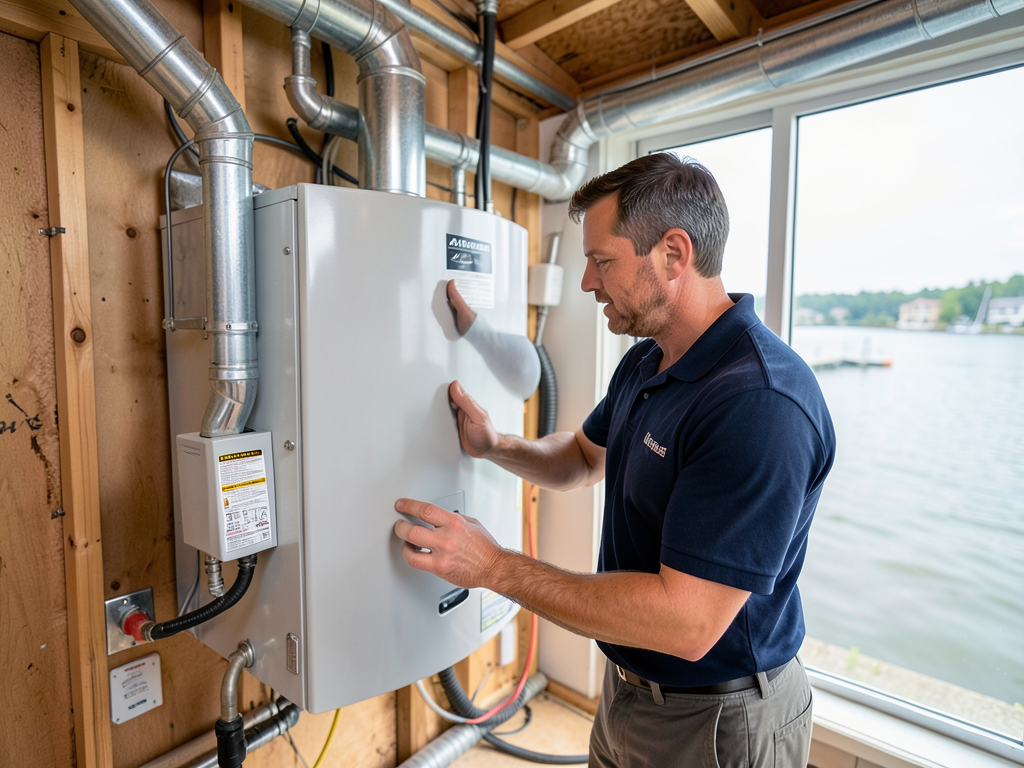
Standalone dehumidifiers cannot handle the moisture loads in waterfront homes. These portable units work for single rooms but cannot address the whole-house humidity that affects Laurelhurst properties. Whole-home dehumidification systems integrate with your existing HVAC equipment to remove moisture throughout your entire home continuously.
AprilAire high-capacity dehumidifiers represent the gold standard for waterfront applications. These systems can remove 90 to 135 pints of moisture per day, enough to handle even the most challenging Laurelhurst lakefront conditions. The units install directly into your ductwork, treating all the air that circulates through your home.
Whole-home systems offer several advantages over portable units. They operate automatically based on humidity sensors, require minimal maintenance, and treat air in all rooms simultaneously. Most importantly, they integrate with your existing heating and cooling system to provide coordinated moisture control without creating cold spots or drafts. Preventative HVAC maintenance plans that actually save money for Redmond families.
Installation typically takes one to two days and requires professional sizing to match your home’s specific needs. Factors like square footage, ceiling height, number of occupants, and local climate all affect the required capacity. A properly sized system in a typical Laurelhurst waterfront home might remove 100 pints of moisture daily while using less electricity than three or four portable dehumidifiers. Why your Ballard home needs professional furnace repair before the first freeze.
Modern whole-home dehumidifiers include features specifically designed for Seattle’s climate. These include freeze protection for winter operation, washable filters that capture mold spores, and corrosion-resistant components that withstand the salt-air exposure common in waterfront locations. Some systems even include smart controls that allow you to monitor humidity levels remotely through smartphone apps.
ERV and HRV systems for balanced ventilation
Energy Recovery Ventilators (ERVs) and Heat Recovery Ventilators (HRVs) provide another layer of humidity control by bringing fresh air into your home while removing stale, moisture-laden air. For Laurelhurst waterfront properties, ERVs typically offer better performance because they transfer moisture between incoming and outgoing air streams.. Read more about Fresh air without the chill (How HRV and ERV systems work for new Bothell builds).
ERVs work by passing incoming fresh air and outgoing stale air through a heat exchanger core. In summer, the core pre-cools incoming air while removing some of its moisture. In winter, the process reverses to pre-warm incoming air. This heat and moisture exchange reduces the load on your heating and cooling systems while maintaining balanced indoor air pressure.
The ASHRAE 62.2 ventilation standard requires specific fresh air exchange rates based on home size and occupancy. For a typical Laurelhurst waterfront home, this means exchanging the entire volume of indoor air every three to four hours. ERVs handle this ventilation automatically while recovering 70 to 80 percent of the energy that would otherwise be lost. ASHRAE 62.2 ventilation standard.
HRVs function similarly but transfer only heat, not moisture. This makes them better suited for very dry climates but less effective in Seattle’s marine environment. The choice between ERV and HRV depends on your specific home characteristics and whether you need to add or remove moisture from incoming air.
Installation involves connecting the ERV to your existing ductwork or creating dedicated ventilation ducts. The units typically install in attics, utility closets, or mechanical rooms where noise and appearance are less critical. Professional installation ensures proper airflow balancing and integration with your home’s existing ventilation system.
Salt-air corrosion protection for waterfront HVAC equipment
Living near Lake Washington exposes your HVAC equipment to unique corrosion challenges. While not as severe as oceanfront properties, the combination of lake moisture and Seattle’s urban air creates conditions where metal components can deteriorate faster than expected. This corrosion affects outdoor condenser coils, furnace heat exchangers, and even indoor components near windows. Who to call for 24 hour emergency furnace repair in West Seattle.
Blygold and phenolic coatings provide factory-applied protection for HVAC components exposed to corrosive environments. These specialized coatings create a barrier between metal surfaces and the moist, salty air that accelerates corrosion. For waterfront homes in Laurelhurst, this protection can extend equipment life by 50 to 100 percent compared to uncoated components.
Condenser coils represent the most vulnerable outdoor component. These aluminum fins and copper tubes are exposed to rain, humidity, and airborne contaminants. Without protection, corrosion can reduce heat transfer efficiency by 30 percent within five years, forcing your system to work harder and consume more energy.
Professional corrosion protection involves more than just coating components. Technicians must properly clean and prepare surfaces before application, ensure complete coverage of all exposed metal, and verify that coatings do not interfere with heat transfer or electrical connections. The process typically adds 20 to 30 percent to equipment costs but pays for itself through extended service life. Weekend HVAC Service.
Regular maintenance becomes even more critical for waterfront properties. Annual coil cleaning removes salt deposits and other contaminants that can trap moisture against metal surfaces. Technicians should inspect all connections, check for signs of corrosion, and verify that protective coatings remain intact. This preventive approach can identify problems before they cause system failures.. Read more about Deep cleaning your Eastlake mini split to remove hidden mold and dust.
Smart monitoring and automation for waterfront homes
Modern smart home technology makes waterfront humidity control more effective and convenient than ever before. Smart hygrometers placed throughout your home provide real-time humidity readings that alert you to problems before they cause damage. These sensors connect to your smartphone, allowing you to monitor conditions even when you’re away from your Laurelhurst property.
Smart thermostats with humidity sensors offer another layer of control. These devices can automatically adjust your HVAC system based on both temperature and humidity levels. Some models learn your preferences over time and optimize operation for comfort while minimizing energy consumption. Integration with whole-home dehumidifiers allows coordinated moisture removal without overcooling your home.
For vacation or secondary waterfront homes, remote monitoring becomes essential. Smart systems can send alerts when humidity climbs above preset thresholds, allowing you to address problems before returning to find mold growth or water damage. Some systems even integrate with local HVAC contractors, automatically scheduling service when problems are detected.
Whole-home automation systems take humidity control to the next level by coordinating multiple devices. These systems can adjust ERV ventilation rates based on outdoor humidity, activate dehumidifiers when needed, and even control window shades to reduce solar heat gain that contributes to indoor humidity. The result is a comprehensive approach that maintains optimal conditions with minimal energy waste.
Installation of smart monitoring systems typically takes a few hours and requires minimal disruption to your home. Professional setup ensures proper sensor placement, reliable network connectivity, and integration with existing HVAC equipment. The investment pays off through early problem detection, energy savings, and the peace of mind that comes from knowing your home is protected.
Building envelope improvements for moisture control
Even the best HVAC equipment cannot compensate for a building envelope that allows moisture intrusion. Waterfront homes in Laurelhurst often require specific envelope improvements to address the unique challenges of their location. These upgrades work alongside mechanical systems to create a comprehensive moisture control strategy.
Windows and doors represent common failure points in waterfront homes. Older single-pane windows allow condensation to form on interior surfaces, while gaps around frames let moist air infiltrate your home. Upgrading to modern double or triple-pane windows with proper sealing can reduce humidity loads by 15 to 20 percent while improving energy efficiency.. Read more about Improving the air quality in your Tukwila basement or garden-level apartment.
Roof and wall penetrations require special attention in waterfront properties. Vents, exhaust fans, and utility penetrations can become pathways for moisture entry if not properly sealed. Professional inspection can identify these vulnerabilities and recommend appropriate sealing methods that maintain ventilation while preventing water intrusion.
Crawl spaces and basements in waterfront homes face particular challenges. High water tables and moisture migration through concrete can create chronically damp conditions that overwhelm even the best dehumidification systems. Solutions include installing vapor barriers on crawl space floors, improving exterior drainage, and adding dedicated dehumidifiers for these areas.
Exterior siding and trim materials matter more in waterfront locations. Traditional wood siding requires frequent maintenance and can absorb moisture that migrates into wall cavities. Modern composite or fiber cement siding resists moisture absorption while providing better insulation values. Proper installation with adequate drainage planes prevents water from becoming trapped behind siding.
The Washington State Energy Code requires specific moisture control measures for homes in high-humidity zones. These requirements include enhanced vapor barriers, proper flashing details, and drainage systems designed to handle the moisture loads typical of waterfront properties. Compliance with these codes not only protects your home but may be required for insurance coverage.
Professional assessment and customized solutions
Every waterfront home has unique characteristics that affect humidity control needs. Professional assessment involves measuring current humidity levels, inspecting building envelope integrity, and evaluating existing HVAC system performance. This comprehensive evaluation identifies the specific problems affecting your Laurelhurst property and recommends targeted solutions.
Moisture meters provide objective data about humidity levels in different areas of your home. Professional technicians use these tools to measure moisture content in wood, drywall, and other materials. Readings above 20 percent in structural wood or 17 percent in drywall indicate conditions that support mold growth and material deterioration.
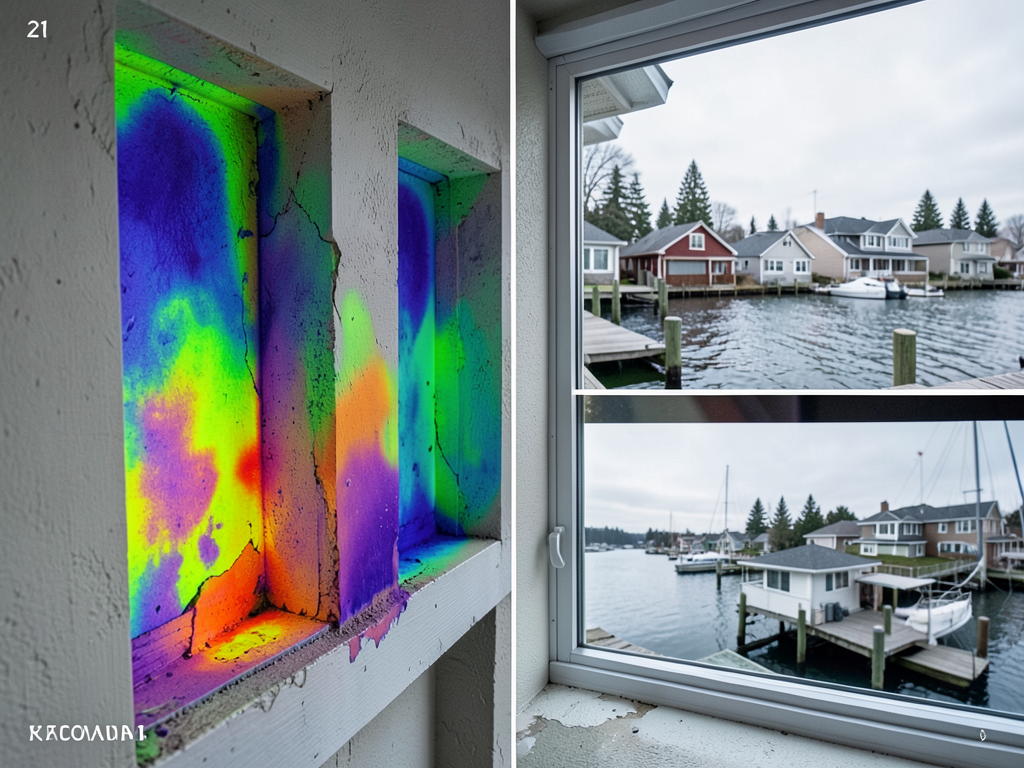
Thermal imaging cameras reveal hidden moisture problems that cannot be detected visually. These devices show temperature variations that indicate air leaks, missing insulation, or moisture accumulation behind walls. In waterfront homes, thermal imaging often reveals condensation forming in wall cavities or attic spaces where warm indoor air meets cold exterior surfaces.
Professional assessment also includes evaluating your home’s air exchange rates and pressure relationships. Negative pressure can draw moist outdoor air into your home through gaps and cracks, while positive pressure can force conditioned air out through the building envelope. Balancing these pressures is essential for effective humidity control in waterfront properties.
Based on assessment results, technicians develop customized solutions that address your specific problems. This might include upgrading your HVAC system, adding whole-home dehumidification, improving building envelope integrity, or implementing smart monitoring systems. The goal is creating a comprehensive approach that maintains optimal humidity levels while minimizing energy consumption.
Professional installation ensures that all components work together effectively. Improper installation of even high-quality equipment can lead to poor performance and wasted energy. Certified technicians understand the specific requirements for waterfront applications and can ensure that your system meets both comfort and code requirements.
Maintenance and monitoring for long-term protection
Humidity control in waterfront homes requires ongoing attention to maintain optimal performance. Regular maintenance prevents small problems from becoming major issues and ensures that your systems continue operating efficiently. A comprehensive maintenance plan includes both mechanical system servicing and building envelope inspections.
Mechanical system maintenance should occur at least twice yearly, typically in spring and fall. This timing allows technicians to prepare your system for the high humidity of summer and the moisture challenges of winter. Maintenance tasks include cleaning coils, checking refrigerant levels, inspecting electrical connections, and verifying that all controls function properly.
Filter replacement represents one of the most important maintenance tasks. Clean filters not only improve air quality but also maintain proper airflow through your HVAC system. In waterfront homes, filters may need more frequent replacement due to higher dust and pollen levels common near water bodies. Some systems include pressure sensors that alert you when filters need replacement.
Building envelope inspections should occur annually to identify developing problems before they cause significant damage. This includes checking for gaps around windows and doors, inspecting roof flashing, and examining exterior siding for signs of moisture damage. Early detection of these issues can prevent costly repairs and maintain your home’s energy efficiency.
Smart monitoring systems provide continuous protection by alerting you to developing problems. These systems can detect unusual humidity patterns, equipment malfunctions, or building envelope failures. Some advanced systems even integrate with weather forecasts to anticipate conditions that might affect your home’s moisture levels and adjust operation accordingly.
Documentation of maintenance and repairs creates a valuable record for both you and future owners. This documentation can help identify recurring problems, verify that systems operate as designed, and provide evidence of proper maintenance if you ever sell your home. Some smart systems automatically generate these records, making it easy to track your home’s performance over time.
Cost considerations and return on investment
Investing in comprehensive humidity control for your waterfront home requires careful consideration of both costs and benefits. While the initial investment may seem substantial, the long-term savings and protection often justify the expense. Understanding the cost factors helps you make informed decisions about which solutions best meet your needs and budget.
Whole-home dehumidification systems typically cost between $3,000 and $7,000 installed, depending on capacity and features. Higher-capacity units designed for very humid conditions or larger homes fall at the upper end of this range. While this represents a significant investment, these systems often pay for themselves through energy savings and prevented damage within three to five years.
ERV or HRV systems add another $2,000 to $4,000 to your investment but provide benefits beyond humidity control. These systems improve indoor air quality, reduce energy costs, and help maintain consistent temperatures throughout your home. When combined with whole-home dehumidification, they create a comprehensive solution that addresses multiple comfort and efficiency issues.
Building envelope improvements vary widely in cost depending on the scope of work required. Window and door replacements might cost $10,000 to $30,000 for a typical waterfront home, while targeted sealing and insulation improvements could cost $2,000 to $8,000. These improvements often provide the best return on investment through energy savings and improved comfort.
Smart monitoring and automation systems represent a smaller investment, typically $500 to $2,000, but offer significant benefits in terms of convenience and early problem detection. These systems can prevent thousands of dollars in damage by alerting you to developing moisture problems before they cause visible damage or require extensive repairs.
The true return on investment extends beyond direct cost savings. Protecting your home from moisture damage preserves its value and prevents the stress and disruption of major repairs. For many waterfront homeowners, the peace of mind that comes from knowing their home is protected represents a significant intangible benefit that justifies the investment.
Frequently Asked Questions
How do I know if my waterfront home has a humidity problem?
Common signs include condensation on windows, musty odors, visible mold growth, warped wood floors, and peeling paint or wallpaper. You can use a hygrometer to measure indoor humidity levels; readings consistently above 60 percent indicate a problem that requires attention.
Can I use portable dehumidifiers instead of whole-home systems?
Portable units work for small areas but cannot effectively control humidity throughout an entire waterfront home. They require frequent emptying, create noise, and often cannot keep up with the moisture loads in Seattle’s marine climate. Whole-home systems provide more effective and convenient control.
How much does professional humidity assessment cost?
Professional assessment typically costs $300 to $600 and includes moisture readings, thermal imaging, and evaluation of your existing HVAC system. This assessment identifies specific problems and provides recommendations for effective solutions tailored to your home’s unique characteristics.
Will humidity control systems increase my energy bills?
Properly designed systems often reduce energy consumption by allowing your air conditioner to operate more efficiently. Whole-home dehumidifiers use less energy than multiple portable units while providing better control. Many homeowners see neutral or reduced energy costs after installation.
How long do humidity control systems typically last?
Quality whole-home dehumidifiers and ERVs typically last 10 to 15 years with proper maintenance. Building envelope improvements like window replacements can last 20 to 30 years. Smart monitoring systems may need updates every 5 to 7 years as technology advances.
- Assess current conditions
Measure indoor humidity levels, inspect for visible moisture damage, and evaluate existing HVAC system performance to identify specific problems affecting your home.
- Install whole-home dehumidification
Choose a system sized for your home’s specific needs, typically 90 to 135 pints per day for waterfront properties, and integrate it with your existing HVAC equipment.
- Add balanced ventilation
Install an ERV system to provide fresh air while recovering energy and managing moisture, ensuring compliance with ASHRAE 62.2 ventilation standards.
- Protect against corrosion
Apply specialized coatings to outdoor HVAC components and schedule regular maintenance to prevent salt-air corrosion from reducing system efficiency.
- Monitor and maintain
Install smart sensors to track humidity levels, schedule regular professional maintenance, and inspect building envelope integrity annually to ensure long-term protection.
Take action to protect your waterfront investment
Your Laurelhurst waterfront home represents one of your most significant investments, and protecting it from moisture damage should be a top priority. The unique combination of lake proximity, Seattle’s marine climate, and the age of many waterfront properties creates conditions where humidity problems can develop quickly and cause extensive damage before you notice visible signs.
Don’t wait until you see mold growing on walls or feel hardwood floors warping beneath your feet. Professional assessment can identify developing problems and recommend solutions that protect your home while improving comfort and energy efficiency. The cost of preventive measures is always less than the expense of repairing moisture damage and replacing damaged materials.
Call (564) 220-5899 today to schedule your waterfront home humidity assessment. Our certified technicians understand the specific challenges Laurelhurst homeowners face and can recommend customized solutions that protect your investment for years to come. Whether you need whole-home dehumidification, ERV installation, or building envelope improvements, we have the expertise to keep your waterfront home dry and healthy.
Pick up the phone and call (564) 220-5899 before the next storm rolls in from Lake Washington. Your home deserves professional protection from the unique humidity challenges of waterfront living in Seattle.
Don’t let moisture damage your Laurelhurst dream home. Call (564) 220-5899 now for expert humidity control solutions that work in Seattle’s marine climate.
You may also find this helpful. Why a variable speed blower motor is worth the extra cost for Wedgwood families.
You may also find this helpful. Solving the dry skin and itchy throat problem in your Bryant home this winter.
{
“@context”: “https://schema.org”,
“@type”: “BlogPosting”,
“headline”: “Protecting your Laurelhurst waterfront home from mold and high humidity”,
“description”: “Keep your Laurelhurst waterfront home safe from mold and moisture damage. Learn about whole-home dehumidifiers, ERVs, and salt-air corrosion protection in Seattle.”,
“wordCount”: 3647,
“datePublished”: “2026-03-26T12:10:00.000Z”,
“dateModified”: “2026-03-26T12:10:00.000Z”,
“inLanguage”: “en-US”,
“mainEntityOfPage”: {
“@type”: “WebPage”,
“@id”: “https://peakhvacseattle.com”
},
“publisher”: {
“@type”: “LocalBusiness”,
“name”: “Peak HVAC Seattle”,
“url”: “https://peakhvacseattle.com”
},
“author”: {
“@type”: “Organization”,
“name”: “Peak HVAC Seattle”,
“url”: “https://peakhvacseattle.com”
},
“image”: {
“@type”: “ImageObject”,
“url”: “https://peakhvacseattle.com/wp-content/uploads/2026/03/protecting-your-laurelhurst-waterfront-home-from-m-1.png”
}
}
{
“@context”: “https://schema.org”,
“@type”: “HVACBusiness”,
“name”: “Peak HVAC Seattle”,
“url”: “https://peakhvacseattle.com”,
“address”: {
“@type”: “PostalAddress”,
“addressLocality”: “Seattle”
},
“areaServed”: {
“@type”: “City”,
“name”: “Seattle”
}
}
{
“@context”: “https://schema.org”,
“@type”: “FAQPage”,
“mainEntity”: [
{
“@type”: “Question”,
“name”: “How do I know if my waterfront home has a humidity problem?”,
“acceptedAnswer”: {
“@type”: “Answer”,
“text”: “Common signs include condensation on windows, musty odors, visible mold growth, warped wood floors, and peeling paint or wallpaper. You can use a hygrometer to measure indoor humidity levels; readings consistently above 60 percent indicate a problem that requires attention.”
}
},
{
“@type”: “Question”,
“name”: “Can I use portable dehumidifiers instead of whole-home systems?”,
“acceptedAnswer”: {
“@type”: “Answer”,
“text”: “Portable units work for small areas but cannot effectively control humidity throughout an entire waterfront home. They require frequent emptying, create noise, and often cannot keep up with the moisture loads in Seattle’s marine climate. Whole-home systems provide more effective and convenient control.”
}
},
{
“@type”: “Question”,
“name”: “How much does professional humidity assessment cost?”,
“acceptedAnswer”: {
“@type”: “Answer”,
“text”: “Professional assessment typically costs $300 to $600 and includes moisture readings, thermal imaging, and evaluation of your existing HVAC system. This assessment identifies specific problems and provides recommendations for effective solutions tailored to your home’s unique characteristics.”
}
},
{
“@type”: “Question”,
“name”: “Will humidity control systems increase my energy bills?”,
“acceptedAnswer”: {
“@type”: “Answer”,
“text”: “Properly designed systems often reduce energy consumption by allowing your air conditioner to operate more efficiently. Whole-home dehumidifiers use less energy than multiple portable units while providing better control. Many homeowners see neutral or reduced energy costs after installation.”
}
},
{
“@type”: “Question”,
“name”: “How long do humidity control systems typically last?”,
“acceptedAnswer”: {
“@type”: “Answer”,
“text”: “Quality whole-home dehumidifiers and ERVs typically last 10 to 15 years with proper maintenance. Building envelope improvements like window replacements can last 20 to 30 years. Smart monitoring systems may need updates every 5 to 7 years as technology advances.”
}
}
]
}
{
“@context”: “https://schema.org”,
“@type”: “HowTo”,
“name”: “How to protect your waterfront home from humidity”,
“step”: [
{
“@type”: “HowToStep”,
“position”: 1,
“name”: “Assess current conditions”,
“text”: “Measure indoor humidity levels, inspect for visible moisture damage, and evaluate existing HVAC system performance to identify specific problems affecting your home.”
},
{
“@type”: “HowToStep”,
“position”: 2,
“name”: “Install whole-home dehumidification”,
“text”: “Choose a system sized for your home’s specific needs, typically 90 to 135 pints per day for waterfront properties, and integrate it with your existing HVAC equipment.”
},
{
“@type”: “HowToStep”,
“position”: 3,
“name”: “Add balanced ventilation”,
“text”: “Install an ERV system to provide fresh air while recovering energy and managing moisture, ensuring compliance with ASHRAE 62.2 ventilation standards.”
},
{
“@type”: “HowToStep”,
“position”: 4,
“name”: “Protect against corrosion”,
“text”: “Apply specialized coatings to outdoor HVAC components and schedule regular maintenance to prevent salt-air corrosion from reducing system efficiency.”
},
{
“@type”: “HowToStep”,
“position”: 5,
“name”: “Monitor and maintain”,
“text”: “Install smart sensors to track humidity levels, schedule regular professional maintenance, and inspect building envelope integrity annually to ensure long-term protection.”
}
],
“image”: “https://peakhvacseattle.com/wp-content/uploads/2026/03/protecting-your-laurelhurst-waterfront-home-from-m-1.png”
}
{
“@context”: “https://schema.org”,
“@type”: “BreadcrumbList”,
“itemListElement”: [
{
“@type”: “ListItem”,
“position”: 1,
“name”: “Home”,
“item”: “https://peakhvacseattle.com”
},
{
“@type”: “ListItem”,
“position”: 2,
“name”: “Blog”,
“item”: “https://peakhvacseattle.com/blog”
},
{
“@type”: “ListItem”,
“position”: 3,
“name”: “Protecting your Laurelhurst waterfront home from mold and high humidity”
}
]
}
{
“@context”: “https://schema.org”,
“@type”: “Service”,
“serviceType”: “HVAC”,
“provider”: {
“@type”: “LocalBusiness”,
“name”: “Peak HVAC Seattle”,
“url”: “https://peakhvacseattle.com”
},
“areaServed”: {
“@type”: “City”,
“name”: “Seattle”
},
“description”: “Keep your Laurelhurst waterfront home safe from mold and moisture damage. Learn about whole-home dehumidifiers, ERVs, and salt-air corrosion protection in Seattle.”
}