
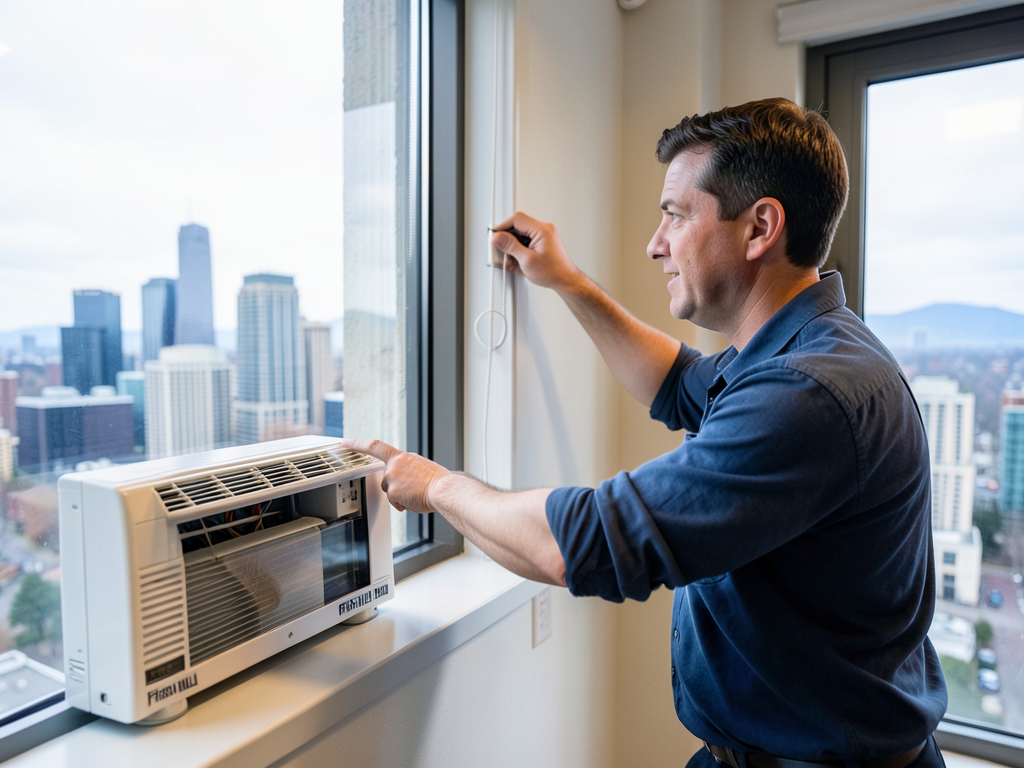
Why replacing electric baseboard heaters with a mini split is the best move for First Hill condos
Electric baseboard heaters in First Hill condos are costing you more than you think. These outdated units waste energy and struggle to keep up with Seattle’s damp winters. A modern mini split system can cut your heating costs by up to 50% while providing both heating and cooling in one quiet unit. Seattle Department of Construction and Inspections.
First Hill’s mid-century condo buildings were built when energy was cheap and efficiency wasn’t a priority. Many units still have the original baseboard heaters installed in the 1960s and 1970s. These systems heat slowly, create cold spots, and drive up your PSE bill every month. The upgrade to a mini split is simpler than you might think and pays for itself through energy savings within 3-5 years. PSE heat pump rebates.
Common problems with First Hill electric baseboard heaters
First Hill’s baseboard heaters face unique challenges. The damp marine air accelerates corrosion on heating elements. Many units have never been cleaned or maintained since installation. You might notice clicking sounds when they turn on or a burning smell when dust burns off the elements.. Read more about Lowering your high winter heating bills in Burien with a professional energy assessment.
Baseboard heaters also create safety concerns in condo settings. The hot surfaces can burn children or pets. They block furniture placement along walls. And they can’t provide cooling during Seattle’s increasingly hot summers.. Read more about Managing HVAC settings for your short term rental or Airbnb in the Central District.
First Hill’s electrical infrastructure challenges
First Hill’s older condo buildings often have 60-amp electrical panels that weren’t designed for modern heating loads. Each baseboard heater typically draws 4-6 amps on a 240-volt circuit. Adding a mini split requires evaluating your electrical capacity.
Many First Hill buildings have aluminum wiring from the 1960s-70s era. This wiring expands and contracts more than copper, creating loose connections that can overheat. A professional assessment determines if your electrical system needs upgrades before installing a mini split. Why your Ballard home needs professional furnace repair before the first freeze.
Call (564) 220-5899 today to schedule your electrical assessment.
Seattle Energy Code compliance for baseboard replacement
Washington State Energy Code requires new heating installations to meet minimum efficiency standards. Mini splits typically achieve 16-22 SEER ratings compared to baseboard heaters’ 100% efficiency rating. While baseboard heaters convert all electricity to heat, they waste energy by heating unoccupied rooms.
Seattle Department of Construction and Inspections (SDCI) requires permits for electrical upgrades and new HVAC installations. The permit process ensures your installation meets local safety standards and building codes.
Benefits of mini split systems for First Hill condos
Mini splits offer zoned heating and cooling. You can heat your living room during the day and bedroom at night without wasting energy on empty spaces. Each indoor unit has its own thermostat, eliminating the hot and cold spots common with baseboard heaters.
The systems operate at whisper-quiet levels, around 20-30 decibels. Baseboard heaters often click loudly as they expand and contract. Mini splits also filter the air, removing dust and allergens that accumulate in First Hill’s older buildings.. Read more about How a new HVAC system affects your home appraisal in the Roosevelt neighborhood.
PSE rebates and incentives for First Hill residents
Puget Sound Energy offers rebates up to $1,200 for high-efficiency heat pump installations. These rebates apply to mini split systems that meet Energy Star standards. First Hill condo owners can also qualify for federal tax credits of up to 30% of installation costs.. Read more about Ways to finance a new HVAC system for your Mount Baker home without breaking the bank.
The City of Seattle’s Clean Buildings Program provides additional incentives for energy-efficient upgrades in buildings over 20,000 square feet. Many First Hill condo associations have taken advantage of these programs to upgrade common area heating systems.
The replacement process for First Hill condos
Replacing baseboard heaters with mini splits follows a specific process. First, we evaluate your electrical panel capacity and determine if upgrades are needed. Most First Hill condos require 20-30 amp 240-volt circuits for each indoor unit.
Next, we remove the old baseboard heaters and patch the walls. The outdoor condenser unit mounts on a wall bracket or sits on the ground, typically requiring HOA approval in First Hill buildings. Indoor units mount high on walls or in ceiling cassettes.
Installation usually takes 1-2 days per unit. We coordinate with building management for elevator access and parking permits common in First Hill’s dense urban environment.
Cost comparison: baseboard vs. mini split
| Heating System | Initial Cost | Monthly Operating Cost | Lifespan |
|---|---|---|---|
| Electric Baseboard | $300-500 per room | $150-250/month (winter) | 15-20 years |
| Mini Split Heat Pump | $3,500-5,000 per room | $75-125/month (winter) | 15-20 years |
While mini splits cost more upfront, they pay for themselves through energy savings within 3-5 years. The cooling capability also eliminates the need for separate air conditioning units during Seattle’s increasingly hot summers. The best air conditioning options for bungalows and cottages around Green Lake.
Smart thermostat integration
Mini splits work seamlessly with smart thermostats. You can control temperatures from your phone, set schedules, and monitor energy usage. Many First Hill residents integrate their systems with Google Nest or Ecobee thermostats.
Smart features allow you to adjust settings while away from home. Coming back early from work? Warm up your condo before you arrive. Going on vacation? Set the system to maintain minimum temperatures to prevent pipe freezing.
Maintenance requirements for mini splits
Mini splits require minimal maintenance compared to baseboard heaters. Clean or replace filters every 3 months. Schedule professional maintenance annually to check refrigerant levels and clean coils. Preventative HVAC maintenance plans that actually save money for Redmond families.
Baseboard heaters need regular vacuuming to remove dust buildup. The heating elements can collect pet hair and debris, creating fire hazards. Mini splits eliminate these safety concerns with enclosed components.
Noise comparison: baseboard vs. mini split
| Sound Level | Baseboard Heater | Mini Split |
|---|---|---|
| Startup | Clicking, popping | Silent |
| Operation | Radiator ticking | 20-30 dB (whisper quiet) |
| Thermostat click | Audible snap | Soft hum |
First Hill condo dwellers appreciate the quiet operation of mini splits. The systems won’t disturb neighbors through shared walls, a common complaint with baseboard heaters in multi-unit buildings.
Environmental impact
Mini splits use less electricity than baseboard heaters, reducing your carbon footprint. Seattle’s electricity comes primarily from hydroelectric power, making heat pumps an environmentally friendly choice.
Baseboard heaters contribute to peak demand during cold snaps, straining the electrical grid. Heat pumps draw power more steadily and can actually feed power back to the grid during mild weather through net metering programs.
Resale value considerations
Modern HVAC systems increase condo resale value. Potential buyers view mini splits as premium upgrades. The dual heating and cooling capability appeals to Seattle’s growing population of remote workers who need year-round comfort.
First Hill’s competitive real estate market means small upgrades can make your unit stand out. Energy-efficient features also appeal to environmentally conscious buyers increasingly common in Seattle.
First Hill specific installation considerations
First Hill’s steep streets and limited parking create unique challenges. Our technicians carry parking permits and coordinate with building management for loading zone access. Many buildings require proof of insurance and worker’s compensation coverage before allowing contractor access.
The area’s historic character means some buildings have restrictions on exterior modifications. We work within these constraints, often mounting outdoor units on less visible sides of buildings or using ceiling cassette installations to minimize visual impact. Keeping your historic Queen Anne home cool with ductless AC options.
Ready to upgrade? Call (564) 220-5899 for your free consultation.
Common questions about baseboard replacement
Many First Hill residents worry about the disruption of replacing baseboard heaters. The process is less invasive than you might think. We protect your floors and furniture during removal and installation. Most homeowners are surprised by how quickly we can complete the transformation.
Another concern is the appearance of indoor units. Modern mini splits have sleek, low-profile designs that blend with most decor styles. Some models offer designer colors and wood grain finishes to match your interior.
Emergency heating during installation
We understand you need heat during the replacement process. Our installation process ensures you never go without heating. We typically work room by room, keeping some baseboard heaters operational while installing new mini splits in other areas.
For emergency situations, we can provide temporary electric heaters to maintain comfort during the transition. This is especially important during Seattle’s cold snaps when temperatures can drop suddenly. Who to call for 24 hour emergency furnace repair in West Seattle.
Long-term reliability
Mini splits typically last 15-20 years with proper maintenance. Baseboard heaters in First Hill’s corrosive marine environment often fail after 10-15 years due to element corrosion and thermostat failures.
The sealed refrigeration systems in mini splits resist the moisture problems that plague baseboard heaters. Electronic controls are more reliable than the bimetallic thermostats in older baseboard units.
Frequently Asked Questions
How long does it take to replace baseboard heaters with mini splits?
Most installations take 1-2 days per room, depending on electrical requirements and building access. We can often complete whole condo replacements in 3-5 days with proper scheduling.
Will I need to upgrade my electrical panel?
Many First Hill condos have adequate capacity, but some may need 100-amp panel upgrades. We assess your current setup during the initial consultation and include any necessary electrical work in your proposal.
Can I install mini splits myself?
DIY installation is not recommended. Mini splits require refrigerant handling licenses, electrical expertise, and knowledge of building codes. Improper installation can void warranties and create safety hazards.
What about HOA approval?
Most First Hill condo associations require architectural review for exterior modifications. We provide detailed installation plans and can assist with the approval process. Many HOAs have already approved mini split installations for other units.
How much can I save on my energy bills?
Most customers see 30-50% reductions in heating costs. Savings depend on your current usage, electricity rates, and how you use the zoned heating features. Many customers report paying for their systems within 3-5 years through energy savings alone.
Ready to make the switch?
Upgrading from electric baseboard heaters to mini splits is one of the best investments you can make in your First Hill condo. The combination of energy savings, improved comfort, and added cooling capability makes it a smart choice for Seattle’s changing climate.
Don’t wait for your old baseboard heaters to fail on a cold winter night. Call (564) 220-5899 today to schedule your free consultation and learn how we can transform your heating system.
{
“@context”: “https://schema.org”,
“@type”: “BlogPosting”,
“headline”: “Why replacing electric baseboard heaters with a mini split is the best move for First Hill condos”,
“description”: “Discover why First Hill condo owners are upgrading from inefficient electric baseboards to mini splits. Learn about energy savings, comfort, and PSE rebates.”,
“wordCount”: 1715,
“datePublished”: “2026-03-15T12:56:00.000Z”,
“dateModified”: “2026-03-15T12:56:00.000Z”,
“inLanguage”: “en-US”,
“mainEntityOfPage”: {
“@type”: “WebPage”,
“@id”: “https://peakhvacseattle.com”
},
“publisher”: {
“@type”: “LocalBusiness”,
“name”: “Peak HVAC Seattle”,
“url”: “https://peakhvacseattle.com”
},
“author”: {
“@type”: “Organization”,
“name”: “Peak HVAC Seattle”,
“url”: “https://peakhvacseattle.com”
},
“image”: {
“@type”: “ImageObject”,
“url”: “https://peakhvacseattle.com/wp-content/uploads/2026/03/why-replacing-electric-baseboard-heaters-with-a-mi-1.png”
}
}
{
“@context”: “https://schema.org”,
“@type”: “HVACBusiness”,
“name”: “Peak HVAC Seattle”,
“url”: “https://peakhvacseattle.com”,
“address”: {
“@type”: “PostalAddress”,
“addressLocality”: “Seattle”
},
“areaServed”: {
“@type”: “City”,
“name”: “Seattle”
}
}
{
“@context”: “https://schema.org”,
“@type”: “FAQPage”,
“mainEntity”: [
{
“@type”: “Question”,
“name”: “How long does it take to replace baseboard heaters with mini splits?”,
“acceptedAnswer”: {
“@type”: “Answer”,
“text”: “Most installations take 1-2 days per room, depending on electrical requirements and building access. We can often complete whole condo replacements in 3-5 days with proper scheduling.”
}
},
{
“@type”: “Question”,
“name”: “Will I need to upgrade my electrical panel?”,
“acceptedAnswer”: {
“@type”: “Answer”,
“text”: “Many First Hill condos have adequate capacity, but some may need 100-amp panel upgrades. We assess your current setup during the initial consultation and include any necessary electrical work in your proposal.”
}
},
{
“@type”: “Question”,
“name”: “Can I install mini splits myself?”,
“acceptedAnswer”: {
“@type”: “Answer”,
“text”: “DIY installation is not recommended. Mini splits require refrigerant handling licenses, electrical expertise, and knowledge of building codes. Improper installation can void warranties and create safety hazards.”
}
},
{
“@type”: “Question”,
“name”: “What about HOA approval?”,
“acceptedAnswer”: {
“@type”: “Answer”,
“text”: “Most First Hill condo associations require architectural review for exterior modifications. We provide detailed installation plans and can assist with the approval process. Many HOAs have already approved mini split installations for other units.”
}
},
{
“@type”: “Question”,
“name”: “How much can I save on my energy bills?”,
“acceptedAnswer”: {
“@type”: “Answer”,
“text”: “Most customers see 30-50% reductions in heating costs. Savings depend on your current usage, electricity rates, and how you use the zoned heating features. Many customers report paying for their systems within 3-5 years through energy savings alone.”
}
},
{
“@type”: “Question”,
“name”: “Ready to make the switch?”,
“acceptedAnswer”: {
“@type”: “Answer”,
“text”: “Upgrading from electric baseboard heaters to mini splits is one of the best investments you can make in your First Hill condo. The combination of energy savings, improved comfort, and added cooling capability makes it a smart choice for Seattle’s changing climate.”
}
}
]
}
{
“@context”: “https://schema.org”,
“@type”: “BreadcrumbList”,
“itemListElement”: [
{
“@type”: “ListItem”,
“position”: 1,
“name”: “Home”,
“item”: “https://peakhvacseattle.com”
},
{
“@type”: “ListItem”,
“position”: 2,
“name”: “Blog”,
“item”: “https://peakhvacseattle.com/blog”
},
{
“@type”: “ListItem”,
“position”: 3,
“name”: “Why replacing electric baseboard heaters with a mini split is the best move for First Hill condos”
}
]
}
{
“@context”: “https://schema.org”,
“@type”: “Service”,
“serviceType”: “HVAC”,
“provider”: {
“@type”: “LocalBusiness”,
“name”: “Peak HVAC Seattle”,
“url”: “https://peakhvacseattle.com”
},
“areaServed”: {
“@type”: “City”,
“name”: “Seattle”
},
“description”: “Discover why First Hill condo owners are upgrading from inefficient electric baseboards to mini splits. Learn about energy savings, comfort, and PSE rebates.”
}