
Picking a quiet air conditioner that won’t annoy your neighbors in the crowded University District
Living in Seattle’s University District means enjoying vibrant urban life, but it also means dealing with close quarters where your air conditioner’s noise can easily become your neighbor’s headache. The right quiet AC unit keeps your home comfortable while maintaining peace on your block. Seattle City Light energy efficiency guidelines.
Modern air conditioners have come a long way in reducing noise levels. A typical older unit might run at 70-80 decibels, similar to a vacuum cleaner, while today’s quietest models operate at 50-60 decibels, about as loud as a normal conversation. For University District residents, this difference matters when your outdoor unit sits just feet from your neighbor’s bedroom window.. Read more about What size heat pump does a typical 1940s Ravenna bungalow actually need?.
Seattle’s noise ordinances actually regulate outdoor equipment. The Seattle Municipal Code Section 25.08.410 limits noise from mechanical equipment to specific decibel levels depending on the time of day and property zoning. In residential areas like the U-District, running a loud AC unit could violate these regulations and lead to complaints.
Sound-dampening technology has improved dramatically. Variable-speed compressors adjust their output based on cooling demand, running at lower speeds and producing less noise than traditional single-stage units. Many of today’s quietest models include sound blankets, vibration isolation mounts, and specially designed fan blades that reduce turbulence and noise.. Read more about Designing a quiet home office with the right heating and cooling in Pinehurst.
Before you buy, consider your specific situation. The University District’s older homes often have limited outdoor space, meaning your AC unit might be closer to property lines than you’d like. Some buildings even have shared courtyards where noise travels easily between units.
Understanding decibel ratings for air conditioners
Decibel ratings tell you how loud an air conditioner will be. The scale is logarithmic, meaning every 10-decibel increase represents a doubling of perceived loudness. A 60 dB unit sounds twice as loud as a 50 dB unit.
For comparison, here’s how common sounds measure up:
| Sound Source | Decibel Level |
|---|---|
| Whisper | 30 dB |
| Library | 40 dB |
| Normal conversation | 50-60 dB |
| Lawnmower | 90 dB |
| Rock concert | 110 dB |
For air conditioners, anything under 60 dB is considered quiet for residential use. The quietest models range from 45-55 dB, while standard units typically run 65-75 dB.
Top quiet air conditioner technologies for 2026
Variable-speed inverter technology leads the quiet revolution. Unlike traditional units that cycle on and off at full power, inverter-driven compressors adjust their speed continuously. This means they run longer at lower speeds, maintaining steady temperatures while minimizing noise.
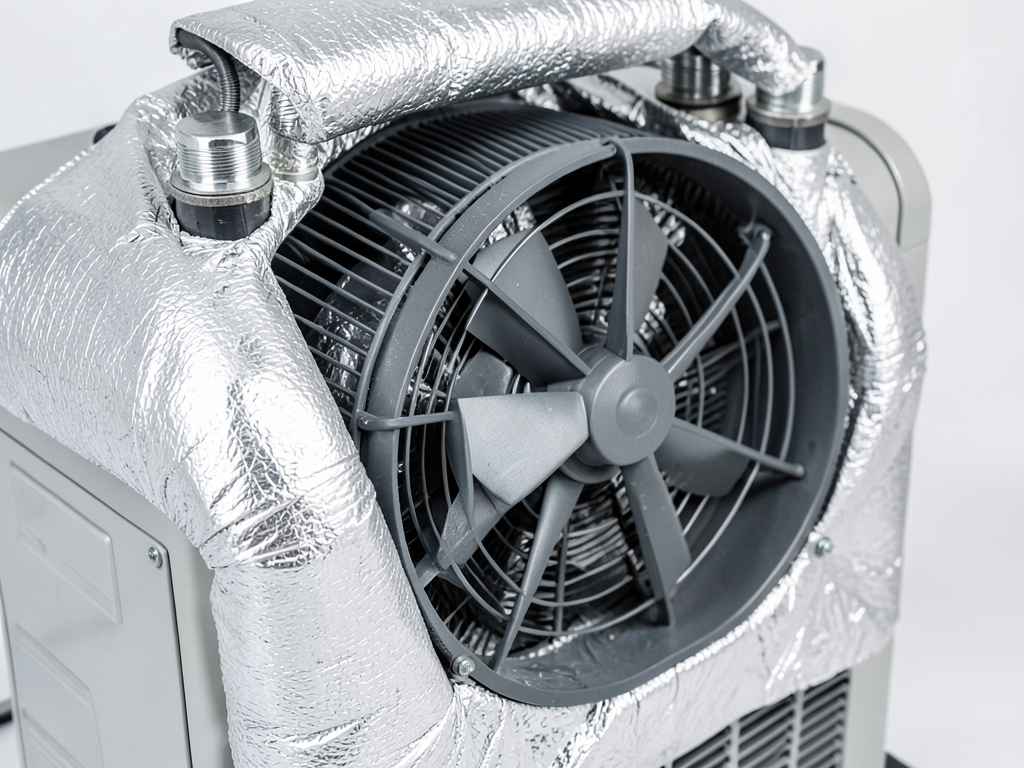
Sound blankets wrap around the compressor, absorbing vibrations before they become noise. These are standard on many premium units and can be added to existing systems. The blankets use acoustic insulation materials that can reduce noise by 2-4 decibels.
Fan blade design has evolved significantly. Modern AC units use specially contoured blades that move air more efficiently while reducing turbulence. Some manufacturers use multiple smaller fans instead of one large one, distributing the workload and reducing overall noise.
Compressor mounting systems matter more than most people realize. Rubber isolation mounts prevent vibrations from transferring to the unit’s housing and then to your home’s structure. Without these mounts, even a quiet compressor can create annoying vibrations that travel through walls and floors.
Best quiet air conditioner models for Seattle homes
Several manufacturers have made quiet operation a priority. Here are models that consistently receive high marks for low noise levels:
| Model | Type | Decibel Rating | Key Features |
|---|---|---|---|
| Lennox XC25 | Central AC | 59 dB | Variable-capacity, sound blanket, inverter tech |
| Carrier Infinity 24ANB1 | Central AC | 58 dB | Two-stage, sound reduction, high efficiency |
| Mitsubishi MZ-FH | Ductless mini-split | 47 dB | Inverter-driven, ultra-quiet mode, compact |
| Daikin Fit | Central AC | 55 dB | Side-discharge design, variable speed |
| Trane XV20i | Central AC | 57 dB | Variable speed, sound insulator, WeatherGuard |
Ductless mini-splits deserve special mention for University District residents. These systems have separate indoor and outdoor units connected by refrigerant lines. The indoor units can be mounted high on walls where noise is less noticeable, and many operate at whisper-quiet levels.. Read more about What the R-410A refrigerant phase out means for Seattle homeowners in 2026.
Installation considerations for dense neighborhoods
Where you place your AC unit affects both performance and noise levels. In the University District’s compact lots, strategic placement becomes crucial. The ideal location has the unit on a solid concrete pad away from bedroom windows and living areas.
Sound barriers can help if you’re limited on placement options. Decorative walls, dense shrubbery, or even commercial-grade sound blankets around the unit can reduce noise transmission. However, these barriers must allow proper airflow to prevent the unit from overheating. The best air conditioning options for bungalows and cottages around Green Lake.
Vibration isolation becomes critical in older University District homes with wood-frame construction. Without proper isolation, vibrations travel through the structure and amplify inside your home. Professional installers use specialized mounts and pads to prevent this problem.
Electrical considerations matter too. Older homes in the area might need electrical panel upgrades to handle modern high-efficiency units. The additional power draw from variable-speed compressors requires stable voltage, which older wiring might not provide.. Read more about Why replacing electric baseboard heaters with a mini split is the best move for First Hill condos.
Seattle-specific climate factors affecting AC noise
Seattle’s climate creates unique challenges for air conditioning. Our mild but humid summers mean AC units often run at lower capacities than in hotter climates. This actually benefits noise levels since units spend more time in their quiet, low-speed operation.
However, our marine air brings its own issues. Salt and moisture in the air can cause corrosion on outdoor units, leading to bearing wear and increased noise over time. Units near the water or in areas with poor drainage are particularly vulnerable.
The University District’s tree canopy creates another consideration. Falling leaves and debris can clog condenser coils, forcing the fan to work harder and become noisier. Regular maintenance prevents this issue and keeps your unit running quietly. Preventative HVAC maintenance plans that actually save money for Redmond families.
Temperature swings in Seattle mean AC units often start and stop frequently during transitional seasons. Each startup creates a noise spike, so units with soft-start technology are particularly valuable in our climate.
Cost factors for quiet air conditioning systems
Quiet AC units typically cost 15-25% more than standard models. The additional cost covers advanced compressors, sound insulation, and vibration isolation technology. For a typical 2,000-square-foot home, expect to pay $4,500-$7,000 for a quiet central AC system versus $3,500-$5,500 for a standard unit.
Ductless mini-splits offer a middle ground. While individual indoor units cost more than central air vents, the outdoor compressor is often cheaper than a complete central system. For homes without existing ductwork, mini-splits can be more cost-effective while providing superior quiet operation.
Energy efficiency ties directly to noise levels. Quieter units often use variable-speed technology that runs more efficiently than single-stage units. The energy savings can offset the higher upfront cost over the system’s lifetime.
Installation complexity affects final cost. Homes requiring electrical upgrades, new ductwork, or creative placement solutions will see higher installation costs regardless of the unit’s base price.
Maintenance tips for keeping your AC quiet
Regular maintenance prevents noise problems before they start. Dirty condenser coils force the fan to work harder, increasing both energy use and noise levels. Cleaning these coils annually keeps your unit running quietly.
Check refrigerant levels regularly. Low refrigerant causes the compressor to work harder and can create unusual noises. A professional can test levels and recharge the system if needed.
Inspect mounting hardware annually. Vibration isolation mounts can degrade over time, especially in our damp climate. Replacing worn mounts restores quiet operation and prevents vibration damage.
Keep the area around your outdoor unit clear. Plants growing too close restrict airflow and force the unit to work harder. Maintain at least two feet of clearance on all sides.
Listen for changes in your unit’s sound pattern. New rattles, squeaks, or grinding noises often indicate developing problems. Catching these early prevents more expensive repairs later.
Energy efficiency and noise reduction connection
The technologies that make AC units quiet often make them more efficient. Variable-speed compressors, for example, reduce energy use by running at the minimum speed needed to maintain temperature. This efficiency gain directly translates to lower utility bills.
SEER2 ratings (Seasonal Energy Efficiency Ratio 2) measure cooling efficiency. Higher SEER2 ratings generally correlate with quieter operation since efficient units use advanced technologies that reduce noise. A SEER2 rating of 18 or higher often indicates variable-speed operation.
Smart thermostats enhance both efficiency and quiet operation. These devices learn your schedule and adjust cooling patterns to minimize runtime during quiet hours. Some can even monitor your unit’s performance and alert you to developing issues.
Proper sizing prevents noise problems. An oversized unit cools too quickly, cycling on and off frequently. Each startup creates a noise spike, and the constant cycling wears out components faster. Professional load calculations ensure your unit is sized correctly for your home.
Frequently Asked Questions
How loud is too loud for a residential air conditioner?
Anything over 70 decibels is considered loud for residential use. For close neighbors, aim for units under 60 decibels, especially if windows are near the outdoor unit.
Can I add sound insulation to my existing AC unit?
Yes, sound blankets and vibration isolation pads can be added to most units. However, the improvement is usually 2-4 decibels, not the dramatic reduction you’d get from a new quiet model.
Do ductless mini-splits really run quieter than central AC?
Yes, ductless systems typically operate more quietly. The indoor units often run at 20-30 decibels, and the outdoor units are usually smaller and better insulated than central AC compressors.
Will a quiet AC unit cost more to run?
Actually, quiet units often cost less to operate. The variable-speed technology that reduces noise also improves efficiency, potentially saving 20-30% on cooling costs.
How can I test an AC unit’s noise level before buying?
Ask your HVAC contractor to demonstrate the unit or provide decibel ratings from the manufacturer. Some showrooms have operating units you can hear in person.
Does AC noise affect home values?
Yes, noisy outdoor equipment can be a negative factor for potential buyers, especially in dense neighborhoods like the University District where outdoor space is limited.
What’s the quietest AC technology available in 2026?
Variable-speed inverter-driven systems with sound blankets currently offer the quietest operation, with some models operating as low as 45 decibels.
How far should my AC unit be from my neighbor’s property?
Ideally, place the unit at least 10 feet from any property line, especially if it’s near windows or outdoor living spaces. Local codes may have specific setback requirements.
Can landscaping help reduce AC noise?
Yes, dense evergreen shrubs or decorative walls can help absorb sound, but maintain proper clearance for airflow. A combination of barriers and distance works best.
What maintenance keeps an AC unit quiet?
Annual professional maintenance, regular filter changes, keeping coils clean, and checking mounting hardware prevent most noise issues. Keeping your historic Queen Anne home cool with ductless AC options.
Making your final decision
Choosing the right quiet air conditioner for your University District home means balancing several factors. Your specific lot size, proximity to neighbors, and local noise ordinances all play a role in determining the best solution.. Read more about Choosing the right heating and cooling for a backyard DADU in Beacon Hill.
Start by measuring your actual cooling needs. A professional load calculation considers your home’s size, insulation, window orientation, and local climate to determine the right capacity. This prevents the common mistake of oversizing, which creates both noise and efficiency problems. Why your Ballard home needs professional furnace repair before the first freeze.
Consider your budget realistically. While quiet units cost more upfront, the combination of energy savings, reduced maintenance, and preserved neighbor relationships often justifies the investment. Factor in installation costs, which can vary significantly based on your home’s existing infrastructure.
Don’t forget about long-term reliability. The quietest units often use advanced technology that requires specialized service. Choose a contractor familiar with the specific brand and technology you select, and ask about warranty coverage and service availability. Weekend HVAC Service.
Finally, think about your specific situation. If you live in a historic University District home with limited outdoor space, a ductless mini-split might be your best option. If you have more room and existing ductwork, a quiet central system could work better.
The right quiet air conditioner keeps your home comfortable while maintaining the peaceful atmosphere that makes the University District such a desirable place to live. With proper selection and installation, you can enjoy cool air without creating neighborhood tension.
Ready to find the perfect quiet cooling solution for your home? Call (564) 220-5899 today to schedule a consultation. Our experts will evaluate your specific needs and recommend the best options for your situation. Don’t wait until summer heat makes your decision urgent – act now and enjoy a quiet, comfortable home all season long. For more information, visit ASHRAE HVAC standards.
You may also find this helpful. How to keep wildfire smoke out of your Mercer Island home using whole house air purifiers.
{
“@context”: “https://schema.org”,
“@type”: “BlogPosting”,
“headline”: “Picking a quiet air conditioner that won’t annoy your neighbors in the crowded University District”,
“description”: “Find the quietest AC units for Seattle’s dense University District. Learn decibel ratings, noise ordinances, and neighbor-friendly cooling solutions for 2026.”,
“wordCount”: 2125,
“datePublished”: “2026-03-08T13:28:00.000Z”,
“dateModified”: “2026-03-08T13:28:00.000Z”,
“inLanguage”: “en-US”,
“mainEntityOfPage”: {
“@type”: “WebPage”,
“@id”: “https://peakhvacseattle.com”
},
“publisher”: {
“@type”: “LocalBusiness”,
“name”: “Peak HVAC Seattle”,
“url”: “https://peakhvacseattle.com”
},
“author”: {
“@type”: “Organization”,
“name”: “Peak HVAC Seattle”,
“url”: “https://peakhvacseattle.com”
},
“image”: {
“@type”: “ImageObject”,
“url”: “https://peakhvacseattle.com/wp-content/uploads/2026/03/picking-a-quiet-air-conditioner-that-won-t-annoy-y-1.png”
}
}
{
“@context”: “https://schema.org”,
“@type”: “HVACBusiness”,
“name”: “Peak HVAC Seattle”,
“url”: “https://peakhvacseattle.com”,
“address”: {
“@type”: “PostalAddress”,
“addressLocality”: “Seattle”
},
“areaServed”: {
“@type”: “City”,
“name”: “Seattle”
}
}
{
“@context”: “https://schema.org”,
“@type”: “FAQPage”,
“mainEntity”: [
{
“@type”: “Question”,
“name”: “How loud is too loud for a residential air conditioner?”,
“acceptedAnswer”: {
“@type”: “Answer”,
“text”: “Anything over 70 decibels is considered loud for residential use. For close neighbors, aim for units under 60 decibels, especially if windows are near the outdoor unit.”
}
},
{
“@type”: “Question”,
“name”: “Can I add sound insulation to my existing AC unit?”,
“acceptedAnswer”: {
“@type”: “Answer”,
“text”: “Yes, sound blankets and vibration isolation pads can be added to most units. However, the improvement is usually 2-4 decibels, not the dramatic reduction you’d get from a new quiet model.”
}
},
{
“@type”: “Question”,
“name”: “Do ductless mini-splits really run quieter than central AC?”,
“acceptedAnswer”: {
“@type”: “Answer”,
“text”: “Yes, ductless systems typically operate more quietly. The indoor units often run at 20-30 decibels, and the outdoor units are usually smaller and better insulated than central AC compressors.”
}
},
{
“@type”: “Question”,
“name”: “Will a quiet AC unit cost more to run?”,
“acceptedAnswer”: {
“@type”: “Answer”,
“text”: “Actually, quiet units often cost less to operate. The variable-speed technology that reduces noise also improves efficiency, potentially saving 20-30% on cooling costs.”
}
},
{
“@type”: “Question”,
“name”: “How can I test an AC unit’s noise level before buying?”,
“acceptedAnswer”: {
“@type”: “Answer”,
“text”: “Ask your HVAC contractor to demonstrate the unit or provide decibel ratings from the manufacturer. Some showrooms have operating units you can hear in person.”
}
},
{
“@type”: “Question”,
“name”: “Does AC noise affect home values?”,
“acceptedAnswer”: {
“@type”: “Answer”,
“text”: “Yes, noisy outdoor equipment can be a negative factor for potential buyers, especially in dense neighborhoods like the University District where outdoor space is limited.”
}
},
{
“@type”: “Question”,
“name”: “What’s the quietest AC technology available in 2026?”,
“acceptedAnswer”: {
“@type”: “Answer”,
“text”: “Variable-speed inverter-driven systems with sound blankets currently offer the quietest operation, with some models operating as low as 45 decibels.”
}
},
{
“@type”: “Question”,
“name”: “How far should my AC unit be from my neighbor’s property?”,
“acceptedAnswer”: {
“@type”: “Answer”,
“text”: “Ideally, place the unit at least 10 feet from any property line, especially if it’s near windows or outdoor living spaces. Local codes may have specific setback requirements.”
}
},
{
“@type”: “Question”,
“name”: “Can landscaping help reduce AC noise?”,
“acceptedAnswer”: {
“@type”: “Answer”,
“text”: “Yes, dense evergreen shrubs or decorative walls can help absorb sound, but maintain proper clearance for airflow. A combination of barriers and distance works best.”
}
},
{
“@type”: “Question”,
“name”: “What maintenance keeps an AC unit quiet?”,
“acceptedAnswer”: {
“@type”: “Answer”,
“text”: “Annual professional maintenance, regular filter changes, keeping coils clean, and checking mounting hardware prevent most noise issues. Keeping your historic Queen Anne home cool with ductless AC options.”
}
}
]
}
{
“@context”: “https://schema.org”,
“@type”: “BreadcrumbList”,
“itemListElement”: [
{
“@type”: “ListItem”,
“position”: 1,
“name”: “Home”,
“item”: “https://peakhvacseattle.com”
},
{
“@type”: “ListItem”,
“position”: 2,
“name”: “Blog”,
“item”: “https://peakhvacseattle.com/blog”
},
{
“@type”: “ListItem”,
“position”: 3,
“name”: “Picking a quiet air conditioner that won’t annoy your neighbors in the crowded University District”
}
]
}
{
“@context”: “https://schema.org”,
“@type”: “Service”,
“serviceType”: “HVAC”,
“provider”: {
“@type”: “LocalBusiness”,
“name”: “Peak HVAC Seattle”,
“url”: “https://peakhvacseattle.com”
},
“areaServed”: {
“@type”: “City”,
“name”: “Seattle”
},
“description”: “Find the quietest AC units for Seattle’s dense University District. Learn decibel ratings, noise ordinances, and neighbor-friendly cooling solutions for 2026.”
}