
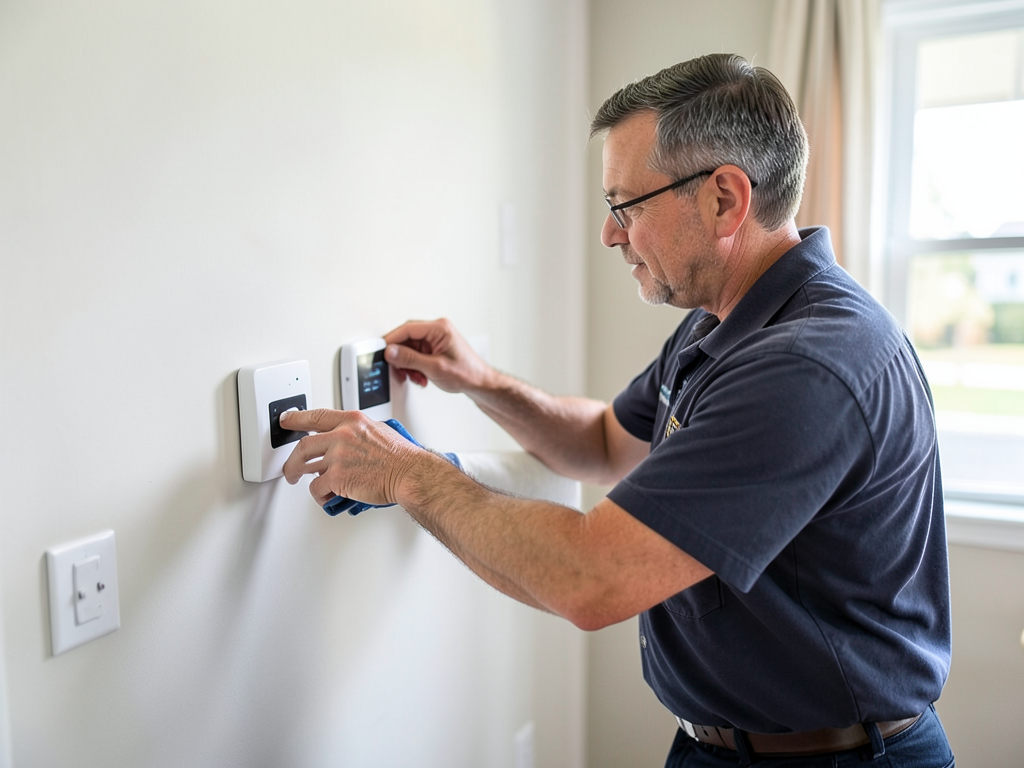
Managing Different Temperatures in Multi-Generational Atlantic Neighborhood Homes
Large Atlantic neighborhood homes with multiple generations under one roof face unique comfort challenges. From basement suites to upper-floor bedrooms, maintaining consistent temperatures across multi-level homes requires specialized HVAC solutions. In Seattle’s damp climate, these challenges multiply as humidity and temperature fluctuations create uneven conditions that standard single-zone systems cannot address. Seattle City Light rebates.
Why Standard HVAC Systems Fail in Large Seattle Homes
Traditional single-zone HVAC systems struggle with large floor plans and multi-story layouts. Heat rises naturally, leaving upper floors too warm in summer while basements remain cold. In the Atlantic neighborhood’s older homes, this problem intensifies due to aging ductwork, poor insulation, and Seattle’s unique climate demands. The Pacific Northwest’s high humidity levels make it harder for standard systems to remove moisture effectively, leading to uncomfortable indoor environments.. Read more about Why radiant floor heating is making a comeback in Hillman City renovations.
Multi-generational living adds another layer of complexity. Different age groups have varying comfort preferences, and the energy costs of maintaining uniform temperatures across unused spaces become prohibitive. Many Atlantic homeowners report temperature differences of 8-12 degrees between floors during peak seasons.
Multi-Zone HVAC Solutions for Large Homes
Multi-zone HVAC systems divide your home into separate temperature zones, each controlled independently. This approach solves the fundamental problem of uneven heating and cooling in large homes. The system uses dampers in ductwork or separate air handlers to direct conditioned air only where needed.
Three primary multi-zone technologies serve Atlantic neighborhood homes effectively:
- Ducted Zoning Systems
Uses motorized dampers and multiple thermostats to control airflow to different zones. Ideal for homes with existing ductwork.. Read more about Why your Nest thermostat might be short-cycling your furnace in Matthews Beach.
- Ductless Mini-Split Systems
Individual wall-mounted units serve specific areas without ductwork. Perfect for additions or homes without ducts.
- Variable Refrigerant Flow (VRF) Systems
Advanced technology that simultaneously heats and cools different zones. Best for luxury homes over 3,500 square feet.
The Seattle Factor: Climate Considerations for Multi-Zone Systems
Seattle’s climate creates specific demands that multi-zone systems must address. The Atlantic neighborhood experiences higher humidity levels than many Seattle areas due to its proximity to the Duwamish River and industrial zones. This moisture content affects both comfort and system efficiency.
Heat pumps, particularly variable-speed models, excel in Seattle’s mild climate. These systems provide both heating and cooling while maintaining precise temperature control. Modern heat pumps achieve efficiency ratings of 300-400% in our climate, meaning they produce three to four units of heat for every unit of electricity consumed.
According to the Washington State Energy Code, homes in Seattle must meet specific efficiency standards. Multi-zone systems help achieve these requirements while providing superior comfort. The code mandates minimum SEER2 ratings of 14.3 for cooling and HSPF2 ratings of 7.5 for heating in new installations.
Energy Efficiency and Cost Benefits
Multi-zone systems reduce energy consumption by heating and cooling only occupied spaces. This targeted approach can lower utility bills by 20-30% compared to single-zone systems. In the Atlantic neighborhood, where PSE and Seattle City Light rates continue rising, these savings become significant.
The initial investment ranges from $8,000 to $25,000 depending on home size and system complexity. However, current rebates through Puget Sound Energy and Seattle City Light can offset 15-25% of installation costs. These programs specifically encourage energy-efficient upgrades in multi-family and multi-generational homes. Puget Sound Energy rebates.
Energy Star certified multi-zone systems meet strict efficiency guidelines. Look for systems with SEER2 ratings above 18 and HSPF2 ratings above 10 for optimal performance in Seattle’s climate.
Smart Controls and Integration
Modern multi-zone systems integrate seamlessly with smart home technology. Nest, Ecobee, and proprietary zone controllers allow precise temperature management through smartphone apps. This connectivity proves especially valuable for multi-generational homes where different family members control different zones.. Read more about Using smart vents to fix airflow issues in your Hawthorne Hills home.
Smart zoning can learn occupancy patterns and adjust automatically. For example, it can reduce heating in empty bedrooms during work hours or increase cooling in living areas during evening gatherings. Some systems even integrate with air quality monitors to adjust ventilation based on indoor conditions.
Voice control through Amazon Alexa or Google Assistant adds convenience for elderly family members who may struggle with traditional thermostats.
Installation Process and Considerations
Multi-zone installation requires careful planning and professional expertise. The process begins with a Manual J load calculation to determine each zone’s heating and cooling requirements. This calculation considers square footage, insulation levels, window orientation, and Seattle’s design temperatures.
Retrofitting existing homes presents unique challenges. Older Atlantic neighborhood homes often have undersized ductwork or asbestos-containing materials that require special handling. Professional installers must balance system capacity with existing infrastructure to avoid pressure imbalances.
New construction allows optimal zoning design from the start. Builders can incorporate dedicated return air pathways and properly sized ductwork for each zone. This approach typically costs 15-20% less than retrofitting existing homes.. Read more about Keeping urban construction dust out of your Yesler Terrace apartment.
Local Case Study: Atlantic Neighborhood Multi-Generational Home
A 3,200-square-foot Atlantic neighborhood home built in 1965 recently underwent a complete HVAC transformation. The family of five, including elderly grandparents and teenage children, struggled with temperature differences of up to 15 degrees between floors.
The solution involved installing a ducted zoning system with three zones: main floor, upstairs bedrooms, and basement suite. Each zone received its own smart thermostat. The system included variable-speed air handlers and electronic bypass dampers to maintain proper airflow.
Post-installation monitoring showed energy usage decreased by 22% while comfort scores increased dramatically. Temperature variations between zones reduced to 2-3 degrees maximum. The family reported the system paid for itself through energy savings within 4.5 years.
Maintenance Requirements for Multi-Zone Systems
Multi-zone systems require regular maintenance to ensure optimal performance. Dampers need periodic cleaning and calibration to prevent sticking. Filters in each zone should be replaced every 60-90 days, more frequently in homes with pets or allergies. Preventative HVAC maintenance plans that actually save money for Redmond families.
Annual professional maintenance includes checking refrigerant levels, testing thermostat calibration, and inspecting ductwork for leaks. In Seattle’s humid climate, technicians also check for condensation buildup and mold growth in ductwork.
Homeowners should monitor zone performance seasonally. If one zone consistently struggles while others function properly, it may indicate damper failure or control board issues requiring professional attention.
Common Multi-Zone System Issues and Solutions
Static pressure imbalances cause most multi-zone system problems. When too many dampers close simultaneously, excess air pressure can damage the system. Professional installers address this through properly sized bypass dampers that redirect excess air when needed.
Zone temperature drift occurs when thermostats lose calibration or sensors fail. Regular calibration ensures each zone maintains its set temperature accurately. Smart thermostats often include self-calibration features that reduce this problem.
Noise complaints typically stem from oversized blowers or undersized ductwork. Proper system design prevents these issues by matching equipment capacity to home requirements.
Comparing Multi-Zone vs. Dual-System Installation
Some homeowners consider installing two separate HVAC systems instead of zoning one system. While this approach provides redundancy, it typically costs 30-40% more than a well-designed multi-zone system.
Multi-zone systems offer several advantages over dual systems:
| Feature | Multi-Zone System | Dual System |
|---|---|---|
| Initial Cost | $8,000 – $25,000 | $15,000 – $40,000 |
| Energy Efficiency | High (zones only active when needed) | Moderate (both systems may run simultaneously) |
| Space Requirements | Single equipment location | Two equipment locations |
| Maintenance | Single system maintenance | Two systems to maintain |
| Redundancy | No (single point of failure) | Yes (one system can fail while other continues) |
Frequently Asked Questions
How long does multi-zone system installation take?
Most installations require 2-4 days depending on home complexity and whether it’s a retrofit or new construction. Retrofits may take longer if ductwork modifications are needed.
Can I add zoning to my existing HVAC system?
Yes, most existing systems can be retrofitted with zoning controls. However, older systems may require capacity upgrades to handle the additional static pressure from dampers.
What size home benefits most from zoning?
Homes over 2,500 square feet or multi-story homes typically benefit most from zoning. Multi-generational homes with varying occupancy patterns see the greatest advantages.
Are there any rebates available for multi-zone systems?
Yes, both Puget Sound Energy and Seattle City Light offer rebates for high-efficiency multi-zone systems. Current rebates range from $300 to $1,500 depending on system efficiency and installation scope.
How do I know if my home needs zoning?
Signs include significant temperature differences between floors or rooms, high energy bills, and family members constantly adjusting thermostats. A professional assessment can determine if zoning would benefit your specific situation.
What’s the lifespan of a multi-zone system?
With proper maintenance, multi-zone systems typically last 15-20 years. Individual components like dampers may need replacement sooner, but the core system should provide reliable service for nearly two decades. Weekend HVAC Service.
Making the Right Choice for Your Atlantic Home
Choosing the right multi-zone system requires understanding your home’s specific needs. Consider factors like square footage, number of stories, existing ductwork condition, and family lifestyle patterns. Professional load calculations ensure proper system sizing and optimal performance. Why your Ballard home needs professional furnace repair before the first freeze.
The Atlantic neighborhood’s mix of older and newer homes creates unique challenges. Historic homes may require specialized approaches to preserve architectural integrity while adding modern comfort controls. Newer constructions might benefit from advanced VRF technology for maximum efficiency. Keeping your historic Queen Anne home cool with ductless AC options.
Climate considerations remain paramount. Seattle’s humidity levels and mild temperatures make heat pumps particularly effective, while the damp winters require systems with excellent dehumidification capabilities.
Getting Started with Multi-Zone Comfort
Professional assessment represents the critical first step toward multi-zone comfort. Experienced technicians evaluate your home’s layout, insulation levels, and existing HVAC infrastructure to recommend the most effective solution.
During assessment, technicians perform diagnostic tests including static pressure measurements, airflow analysis, and thermal imaging to identify problem areas. This data drives system design recommendations tailored to your specific home and family needs.
Quality installation ensures system performance meets design specifications. Professional installers follow manufacturer guidelines and local building codes to guarantee safe, efficient operation.
Don’t let temperature battles continue in your multi-generational Atlantic home. Call (564) 220-5899 today to schedule your professional assessment and take the first step toward year-round comfort for every family member.
Pick up the phone and call (564) 220-5899 before the next season change leaves someone uncomfortable in your home. Our experienced technicians understand the unique challenges of large Seattle homes and can design a system that keeps everyone happy.
You may also find this helpful. Protecting your expensive hardwood floors in Hunt’s Point from seasonal warping.
You may also find this helpful. The best way to heat a finished attic in your Loyal Heights craftsman.
{
“@context”: “https://schema.org”,
“@type”: “BlogPosting”,
“headline”: “Managing different temperatures in multi-generational Atlantic neighborhood homes”,
“description”: “Learn how to manage different temperatures in large Atlantic neighborhood homes with zoning systems, heat pumps, and smart controls. Seattle-specific solutions for multi-generational comfort.”,
“wordCount”: 1708,
“datePublished”: “2026-05-01T13:38:00.000Z”,
“dateModified”: “2026-05-01T13:38:00.000Z”,
“inLanguage”: “en-US”,
“mainEntityOfPage”: {
“@type”: “WebPage”,
“@id”: “https://peakhvacseattle.com”
},
“publisher”: {
“@type”: “LocalBusiness”,
“name”: “Peak HVAC Seattle”,
“url”: “https://peakhvacseattle.com”
},
“author”: {
“@type”: “Organization”,
“name”: “Peak HVAC Seattle”,
“url”: “https://peakhvacseattle.com”
},
“image”: {
“@type”: “ImageObject”,
“url”: “https://peakhvacseattle.com/wp-content/uploads/2026/03/managing-different-temperatures-in-multi-generatio-1.png”
}
}
{
“@context”: “https://schema.org”,
“@type”: “HVACBusiness”,
“name”: “Peak HVAC Seattle”,
“url”: “https://peakhvacseattle.com”,
“address”: {
“@type”: “PostalAddress”,
“addressLocality”: “Seattle”
},
“areaServed”: {
“@type”: “City”,
“name”: “Seattle”
}
}
{
“@context”: “https://schema.org”,
“@type”: “FAQPage”,
“mainEntity”: [
{
“@type”: “Question”,
“name”: “How long does multi-zone system installation take?”,
“acceptedAnswer”: {
“@type”: “Answer”,
“text”: “Most installations require 2-4 days depending on home complexity and whether it’s a retrofit or new construction. Retrofits may take longer if ductwork modifications are needed.”
}
},
{
“@type”: “Question”,
“name”: “Can I add zoning to my existing HVAC system?”,
“acceptedAnswer”: {
“@type”: “Answer”,
“text”: “Yes, most existing systems can be retrofitted with zoning controls. However, older systems may require capacity upgrades to handle the additional static pressure from dampers.”
}
},
{
“@type”: “Question”,
“name”: “What size home benefits most from zoning?”,
“acceptedAnswer”: {
“@type”: “Answer”,
“text”: “Homes over 2,500 square feet or multi-story homes typically benefit most from zoning. Multi-generational homes with varying occupancy patterns see the greatest advantages.”
}
},
{
“@type”: “Question”,
“name”: “Are there any rebates available for multi-zone systems?”,
“acceptedAnswer”: {
“@type”: “Answer”,
“text”: “Yes, both Puget Sound Energy and Seattle City Light offer rebates for high-efficiency multi-zone systems. Current rebates range from $300 to $1,500 depending on system efficiency and installation scope.”
}
},
{
“@type”: “Question”,
“name”: “How do I know if my home needs zoning?”,
“acceptedAnswer”: {
“@type”: “Answer”,
“text”: “Signs include significant temperature differences between floors or rooms, high energy bills, and family members constantly adjusting thermostats. A professional assessment can determine if zoning would benefit your specific situation.”
}
},
{
“@type”: “Question”,
“name”: “What’s the lifespan of a multi-zone system?”,
“acceptedAnswer”: {
“@type”: “Answer”,
“text”: “With proper maintenance, multi-zone systems typically last 15-20 years. Individual components like dampers may need replacement sooner, but the core system should provide reliable service for nearly two decades. Weekend HVAC Service.”
}
}
]
}
{
“@context”: “https://schema.org”,
“@type”: “HowTo”,
“name”: “Multi-Zone HVAC Technology Options”,
“step”: [
{
“@type”: “HowToStep”,
“position”: 1,
“name”: “Ducted Zoning Systems”,
“text”: “Uses motorized dampers and multiple thermostats to control airflow to different zones. Ideal for homes with existing ductwork.”
},
{
“@type”: “HowToStep”,
“position”: 2,
“name”: “Ductless Mini-Split Systems”,
“text”: “Individual wall-mounted units serve specific areas without ductwork. Perfect for additions or homes without ducts.”
},
{
“@type”: “HowToStep”,
“position”: 3,
“name”: “Variable Refrigerant Flow (VRF) Systems”,
“text”: “Advanced technology that simultaneously heats and cools different zones. Best for luxury homes over 3,500 square feet.”
}
],
“image”: “https://peakhvacseattle.com/wp-content/uploads/2026/03/managing-different-temperatures-in-multi-generatio-1.png”
}
{
“@context”: “https://schema.org”,
“@type”: “BreadcrumbList”,
“itemListElement”: [
{
“@type”: “ListItem”,
“position”: 1,
“name”: “Home”,
“item”: “https://peakhvacseattle.com”
},
{
“@type”: “ListItem”,
“position”: 2,
“name”: “Blog”,
“item”: “https://peakhvacseattle.com/blog”
},
{
“@type”: “ListItem”,
“position”: 3,
“name”: “Managing different temperatures in multi-generational Atlantic neighborhood homes”
}
]
}
{
“@context”: “https://schema.org”,
“@type”: “Service”,
“serviceType”: “HVAC”,
“provider”: {
“@type”: “LocalBusiness”,
“name”: “Peak HVAC Seattle”,
“url”: “https://peakhvacseattle.com”
},
“areaServed”: {
“@type”: “City”,
“name”: “Seattle”
},
“description”: “Learn how to manage different temperatures in large Atlantic neighborhood homes with zoning systems, heat pumps, and smart controls. Seattle-specific solutions for multi-generational comfort.”
}