
The best way to heat a finished attic in your Loyal Heights craftsman
Heating a finished attic in your Loyal Heights craftsman home presents unique challenges that require specialized solutions. The combination of Seattle’s damp climate, historic construction methods, and the natural heat loss characteristics of attic spaces means you need a system that’s both efficient and specifically designed for the Pacific Northwest environment. Seattle City Light Energy Rebates.
Attic conversions in Loyal Heights craftsman homes often struggle with temperature regulation because these spaces were originally designed as unconditioned areas. The high ceilings, large windows, and sometimes limited insulation create thermal inefficiencies that standard heating solutions can’t adequately address. You need a heating approach that accounts for both the architectural character of your home and Seattle’s specific climate demands.. Read more about Why your high ceiling loft in Ballard is so hard to keep warm and how to fix it.
Understanding the unique challenges of Loyal Heights attic heating
Seattle’s climate creates specific heating demands that differ from other regions. The combination of high humidity, moderate but persistent cold, and occasional temperature extremes requires heating systems that can handle moisture control while providing consistent warmth.
Craftsman homes in Loyal Heights typically feature large, open attic spaces with high ceilings and multiple windows. These architectural elements, while beautiful, create significant heat loss through both conduction and radiation. The thermal envelope of an attic space is inherently less efficient than main floor living areas, making proper heating design critical.
Washington State Energy Code requires R-49 to R-60 insulation in attic spaces, but many older craftsman homes fall short of these standards. This means your heating system must work harder to maintain comfortable temperatures, especially during Seattle’s damp winter months when the moisture content in the air makes it feel colder than the actual temperature. Washington State Energy Code Chapter 51-11.
Moisture and condensation risks in the PNW
Seattle’s high humidity creates a unique challenge for attic heating systems. When warm air from your heating system meets cold surfaces in your attic, condensation can form. This moisture accumulation can lead to mold growth, wood rot, and reduced insulation effectiveness.
The temperature differential between your heated living space and the unconditioned attic area above creates ideal conditions for condensation. Without proper vapor barriers and adequate insulation, moisture can accumulate within wall cavities and ceiling assemblies, compromising both the structural integrity of your home and the effectiveness of your heating system.
Proper attic heating must include moisture management strategies. This means selecting equipment that can maintain consistent temperatures without creating excessive temperature swings that promote condensation. It also means ensuring your attic space has adequate ventilation to allow any accumulated moisture to escape.
Seattle building codes for attic living spaces
Washington State Energy Code (WSEC) Chapter 51-11 establishes specific requirements for heating finished attic spaces. These codes mandate minimum insulation values, ventilation requirements, and energy efficiency standards that directly impact your heating system selection.
For finished attic spaces in Seattle, the code requires a minimum of R-49 insulation in ceiling assemblies. This translates to approximately 14-16 inches of fiberglass batt insulation or the equivalent in spray foam. The code also specifies that any heating system must be capable of maintaining a minimum temperature of 68 degrees Fahrenheit in all habitable spaces.
King County building permits are required for any electrical or mechanical work in finished attic spaces. This includes the installation of new heating equipment, ductwork modifications, or significant insulation upgrades. Working with a licensed HVAC contractor ensures your installation meets all local code requirements and passes inspection.
Top heating solutions for Seattle attics
Selecting the right heating system for your Loyal Heights craftsman attic requires balancing several factors: efficiency, installation complexity, operating costs, and compatibility with your home’s existing systems. Each option has distinct advantages and limitations that make it more or less suitable for specific situations.
Ductless mini-split systems (the gold standard)
Ductless mini-split heat pumps have emerged as the preferred solution for attic heating in Seattle craftsman homes. These systems offer several advantages that make them particularly well-suited to the unique demands of attic spaces.
Mini-splits provide zoned heating, allowing you to maintain different temperatures in your attic versus the rest of your home. This is especially valuable in craftsman homes where attic spaces often have different usage patterns than main living areas. The ability to heat only when needed reduces energy consumption and operating costs.
These systems excel at moisture control, a critical factor in Seattle’s humid climate. The heat pump technology not only provides heating but also helps dehumidify the air, reducing the risk of condensation and mold growth. Most mini-splits include advanced filtration that improves indoor air quality by removing allergens and particulates.
Installation is minimally invasive since no ductwork is required. This preserves the historic character of your craftsman home while providing modern comfort. The outdoor compressor can be located on the ground floor, eliminating the need for equipment in your finished attic space. Keeping your historic Queen Anne home cool with ductless AC options.
Extending existing HVAC ductwork (pros and cons)
Extending your existing HVAC system to serve the attic space might seem like the most straightforward approach, but it comes with significant challenges. Craftsman homes often have limited space in walls and ceilings for additional ductwork, and the existing system may not have sufficient capacity to handle the added load.
The primary advantage of extending ductwork is the ability to use your existing thermostat and control system. However, this benefit is often outweighed by the installation difficulties and potential efficiency losses. Long duct runs with multiple bends reduce airflow and increase energy consumption.
Existing ductwork in older craftsman homes may contain asbestos or lead-based materials, requiring special handling during modifications. The cost of asbestos abatement and ductwork replacement can quickly exceed the cost of installing a separate heating system for the attic space.
Temperature balancing becomes a significant issue when extending existing systems. Your main floor may become too cold when trying to heat the attic, or the attic may never reach comfortable temperatures due to heat loss in extended duct runs.
Electric baseboard heaters vs. radiant heating
Electric baseboard heaters offer a simple, inexpensive solution for attic heating, but they come with substantial operating costs in Seattle’s climate. These resistive heating elements convert electricity directly to heat, making them 100% efficient at point of use but extremely expensive to operate.
The primary advantage of baseboard heaters is their simplicity. They require no ductwork, no refrigerant lines, and minimal installation time. However, they provide no cooling capability and can create uncomfortable temperature variations within the space.. Read more about Designing a silent cooling system for your Ballard home recording studio or podcast room.
Radiant ceiling panels represent a more sophisticated electric heating option. These panels mount directly to ceiling surfaces and provide even, quiet heating without the air movement associated with forced-air systems. They’re particularly effective in attic spaces with high ceilings where convective heating would be less efficient.
Both electric options suffer from high operating costs in Seattle, where electricity rates are among the highest in the nation. They also provide no humidity control, making them less suitable for the damp PNW climate where moisture management is crucial. The best air conditioning options for bungalows and cottages around Green Lake.
Heat pump integration for energy efficiency
Modern air-source heat pumps offer an excellent balance of heating performance and energy efficiency for Seattle attic spaces. These systems can provide both heating and cooling, making them versatile solutions for year-round comfort.
Heat pumps operate most efficiently in Seattle’s moderate climate, where winter temperatures rarely drop below freezing. They extract heat from outdoor air and transfer it indoors, using significantly less energy than electric resistance heating. Modern heat pumps can maintain efficiency even when outdoor temperatures approach 20 degrees Fahrenheit.
The integration of heat pump technology with smart thermostats allows for precise temperature control and energy management. Many systems include occupancy sensors and learning algorithms that optimize operation based on your usage patterns, further reducing energy consumption.
For craftsman homes in Loyal Heights, heat pumps offer the advantage of minimal visual impact. The indoor units can be mounted high on walls where they’re less noticeable, and the outdoor units can be positioned to minimize aesthetic impact on your home’s historic character.
The role of insulation in attic temperature control
Even the best heating system cannot overcome inadequate insulation. In Seattle’s climate, proper insulation is the foundation of any effective attic heating strategy. Without it, you’re essentially trying to heat the outdoors, which is both inefficient and expensive.
Washington State Energy Code mandates R-49 to R-60 insulation in attic spaces, but achieving these values requires careful attention to installation details. Compressed insulation, gaps around penetrations, and inadequate coverage at eaves can all significantly reduce effective R-value.
Air sealing is equally important as insulation. Air leaks through electrical penetrations, plumbing vents, and other openings can account for up to 30% of heat loss in an attic space. Proper air sealing involves using expanding foam, caulk, and weatherstripping to create a continuous thermal barrier.
Vapor barriers play a crucial role in Seattle’s humid climate. These barriers prevent moisture from migrating into insulation and condensing within wall cavities. The vapor barrier should be installed on the warm side of the insulation assembly, typically between the finished ceiling and the insulation itself.
Recommended R-values for King County
King County’s climate zone 4C requires specific insulation strategies that differ from other parts of Washington State. The combination of moderate temperatures and high humidity means your insulation must address both conductive heat loss and moisture management.
For attic floor assemblies, R-49 is the minimum code requirement, but R-60 provides better performance in Seattle’s climate. This translates to approximately 16-18 inches of blown-in cellulose or fiberglass, or 6-8 inches of closed-cell spray foam.
Roof assembly insulation requires different approaches depending on your home’s construction. In cathedral ceiling applications common in finished attics, you need to maintain an air gap above the insulation for ventilation while achieving the required R-values within the limited space available.
Edge conditions at eaves and gables require special attention. These areas are prone to ice dam formation and moisture accumulation, so additional insulation and proper ventilation are essential to prevent problems specific to Seattle’s climate.
Vapor barriers and air sealing
Vapor barriers are critical in Seattle’s humid climate, but their installation requires careful consideration of your home’s specific construction. In most cases, a Class II vapor retarder (such as kraft-faced fiberglass batts or polyethylene sheeting) provides adequate moisture control without creating problems with trapped moisture.
Air sealing involves identifying and sealing all potential air leakage paths. Common problem areas include attic hatches, recessed light fixtures, plumbing penetrations, and electrical boxes. Each of these requires specific sealing methods to ensure a continuous air barrier.
Canister lights and other ceiling penetrations often create significant air leakage paths. Using airtight electrical boxes and sealing around all penetrations with expanding foam helps maintain the integrity of your thermal envelope. This attention to detail can reduce heating costs by 15-20% in many cases.
The stack effect in multi-story craftsman homes creates natural air movement that can bypass even well-installed insulation. This effect is particularly pronounced in attic spaces, where warm air rises and escapes through the highest points in your home. Proper air sealing interrupts this natural convection cycle.
Cost analysis and local rebates
Understanding the true cost of attic heating solutions requires looking beyond initial installation expenses to consider operating costs, maintenance requirements, and available incentives. Seattle’s utility rates and local rebate programs can significantly impact the lifetime cost of different heating options. Preventative HVAC maintenance plans that actually save money for Redmond families.
Electric resistance heating, while inexpensive to install, typically costs 3-4 times more to operate than heat pump systems in Seattle. Over a 10-year period, the higher operating costs can exceed the initial installation cost difference, making the cheaper upfront option more expensive in the long run.
Heat pump systems, while more expensive initially, qualify for substantial rebates through Seattle City Light and Puget Sound Energy. These incentives can reduce the installed cost by 30-50%, making high-efficiency systems more competitive with simpler options.
Estimated installation costs in Seattle
Ductless mini-split installation in Seattle typically ranges from $4,500 to $8,500 for a complete system including equipment and labor. This includes the outdoor condenser, indoor air handler, refrigerant lines, electrical connections, and mounting hardware. Complex installations with difficult access or multiple indoor units can exceed $10,000.
Heat pump system installation costs vary widely based on the complexity of the installation. A basic air-source heat pump system might cost $6,000 to $10,000, while more complex installations with multiple zones or integrated cooling can exceed $15,000.
Electric baseboard heating installation is the least expensive option, typically ranging from $800 to $1,500 per room. However, the operating costs can exceed $100-200 per month during Seattle’s coldest months, making the lifetime cost substantially higher than other options.
Radiant ceiling panel installation costs range from $150 to $300 per panel, with most attic spaces requiring 4-8 panels depending on size and insulation levels. Installation labor adds $500-1,000 to the total cost.
Seattle City Light and PSE energy efficiency rebates
Seattle City Light offers substantial rebates for high-efficiency heating equipment through their Energy Smart Services program. Heat pumps with SEER ratings of 18 or higher qualify for rebates of $1,500 to $2,000, while ductless mini-splits can qualify for rebates up to $1,200. Weekend HVAC Service.
Puget Sound Energy provides similar incentives for customers in areas they serve around Seattle. Their Smart Thermostat rebate program offers $75-100 for qualifying programmable thermostats, and their heat pump rebate program provides up to $2,000 for high-efficiency installations.
The federal ENERGY STAR program offers additional tax credits for qualifying high-efficiency heating equipment. These credits can provide up to 30% of the installation cost, capped at $2,000 for heat pumps and related equipment.
Washington State’s Clean Energy Fund provides additional incentives for geothermal heat pump installations, though these systems are less common in Seattle due to soil conditions and installation costs. When available, these incentives can reduce installation costs by 40% or more.
Comparison of attic heating options
| Heating System | Installation Cost | Operating Efficiency | Climate Suitability | Best For |
|---|---|---|---|---|
| Ductless Mini-Split | $4,500 – $8,500 | Highest (20-30 SEER) | Excellent | Most attic conversions |
| Air Source Heat Pump | $6,000 – $15,000 | High (16-22 SEER) | Very Good | Whole-house integration |
| Electric Baseboard | $800 – $1,500 per room | Lowest (100% efficient but costly) | Poor | Temporary or backup heat |
| Radiant Ceiling Panels | $150 – $300 per panel + labor | Medium (100% efficient but costly) | Good | Supplemental heat |
Maintenance and longevity considerations
The longevity and maintenance requirements of your attic heating system significantly impact the total cost of ownership. Different systems have varying maintenance needs, and neglecting these requirements can reduce efficiency and shorten equipment life. Why your Ballard home needs professional furnace repair before the first freeze.
Ductless mini-splits require annual maintenance including filter cleaning, coil inspection, and refrigerant level checks. The outdoor condenser should be kept clear of debris and vegetation, and the indoor air handler filters should be cleaned every 2-3 months during heavy use periods.. Read more about What every University District renter needs to know about Seattle heating laws and landlord responsibilities.
Heat pumps have similar maintenance requirements to mini-splits but may include additional components like reversing valves and defrost controls that require periodic inspection. Annual professional maintenance helps ensure optimal efficiency and prevents costly repairs.
Electric heating systems require minimal maintenance but offer no warning of impending failure. When electric elements fail, the entire heater typically needs replacement rather than repair, which can be inconvenient during cold weather.
Moisture management systems, including dehumidifiers and ventilation equipment, require regular filter changes and occasional coil cleaning. These systems are essential for preventing condensation problems in Seattle’s humid climate but add to the overall maintenance burden.
Professional installation considerations
Professional installation is crucial for attic heating systems, particularly in historic craftsman homes where building integrity and code compliance are paramount. Improper installation can lead to efficiency losses, moisture problems, and even structural damage.
Washington State requires HVAC contractors to hold specific licenses for heating system installation. The license must be current and appropriate for the type of work being performed. Always verify licensing through the Washington State Department of Labor and Industries before hiring a contractor.
Permitting requirements vary by jurisdiction but typically include mechanical permits for heating equipment installation and electrical permits for any wiring modifications. King County requires permits for all new heating equipment installations, and inspections are mandatory before final approval.
Insurance considerations are important when selecting a contractor. Ensure your chosen professional carries both liability insurance and workers’ compensation coverage. This protects you from liability if accidents occur during installation in your attic space.
Energy efficiency and environmental impact
The environmental impact of your attic heating choice extends beyond operating efficiency to include manufacturing impacts, refrigerant choices, and end-of-life disposal considerations. Modern high-efficiency systems offer significant environmental advantages over older equipment.
Heat pumps and mini-splits use refrigerants that have lower global warming potential than older systems. Many modern systems use R-410A or R-32 refrigerants, which are less harmful to the ozone layer than older CFC and HCFC refrigerants.
The energy source for your heating system impacts its carbon footprint. Seattle’s electricity grid, powered largely by hydroelectric generation, produces significantly less carbon per kilowatt-hour than fossil fuel-based grids in other regions. This makes electric heating systems more environmentally friendly in Seattle than in many other locations.
High-efficiency systems reduce overall energy consumption, which decreases demand on the electrical grid and reduces the need for additional power generation infrastructure. This cascading effect means that choosing efficient equipment contributes to broader environmental benefits beyond your individual home.
Frequently Asked Questions
What is the most cost-effective way to heat an attic in Seattle?
Ductless mini-split heat pumps offer the best combination of installation cost, operating efficiency, and climate suitability for Seattle attics. They qualify for substantial rebates through Seattle City Light and typically cost 40-60% less to operate than electric resistance heating.
Do I need a permit to install heating in my finished attic?
Yes, King County requires mechanical permits for all new heating equipment installations. Electrical permits are also required if wiring modifications are needed. Working with a licensed HVAC contractor ensures all permits are properly obtained and inspections are completed.
How much insulation do I need in my attic for proper heating?
Washington State Energy Code requires R-49 to R-60 insulation in attic spaces. This typically means 14-18 inches of blown-in insulation or the equivalent in spray foam. Proper air sealing is equally important and can reduce heating costs by 15-20%.
Can I use my existing furnace to heat my attic?
Extending existing ductwork to serve attic spaces is often problematic due to capacity limitations, heat loss in extended runs, and temperature balancing issues. Most craftsman homes in Loyal Heights require separate heating zones for attic spaces to maintain comfort throughout the home.
How do I prevent moisture problems when heating my attic?
Proper vapor barriers, adequate insulation, and consistent temperature control are essential for moisture management. Heat pump systems help dehumidify the air, reducing condensation risk. Ensure your attic has proper ventilation to allow any accumulated moisture to escape.
What rebates are available for attic heating in Seattle?
Seattle City Light offers rebates up to $2,000 for high-efficiency heat pumps and $1,200 for ductless mini-splits. Puget Sound Energy provides similar incentives, and federal ENERGY STAR tax credits can provide up to 30% of installation costs for qualifying equipment.
How long does attic heating installation take?
Most ductless mini-split installations can be completed in 1-2 days. More complex heat pump installations may take 2-4 days depending on the scope of work. Electric baseboard heating can often be installed in a single day for a typical attic space.
What maintenance does attic heating equipment require?
Heat pump and mini-split systems require annual professional maintenance including coil cleaning, refrigerant checks, and system testing. Air filters should be cleaned every 2-3 months during heavy use. Electric heating systems require minimal maintenance but offer no performance monitoring.
Call (564) 220-5899 today to schedule your inspection
Don’t let another Seattle winter make your finished attic uncomfortable. Our licensed HVAC technicians understand the unique challenges of heating craftsman homes in Loyal Heights and can recommend the perfect solution for your specific situation.
We’ll assess your attic’s insulation, ventilation, and existing systems to design a heating solution that provides consistent comfort while maximizing energy efficiency. Our installations meet all King County code requirements and qualify for available rebates that can significantly reduce your upfront costs.
Pick up the phone and call (564) 220-5899 before the next cold snap hits. We offer free consultations and can often provide same-week installation for urgent heating needs. Your comfort is our priority, and we stand behind every installation with comprehensive warranties and ongoing support.
Don’t wait until your attic is freezing to address your heating needs. Call (564) 220-5899 today and take the first step toward year-round comfort in your Loyal Heights craftsman home.
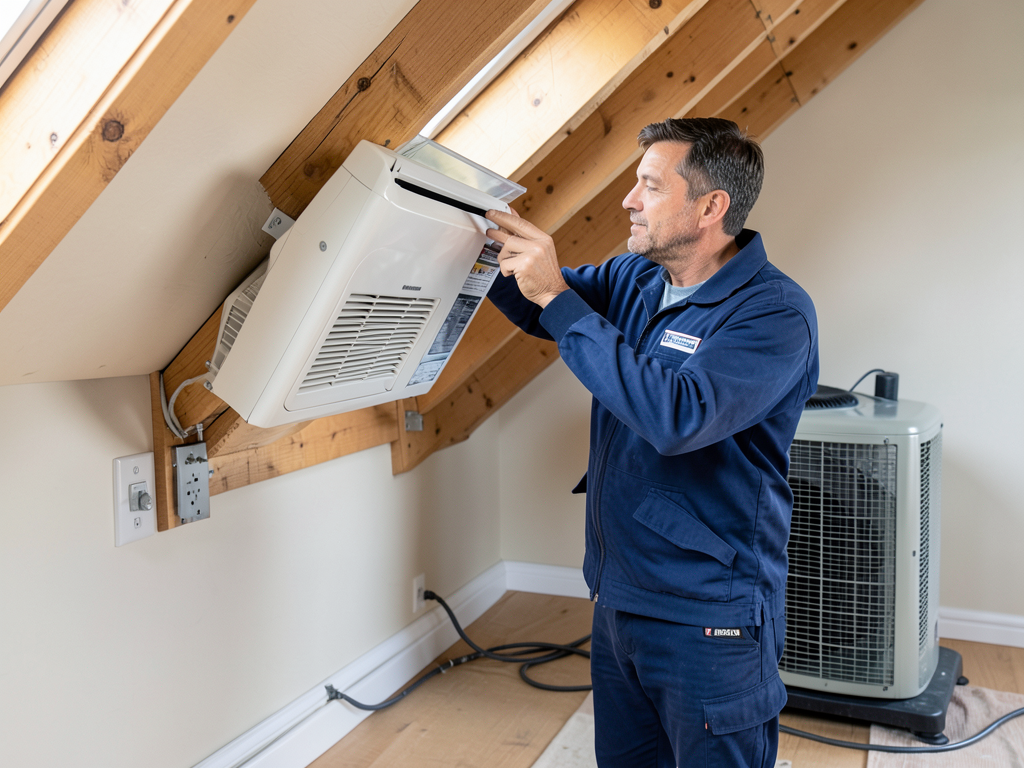
Diagram showing proper insulation levels and vapor barrier installation for Seattle attic conversions.
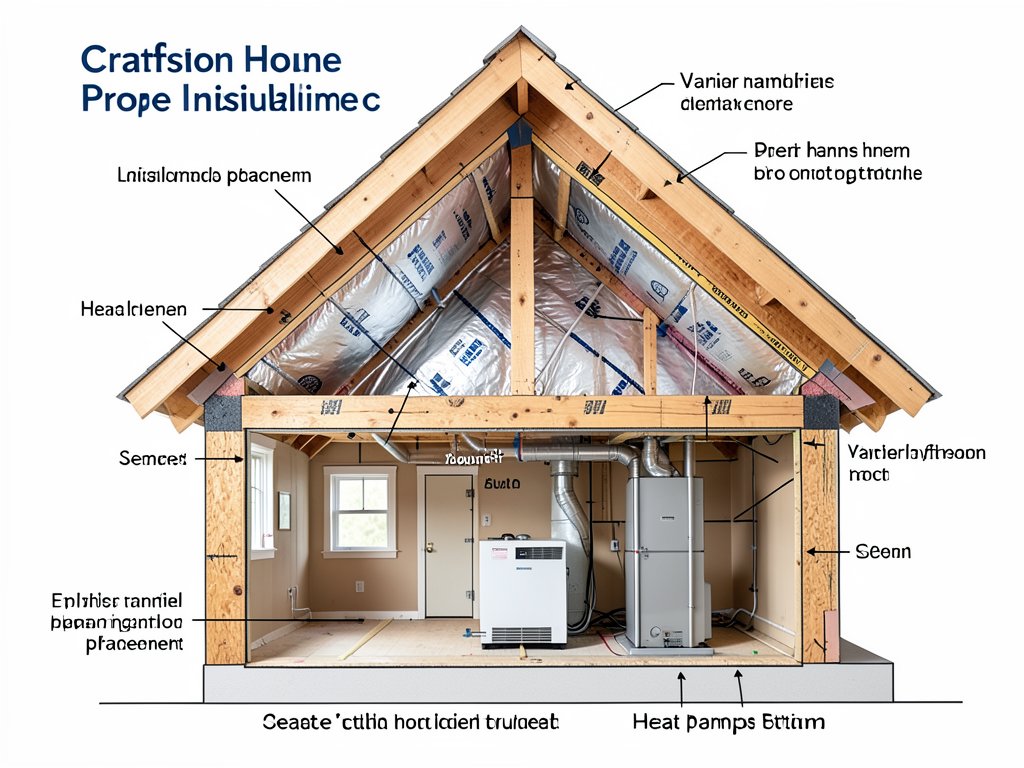
Photo of a ductless mini-split installation in a craftsman attic, showing indoor unit placement and outdoor condenser location.
Comparison chart of heating system efficiency and operating costs for Seattle’s climate zone.
{
“@context”: “https://schema.org”,
“@type”: “BlogPosting”,
“headline”: “The best way to heat a finished attic in your Loyal Heights craftsman”,
“description”: “Find the best attic heating solutions for your Loyal Heights craftsman home. Learn about ductless mini-splits, heat pumps, and insulation requirements specific to Seattle’s climate.”,
“wordCount”: 3507,
“datePublished”: “2026-05-16T12:12:00.000Z”,
“dateModified”: “2026-05-16T12:12:00.000Z”,
“inLanguage”: “en-US”,
“mainEntityOfPage”: {
“@type”: “WebPage”,
“@id”: “https://peakhvacseattle.com”
},
“publisher”: {
“@type”: “LocalBusiness”,
“name”: “Peak HVAC Seattle”,
“url”: “https://peakhvacseattle.com”
},
“author”: {
“@type”: “Organization”,
“name”: “Peak HVAC Seattle”,
“url”: “https://peakhvacseattle.com”
},
“image”: {
“@type”: “ImageObject”,
“url”: “https://peakhvacseattle.com/wp-content/uploads/2026/03/the-best-way-to-heat-a-finished-attic-in-your-loya-1.png”
}
}
{
“@context”: “https://schema.org”,
“@type”: “HVACBusiness”,
“name”: “Peak HVAC Seattle”,
“url”: “https://peakhvacseattle.com”,
“address”: {
“@type”: “PostalAddress”,
“addressLocality”: “Seattle”
},
“areaServed”: {
“@type”: “City”,
“name”: “Seattle”
}
}
{
“@context”: “https://schema.org”,
“@type”: “FAQPage”,
“mainEntity”: [
{
“@type”: “Question”,
“name”: “What is the most cost-effective way to heat an attic in Seattle?”,
“acceptedAnswer”: {
“@type”: “Answer”,
“text”: “Ductless mini-split heat pumps offer the best combination of installation cost, operating efficiency, and climate suitability for Seattle attics. They qualify for substantial rebates through Seattle City Light and typically cost 40-60% less to operate than electric resistance heating.”
}
},
{
“@type”: “Question”,
“name”: “Do I need a permit to install heating in my finished attic?”,
“acceptedAnswer”: {
“@type”: “Answer”,
“text”: “Yes, King County requires mechanical permits for all new heating equipment installations. Electrical permits are also required if wiring modifications are needed. Working with a licensed HVAC contractor ensures all permits are properly obtained and inspections are completed.”
}
},
{
“@type”: “Question”,
“name”: “How much insulation do I need in my attic for proper heating?”,
“acceptedAnswer”: {
“@type”: “Answer”,
“text”: “Washington State Energy Code requires R-49 to R-60 insulation in attic spaces. This typically means 14-18 inches of blown-in insulation or the equivalent in spray foam. Proper air sealing is equally important and can reduce heating costs by 15-20%.”
}
},
{
“@type”: “Question”,
“name”: “Can I use my existing furnace to heat my attic?”,
“acceptedAnswer”: {
“@type”: “Answer”,
“text”: “Extending existing ductwork to serve attic spaces is often problematic due to capacity limitations, heat loss in extended runs, and temperature balancing issues. Most craftsman homes in Loyal Heights require separate heating zones for attic spaces to maintain comfort throughout the home.”
}
},
{
“@type”: “Question”,
“name”: “How do I prevent moisture problems when heating my attic?”,
“acceptedAnswer”: {
“@type”: “Answer”,
“text”: “Proper vapor barriers, adequate insulation, and consistent temperature control are essential for moisture management. Heat pump systems help dehumidify the air, reducing condensation risk. Ensure your attic has proper ventilation to allow any accumulated moisture to escape.”
}
},
{
“@type”: “Question”,
“name”: “What rebates are available for attic heating in Seattle?”,
“acceptedAnswer”: {
“@type”: “Answer”,
“text”: “Seattle City Light offers rebates up to $2,000 for high-efficiency heat pumps and $1,200 for ductless mini-splits. Puget Sound Energy provides similar incentives, and federal ENERGY STAR tax credits can provide up to 30% of installation costs for qualifying equipment.”
}
},
{
“@type”: “Question”,
“name”: “How long does attic heating installation take?”,
“acceptedAnswer”: {
“@type”: “Answer”,
“text”: “Most ductless mini-split installations can be completed in 1-2 days. More complex heat pump installations may take 2-4 days depending on the scope of work. Electric baseboard heating can often be installed in a single day for a typical attic space.”
}
},
{
“@type”: “Question”,
“name”: “What maintenance does attic heating equipment require?”,
“acceptedAnswer”: {
“@type”: “Answer”,
“text”: “Heat pump and mini-split systems require annual professional maintenance including coil cleaning, refrigerant checks, and system testing. Air filters should be cleaned every 2-3 months during heavy use. Electric heating systems require minimal maintenance but offer no performance monitoring.”
}
}
]
}
{
“@context”: “https://schema.org”,
“@type”: “BreadcrumbList”,
“itemListElement”: [
{
“@type”: “ListItem”,
“position”: 1,
“name”: “Home”,
“item”: “https://peakhvacseattle.com”
},
{
“@type”: “ListItem”,
“position”: 2,
“name”: “Blog”,
“item”: “https://peakhvacseattle.com/blog”
},
{
“@type”: “ListItem”,
“position”: 3,
“name”: “The best way to heat a finished attic in your Loyal Heights craftsman”
}
]
}
{
“@context”: “https://schema.org”,
“@type”: “Service”,
“serviceType”: “HVAC”,
“provider”: {
“@type”: “LocalBusiness”,
“name”: “Peak HVAC Seattle”,
“url”: “https://peakhvacseattle.com”
},
“areaServed”: {
“@type”: “City”,
“name”: “Seattle”
},
“description”: “Find the best attic heating solutions for your Loyal Heights craftsman home. Learn about ductless mini-splits, heat pumps, and insulation requirements specific to Seattle’s climate.”
}